UNIT 2
Life Around Us
Chapter 4

The Cap-seller and the Monkeys
Let us read
Once there was a man who
sold caps. He carried many
caps in a basket on his head.
He was a cap-seller.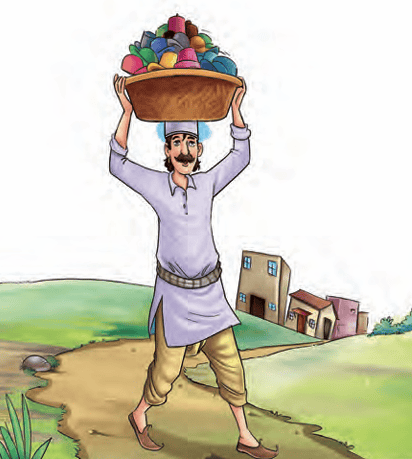
One day, he slept under a tree.
There were monkeys on the tree.
They came down from the tree.
They took away all the caps.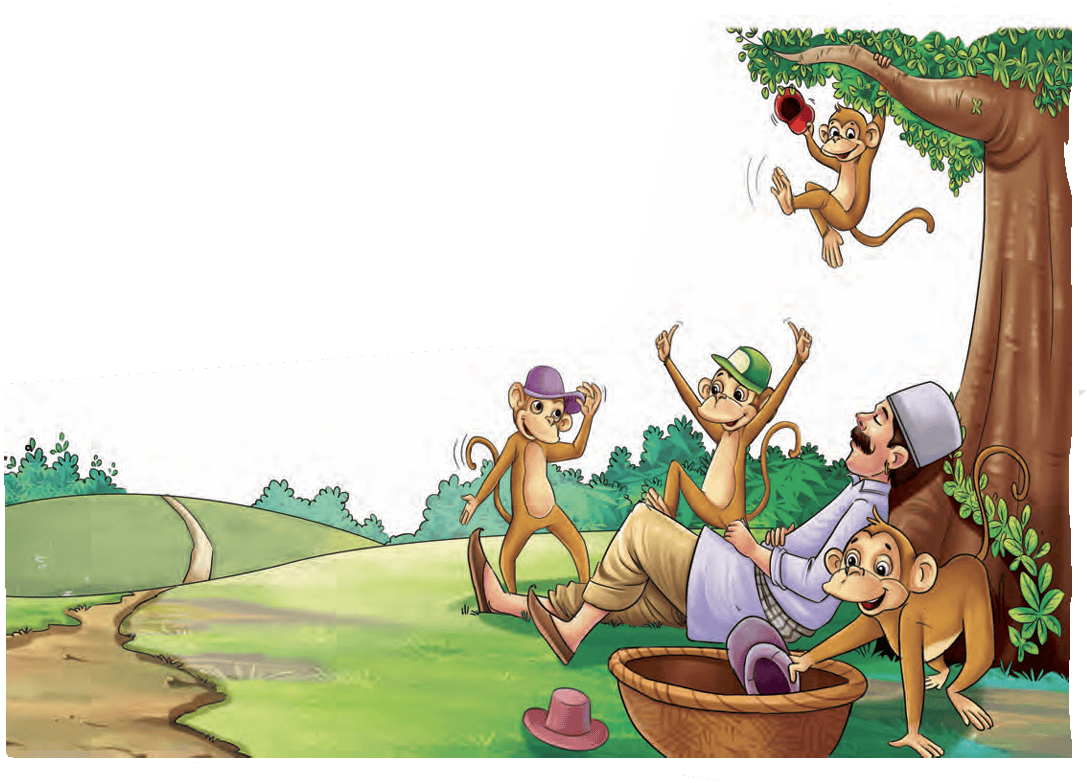
The cap-seller woke up.
He saw the basket was
empty! He looked around
and above. The monkeys
were wearing his caps.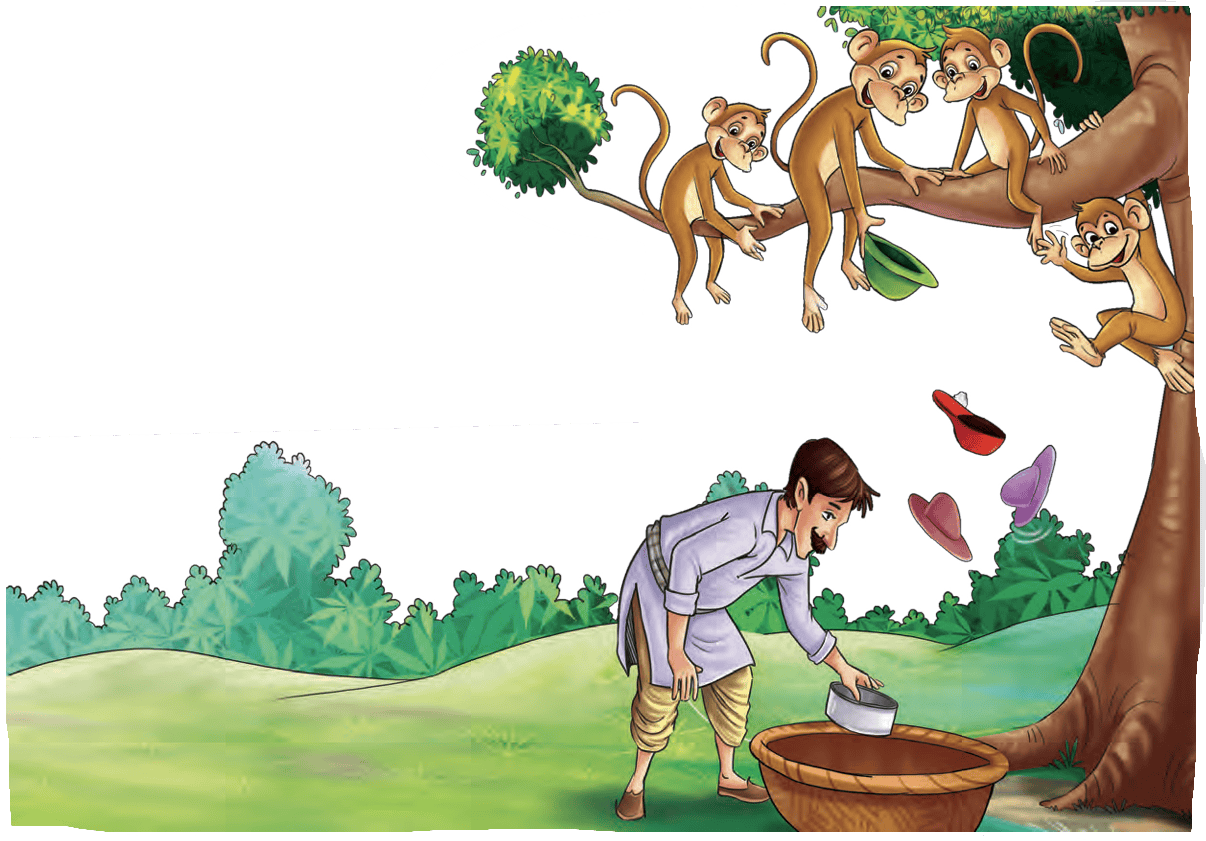
The cap-seller shook his fists at
the monkeys. They also did the
same. The cap-seller scratched his
head. The monkeys did the same.
The cap-seller had an idea!
He took off his cap and threw it
into the empty basket.
sold caps. He carried many
caps in a basket on his head.
He was a cap-seller.
There were monkeys on the tree.
They came down from the tree.
They took away all the caps.
He saw the basket was
empty! He looked around
and above. The monkeys
were wearing his caps.
the monkeys. They also did the
same. The cap-seller scratched his
head. The monkeys did the same.
He took off his cap and threw it
into the empty basket.
What do you
think the
cap-seller would
do now?
think the
cap-seller would
do now?
Note to the teacher
- The question in the middle of the story is to give children time to reflect and guess.
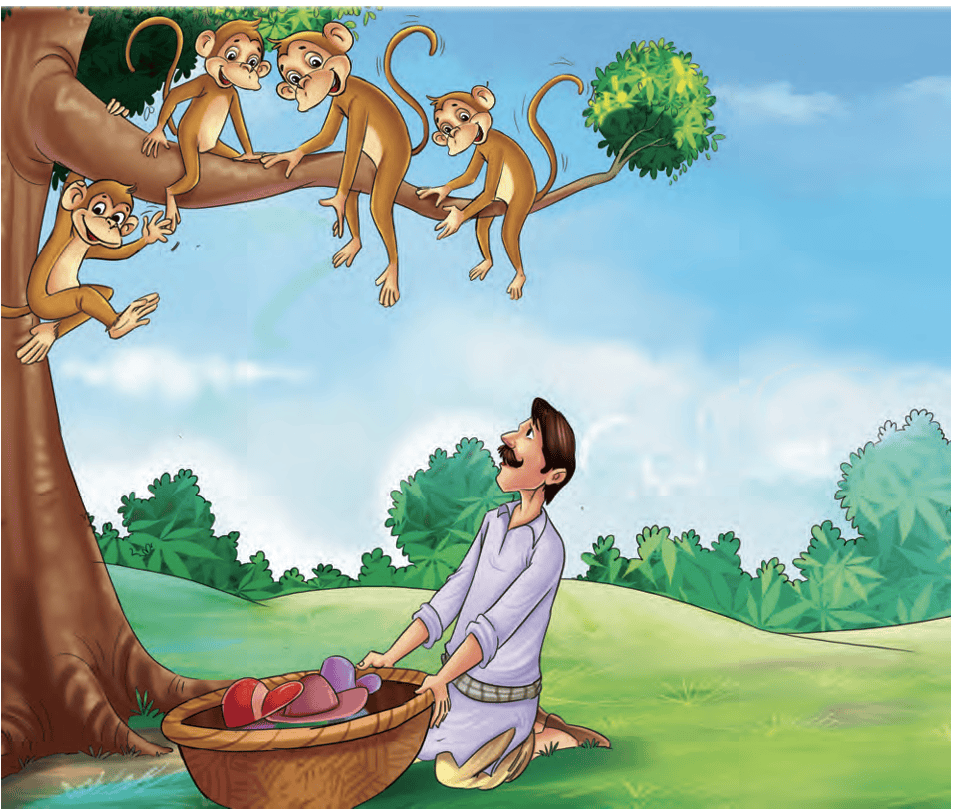 The monkeys also did the same.
 The cap-seller got all his caps back and went away happily.
Note to the teacher
- With the help of the pictures, narrate the story in simple English using voice modulation and actions.
- Draw the attention of the children to the details in the illustrations.
- Ask questions to elicit answers in English. Even if a child answers in one word like ‘cap’ instead of “This is a cap.”, accept the answer.
- Ensure that the children have understood the story. After a few days, repeat the story to reinforce the usage of English words.
Let us speak
2. Why do you think the monkeys threw the caps in the basket?
| 1 | cap | cat | coat |
| 2 | monkey | mango | mouse |
| 3 | basket | bat | ball |
Let us write
| car | tap | can | rat | cat | hat | cow |
| mat | man | pan | mango | banana | mug | rug |
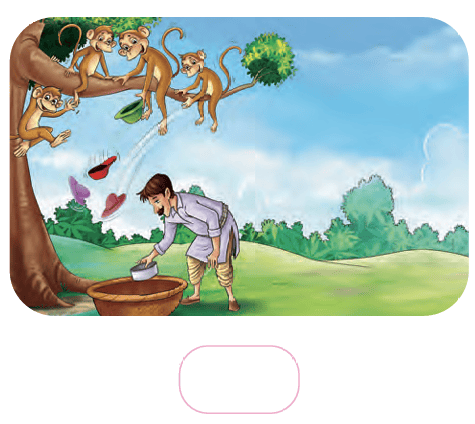
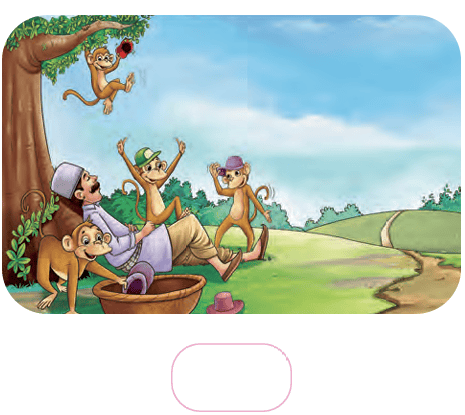
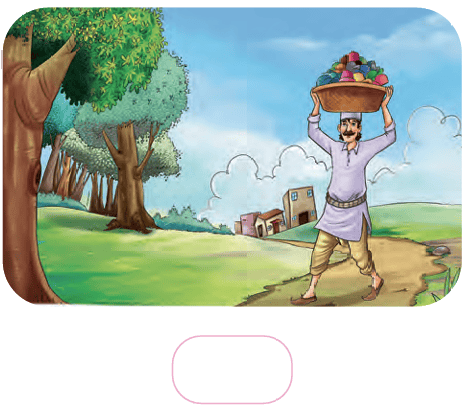
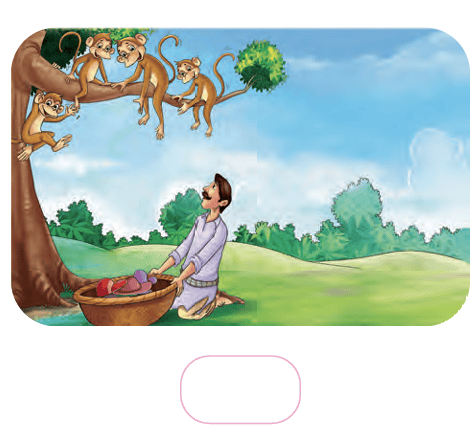
Note to the teacher
- Help children number the pictures according to the sequence of the story.
- Ask children to try and narrate the story in their own words in English.
- Even if children use non-English words, accept their answers. But ensure a smooth transition to the target language.
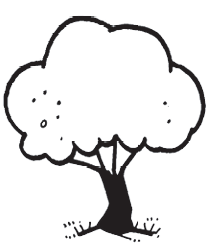
a tree
_________
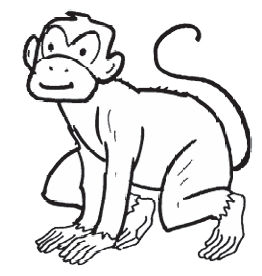
a monkey
_________
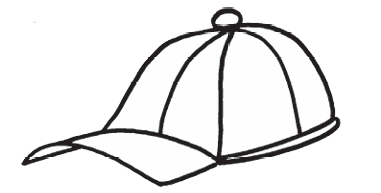
a cap
_________
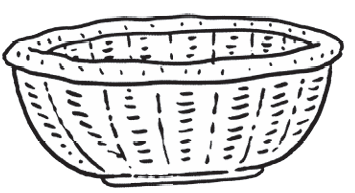
a basket
_________
| Aa Ant | Bb Bee | Cc Cat |
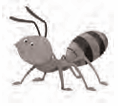 ________ ________ |
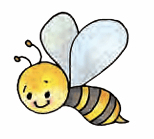 ________ ________ |
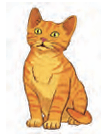 ________ ________ |
| Dd Dog | Ee Elephant | Ff Fish |
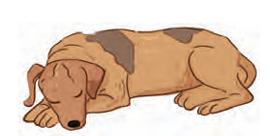 ________ ________ |
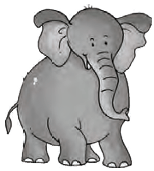 ________ ________ |
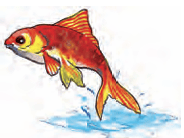 ________ ________ |
| Gg Goat | Hh Hen | Ii Inkpot |
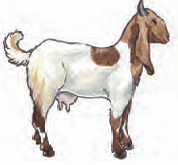 ________ ________ |
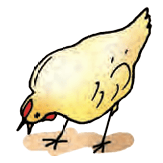 ________ ________ |
 ________ ________ |
| Jj Jug | Kk Kite | Ll Lion |
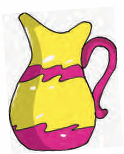 ________ ________ |
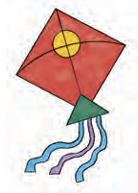 ________ ________ |
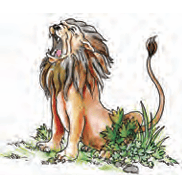 ________ ________ |
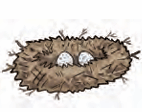
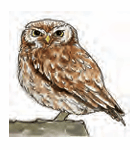
| Mm Monkey | Nn Nest | Oo Owl |
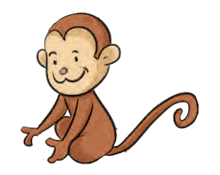 ________ ________ |
 ________ ________ |
 ________ ________ |
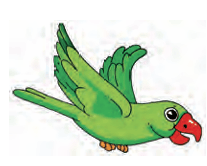
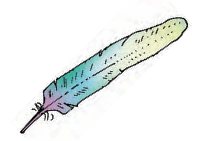
| Pp Parrot | Qq Quill | Rr Rat |
 ________ ________ |
 ________ ________ |
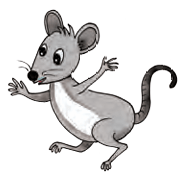 ________ ________ |
| Ss Snake | Tt Tiger | Uu Uniform |
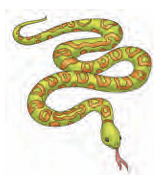 ________ ________ |
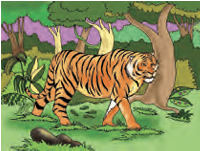 ________ ________ |
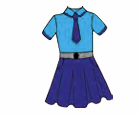 ________ ________ |
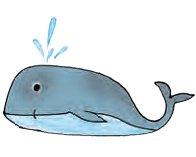
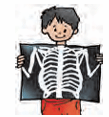
| Vv Van | Ww Whale | Xx X-ray |
 ________ ________ |
 ________ ________ |
 ________ ________ |
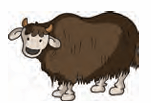
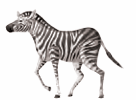
| Yy Yak | Zz Zebra | |
 ________ ________ |
 ________ ________ |
Let us sing
Butterflies
Butterflies, butterflies,
Up, up, up.
Butterflies, butterflies,
Down, down, down.
Butterflies, butterflies,
In, in, in.
Butterflies, butterflies,
Out, out, out.
Note to the teacher
- Sing the song along with actions.
- Let the children repeat after you and then let them sing it on their own with actions.
Let us speak
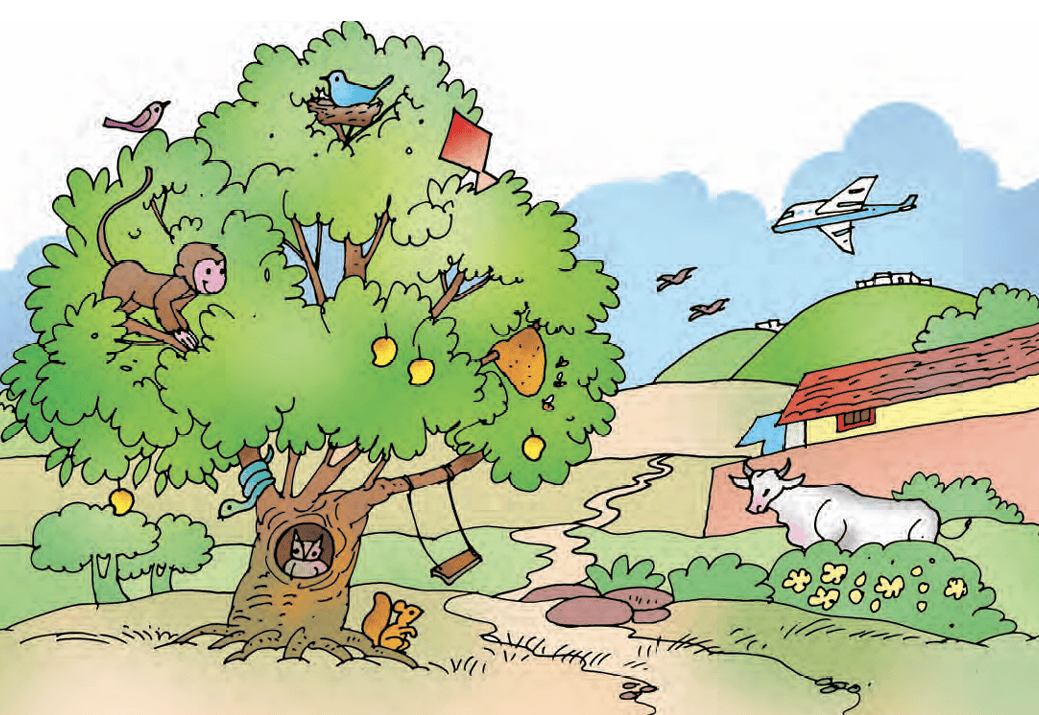
Teacher: Look up! What do you see on the tree?
Child: I see_____________ on the tree.
Teacher: Look down! What do you see on the ground?
Child: I see____________________on the ground.
Teacher: Look up! What do you see in the sky?
Child: I see_____________ in the sky.
Child: I see_____________ on the tree.
Child: I see____________________on the ground.
Child: I see_____________ in the sky.
Butterflies, (clap) butterflies, (clap)
Up, (clap) up, (clap) up. (clap)
Butterflies, (clap) butterflies, (clap)
Down, (clap) down, (clap)
Roly (clap) poly (clap)
Up, (clap) up, (clap) up. (clap)
Roly (clap) poly (clap)
Down, (clap) down, (clap)
Up, (clap) up, (clap) up. (clap)
Butterflies, (clap) butterflies, (clap)
Down, (clap) down, (clap)
Up, (clap) up, (clap) up. (clap)
Roly (clap) poly (clap)
Down, (clap) down, (clap)
Note to the teacher
- For Activity A, encourage the children to speak using the given phrases.
- Provide regular and frequent practice of the phrases such as on the ground, on the tree, etc.
- Encourage the children to clap for every word in a line, for example, 5 claps for ‘butterflies, butterflies, up, up, up’.
Let us write
| put | mat | sat |
| cap | top | cat |
| pat | fan | apple |
| pink | tan | tap |
| 1 | T | F | p | F | r |
| 2 | b | C | d | b | q |
| 3 | o | q | n | o | r |
| 4 | W | x | M | W | V |
| hop | dog |
| sand | hide |
| jump | socks |
| run | rat |
| dance | jet |
Let us speak
Some words have two syllable. Notice the words below:
| monkey | mon | key |
| seller | sell | er |
| basket | bas | ket |
| donkey | don | key |
Note to the teacher
- Let children clap for each syllable: e.g., two claps for mon+key.
Let us read
Catch me if you can
on a mat.
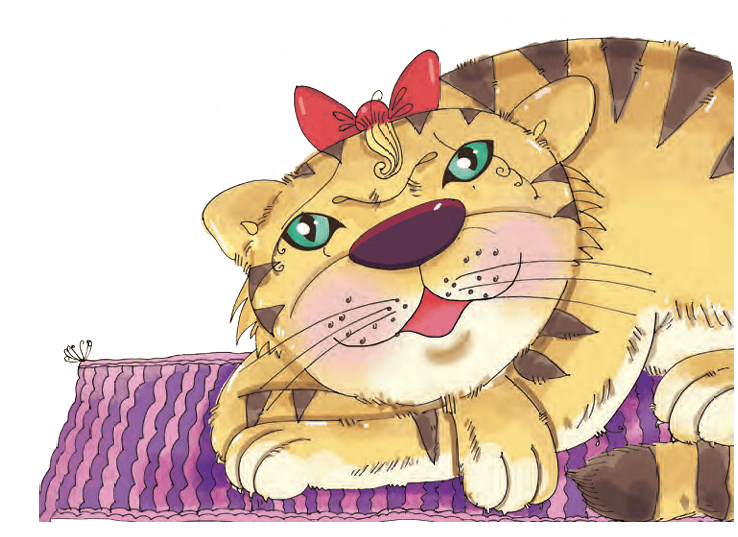
“I can catch you, little rat”,
said the cat.
and hid in a hat.
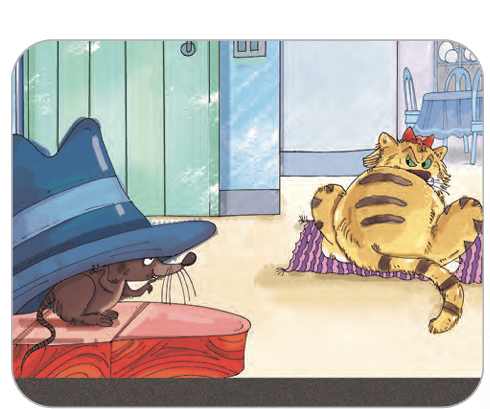
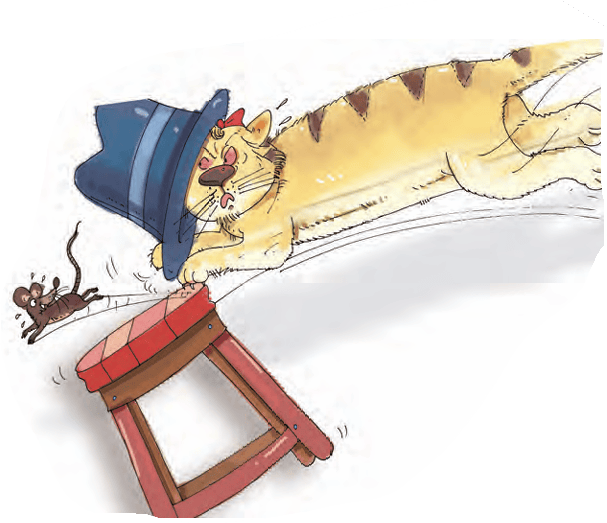
said the rat.
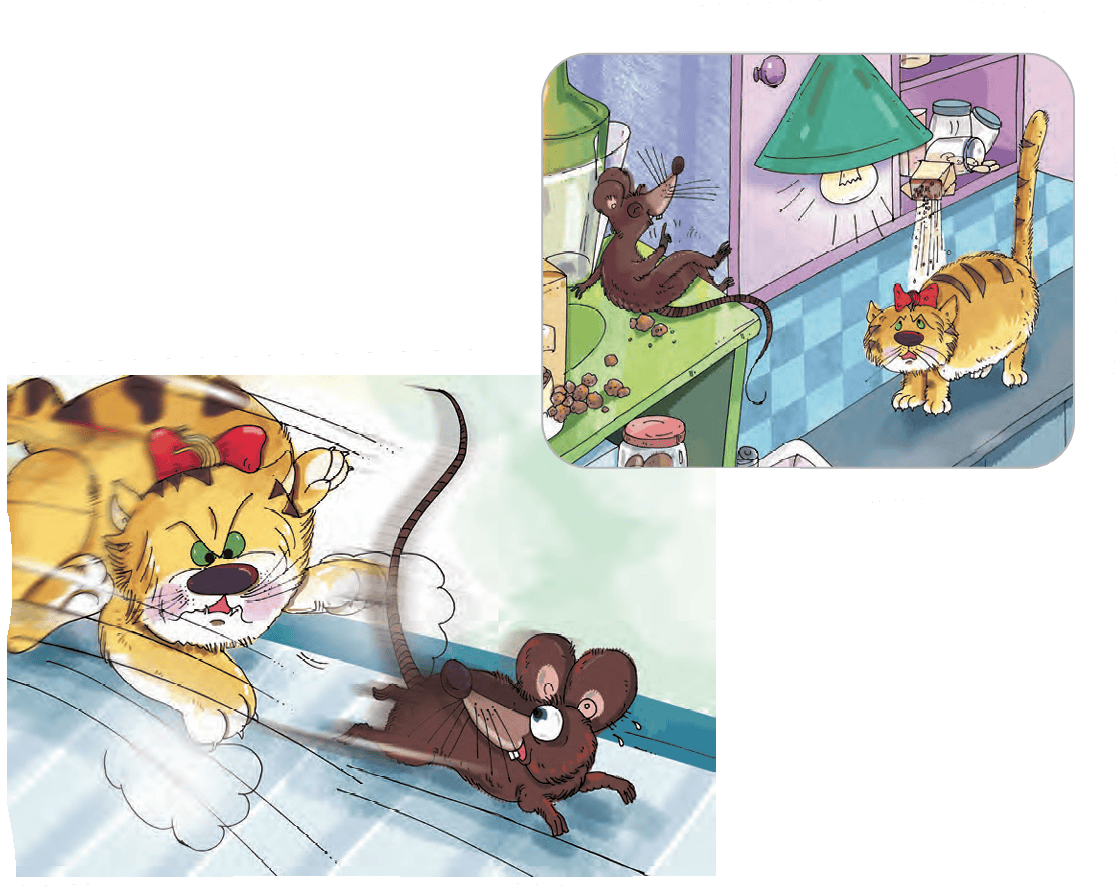
catch the rat.
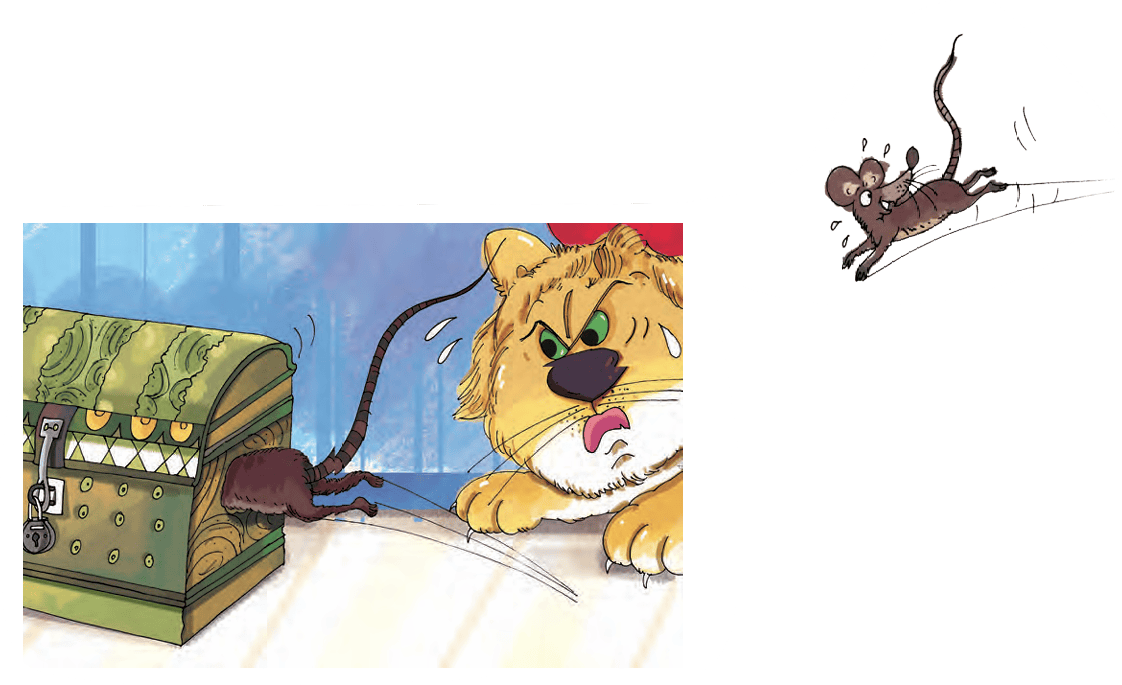 The rat ran and
 hid in a box.
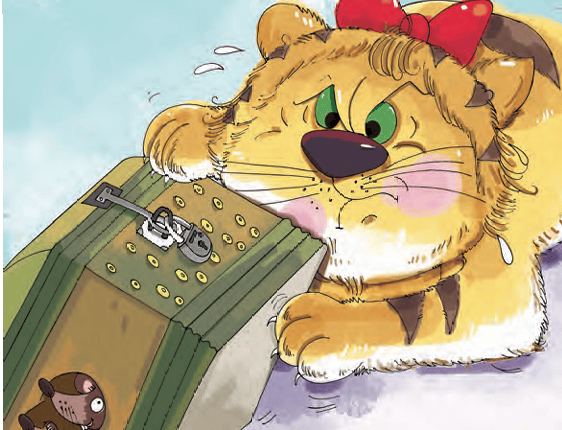
not open.
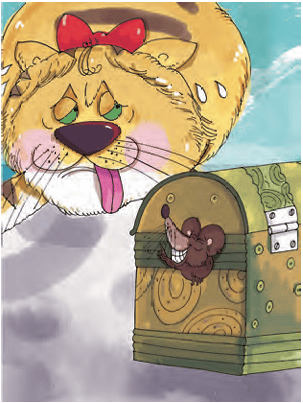
cat!”, said the rat.
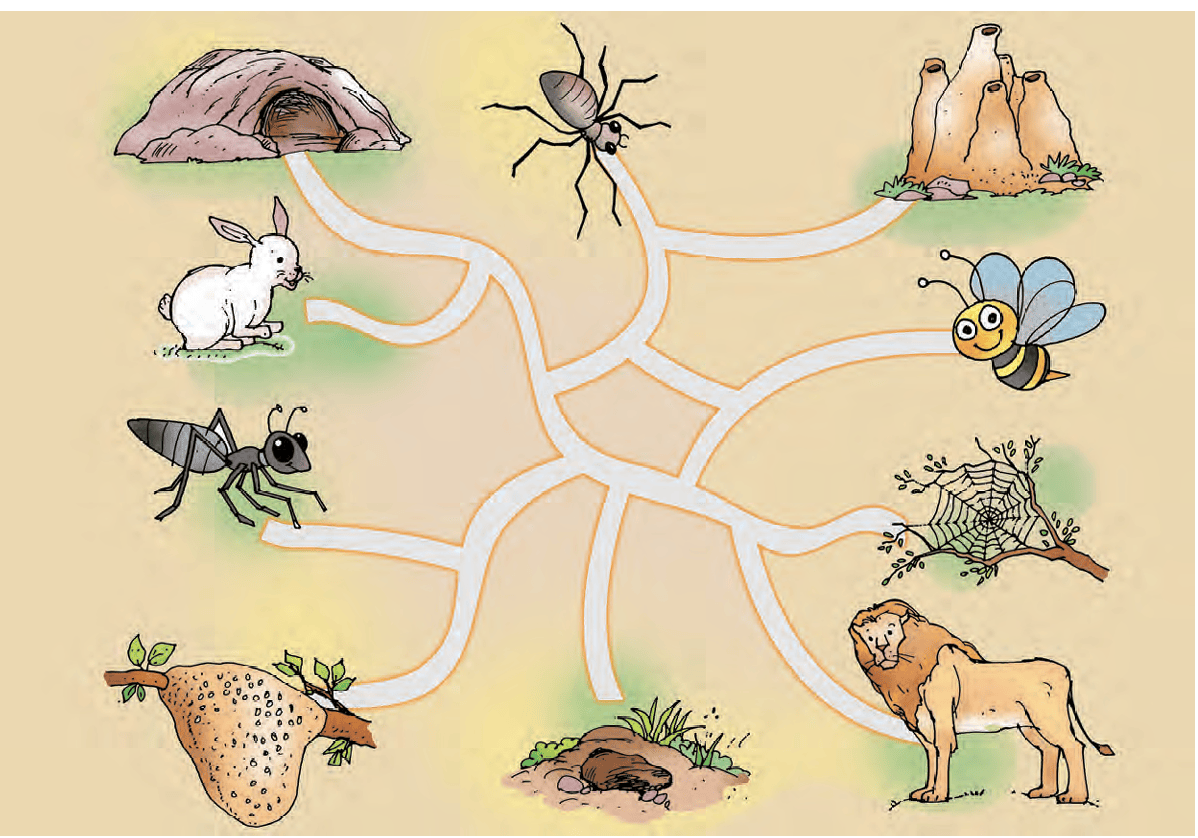
Help the mouse reach its home
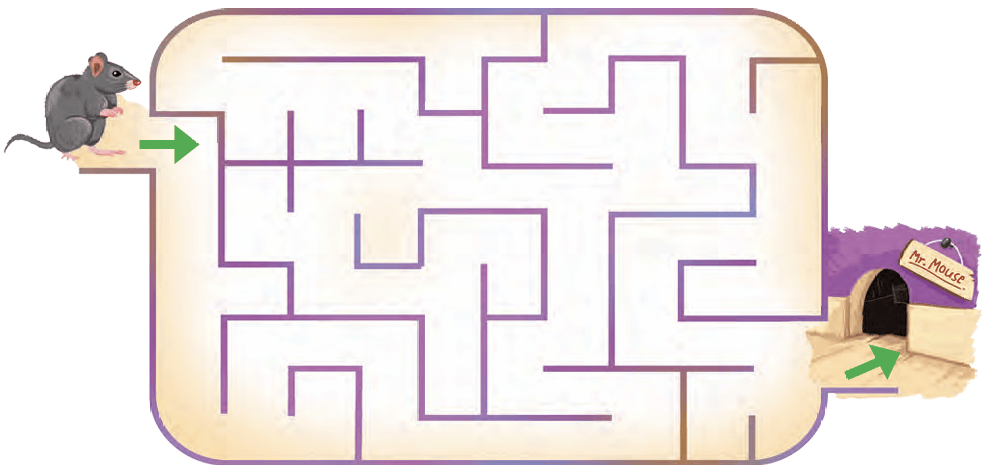
Let us listen
| cat | bat | fat |
| sat | mat | hat |
• What is common in all these words?
| B | at | Bat | ________ |
| C | |||
| M | ________ | ________ | |
| F | |||
| R | ________ | ________ | |
| H |
• Throw the ball.
• Hide under a table.
• Open your pencil box or bag.
• Close your pencil box or bag.
• Say hurray!!

| catch | throw | hide |
| open | say | close |
Let us read
Let us do
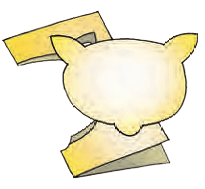 |
1. Cut out the mask with the help of your teacher. | 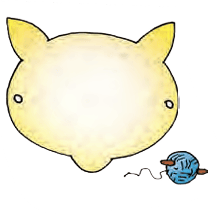 |
2. Make holes on the sides. |
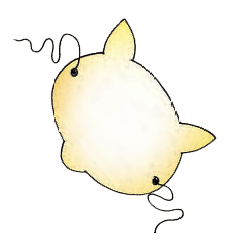 |
3. Tie strings in these holes. | 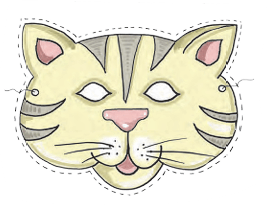 |
4. Your mask is ready to use! |
• Are your masks ready? Enact the story.
Let us explore
Draw some of these and tell your friends more about them.

Let us do
C. In small groups, choose any story that you heard or shared in the class. Draw pictures for the story. Present the story in class.