UNIT 1
Fun with Friends
Chapter 2

Picture Reading
Note to the teacher
- Give children enough time to observe the picture. Encourage all children to speak and answer the questions, even if they speak in their home language. Help them find English words.
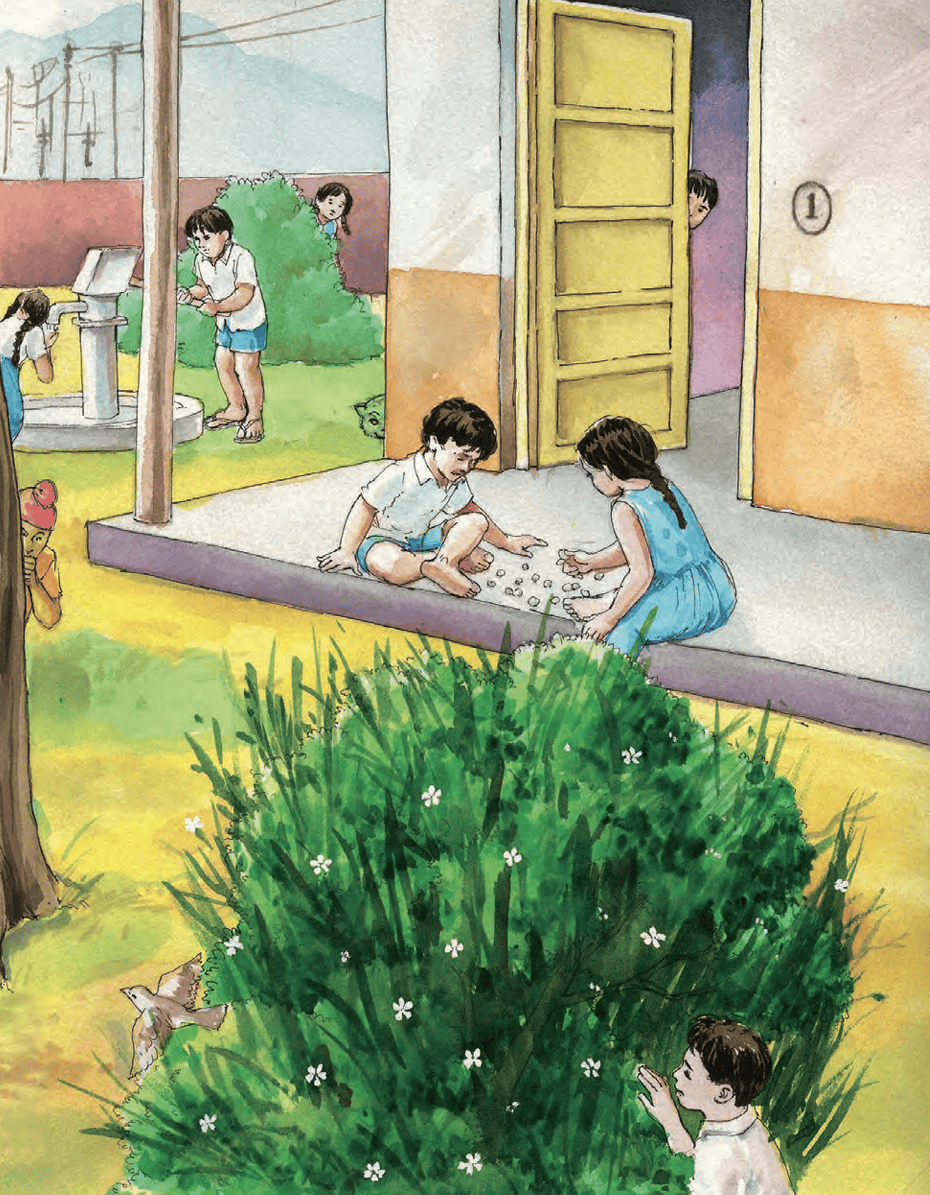
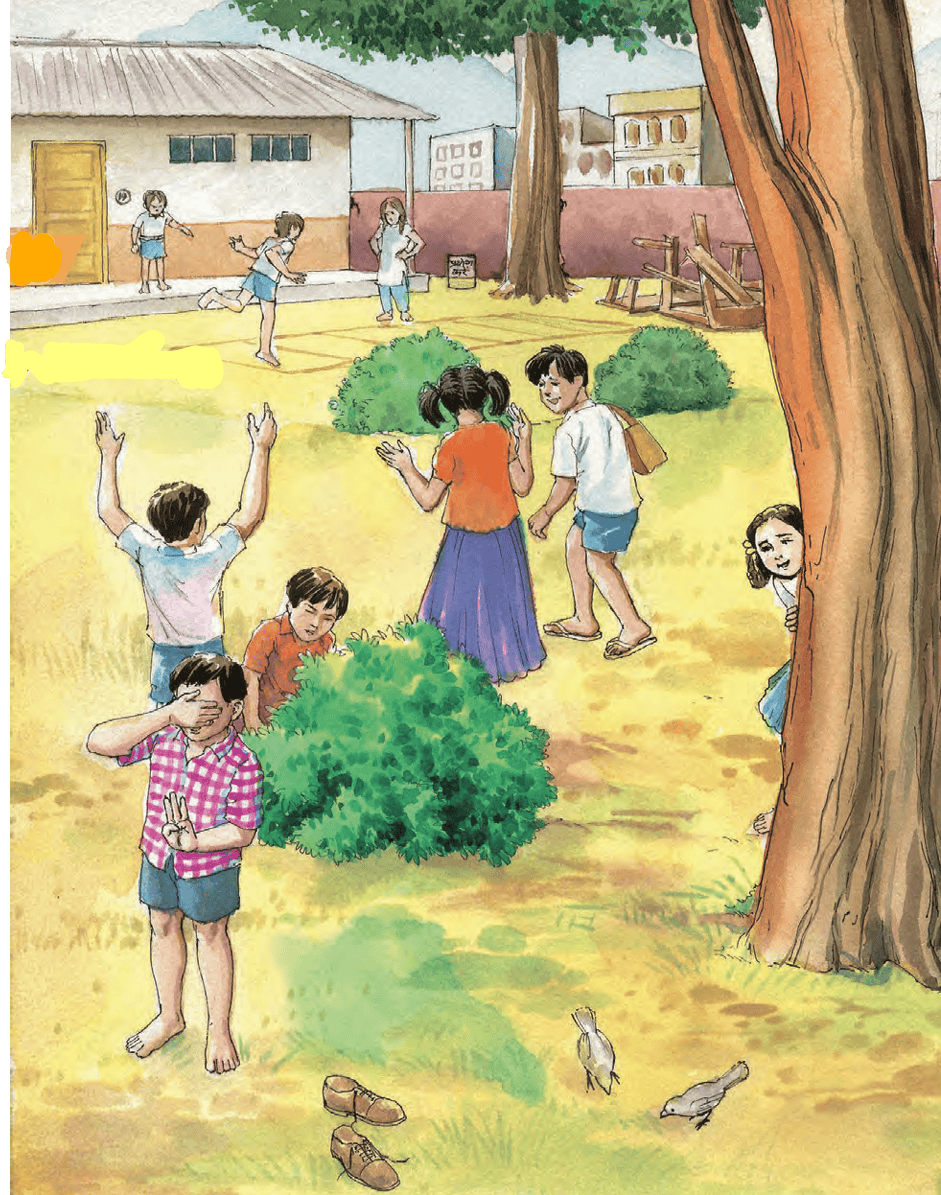
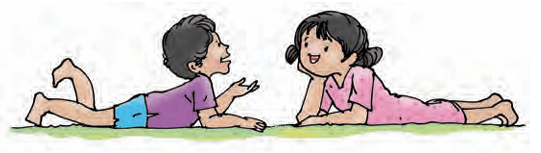
• What do you see?
• How many children are there in the picture?
• What are the children doing?
• How are children having fun?
• What games do you play?
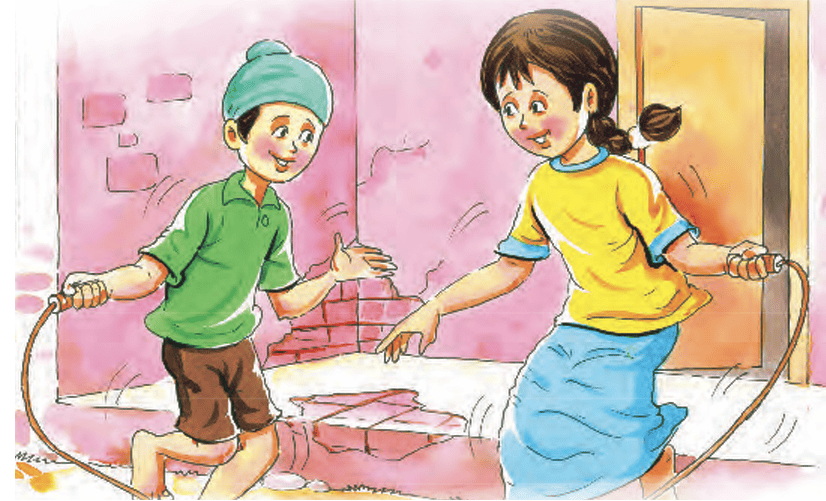 It was a holiday. Jeet and Babli were playing. They played many games. Both of them skipped the rope. They played hide and seek.
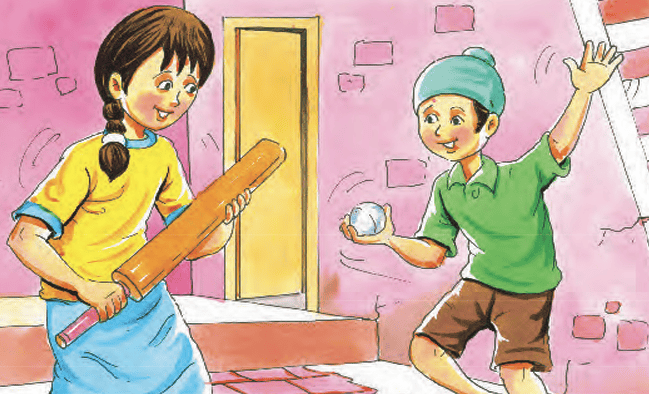 Babli and Jeet decided to play ‘bat and ball’.
Jeet got ready to throw the ball.
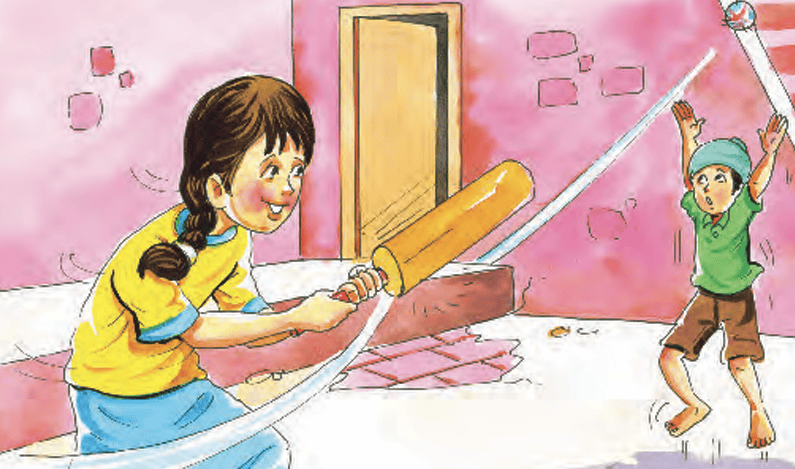
Jeet threw the ball. Babli hit the ball.
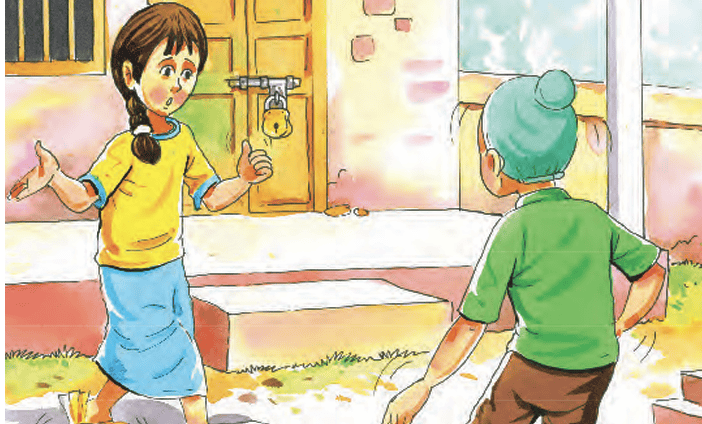 The ball went into Mohit’s garden. But his house was locked. They could not find the ball. So the game stopped.
Babli knew how to make a ball. They got a few rags, paper and wool.
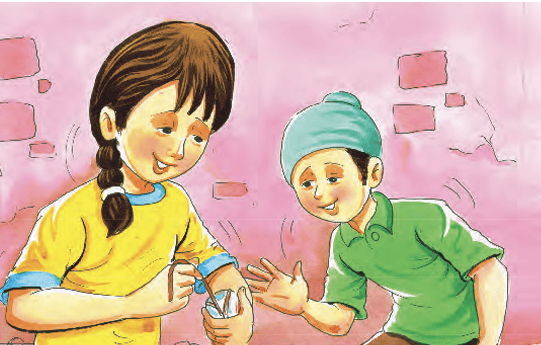
Babli also brought a piece of string. She rolled rags, paper and wool to make a ball.
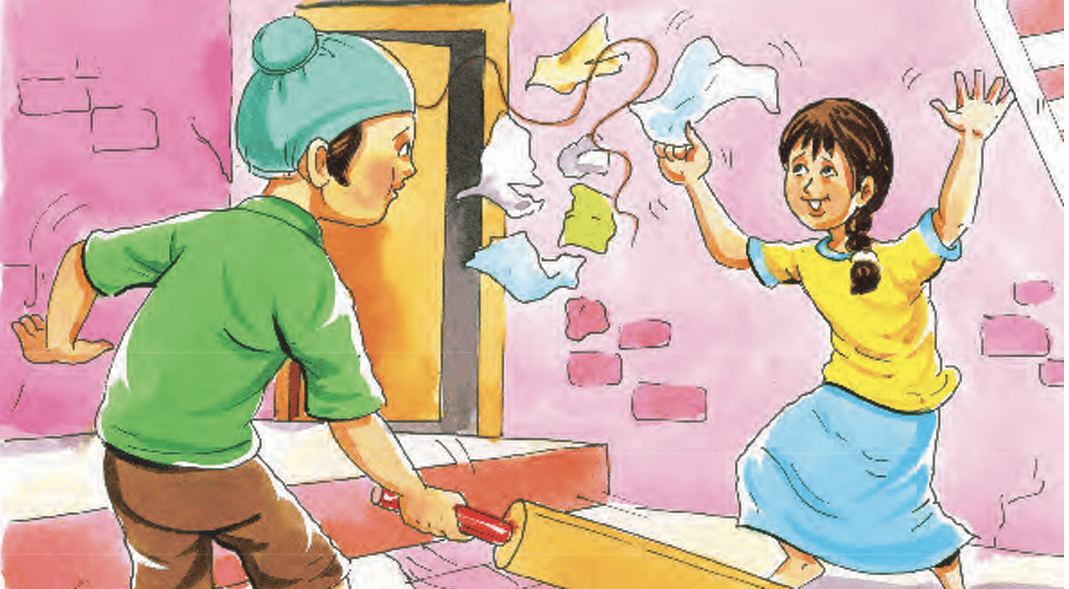
Then she tied the ball with a string. They liked the new ball. The game started again.
1. Write the names of the children in the story.
__________ __________ __________
2. Write the items that the children used to make a ball.
__________ __________ __________
B. Write the opposites of the following words. One has been done for you.
C. Join the sentences using ‘and’. Write it in the given space. One has been done for you.
1. Suresh went to school.
Gopal went to school.
Suresh and Gopal went to school
2. I like to eat mangoes.
I like to eat grapes.
_________________________________
3. The cat sat on the mat.
The dog sat on the mat.
_________________________________
4. This ball has yellow dots on it.
This ball also has green dots on it.
_________________________________
5. There are tables in my classroom.
There are chairs in my classroom.
_________________________________
B. Ask your grandparents or parents to tell you about a game that they had played in their childhood. Find out about it in detail. The next day speak about it in the class.
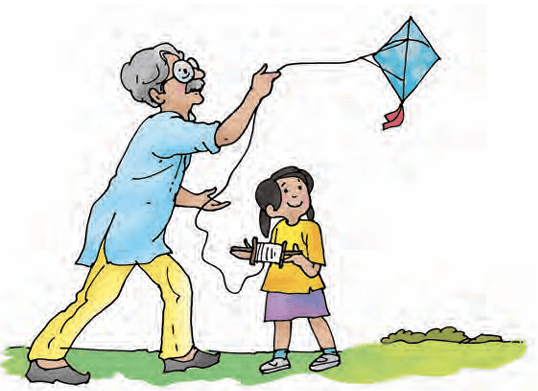
• How many children are there in the picture?
• What are the children doing?
• How are children having fun?
• What games do you play?
OUT! OUT!
Let us read
It was a holiday. Jeet and Babli were playing. They played many games. Both of them skipped the rope. They played hide and seek.
Babli and Jeet decided to play ‘bat and ball’. Jeet got ready to throw the ball.
The ball went into Mohit’s garden. But his house was locked. They could not find the ball. So the game stopped.
Sight words
| This | a | how | also | they | after | and | of |
New words
| skipped | threw | courtyard | gathered | brought | picked |
This time Babli picked the ball. Jeet picked the bat. Babli threw the ball. Jeet hit the ball hard. The ball opened up and scattered in the air! Babli jumped and caught a piece of rag. She jumped and shouted, “OUT! OUT!”
Let us speak
A. Answer the following questions.
1. What games do you like to play with your friends?
2. Have you played ‘bat and ball’?
3. Babli made a ball using a few rags, paper, wool and string. Have you tried to play a game using the things around you? What did you play? Name the things that you use to play. Talk about it in the class.
4. Read pages 10 – 11 of the story again and number the following sentences in their correct order.
2. Have you played ‘bat and ball’?
3. Babli made a ball using a few rags, paper, wool and string. Have you tried to play a game using the things around you? What did you play? Name the things that you use to play. Talk about it in the class.
4. Read pages 10 – 11 of the story again and number the following sentences in their correct order.
| • Babli hit the ball. |  |
| • Jeet threw the ball. | |
| • The ball went into Mohit’s garden. | |
| • Jeet got ready to throw the ball. | |
| • They lost the ball. | |
Note to the teacher
- Encourage interaction using mother tongue/local terms.
- Speak about how things around us can be used to have fun, such as using an old bicycle tyre as a wheel and running after it with a stick. Encourage the children to use waste material and create something useful.
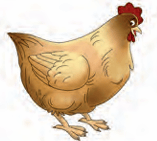
Read the words below each picture
| 1 | 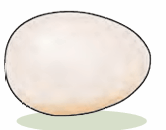 |
 |
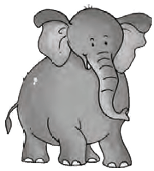 |
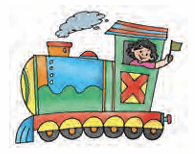
| an egg | an engine | an elephant | |
| 2 |  |
 |
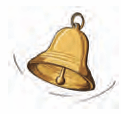 |
| a pen | a pencil | a bell | |
| 3 | 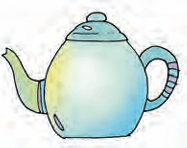 |
 |
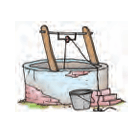 |
| a kettle | a hen | a well |
Note to the teacher
- This introduces young learners to the vowel sound ‘e’ as in ‘pen’.
- Help them notice that the word ‘an’ occurs before the words beginning with ‘e’ in the above table.
Let us write
A. Read the story ‘OUT! OUT!’ again and fill in the blanks.__________ __________ __________
__________ __________ __________
| 1 | up | down |
| 2 | in | |
| 3 | open | |
| 4 | fat | |
| 5 | hot | |
| 6 | small |
Gopal went to school.
Suresh and Gopal went to school
I like to eat grapes.
_________________________________
The dog sat on the mat.
_________________________________
This ball also has green dots on it.
_________________________________
There are chairs in my classroom.
_________________________________
Let us do
A. Choose a partner. Imagine you both are Babli and Jeet. Enact the story. You may use some words from the story for dialogues.
Note to the teacher
- Activity A is a pair work. Help the children choose their partners. Provide them the required materials to enact the story in parts. Encourage the children to use English as much as possible.
- For activity B, ask children to learn about the games their parents used to play and tell the same in the next class in English. They may use some of the terms related to the game in their mother tongue.