UNIT 4
Harmony
Chapter 13
We are all Indians
Let us read
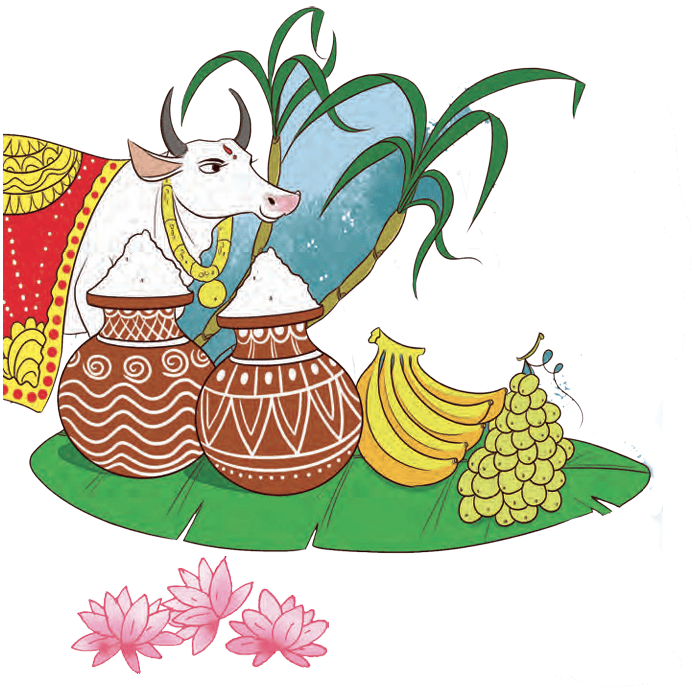
My name is Meenakshi.
I come from Tamil Nadu.
I speak Tamil.
My favourite festival is Pongal.
What is your name?
___________________
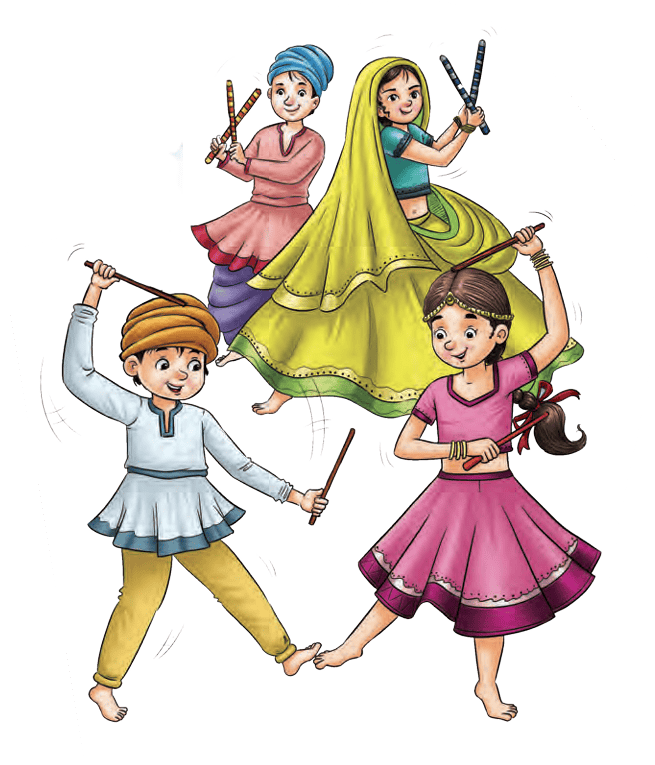
I am Ramu.
I come from Gujarat.
I speak Gujarati.
I like to dance the Garba.
I am seven years old.
How old are you?
___________________
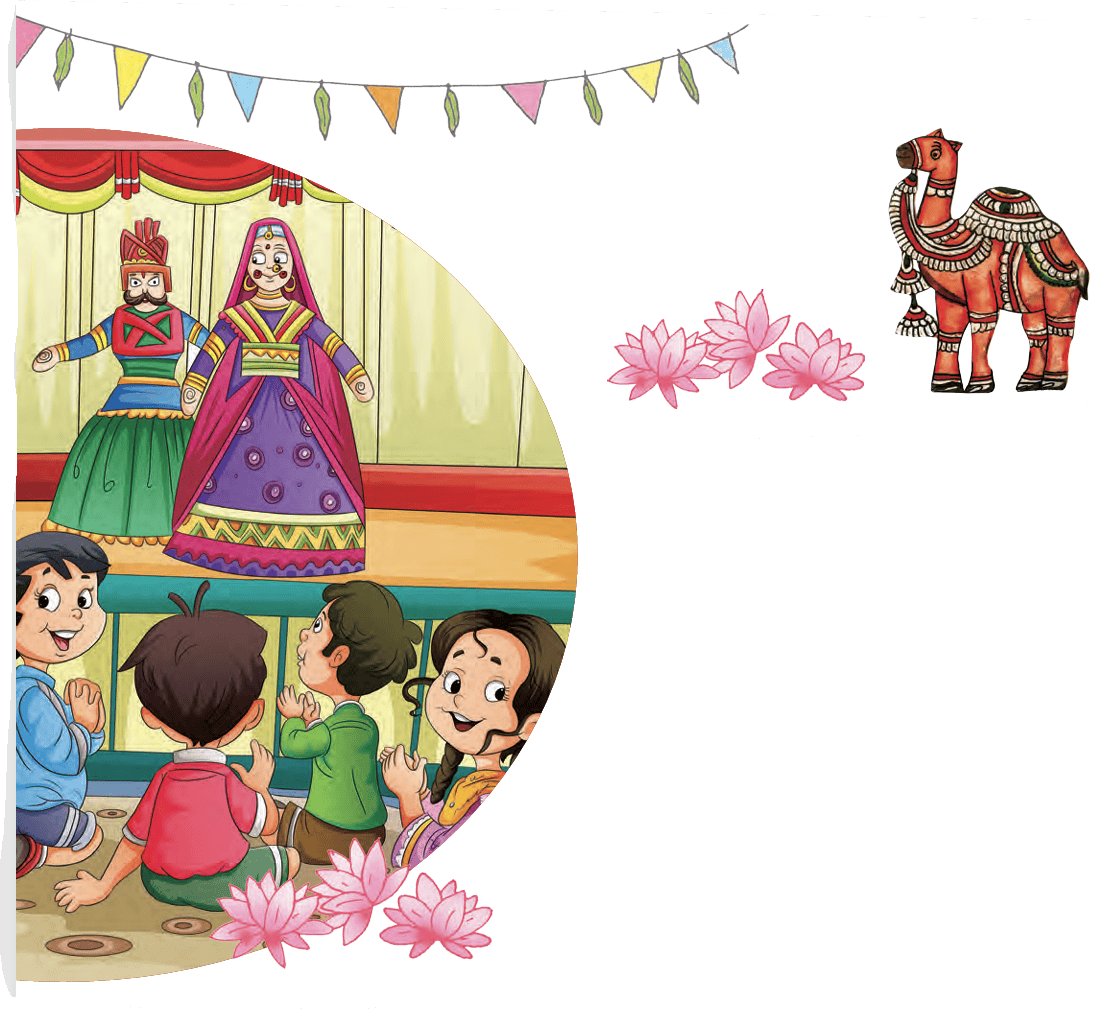
My name is Gulabo.
I come from Rajasthan.
I like wearing colourful clothes.
I enjoy seeing puppet shows.
I travel by camel.
How do you travel? ___________________
I am Badal.
I come from Bengal.
I speak Bengali.
I like painting and music.
I study at Santiniketan.
Where do you study?
___________________
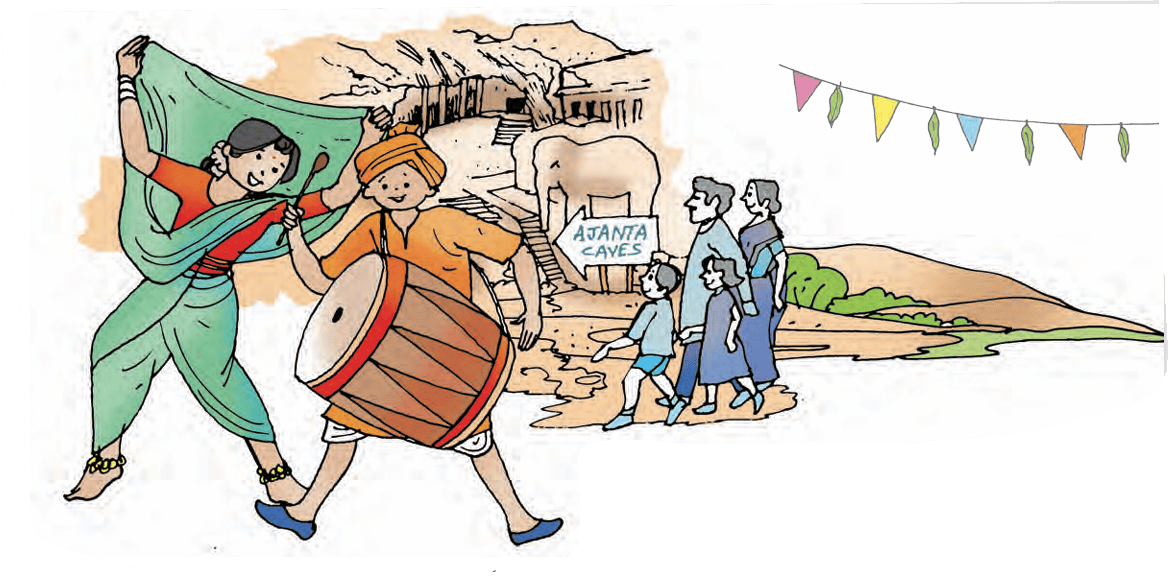
I am Vibha.
I come from Maharashtra.
I speak Marathi.
Once I visited Ellora and
Ajanta caves.
Have you travelled
anywhere?
___________________
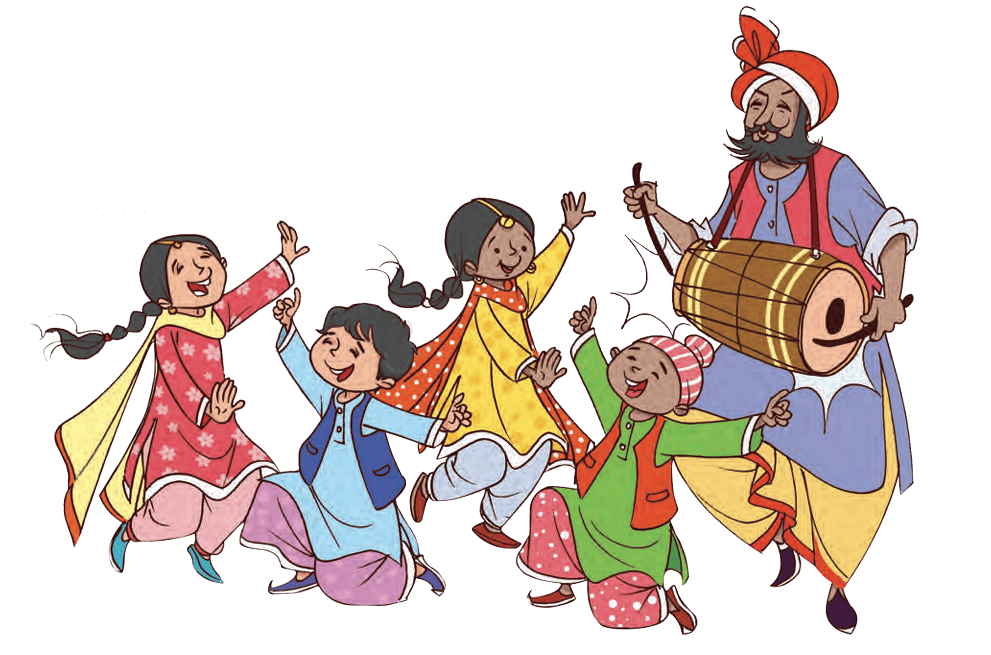
I am Surinder.
I come from Punjab.
I speak Punjabi.
My neighbour Mallika
likes to do Bhangra.
Which dance do you like?
___________________
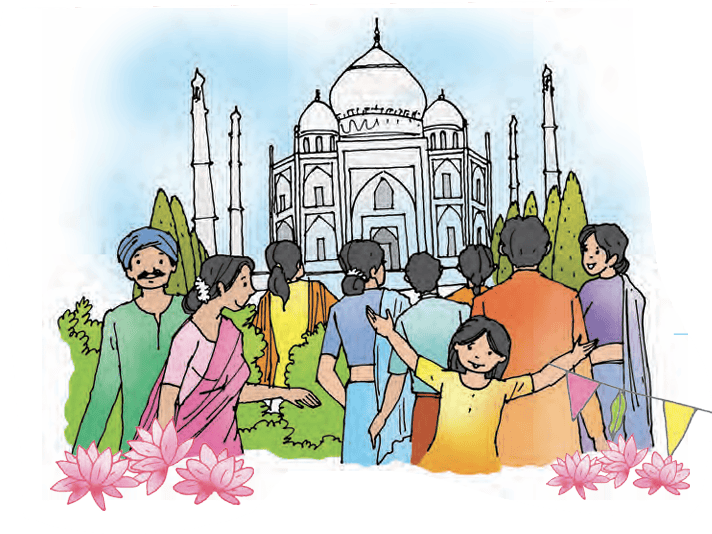
I am Neerja. I come
from Uttar Pradesh.
I have seen the Taj
Mahal.
Have you seen any
monument?
___________________
My name is Nonglik .
I come from Manipur.
I speak Manipuri.
What language do you
speak?
___________________
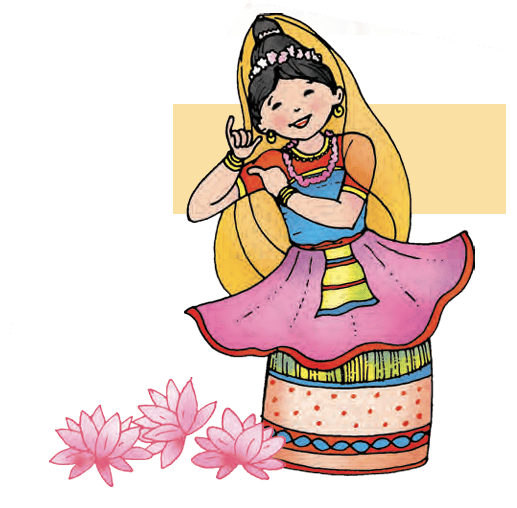
My name is Kamala.
I come from Karnataka.
I speak Kannada.
I play the Mridang.
Do you play any musical
instrument?
___________________
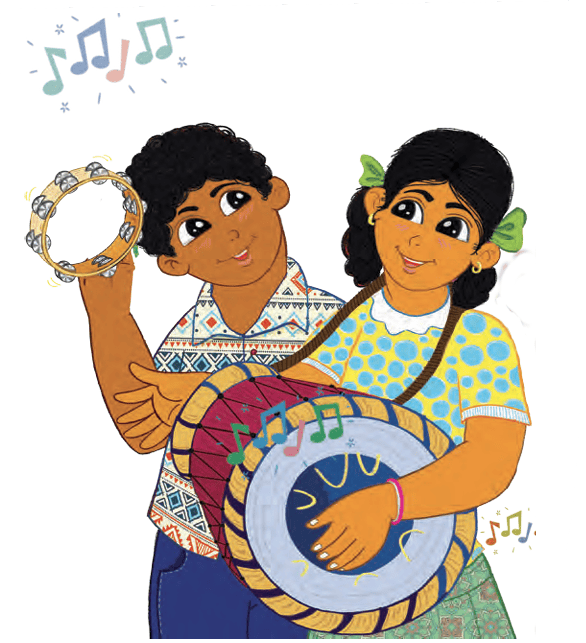
Bharti is my name.
I come from Andhra Pradesh.
I speak Telugu.
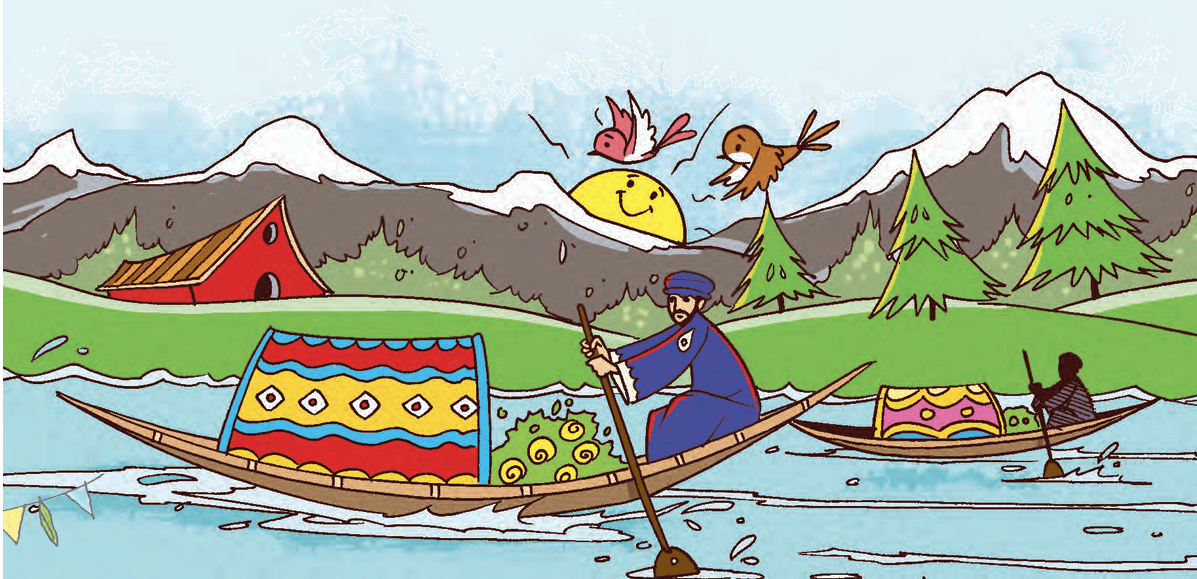
During my summer holidays
I go to Kashmir
and stay with my friends
Salma and Suresh.
Where do you go for your holidays?
___________________
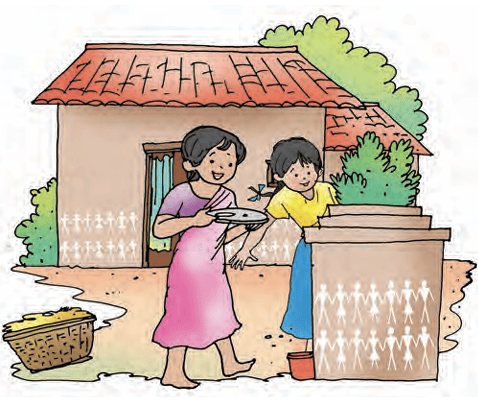
We are two sisters.
We belong to Odisha.
We speak Odia.
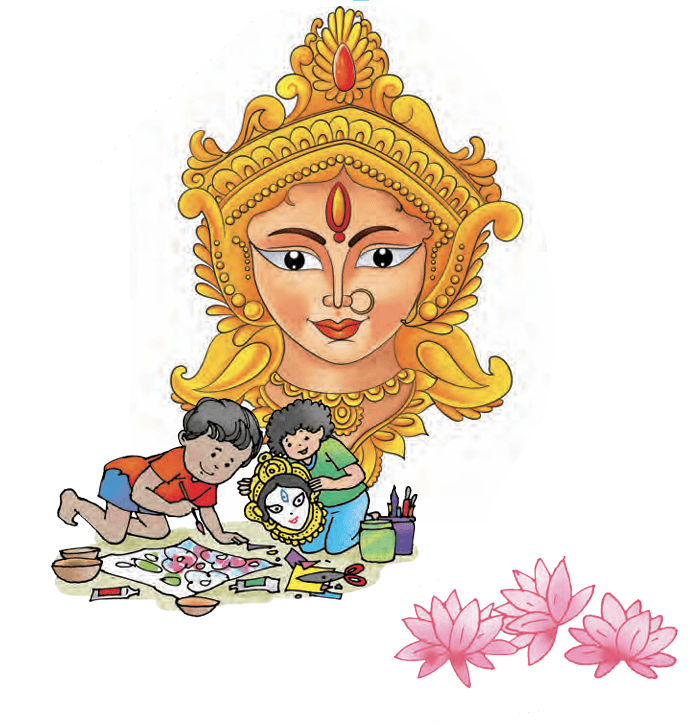
We decorate our walls and floors.
Do you have a sister or a
brother?
___________________
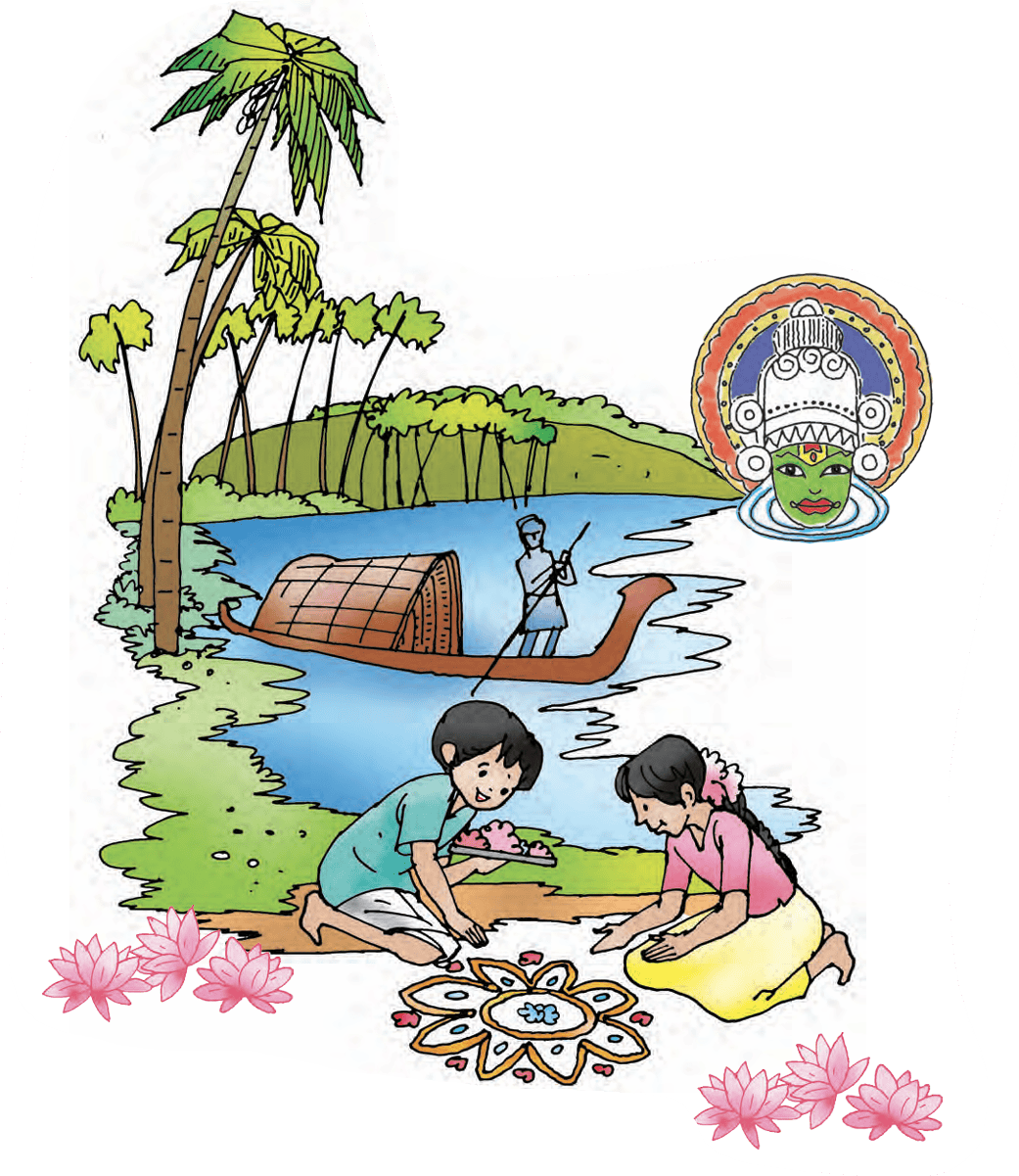
My name is Unni.
I come from Kerala.
I speak Malayalam.
My favourite tree is the coconut tree.
Which tree do you like?
___________________
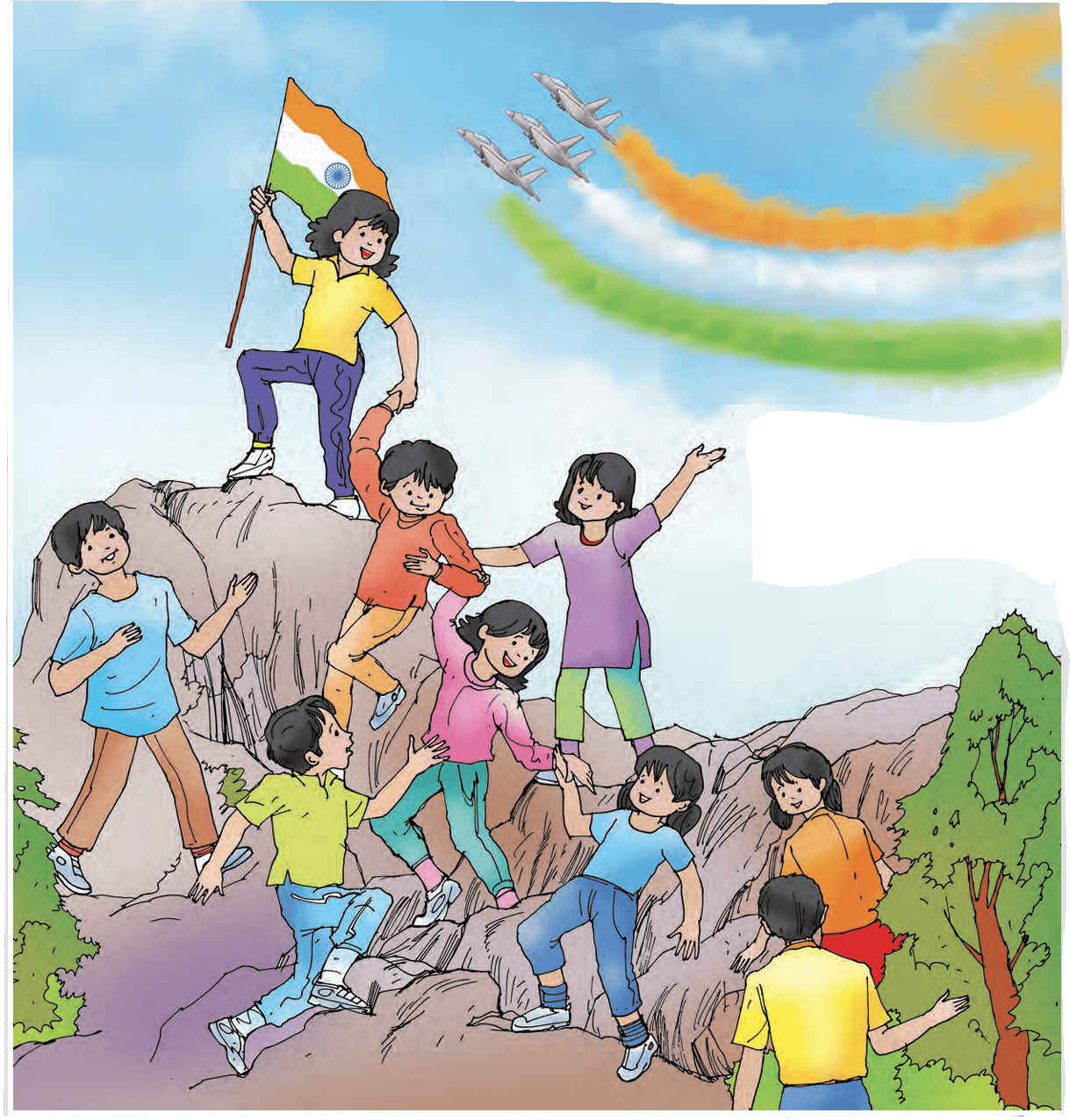
But we are
all Indians.
Each of us is
unique.
I come from Tamil Nadu.
I speak Tamil.
My favourite festival is Pongal.
What is your name?
___________________
I come from Gujarat.
I speak Gujarati.
I like to dance the Garba.
I am seven years old.
How old are you?
___________________
I come from Rajasthan.
I like wearing colourful clothes.
I enjoy seeing puppet shows.
I travel by camel.
How do you travel? ___________________
I come from Bengal.
I speak Bengali.
I like painting and music.
I study at Santiniketan.
Where do you study?
___________________
I come from Maharashtra.
I speak Marathi.
Once I visited Ellora and
Ajanta caves.
Have you travelled
anywhere?
___________________
I come from Punjab.
I speak Punjabi.
My neighbour Mallika
likes to do Bhangra.
Which dance do you like?
___________________
from Uttar Pradesh.
I have seen the Taj
Mahal.
Have you seen any
monument?
___________________
I come from Manipur.
I speak Manipuri.
What language do you
speak?
___________________
I come from Karnataka.
I speak Kannada.
I play the Mridang.
Do you play any musical
instrument?
___________________
I come from Andhra Pradesh.
I speak Telugu.
During my summer holidays
I go to Kashmir
and stay with my friends
Salma and Suresh.
Where do you go for your holidays?
___________________
We belong to Odisha.
We speak Odia.
We decorate our walls and floors.
Do you have a sister or a
brother?
___________________
I come from Kerala.
I speak Malayalam.
My favourite tree is the coconut tree.
Which tree do you like?
___________________
all Indians.
Each of us is
unique.
Note to the teacher
- Pause after each paragraph to allow learners to fill in the blanks. Help learners notice that answers are different, yet all are correct.
Let us speak
A. What do you say when:
1. You want to enter the classroom.
2. You want to visit the washroom.
3. You want to borrow a book from your friend.
4. You hurt someone by mistake.
5. You need a pencil and your friend gives you a pencil.
B. Choose a partner. Ask one another the following questions and reply accordingly.
6. What language do you speak?
7. Can you speak more than one language?
8. Which is your favourite dish?
9. Which is your favourite tree?
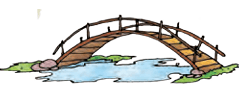
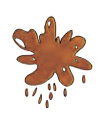
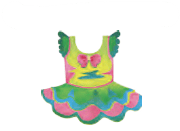
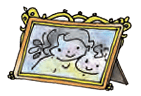
It was a bright sunny day. My brother went to buy bread. He crossed
the bridge to reach the shop.
______________________________
______________________________
______________________________
______________________________
______________________________
______________________________
1. What do we call the people who live in India?
______________________________
______________________________
2. Name the festival of colours. ______________________________
______________________________
3. Which festival do you like the most? Why?
______________________________
______________________________
B. Rearrange the jumbled letters. The answers will be the names of languages.
C. Join the given sentences using ‘but’.
For example:
Sentence 1: I like to eat mangoes.
Sentence 2: I don’t like to eat apples.
I like to eat mangoes but I don’t like to eat apples.
Now write answers for the given sentences in the same way.
Sentence 1: I like milk.
Sentence 2: I don’t like tea.
________________________
________________________
Sentence 1: My grandfather is old.
Sentence 2: He is strong.
________________________
________________________
Sentence 1: I wanted to go out.
Sentence 2: I was too tired. ________________________
________________________
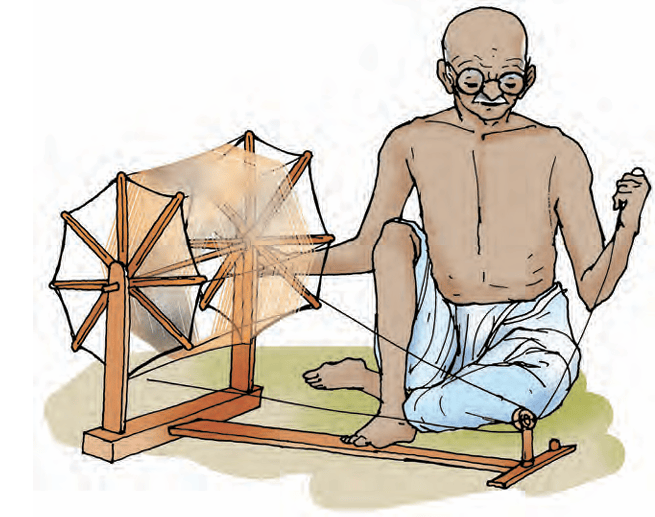
Scene: A classroom setting. Students of Class 2 enter the classroom. There is an unfamiliar object on the teacher’s table. Everyone is curious.
Anshika: Hey! Look at this! (pointing at the object)
Zoya: Does it belong to our teacher?
Rohan: But what is it?
Tejas: It looks like a bicycle to me but it has only one wheel.
Bhavya: And it has no handle.
Pamyo: There are no pedals as well.
Simran: And it is made of wood.
Bhavya: Why is there a thread on it?
Zoya: I do not know. Maybe we should ask the teacher.
They go round the table.
They start looking at the object from all sides.
Teacher enters.
Everyone: Namaste, Teacher.
Pamyo: (pointing to the object) Ma’am, what is this?
Teacher (smilingly): Do you know about Mahatma Gandhi? Do you know who he was?
Zoya: Ma’am, Mahatma Gandhi is the Father of the nation.
Teacher: Right! Gandhiji led the Indian Freedom movement.
Anshika: Gandhiji also gave the message of non-violence and peaceful existence.
Simran (pointing to the object on the table): But what about that?
Teacher (pointing to the object on the table): This object was very dear to Mahatma Gandhi. It is called the ‘Charkha’ or ‘Spinning wheel’.
Rohan: What is it used for, ma’am?
Teacher: Mahatma Gandhi used it to spin thread. (The teacher takes out handkerchief and shows it to the children) This is made of the thread that is spun on charkha. Mahatma Gandhi wanted to promote local handicrafts and used the charkha as a symbol for self-reliance and independence.
Today, a guest will join us.
He will show you how to spin the charkha.
All children clap with joy.
Match the fruits to the tree they grow on.
Phool Dei Festival
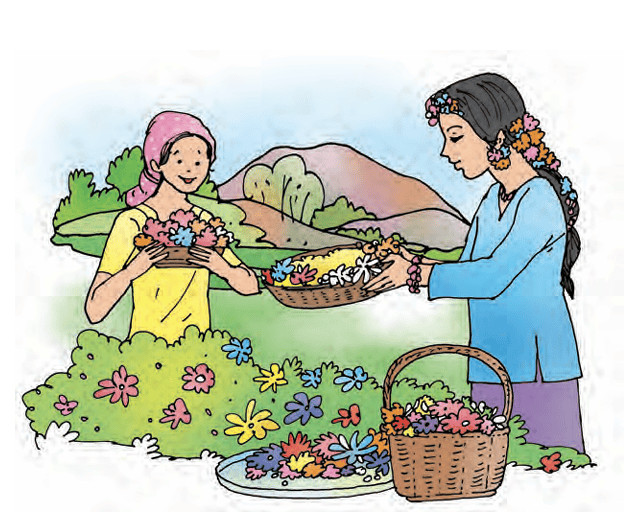
This is a festival of flowers. This festival marks the beginning of Spring. Children collect different kinds of flowers. They go to the houses near their home.They offer flowers to the elders. Sometimes they keep the flowers on the doorstep. The elders give them rice and jaggery.
Sharad Poornima
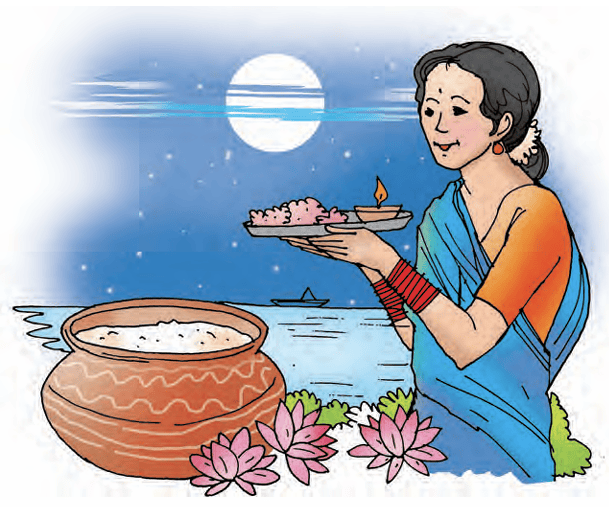
Sharad Poornima is celebrated on a full moon night. It is celebrated in
the month of Ashvin (September-October). The weather is generally pleasant. Sharad Poornima marks the ending of the monsoon season.
Aadi Perukku
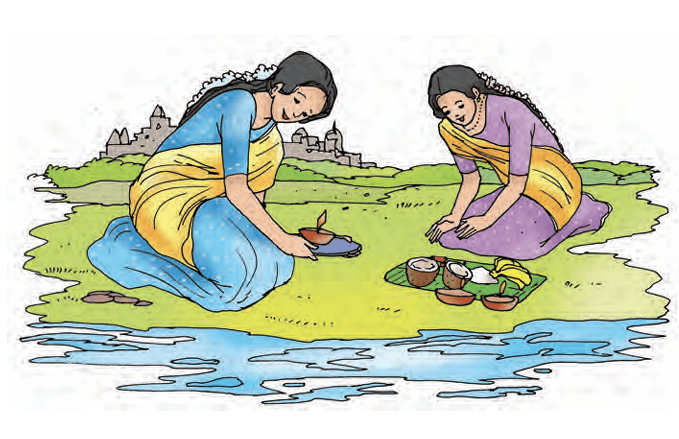
Aadi Perukku is a Tamil monsoon festival. It is celebrated in the Aadi month (July August) People worship the river Cauvery. Farmers pray for a good harvest.
Pang Lhabsol
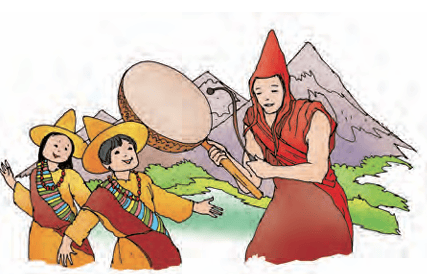
Pang Lhabsol is a festival of Sikkim. This festival is celebrated in the month of August or September. Mt Kanchenjunga is worshipped on this day. Mt Kanchenjunga is considered as a protector by the worshippers. People dance and celebrate.
A. Ask your parents or grandparents or your relatives about a folk song or local song that they used to sing in their village. Ask them when they used to sing it. Also learn the song in your mother tongue and then sing it in the class. Present it in the following format.
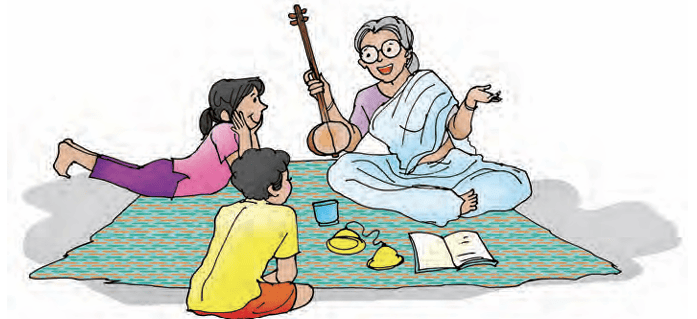
1. My name is __________
2. My parents or grandparents belong to __________(name of the village or state)
3. My mother tongue is __________
4. The main idea of my song is __________ Then sing the song.
1. You want to enter the classroom.
2. You want to visit the washroom.
3. You want to borrow a book from your friend.
4. You hurt someone by mistake.
5. You need a pencil and your friend gives you a pencil.
B. Choose a partner. Ask one another the following questions and reply accordingly.
6. What language do you speak?
7. Can you speak more than one language?
8. Which is your favourite dish?
9. Which is your favourite tree?
Note to the teacher
- You may give extra prompts for the questions wherever required or intervene with a positive note. If at times children answer in their mother tongue accept it, but help them out to give response in English.
- Let children come to know that they can speak more than one language (even if it is only a few words or sentences).
Let us draw
A. Draw one thing that you like the most in your home.
Let us speak
 |
 |
 |
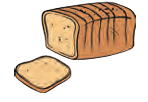
| bread | bridge | brown |
 |
 |
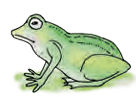 |
| frock | frame | frog |
Let us listen
Frame sentences using the above set of words. One has been done for you.It was a bright sunny day. My brother went to buy bread. He crossed
the bridge to reach the shop.
______________________________
______________________________
______________________________
______________________________
______________________________
______________________________
Note to the teacher
- The school may invite a local folk musician to sing or play a musical instrument for the children. Children may learn a simple song. They may also interact with the musician and touch musical instrument.
Let us write
A. Discuss with your teacher and answer the following questions.1. What do we call the people who live in India?
______________________________
______________________________
2. Name the festival of colours. ______________________________
______________________________
3. Which festival do you like the most? Why?
______________________________
______________________________
B. Rearrange the jumbled letters. The answers will be the names of languages.
| 1. INHDI | ________ |
| 2. GNIELHS | ________ |
| 3. RUUD | ________ |
| 4. ELUTGU | ________ |
For example:
Sentence 1: I like to eat mangoes.
Sentence 2: I don’t like to eat apples.
I like to eat mangoes but I don’t like to eat apples.
Now write answers for the given sentences in the same way.
Sentence 1: I like milk.
Sentence 2: I don’t like tea.
________________________
________________________
Sentence 1: My grandfather is old.
Sentence 2: He is strong.
________________________
________________________
Sentence 1: I wanted to go out.
Sentence 2: I was too tired. ________________________
________________________
Note to the teacher
- Provide regular and frequent practice of the above sentence structure.
Something New
Anshika: Hey! Look at this! (pointing at the object)
Zoya: Does it belong to our teacher?
Rohan: But what is it?
Tejas: It looks like a bicycle to me but it has only one wheel.
Bhavya: And it has no handle.
Pamyo: There are no pedals as well.
Simran: And it is made of wood.
Bhavya: Why is there a thread on it?
Zoya: I do not know. Maybe we should ask the teacher.
They go round the table.
They start looking at the object from all sides.
Teacher enters.
Everyone: Namaste, Teacher.
Pamyo: (pointing to the object) Ma’am, what is this?
Teacher (smilingly): Do you know about Mahatma Gandhi? Do you know who he was?
Zoya: Ma’am, Mahatma Gandhi is the Father of the nation.
Teacher: Right! Gandhiji led the Indian Freedom movement.
Anshika: Gandhiji also gave the message of non-violence and peaceful existence.
Simran (pointing to the object on the table): But what about that?
Teacher (pointing to the object on the table): This object was very dear to Mahatma Gandhi. It is called the ‘Charkha’ or ‘Spinning wheel’.
Rohan: What is it used for, ma’am?
Teacher: Mahatma Gandhi used it to spin thread. (The teacher takes out handkerchief and shows it to the children) This is made of the thread that is spun on charkha. Mahatma Gandhi wanted to promote local handicrafts and used the charkha as a symbol for self-reliance and independence.
Today, a guest will join us.
He will show you how to spin the charkha.
All children clap with joy.
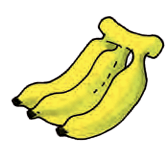 |
banana | coconut tree | 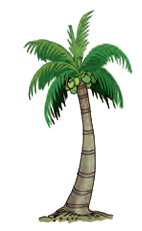 |
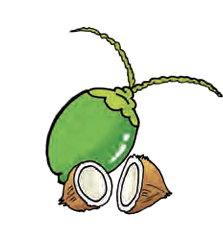 |
coconut | apple tree | 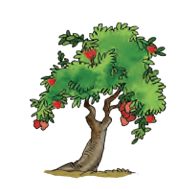 |
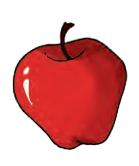 |
apple | banana tree | 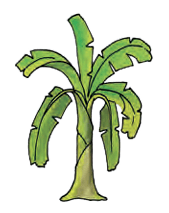 |
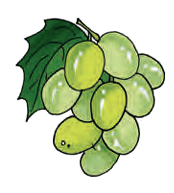 |
grapes | mango tree | 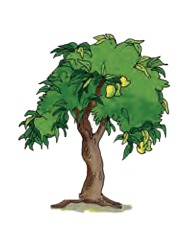 |
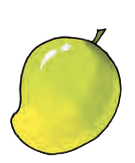 |
mango | grapevine | 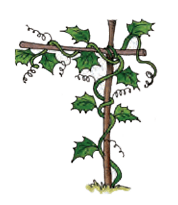 |
Note to the teacher
- Talk about Vanmahotsav and any local festival that focuses on conservation of trees.
The sun is the source of energy on the earth. Do you know any festival that respects the sun?
Note to the teacher
- Let children know of any festival that shows respect to the sun.
- At the eve of any local festival, explain to children the significance of the festival.
Project work
Format for presentation
2. My parents or grandparents belong to __________(name of the village or state)
3. My mother tongue is __________
4. The main idea of my song is __________ Then sing the song.
Note to the teacher
- Help children with the presentation.
- Help children notice the diversity of languages in the classroom.
Notes