
Unit 5- Our Environment
Unit 9- Different Lands, Different Lives
About the Unit
This unit familiarises students with various land forms, lives and wide range of activities around them. It also introduces the sky including the Sun, the Moon and the stars.
The world around us is full of wonders, from the land we walk on to the vast sky. ‘Our Environment’ invites students to explore the deep connection between nature and the everyday life. The experience of students in different landforms like plains, deserts, coastal regions and mountains enables them to discover how the natural set up in these places shape what they eat,wear and celebrate. Students will also be able to explore the unique plants and animals in these regions, gaining a better understanding of how nature and culture are linked.
They will also look at the sky — the Sun, the Moon and the stars, and related cultural practices. Through observation, hands-on activities and creative expressions, students will be able to enrich their creative and analytical skills. They will also develop a deeper appreciation for both the natural world and the societies, they are part of.
Note to the Teacher
This unit consists of chapter 9 — Different Lands, Different Lives, and chapter 10 — Our Sky. The key concepts covered in these chapters are listed below.
Chapter 9
• ‘Different Lands, Different Lives’ helps to discover the beauty of diverse landforms by bringing special experiences from plains, deserts, coastal regions and mountains. It will enable students to realise how these landscapes influence the way people in these areas live, from their food and clothing to their houses and festivals. Students will be able to explore the unique plants and animals of these regions, and connect with their local surroundings and deepen their understanding of socio-cultural relationship with nature.
Chapter 10
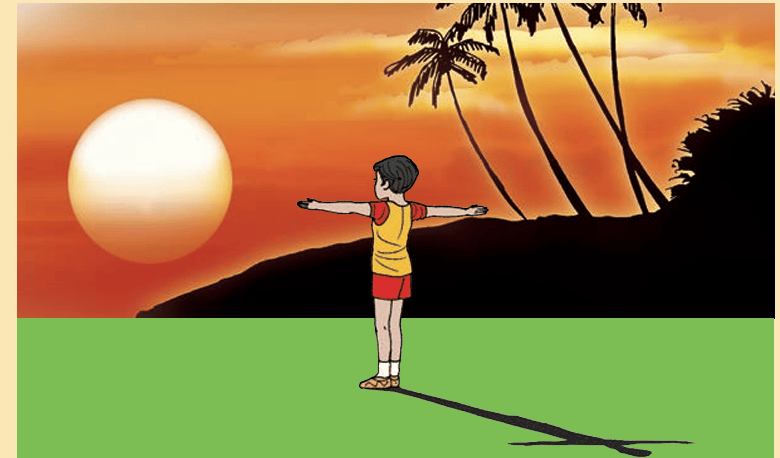
• ‘Our Sky’ sparks curiosity about the wonders of the sky and the celestial objects like the Sun, the Moon and the stars. Through observation and activities, children will be able to explore, and appreciate the related cultural practices and festivals. They will also observe the shadows formed at different times of the day and derive the cause of their changing lengths.
Teacher to Facilitate
• Encourage students
to share their travel
experiences in the
classroom. Guide them to
create unique decorative
items using materials from
places they had visited
and also locally available
materials. Help students to
conduct hands-on activities
with torchlight and explore
the shadows.
• Assign students to observe
the Moon for a few days and
sketch its changing shapes.
Encourage them to draw
star patterns they see at
night.
• Arrange a stargazing
session or a visit to a
planetarium to deepen the
students’ understanding of
celestial patterns.
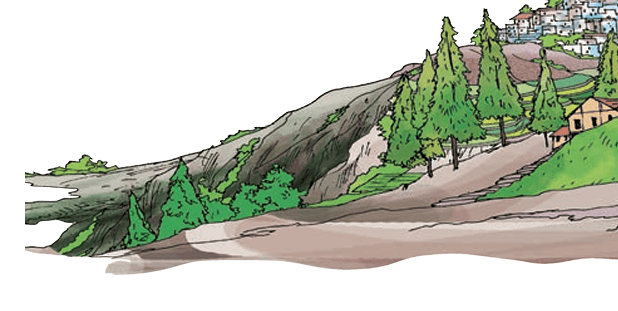
chapter-9
Different Lands, Different Lives
Back to School from Holidays
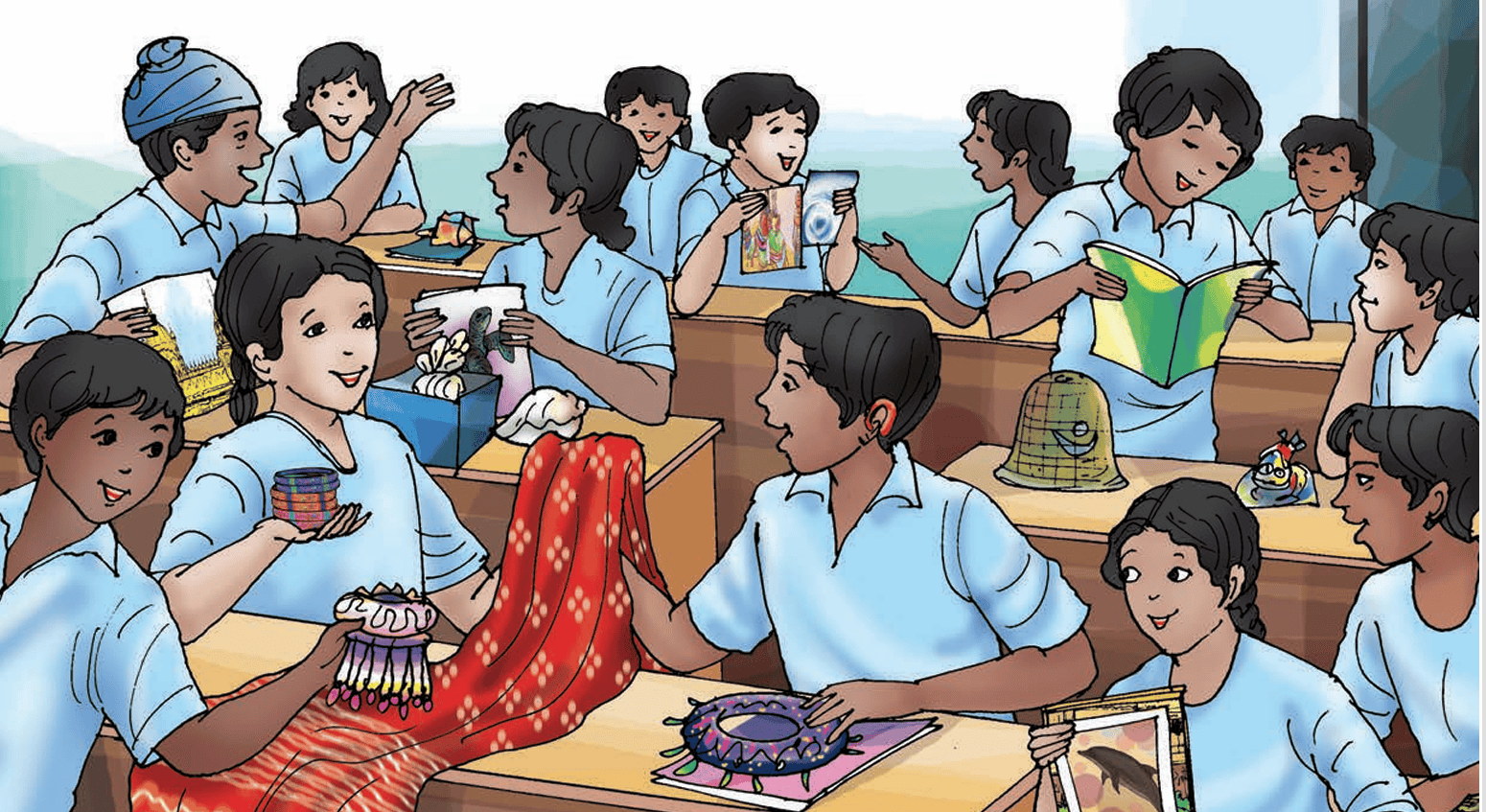
The classroom was filled with excitement as children talked amongst themselves about their holidays. The desks were filled with colourful pictures and items from the places the children had visited. The teacher asked them to share their experiences.
Chandni talked about her visit to a beach in Odisha. Ritika described her experiences in the desert of Rajasthan, while Gurpreet told stories about a visit to his grandparents’ house in Amritsar, Punjab. Finally, Nayan read out from his diary describing his visit to the majestic mountains of Sikkim.

You might have visited some places during your vacation. Write the name of the places and something special about them. Ask two or three of your friends about the places they had visited, and fill the table given below.
| Name of the friend | Name of the place | Types of regions (mountains, plains, coastal region, desert, etc.) | Something special about the place |
| Friend 1 | Mountain | Pine trees | |
| Friend 2 | |||
| Friend 3 | |||
| Friend 4 | |||
| Your Name |
- Which type of place do you find interesting?
- What similarities and differences do you find in the place you visited, and those visited by your friends?
Encourage students who stayed at home during vacation to participate in the discussion. Ask them to share their experiences about the places near their house, and to mention their local culture, food, activities, etc.
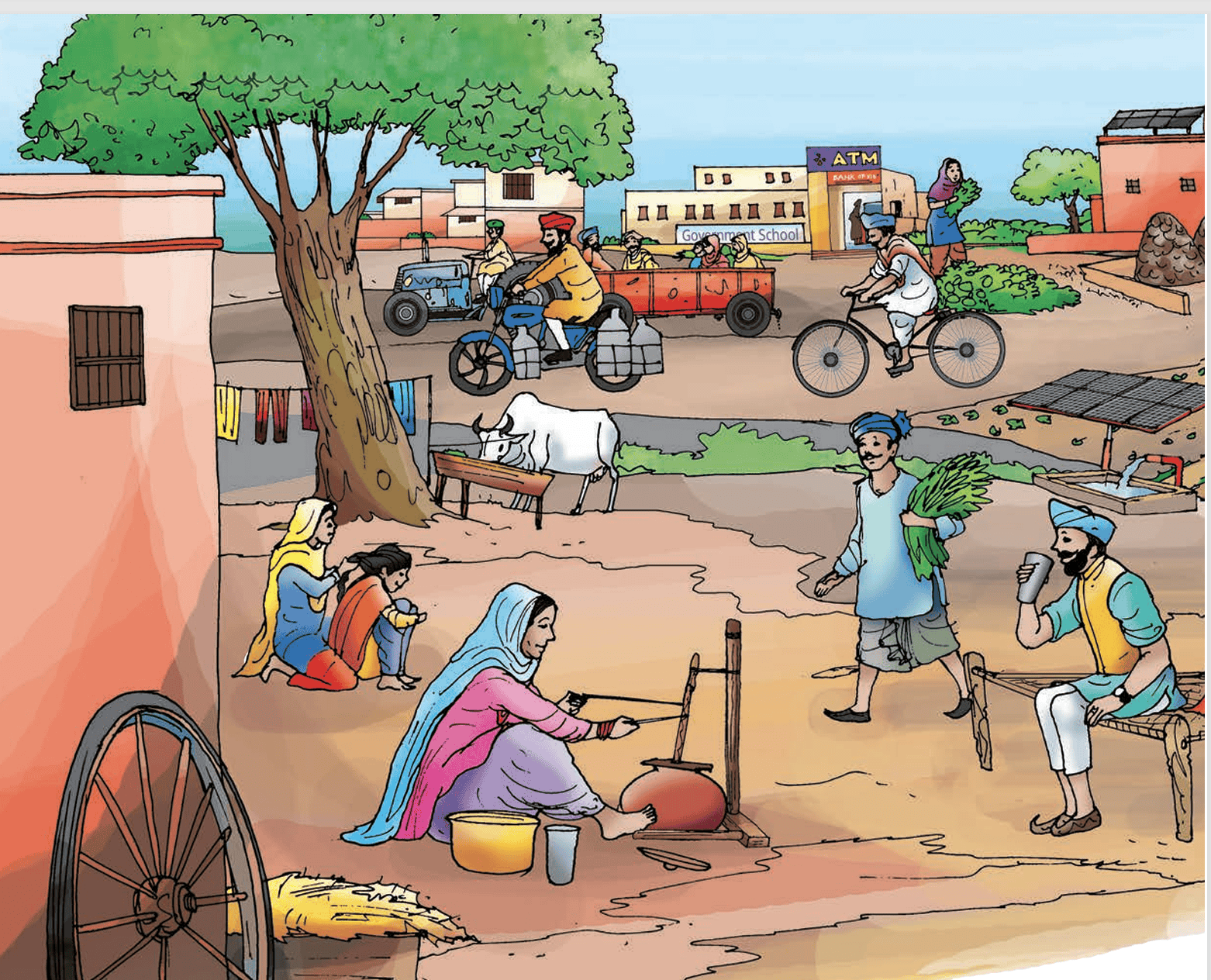
In the Land of Agriculture, with Gurpreet

Look at the picture above and write your observations:
- 1. What kind of land do you see in the picture?
- 2. List the activities that people are engaged in.
- 3. Which animals do you see in the picture?
- 4. Do you notice anything unique about the clothing of the people?
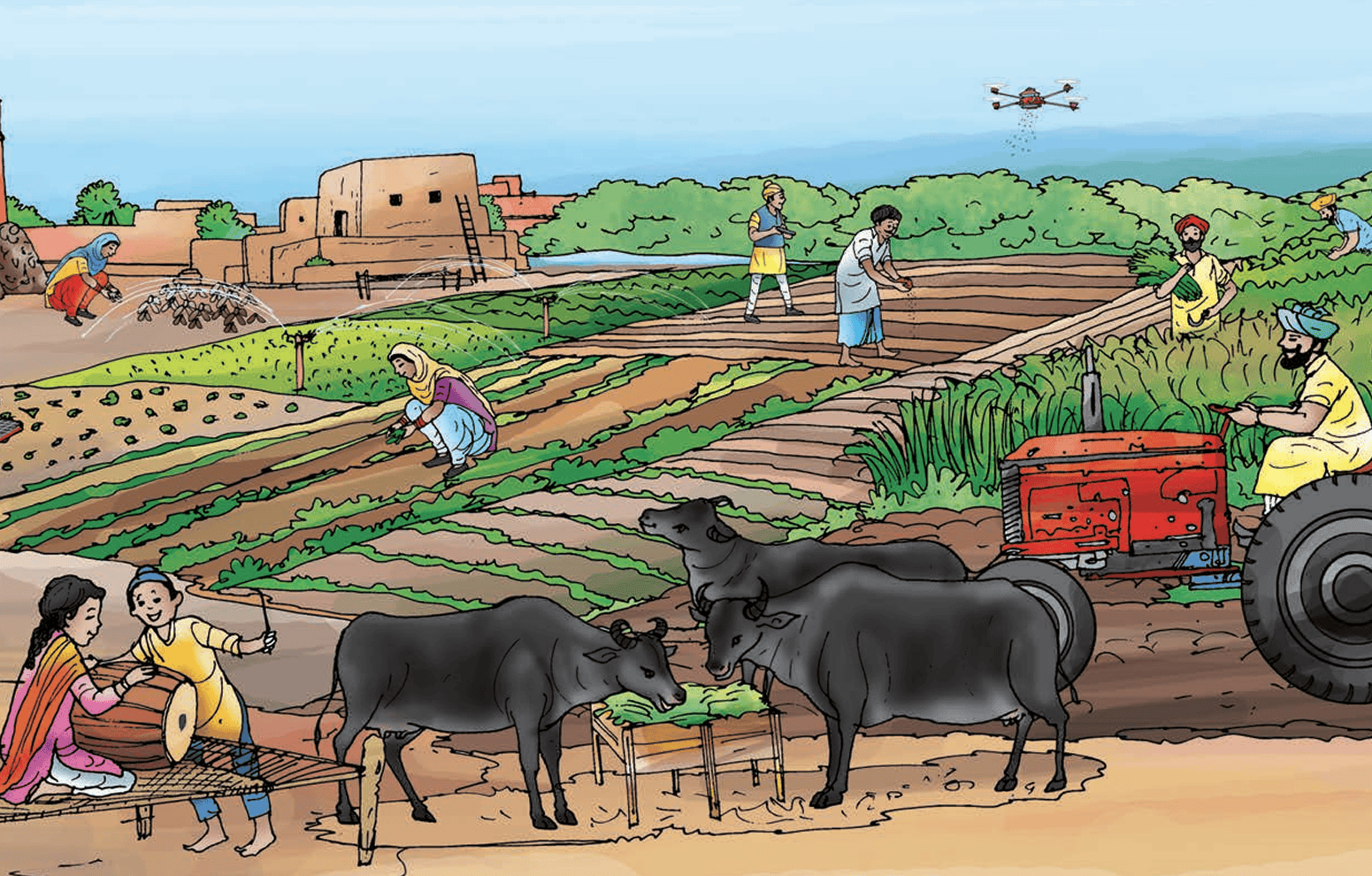
Gurpreet exclaimed,“Jee aayan nu puttar!” (Welcome my dear child!). He beamed with a smile and said that his grandmother welcomed him with these words. Gurpreet told his friends that there were large fields in the plains of Amritsar. The soil was rich and fertile, and many people were engaged in farming. He added, “Their favourite food is makki di roti (roti made with corn flour) and sarson da saag (made from mustard leaves) along with a big glass of lassi ”.
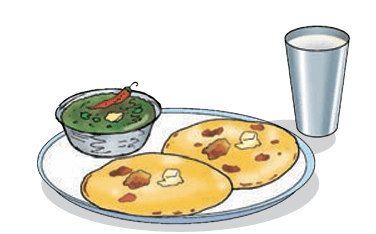
1. What is the most popular food in your region? Can you list the main ingredients used in its preparation?
Name of the food item: _____________
Ingredients: _____________
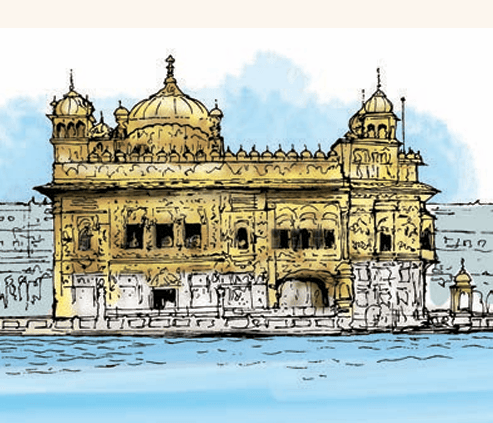
The Golden Temple, also known as Sri Harmandir Sahib, is one of the most important Gurudwaras of the Sikhs. The structure of the Gurudwara is gold plated and has a serene sarovar (water tank) surrounding it. The Golden Temple offers a langar sewa (community kitchen service) which serves free meals to all. It is one of the world’s largest community service operations, where people volunteer to cook, serve and wash the dishes.
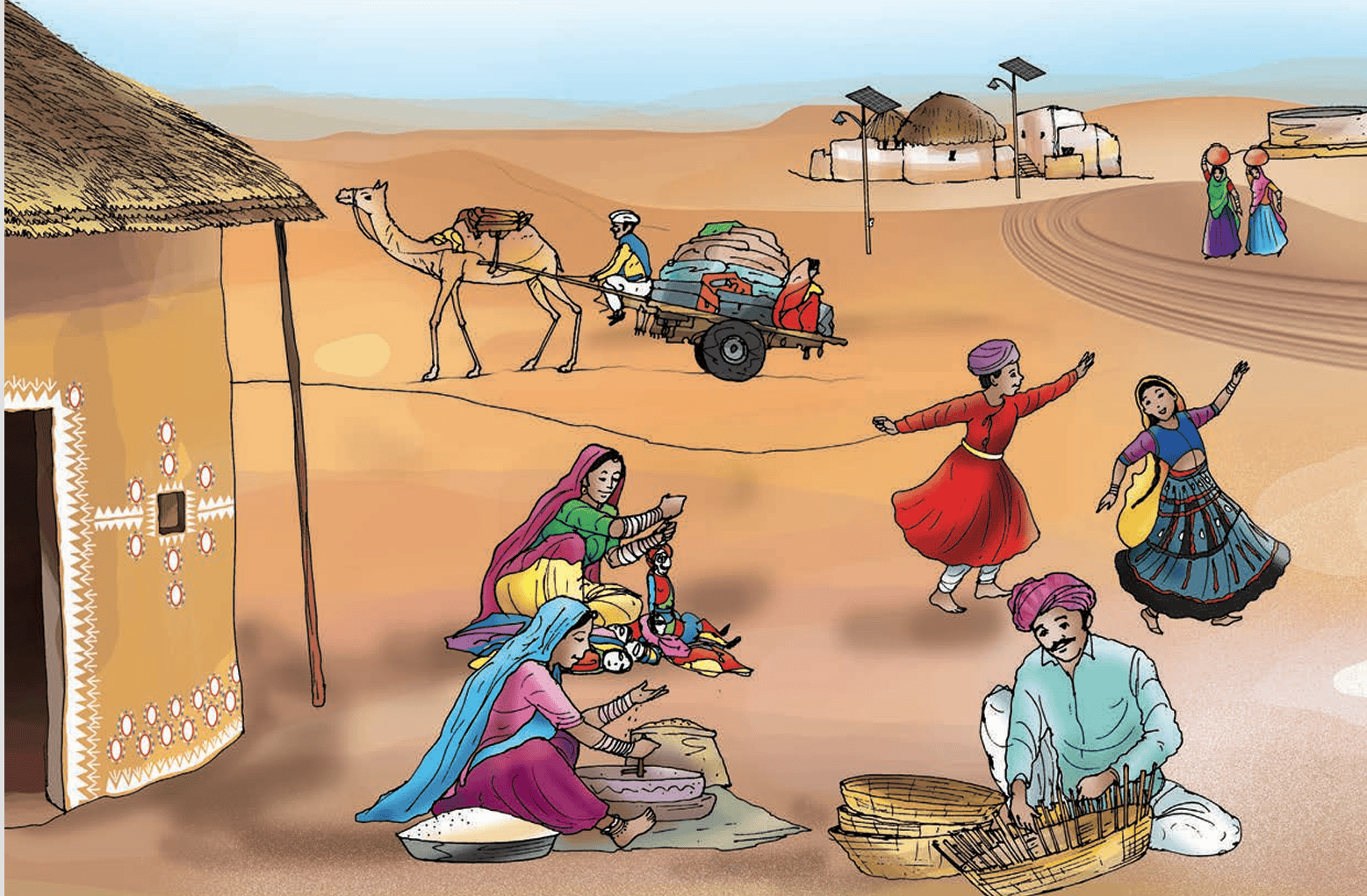
In the Land of Endless Sand, with Ritika
Look at the following picture and write your observations.
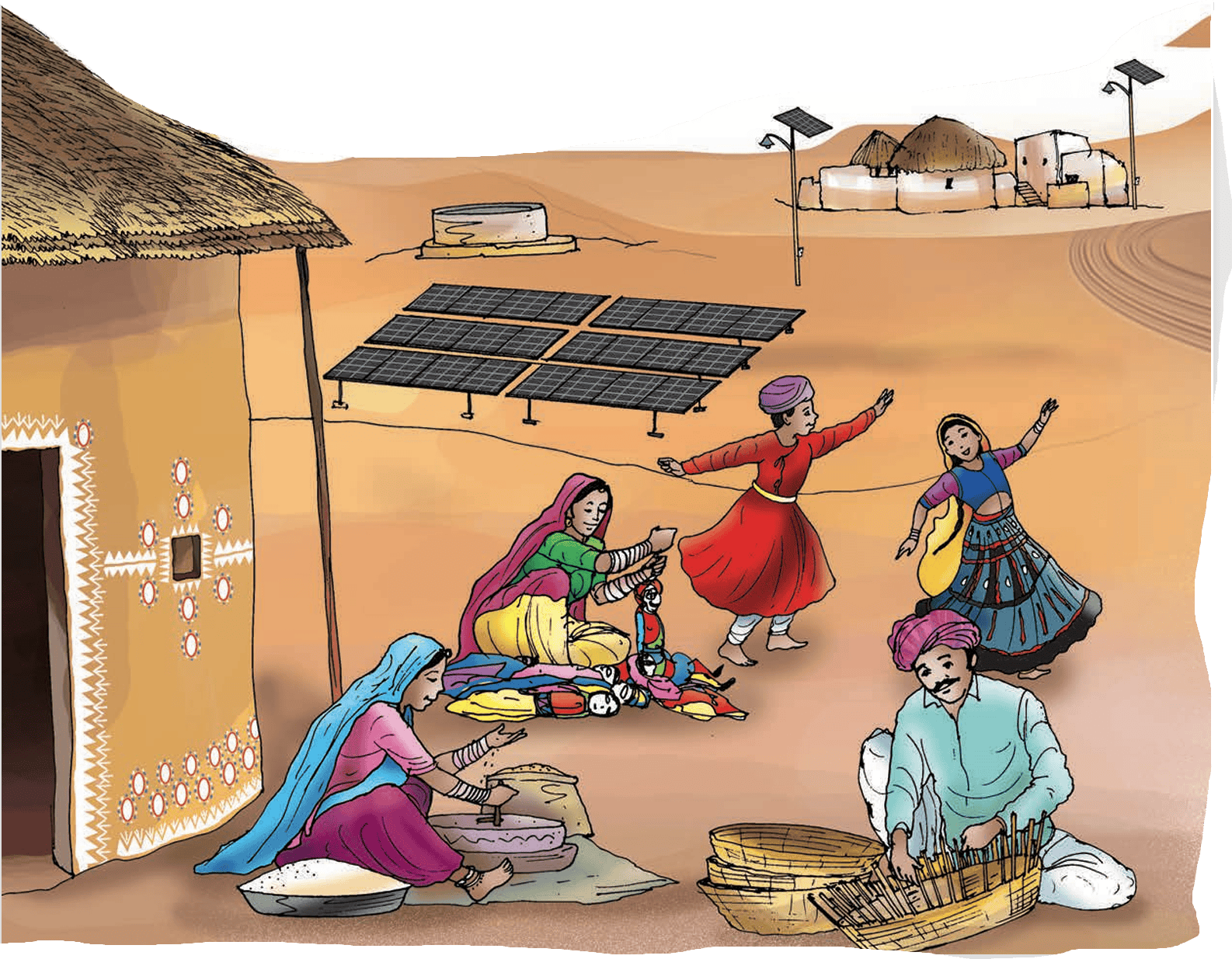
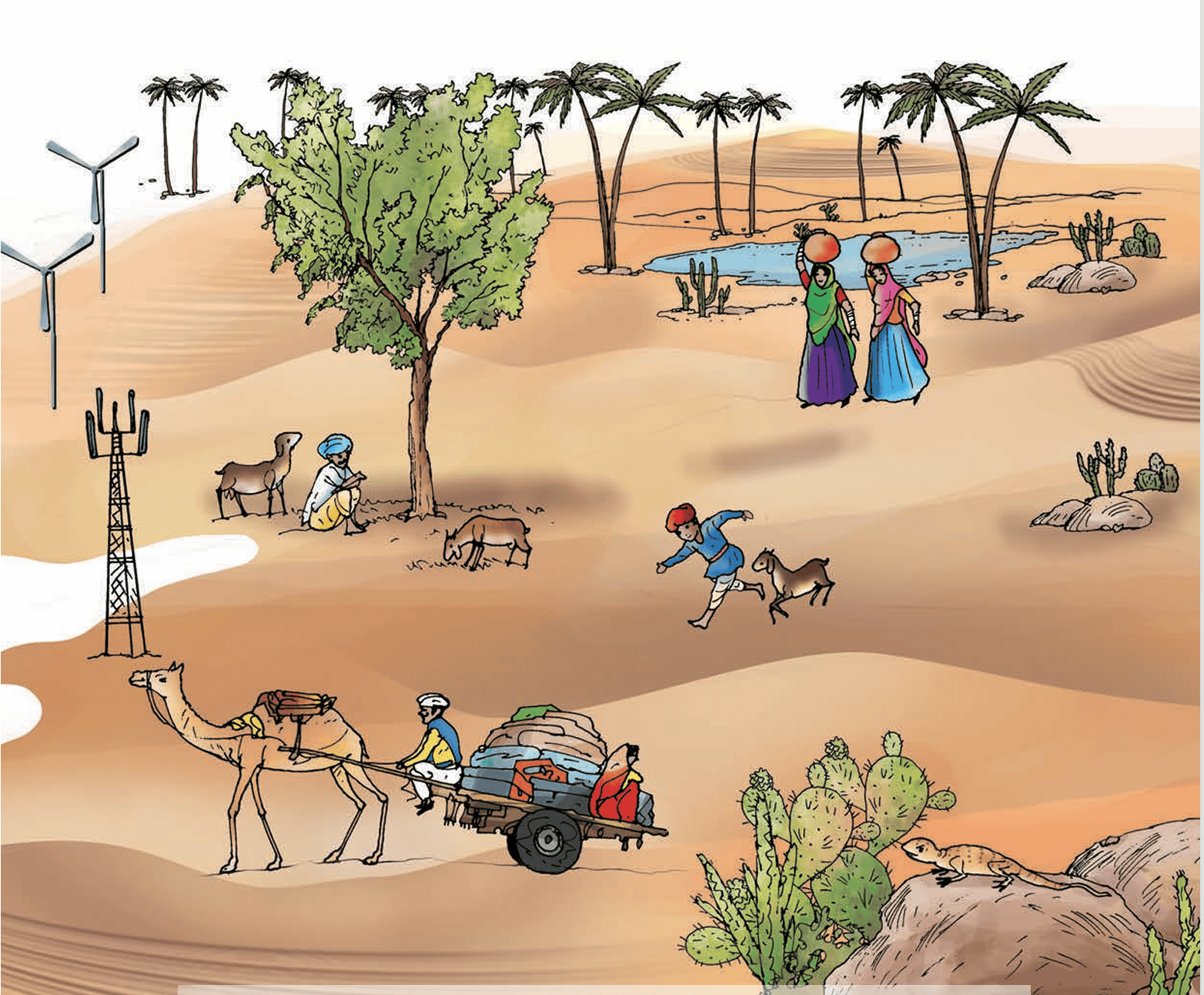
- 1. What kind of land do you see?
- 2. What types of plants do you see in the picture? How
- are they different from the plants you see in your
- locality?
- 3. Is there something unique about the way people in this village are dressed?
- 4. How do you think people travel in deserts?
- 5. What do you like the most in the picture?
 A desert is a dry
place with very little
rainfall. Different kinds
of plants like the cactus,
khejri and babool grow
in these areas. They can
survive on very little
water. Some plants
such as the cactus store
water in their stems.
A desert is a dry
place with very little
rainfall. Different kinds
of plants like the cactus,
khejri and babool grow
in these areas. They can
survive on very little
water. Some plants
such as the cactus store
water in their stems.
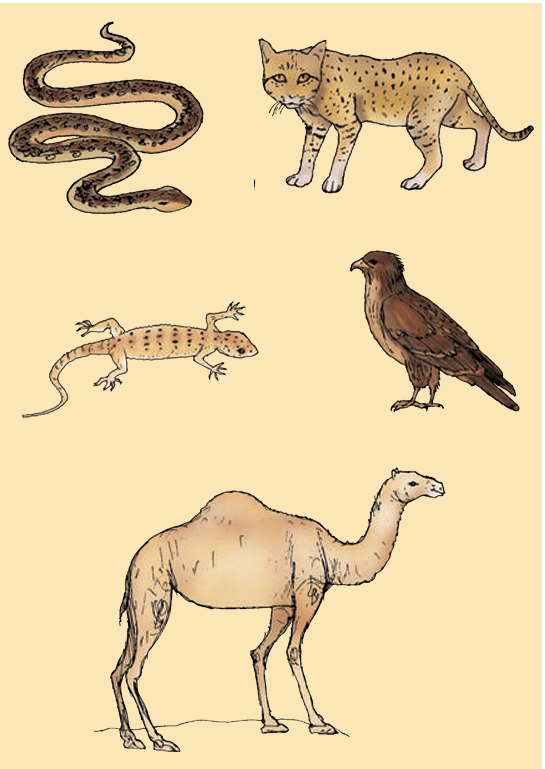
Animals and birds like camels, lizards, wild cats, pythons and eagles are found in the deserts. The camel is called the ship of the desert.
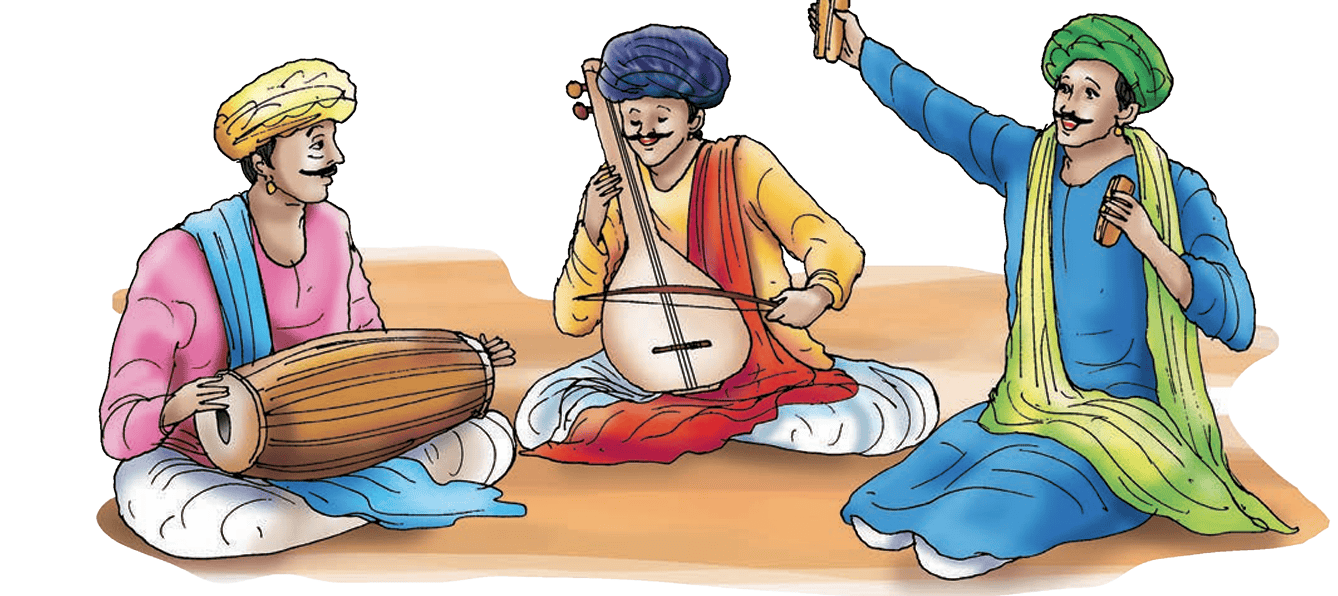
Ritika showed the colourful bangles and a bandhini dupatta that she had brought from Rajasthan. “Women wear these with beautiful ghaghras while dancing. Men wear colourful turbans, and play the khartal and sarangi.”
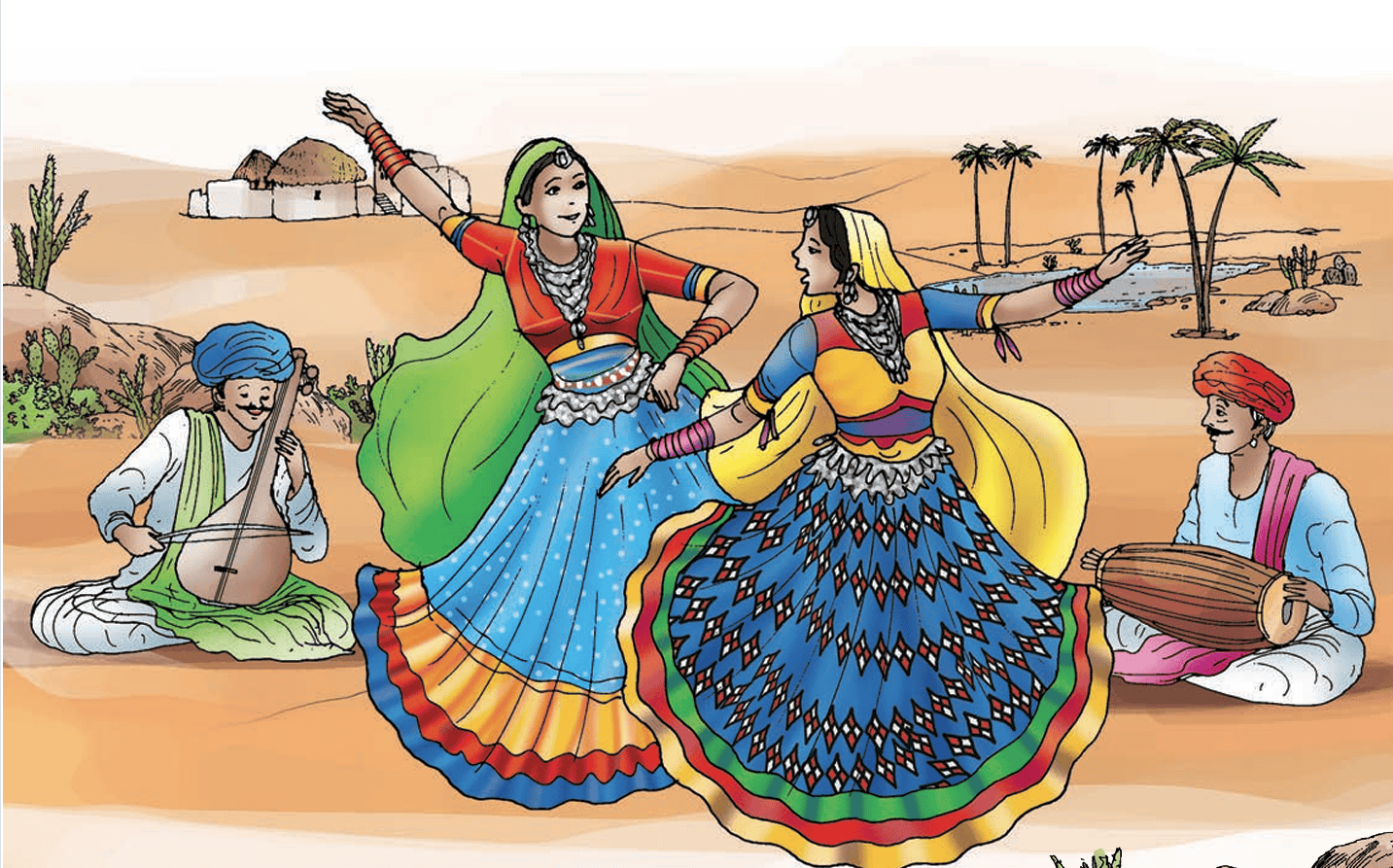

Ask your family members about the folk songs and dances from your region, and note them down in the table below.
| Dance form | Folk music |
|---|---|
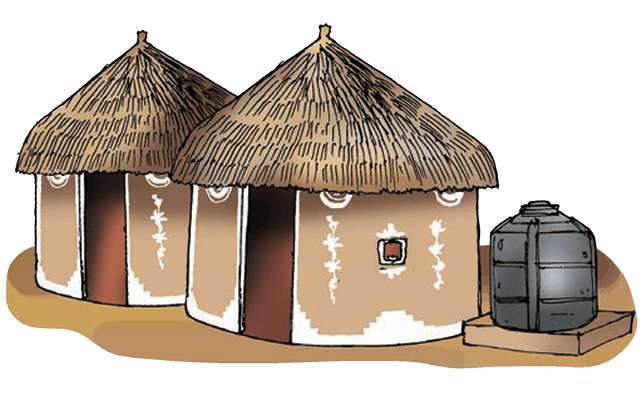
Traditional houses in the desert are made of mud and thatched roofs. Many of the houses also have tankas (water tanks) for storing water. Some of the popular delicacies of the state are dal-bati-churma and ker sangri.
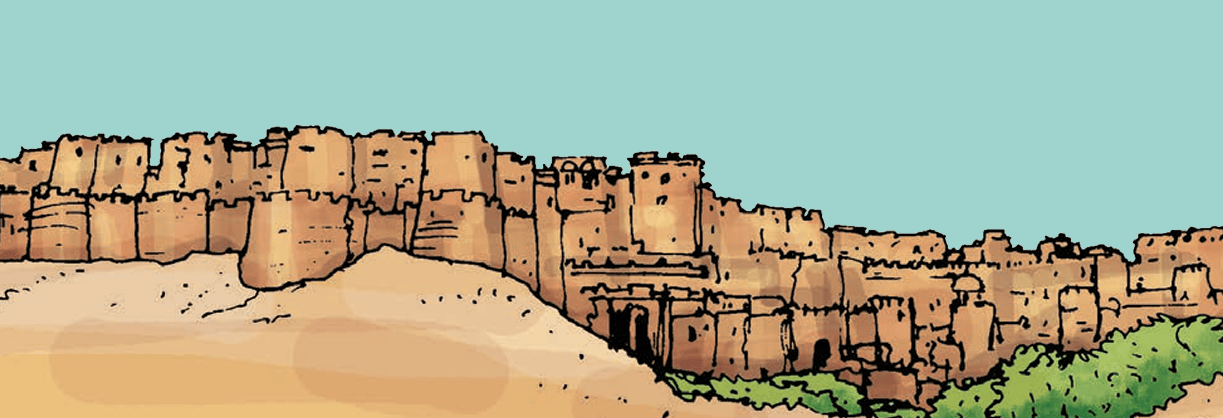
Jaisalmer Fort
The Jaisalmer Fort is an example of a desert fort, with tall and thick walls made of golden coloured sandstone. The fort also stands out as one of the inhabitated forts in the region. Satyajit Ray shot this fort extensively in his movie, Sonar Kella’.
Why do you think water is scarce in the desert?
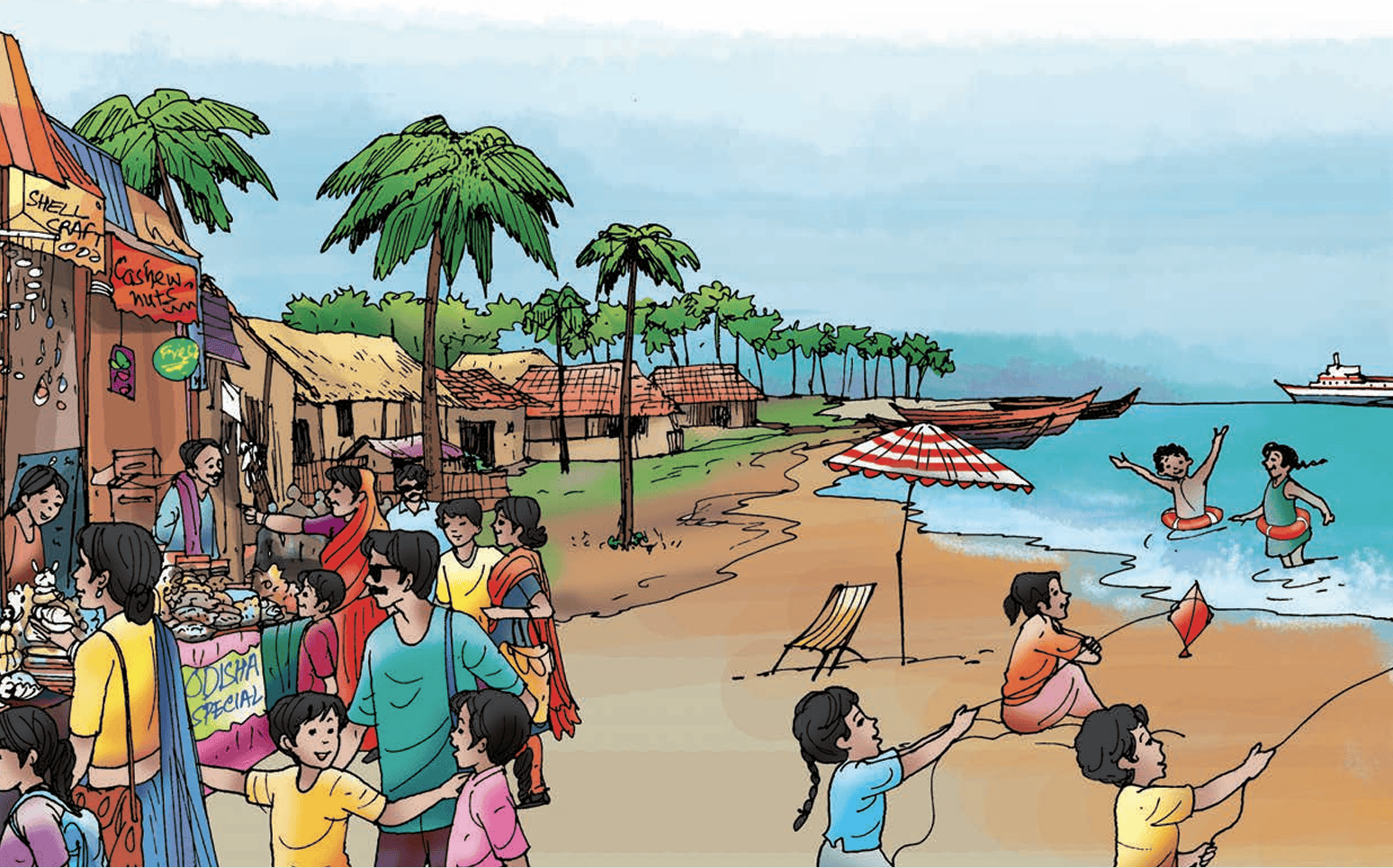

On the Seashore, with Chandni
Look at the picture given below and write your observations.
- 1. List the different kinds of activities that the people are doing.
- 2. What kinds of trees are found near the sea, and
- how are they different from those in the deserts
- and plains?
- 3. List the fun activities you would like to do on a beach.
- 4. What is special about the dresses people wear in the coastal regions?
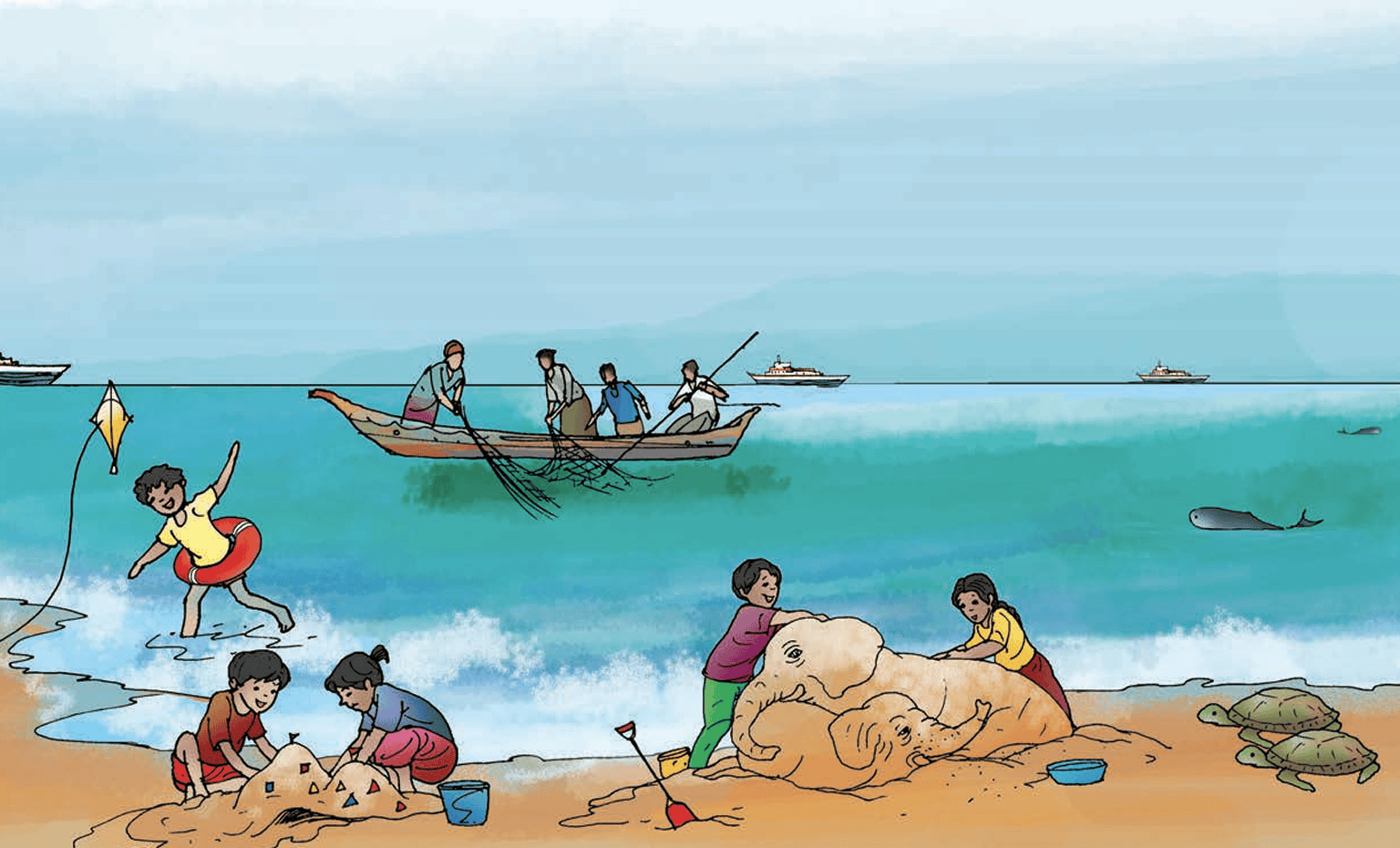
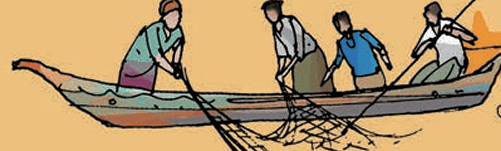 |
07:00 AM Saw fishermen riding in boats in the vast sea. |
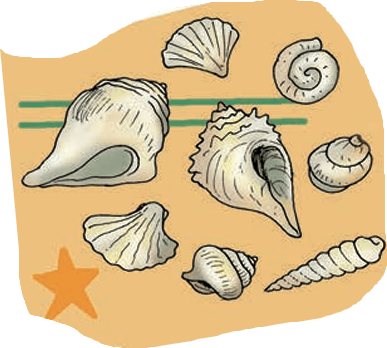 |
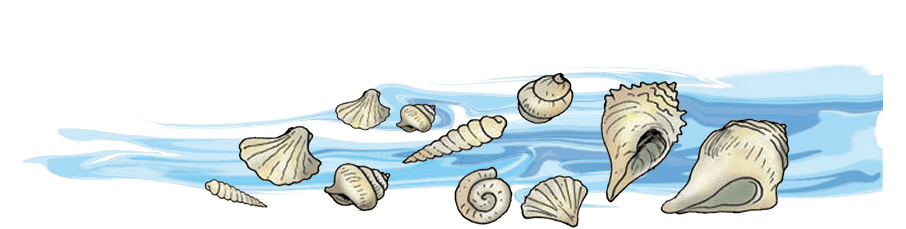
08:00 AM Collected sea shells on the sea shore. |
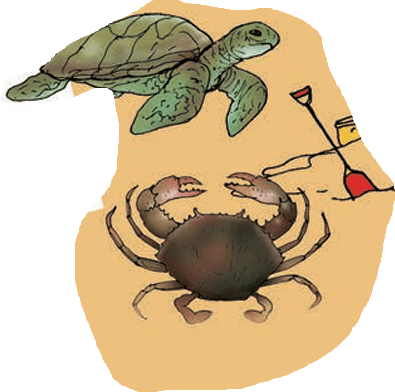   |
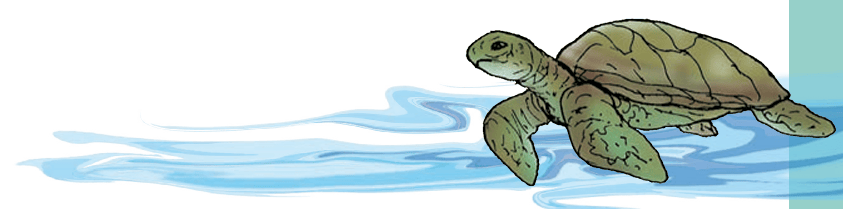
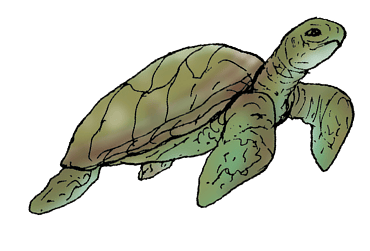
10:50 AM Went for a boat ride, and saw turtles and many other wonderful creatures. |
| 12:30 PM Mother bought a Sambalpuri saree. |
|
 |
04:00 PM
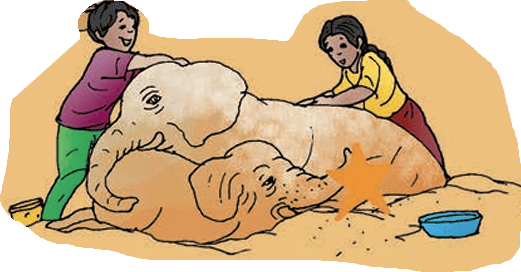
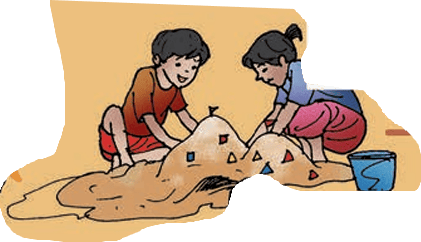
Enjoyed sand art on the beach. |
| 7:00 PM Watched an Odissi dance performance. |
In the coastal regions, many people depend on fishing for their livelihood. People of Odisha enjoy traditional dishes, such as dalma, pakhala, chhena poda, rasagola, etc.

Let us Create
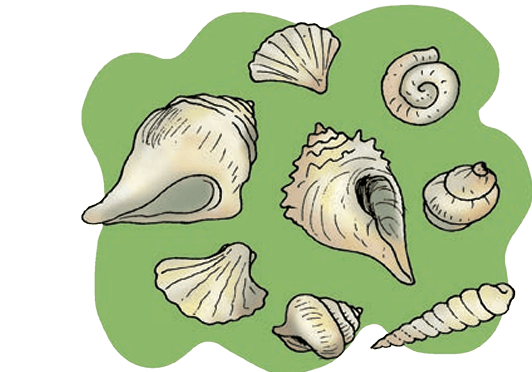
Use one coastal item to create a fun decor object like a photo frame, a necklace, a painted pebble, a mini basket or a sand art jar. Add your own creative twist and display your work in the class! You can use any other locally available materials to create the decor items.
Shree Jagannath Temple
Shree Jagannath Temple in Puri is one of the most popular temples in India. It is a beautifully carved temple, with huge gates. The city of Puri is famous for Rath Yatra, a grand chariot festival where thousands of people joyfully pull huge, colourful chariots of the deities — Jagannath, Subhadra and Balabhadra.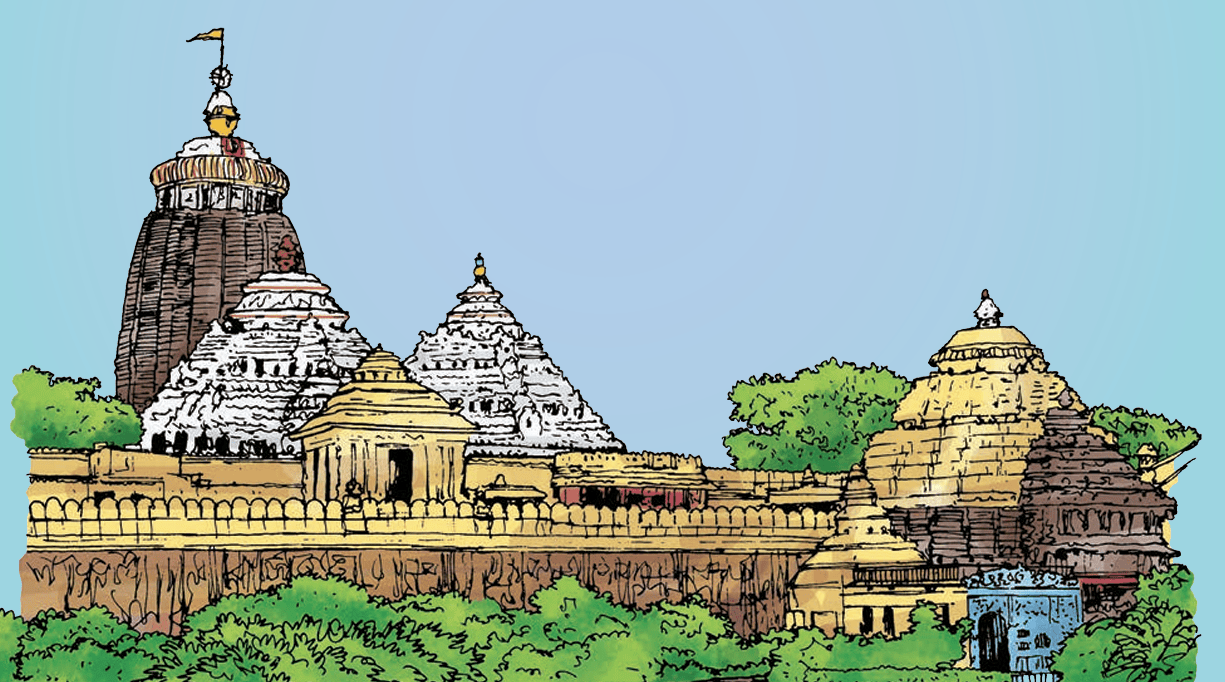

- 1. Write your observations on how the life around a
- coastal region differs from the life in a desert.
- 2. Why is it important to keep our beaches clean?

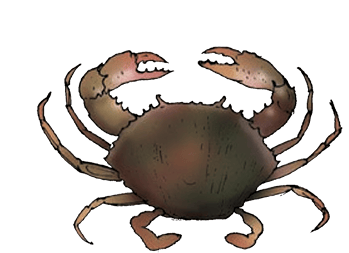
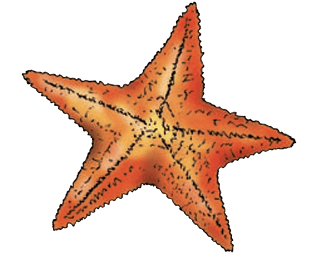
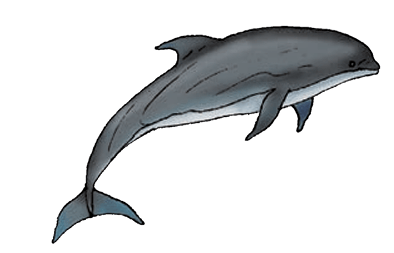
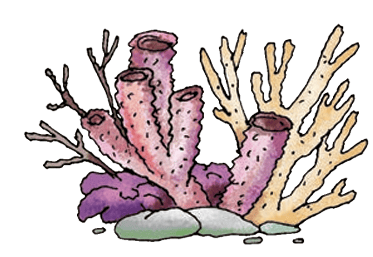
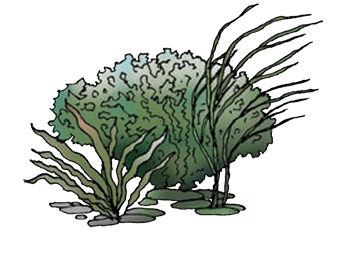
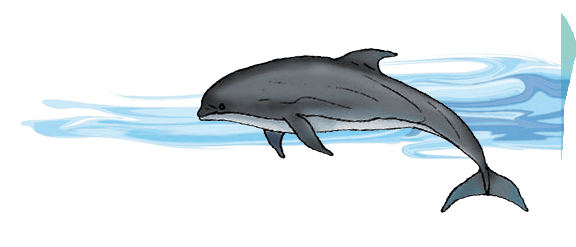
Can you identify these creatures?
 |
—————————— |
 |
—————————— |
 |
—————————— |
 |
—————————— |
 |
—————————— |
 |
—————————— |
Living with Challenges
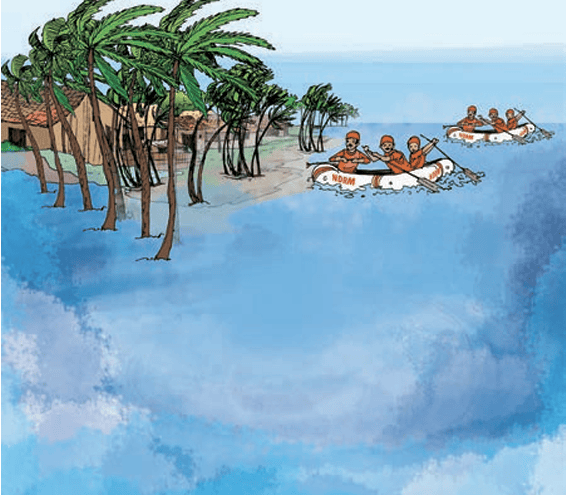
People living in coastal regions face several difficulties. Chandni told her friends that strong winds and cyclones hit the coastal regions of Odisha quite often. It affects the lives of people, animals and trees adversely.
Do you know?
The coastal states experience cyclones from time to time. People study cyclones, and find out methods to protect the lives and resources. In recent years, the Government of Odisha has won national and international awards for saving people during cyclones by early warnings, advance preparations, and effective management.
- 1. What are the adverse effects of a cyclone?
- 2. How can communities be better prepared for such
- situations?
Show the images of cyclone affected areas and explain how cyclones impact life.
In the Mountains, with Nayan
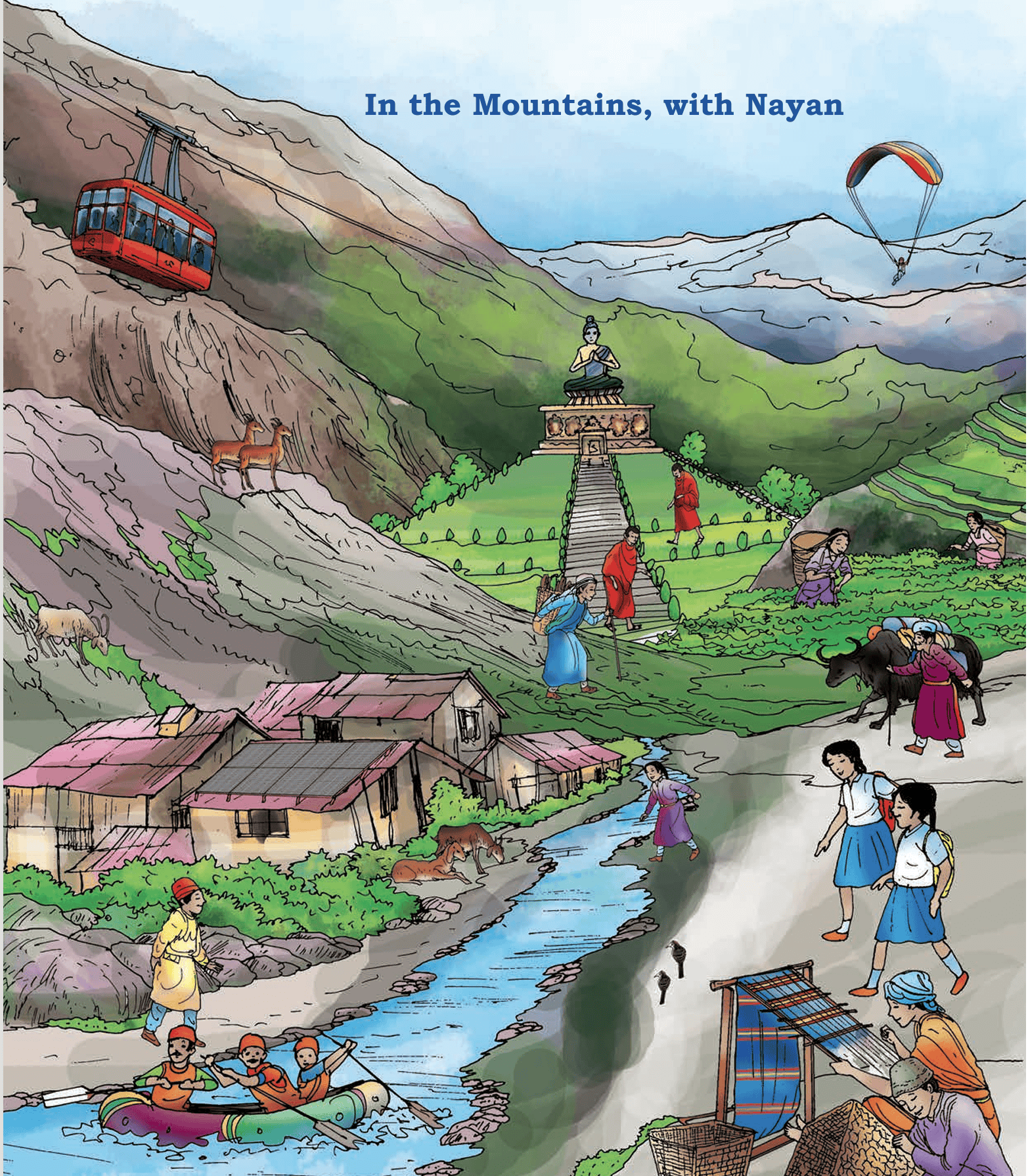
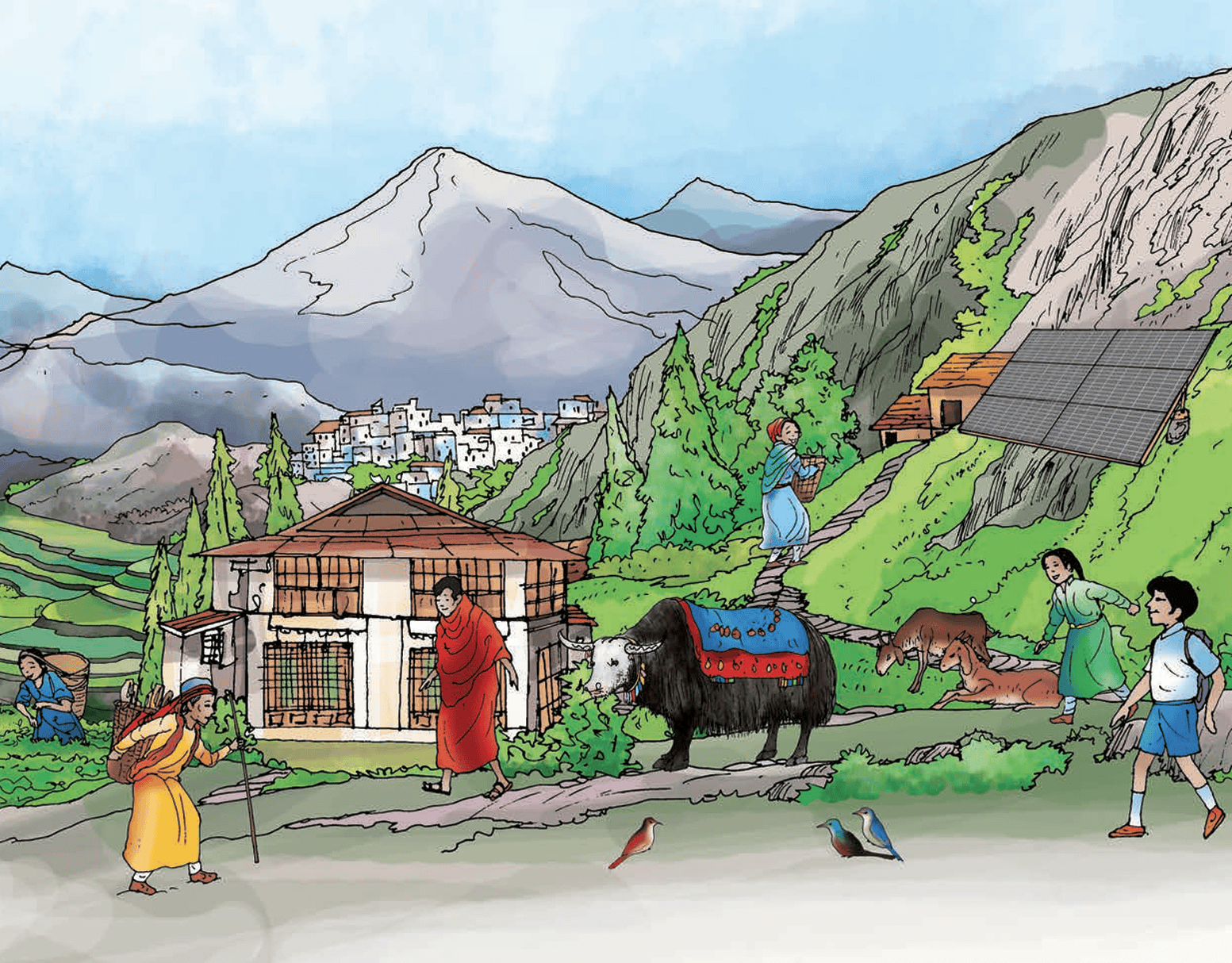
Look at the picture above and write your observations.
- 1. What type of animals do you see in the picture?
- 2. How are the dresses worn by people living in the
- mountains different from those worn in your region?
- 3. Describe the trees found in the mountains.
Place: Gangtok
Dear Diary,
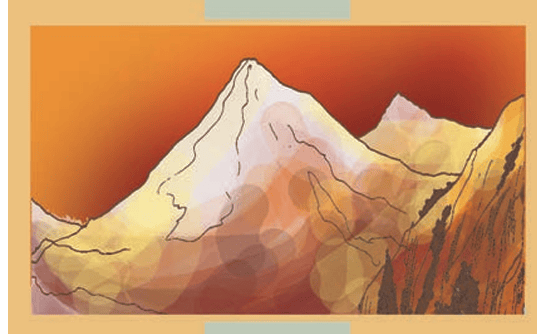
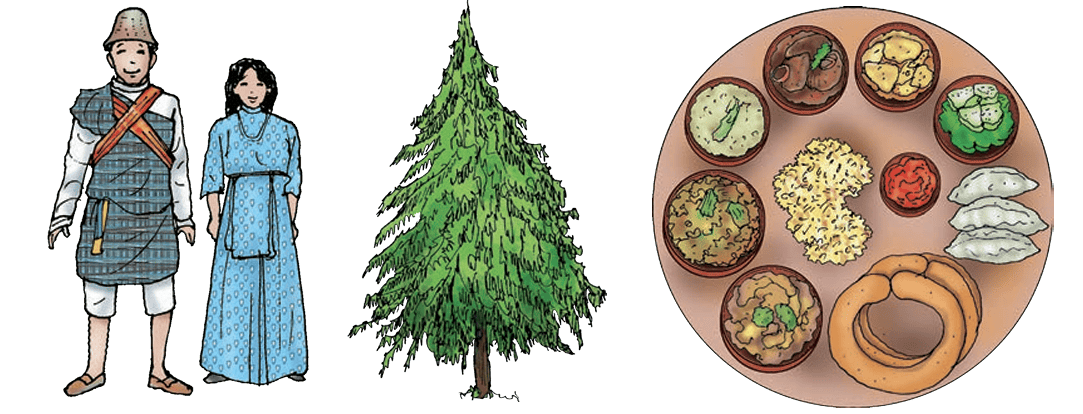
The weather was cool, and the air felt clean and refreshing. We stayed in Gangtok, where the locals were nice and kind. They guided us to a magical spot to view Mount Kangchenjunga. When the sunlight turned the snow-capped peaks golden, it looked like a stunning painting! We also enjoyed delicious Sikkimese food like warm thukpa, and sweet and soft sel roti.
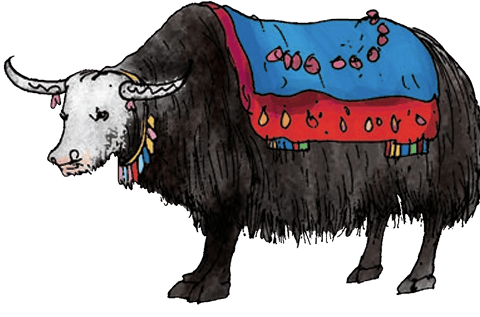
The locals wear beautiful traditional dresses like the bakhu, dumdyam, and Gunyo cholo. I also enjoyed a yak ride. Yaks are commonly used there for mountain travel.
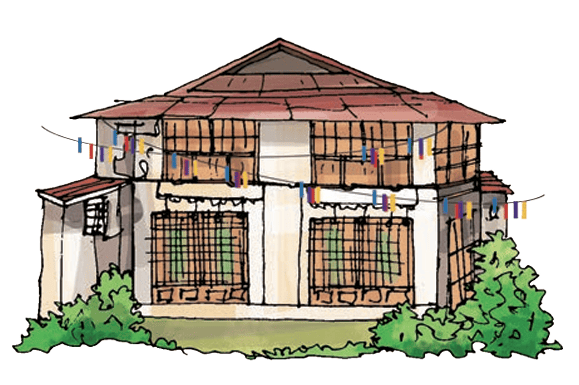
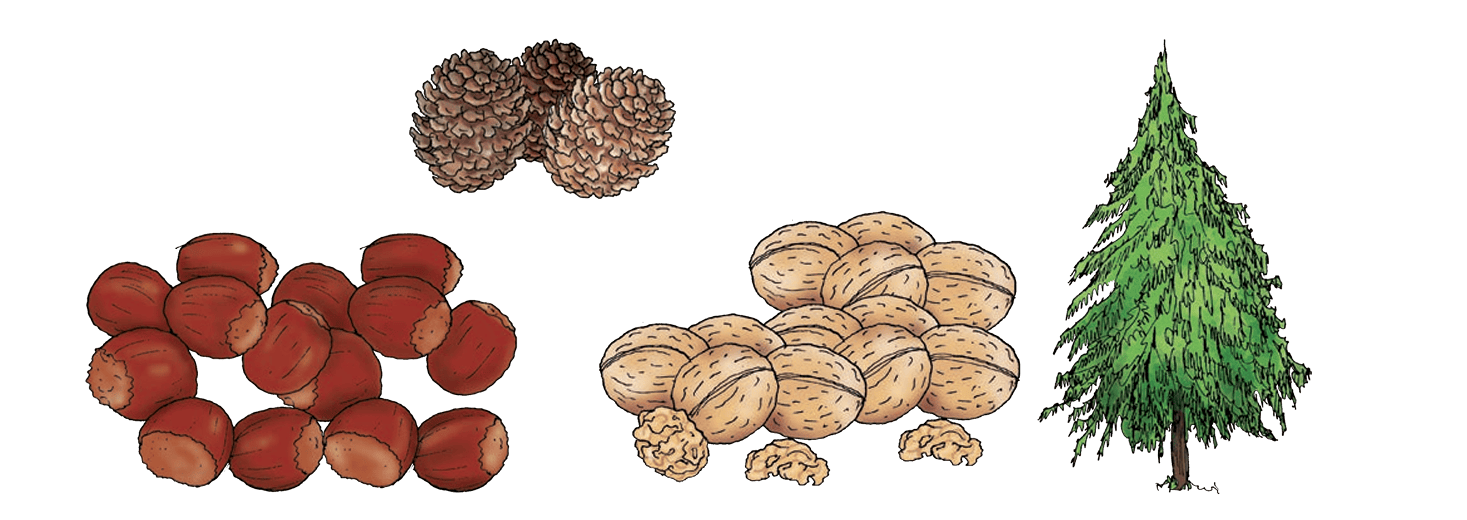
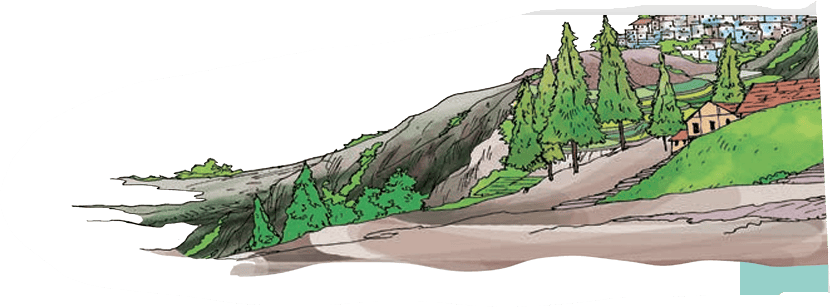
The pictures depict the vibrant diversity of Sikkim’s plants and animals, rich culture, unique food, traditional housing, colourful clothing, and the lively festival of Loosong and Namsoong. Trees like oak, pine, walnut and chestnut are also found there.

- 1. How does the cold climate in mountain regions affect the
- way people live and dress?
2. What traditional clothes are- worn in your region? How do
- they match with the local
- climate?
- 3. Why do you think certain
- trees, like pine and oak, grow
- better in the mountains?
- 4. How do animals like yak
- survive in the cold climate of
- Sikkim?
Do you know?
Loosong and Namsoong is one of the most significant festivals in Sikkim. This joyful festival marks the start of the Sikkimese New Year. It is an occasion to celebrate the hard work of the farmers. People enjoy the festival with various local dishes, traditional games, and a mask dance called chaam.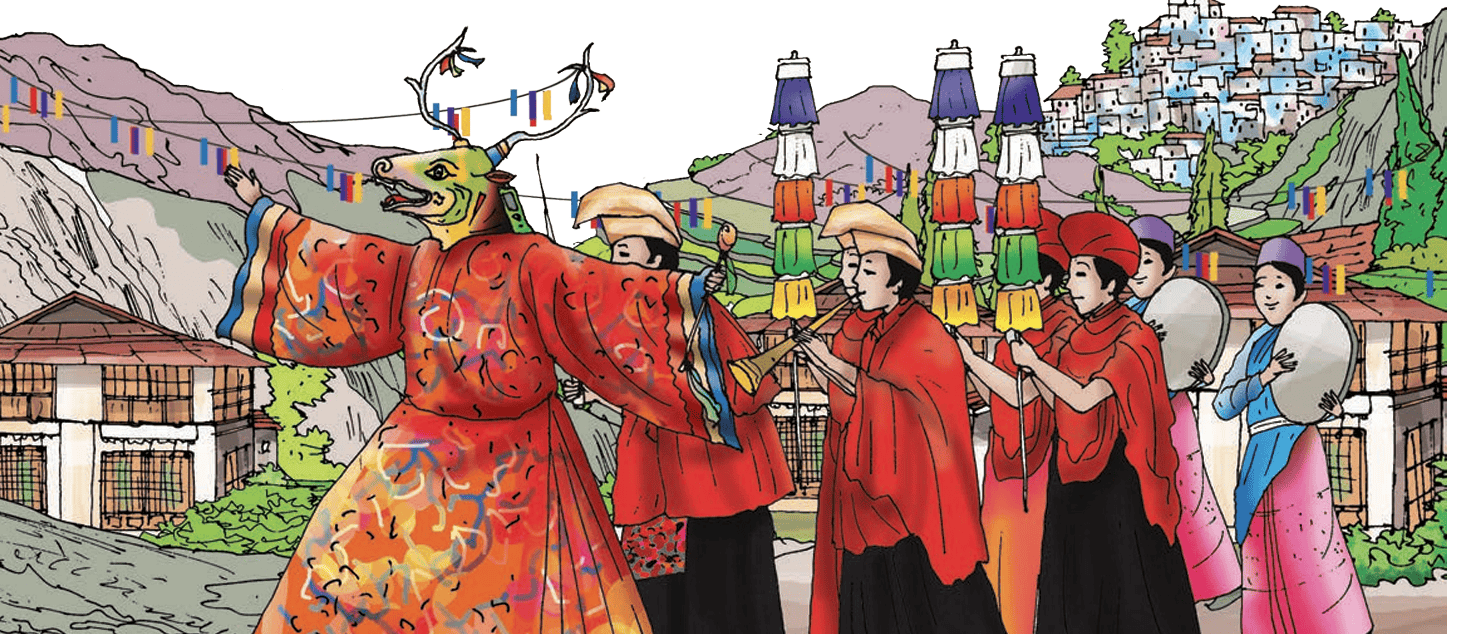
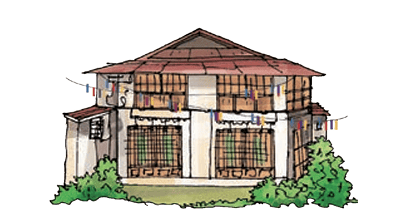
- 1. Why do you think traditional houses in Sikkim are built with wood and have slanting roofs?
- 2. Does your house have any feature that is similar to the houses in the mountains?
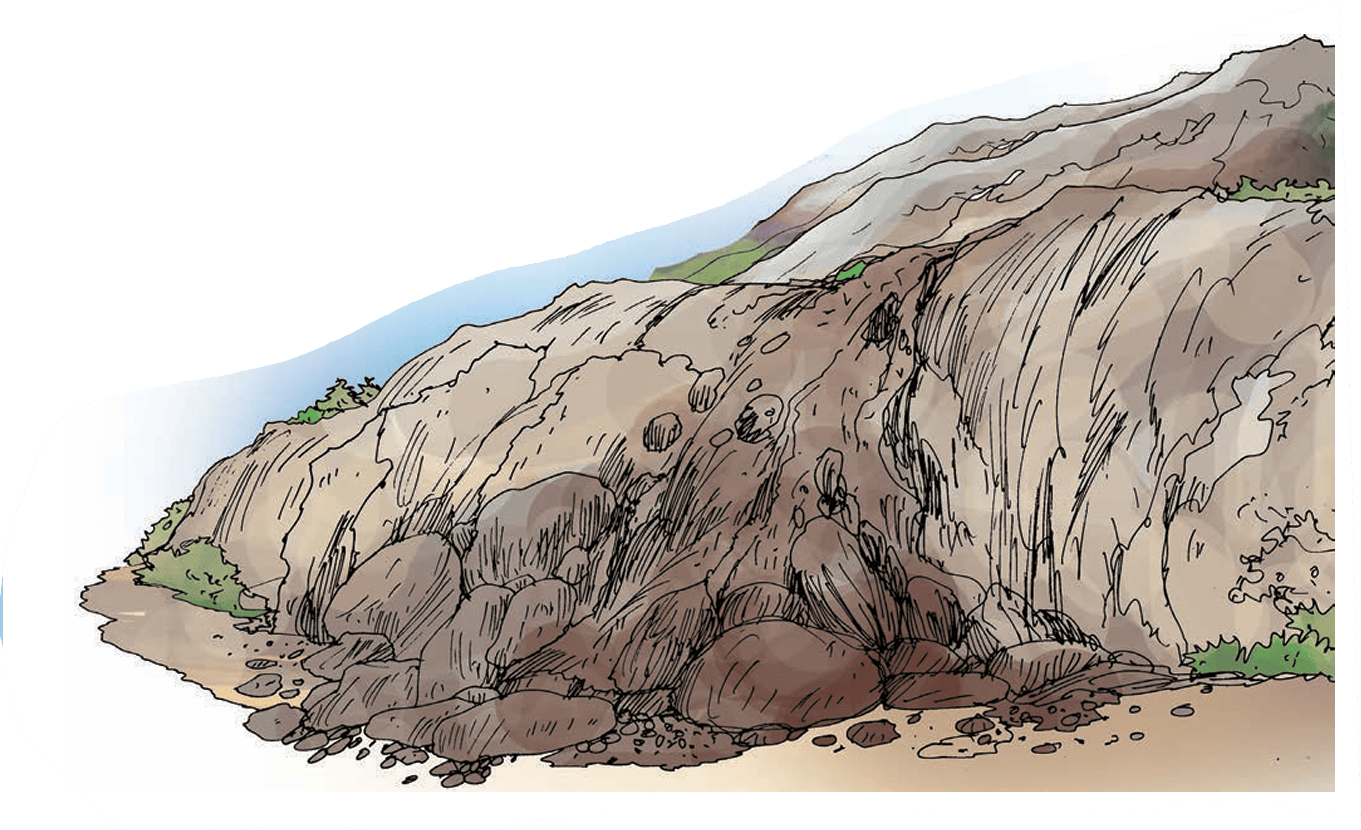
- 3. Why are landslides common in mountains during the rainy season?
- 4. What do you think can be done to keep people safe during the landslides?
- 5. What can communities do to help people
- who lose their homes or get
- affected by natural disasters?
Life in my Landform
Draw the landform around you in the space given below. Name the area, the type of landform, some interesting features of the people, their professions, food, houses, plants and animals.
1. Compare life in the mountains and plains by capturing the differences in trees, animals, houses, clothes, food, festivals and art forms.
| Category | Plains | Desert | Coastal | Mountains |
|---|---|---|---|---|
| Trees | ||||
| Animals | Cows and buffaloes with shorter fur | |||
| Housing | Wooden houses with sloping roofs | |||
| Clothing | ||||
| Food | ||||
| Festivals | ||||
| Art forms |
2. Design and draw a landform by combining your favourite features from mountains, plains, coasts, and deserts.
(a) What made you choose different features for your landform?
(b) How does each feature benefit people, animals or plants?
(c) What difficulties might people face living in your landform?