Parv is celebrating his birthday with his friends. Let us join them.
I was born on 29 February 2016. Years having the date 29 February are called leap years. Such years have one additional day in the year and occur every four years.
Let Us Do
1. Notice the number of days in February in the years 2024 and 2025.
FEB 2024
Sun
Mon
Tue
Wed
Thu
Fri
Sat
1
2
3
4
5
6
7
8
9
10
11
12
13
14
15
16
17
18
19
20
21
22
23
24
25
26
27
28
29
FEB 2025
Sun
Mon
Tue
Wed
Thu
Fri
Sat
1
2
3
4
5
6
7
8
9
10
11
12
13
14
15
16
17
18
19
20
21
22
23
24
25
26
27
28
Number of days in Feb 2024 = _____________
Number of days in Feb 2025 = _____________
2. Fill in the blanks with consecutive leap years before and after 2024.
________, ________, 2024, ________, ________, ________
3. We know that most years have 365 days. How many days would a leap year have?
4. Write the names of the months when you celebrate your favourite
festivals.
Name of the Festival
Name of the Month
5. Answer the following questions by writing the appropriate days of the week:
a) Today: _________
b) Yesterday: _________
c) Tomorrow: _________
d) Day after tomorrow: _________
e) Day before yesterday: _________
6. July 1 is a Monday. Write the dates for the next two Mondays.
_______________
7. Laali is born on 04/07/2014 and Chotu is born on 04/12/2019. Who is older among the two and how much?
Laali will turn 5 years old on _________.
Chotu’s 10th birthday will be celebrated on_________.
Do You Know?
04/07/2024 is a date in DD/MM/YYYY format. And this is read as 4th of July 2024 or July 4, 2024.
8. Check the manufacturing and expiry dates on the wrapper of any biscuit packet.
a) How old is the packet of biscuits?
Answer: ____ months ____ days.
b) How many more days are the biscuits safe to eat?
Answer: ____ months ____ days.
9. Notice the day on which July 15 falls in your calendar. Now find out
what day is August 15? September 15? October 15? What pattern do you notice? Share in grade.
Now choose a date and look up the day on which it falls. Challenge your friends to guess what day will the same date fall in the following month.
Let Us Explore
With the help of your parents and teachers, explore the names of the months in the Hindu/Islamic/Sikh or any other calendar of your community.
1. Find out when the year begins in each of these calendars.
2. Check how the names of the months in these calenders correspond to the months in the English calendar.
3. Identify the months from the Hindu/Islamic/Sikh or any other calendar in which some of the important festivals of the community fall.
4. Identify the dates of the new moon and full moon in your community’s
calendar every month. Do you notice any pattern?
5. How are the full moon or new moon days named in your community’s
calendar?
Note for Teacher: Students may be asked to collect wrappers of different items and make a table of expiry periods for them.
How many hours in a day?
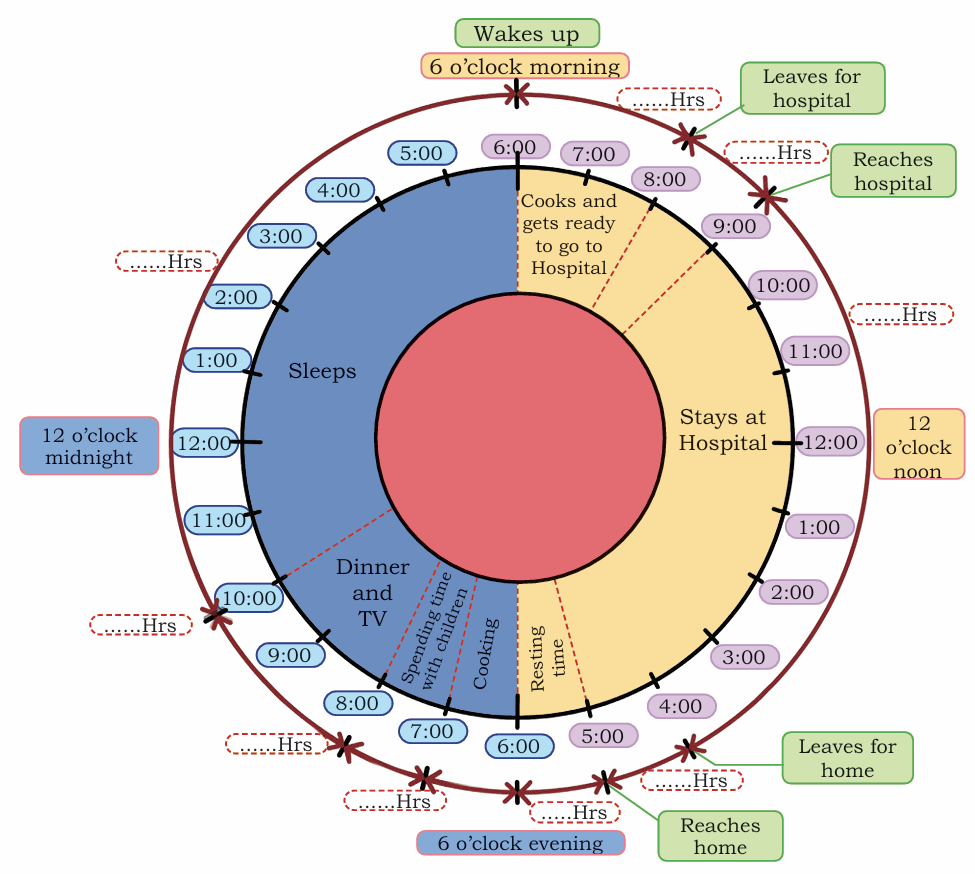
Look at the picture below. It shows the time spent on different activities
by a doctor. Write the number of hours spent on each activity in the space provided. Then, find the total number of hours between 6 o’clock morning to 6 o’clock evening and 6 o’clock morning of the next day.
The total number of hours is ________.
Note for Teacher: Help the children count the duration of the activities in the picture given above and find the total number of hours in a day.
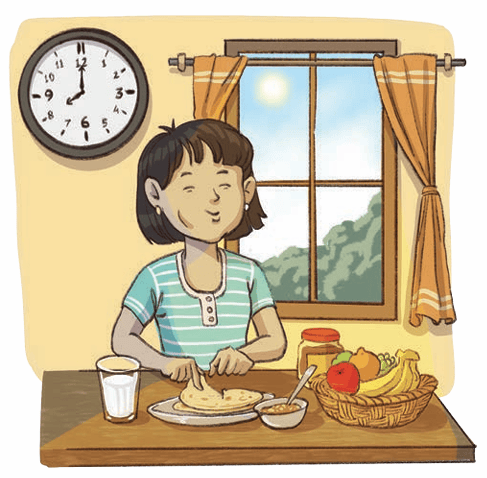
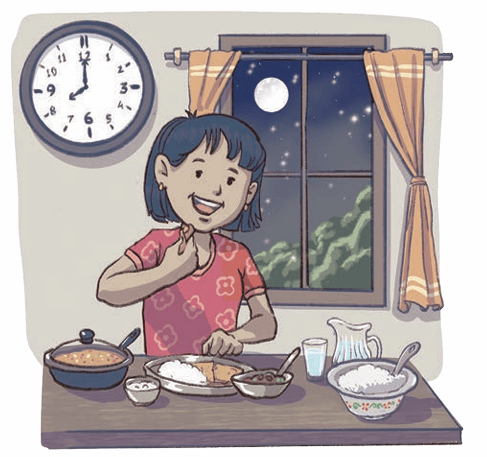
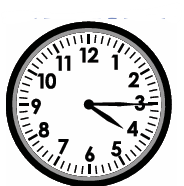
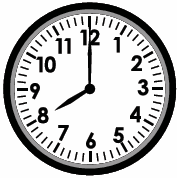
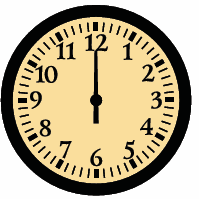
In both the pictures we see 8:00 on the clock. But one is morning and the other is night time. We add AM and PM to show this difference.
8:00 AM
8:00 PM
Digital clocks help us read the time more clearly.
08:00
20:00
Read the following table and see how we read and write time using AM/PM and the digital clock. Discuss what you notice about the two different ways.
Note for Teacher: Help children understand the difference between AM and PM and how it eases communication about time among people. You may seek
children’s routine experiences and associate them with AM and PM. You may draw their attention to the 24-hour clock and how it shows time and make children practice reading and writing it.
Fill in the blanks by writing time in the appropriate format.
Time in AM/PM
Time in the digital clock
12:00 AM
00:00 hours
1:00 AM
1:00 hours
3:00 AM
3:00 hours
7:15 AM
7:15 hours
9:45 AM
______ hours
______
11:20 hours
12:00 PM
12:00 hours
1:00 PM
13:00 hours
3:00 PM
______ hours
5:20 PM
______ hours
______
20:00 hours
11:45 PM
23:45 hours
Hours and minutes
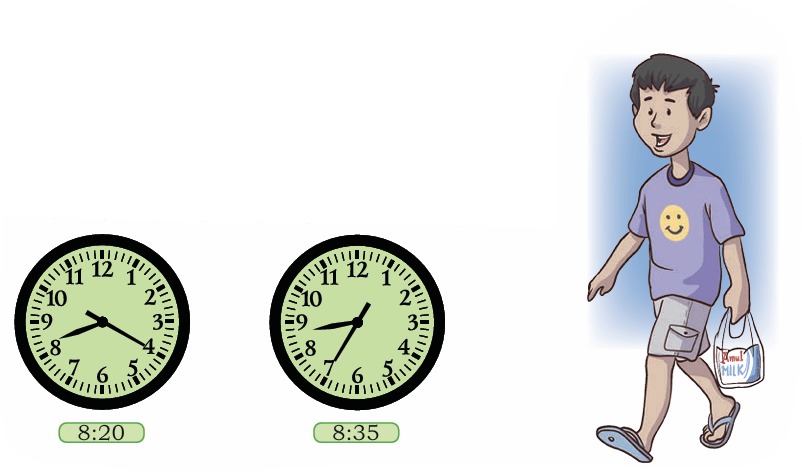
Raghav brings milk from the market every morning.
Raghav leaves home at 8:20 AM and returns back at 8:35 AM.
How much time has he taken? ________
Let Us Do
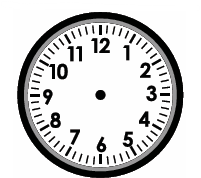
1. Show the appropriate times on the clock as per instructions.
a) Raghav started doing his homework at 10:20 AM. He took 25 minutes to finish it. Show the time that he finished his homework.
Time after 25 minutes
b) Muneera starts reading a story at 4:15 PM. She finishes reading it in 45 minutes. Show the time that she finished reading the story.
Time after 45 minutes
c) Akira leaves for school at 8:00 AM. She reaches school in 15 minutes.
Starts for school at 8:00 AM
Reaches school at___AM
Finishes school assembly ___AM
Dance practice ends at___AM
Break ends at___AM
Akira has spent one hour from 8:00 AM to 9:00 AM.
No, she has spent 60 minutes.
Who do you think is correct? Is there any relation between 1 hour and 60 minutes?
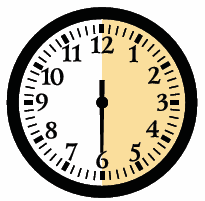
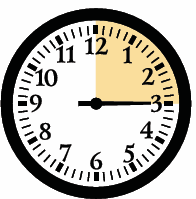
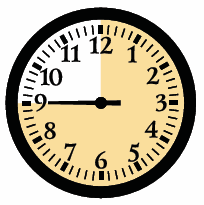
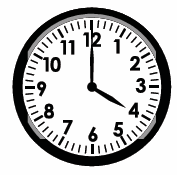
Observe the shaded portions
One hour (1 hour)= 60 minutes
Half hour = ____ minutes
Quarter or of an hour = 15 minutes
Three Quarters or of an hour = ____ minutes
Find out how much time you take to
a) boil milk
b) fill water from tap in a bucket
What activities can you do in 5 minutes?
Let Us Check
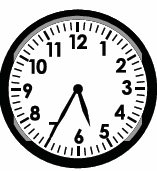
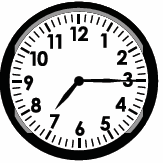
Three friends read time from a clock. Who is right? Discuss the error and explain how one reads the clock correctly.
Raghu
Raghav
Rani
12:04
12:20
04:00
07:07
07:25
05:35
03:07
03:35
07:15
Note for Teacher: Help children figure out the connection between a half hour, a quarter hour, 30 min and 15 min.
 Parv is celebrating his birthday with his friends. Let us join them.

 Raghav leaves home at 8:20 AM and returns back at 8:35 AM.