
Chapter - 3
Be Smart, Be Safe
Road safety tips for little feet
Let us Read
Dear Children,
Namaste! How are you all? I’m sure you are happy and safe, and enjoying school. Some of you reach school on foot, some by bicycle and others by bus.
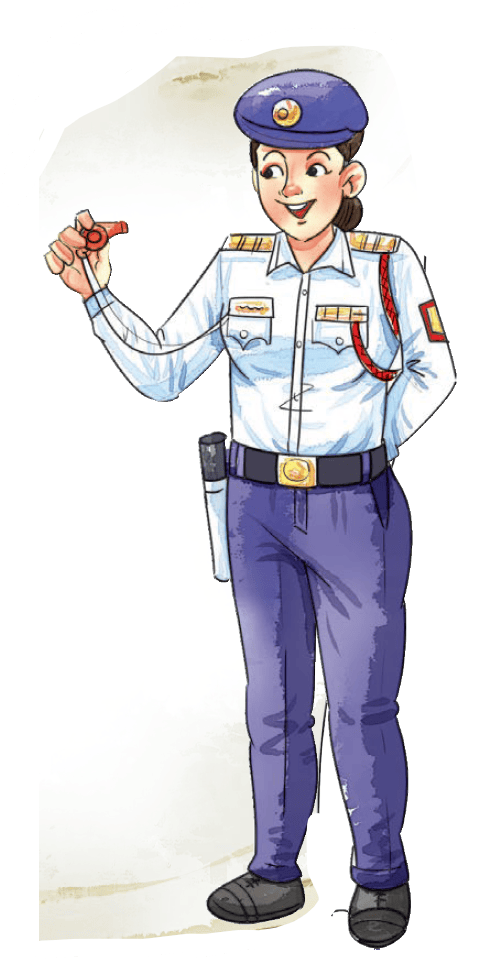
You may have noticed that there is often a lot of traffic on roads. Roads can be busy and, at times, dangerous. We, the traffic police, are here to keep you safe on the roads. So, we want to share some important safety tips to help you stay safe while walking on, or crossing, the streets.
By following these simple rules, you can keep yourself safe and help us keep the roads accident-free. Let’s work together to make our roads safer for everyone.
Stay safe and be careful,
With Best Wishes,
The Traffic Police
Bharat
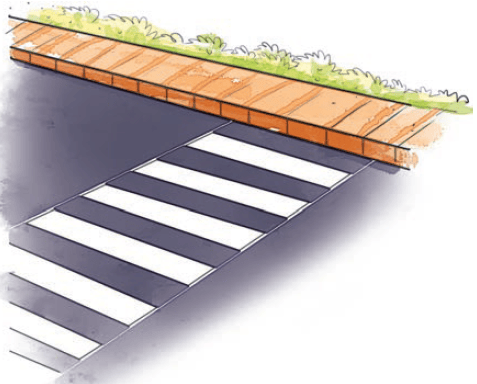
Rule 1: Always Use The Zebra Crossing
When you need to cross the road, look for a black and white strip which is known as “Zebra Crossing”. Look right, then left, again right to ensure that no vehicles are coming. Cross only when it’s safe.
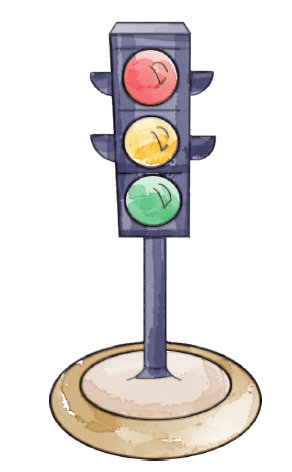
Rule 2: Follow The Traffic Lights
Traffic lights are installed on very busy roads to regulate movement. Wait for the pedestrian signal to turn green before crossing. Never run across the road. It’s safer to walk calmly!
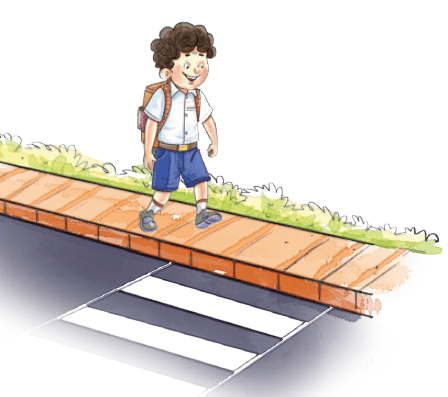
Rule 3: Walk On The Footpaths
Footpaths are meant for pedestrians. Always walk on them and stay away from moving vehicles.
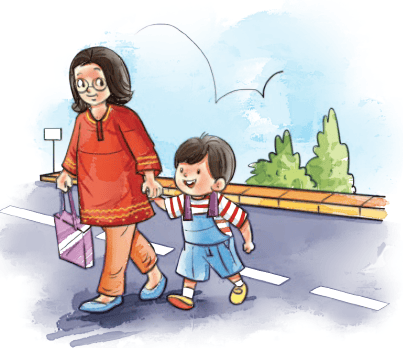
Rule 4: Hold An Adult’s Hand
If you are walking near the road, always hold an adult’s hand, especially while crossing the road.
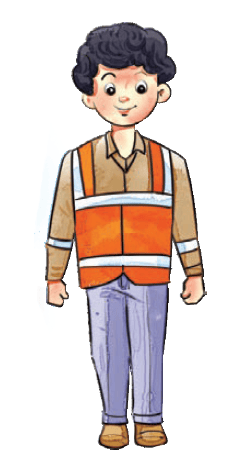
Rule 5: Use Reflective Stickers In The Dark
If you are walking on a road in the evening, stick some reflective stickers on your clothes, so that the drivers can see you clearly.
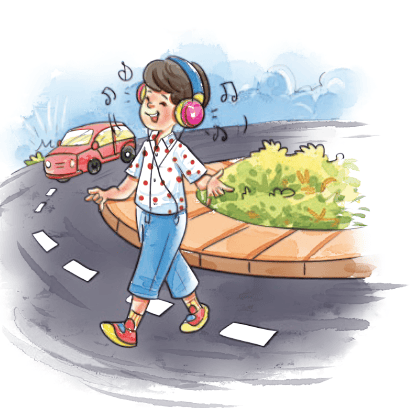
Rule 6: Be Alert
Do not play or get distracted near roads. Also, avoid using headphones or mobile phones while walking near traffic. These can distract you from traffic sounds.
New Words
pedestrian, footpath, reflective, distract
Let us Think
A. Answer the following.
1. What should you do before crossing a road?
2. Why should you not play on the footpath?
3. Why should you hold an adult’s hand while crossing the road?
Let us Learn
A. True or False.
1. You should always walk on the footpath. .............
2. It is safe to run while crossing the road. .............
3. You should use the zebra crossing to cross the road. ...........
4. Wearing dark clothes in the evening makes you more visible.........
5. It is safe to play near the road. ..............
6. You should wear headphones while walking on the road. ..........
C. Encircle the correct option.
1. What should you do before crossing a road?
a) Run quickly
b) Stop, look right, then left, again right
c) Close your eyes
2. Where should you walk near the road?
a) On the footpath
b) On the road
c) In the middle of the vehicles
3. Why should you avoid using headphones on the road?
a) It looks bad
b) It makes you run faster
c) It can distract you from traffic sounds
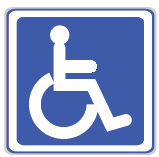
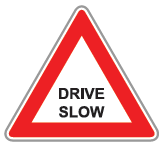
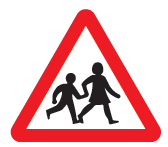
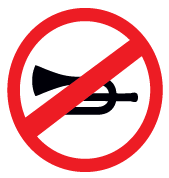
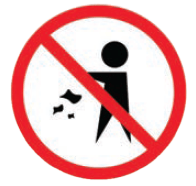
D. Identify the following symbols and write their meanings.
Help box
|
• School ahead |
• No honking |
|
• No littering |
• Ladies restroom |
|
• Gents restroom |
• Right turn |
|
• Handicapped |
• No left turn |
|
• Drive slow |
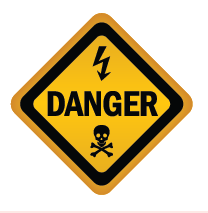
• Danger ahead |
|
• U turn |
|
|
|
|
|
|
• No honking |
• No honking |
• School ahead |
• No honking |
|
|
|
|
|
|
• School ahead |
• No honking |
• School ahead |
• No honking |
|
|
|
|
|
|
• School ahead |
• No honking |
• School ahead |





Let us Do
A. Classify the following activities as “safe” and “unsafe”.
• Looking right and left before crossing
• Playing on the road
• Crossing at a zebra crossing
• Walking on the footpath
• Listening to loud music on the road
|
Safe |
Unsafe |
|
........ |
........ |
|
........ |
........ |
|
........ |
........ |
|
........ |
........ |
B. Spot what’s wrong with the picture. Look at the following picture below and spot six errors.
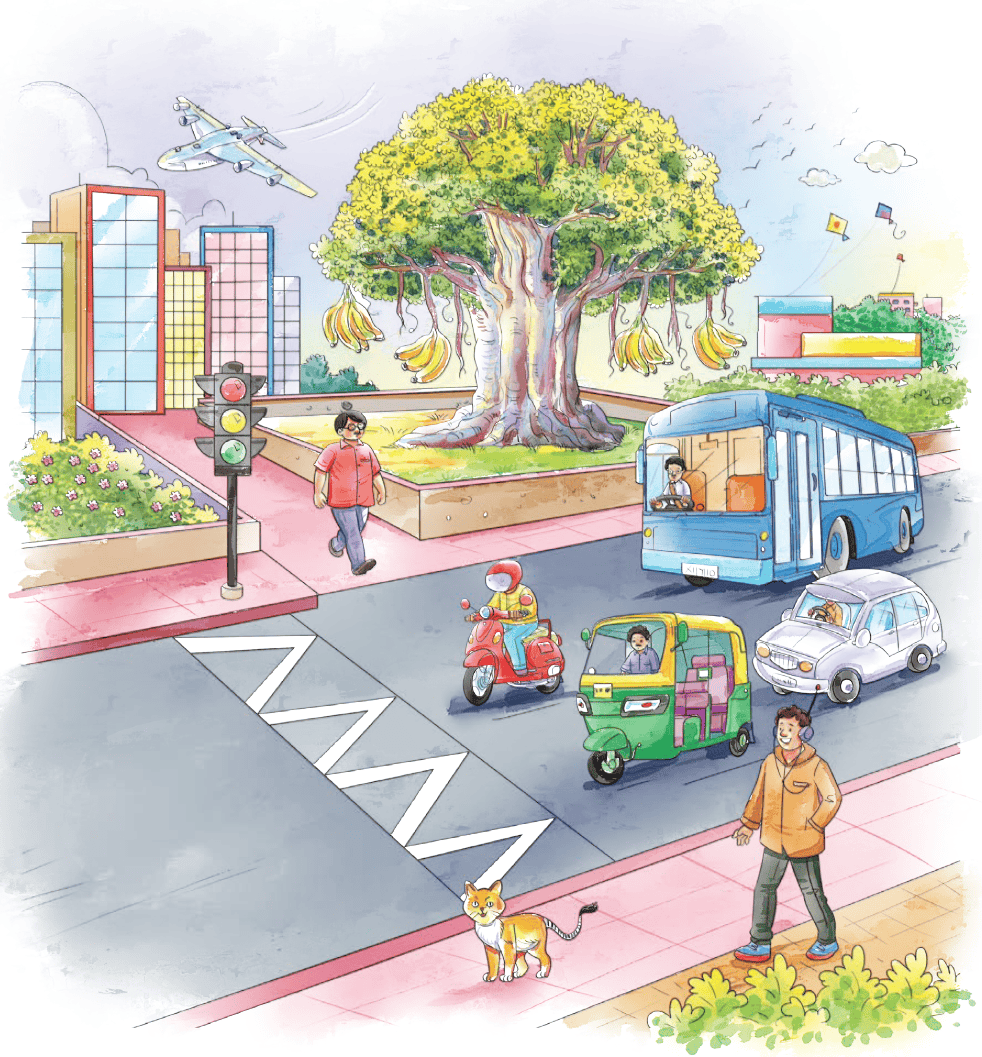
1. ............ 2. ..............
3. ............ 4. ..............
5. ............ 6. ..............
Let us Write
A naming word/Noun is a word that names a person, place, thing or an idea. However, some nouns can be counted and some cannot.
The nouns that can be counted are known as countable nouns.
Example: apples, buses, chairs, etc.
Nouns that cannot be counted individually are known as uncountable nouns. They usually do not have a plural form.
Example: water, rice, air, etc.
Note to the Teacher
Ensure that children understand that rice, sugar, salt, water, oil, milk, etc. are uncountable, whereas, drops of oil, drops of water, bottles of milk/bowls of rice/ sugar/salt are countable.
A. Classify the following as “C” (Countable) and “U” (Uncountable).
|
• Bananas …… |
• Lemonade …… |
|
• Biscuits …… |
• Flour …… |
|
• Curd …… |
• Chocolates …… |
|
• Tomatoes …… |
• Tomato ketchup …… |
|
• Sandwiches …… |
• Potatoes …… |
|
• Mashed potatoes …… |
• Coffee …… |
|
• Coffee jars …… |
• Tables …… |
B. Now, Classify the following into countable and uncountable nouns.
Traffic, Pollution, Helmet, Buses, Cars, Speed, Pedestrian, Bicycle, Safety, Transportation, Fuel
|
Countable Nouns |
Uncountable nouns |
|
........ |
........ |
|
........ |
........ |
|
........ |
........ |
|
........ |
........ |
|
........ |
........ |
|
........ |
........ |
C. Read the recipe below. Underline the countable nouns and circle the uncoutable nouns.
Recipe: Yummy banana milkshake
Step 1: Peel two bananas and put them in a blender.
Step 2: Pour one glass of milk into the blender.
Step 3: Add sugar and a little honey for sweetness.
Step 4: Blend everything until smooth.
Step 5: Add some ice cubes and enjoy your banana milkshake!
D. Write a letter to the traffic police of Bharat to thank them and promise to follow all the traffic rules and stay safe.
Dear Traffic Police Officer,
Thank you for keeping us safe on the roads. You work so hard to make sure everyone follows the rules and no one gets hurt. I see how you stand in the sun, rain, and cold to help us.
I have read your letter carefully and understood
that ..........................................................
.................................................................
.................................................................
.................................................................
Jai Hind!
Name .................
Grade ................