
Chapter 4
IMAGINARY BEINGS
Our imagination gives us the power to visualise things that have never been created. Through hard work, persistence, and dedication, many such imaginations have taken shape. For example, our dream of flying like a bird led to the invention of the aeroplane. Can you think of other inventions that have helped us swim like fish, weave like spiders, and burrow like earthworms?
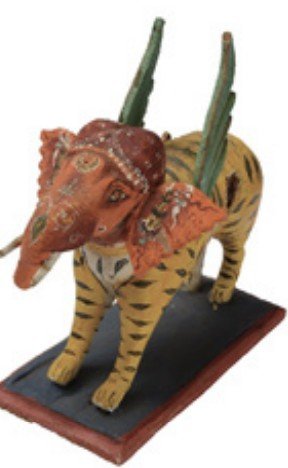
As an artist, you can create anything you dream of—not just what you see around. In Indian art, we often find imaginary beings made up of parts from many different living beings. Multiple narratives are built around them. You must have enjoyed hearing such stories. They become even more fascinating as the mysteries behind their symbolic representations start to unfold.
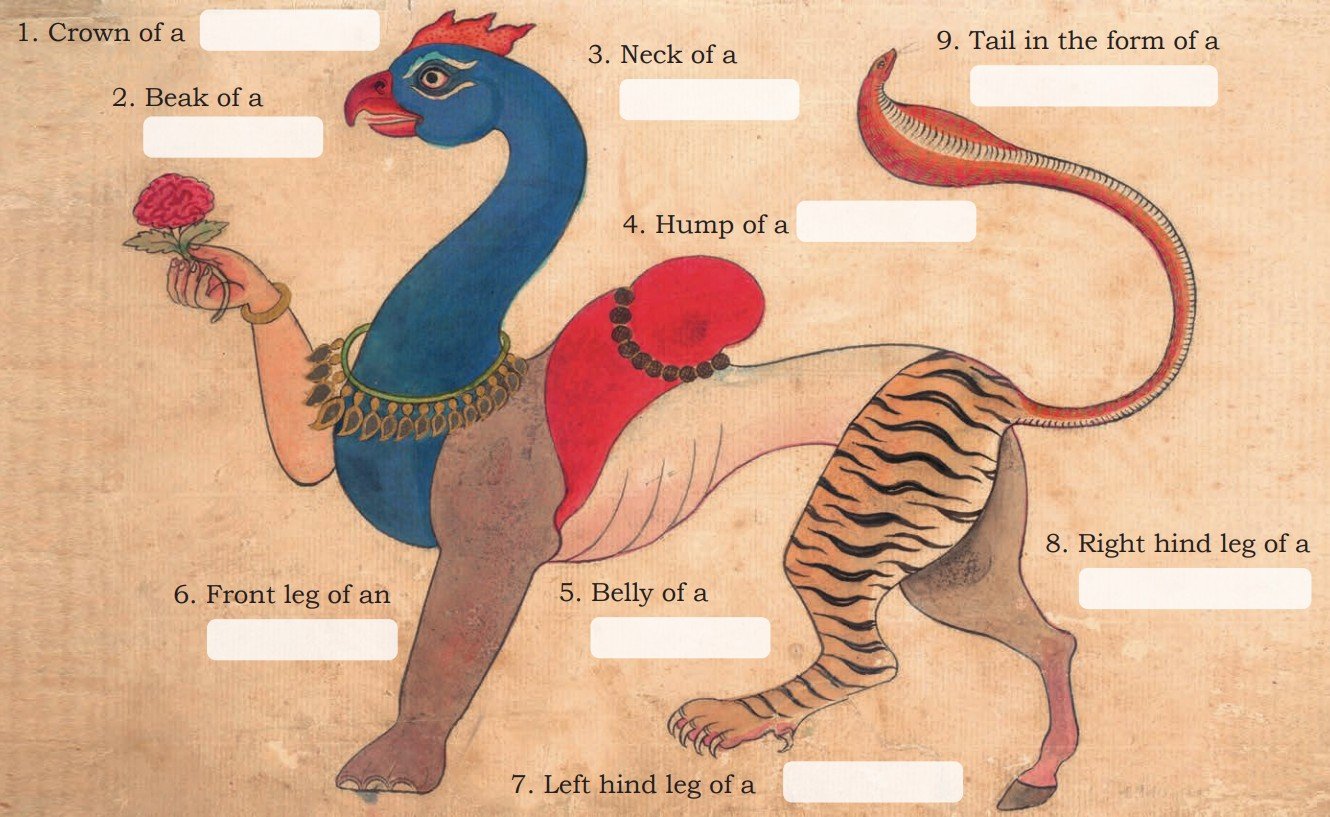
Take help from your teachers or parents to find out the story about Navagunjara.
ACTIVITY 4.2
My Ideal Being
Think of a person, animal, and plant whose qualities you like the most.
| Person | Animal | Plant | Object | ||
|---|---|---|---|---|---|
| Write their qualities | |||||
| Draw their upper body | |||||
| Draw their middle body | |||||
| Draw their lower body |
Now, close your eyes and imagine their combined special qualities in one being. Such an ideal being may not exist, but you have the power to create them with art.
ACTIVITY 4.3
Creating My Imaginary Being
Look at the drawings you have made. Think of different combinations; for example, it can have the head of an animal, body of a person, and the feet as the lower part of a plant or object.
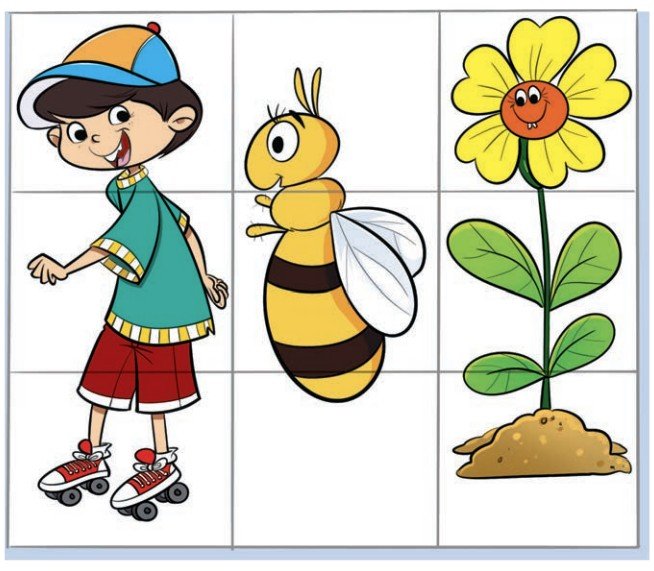
It is important to try drawing other combinations too. You can draw multiple heads, legs, and other parts if you like.
- Draw the one you like the most here on the next page.
- Add clothes, ornaments, accessories, and colour them interestingly.
- Think of a name that describes your imaginary being and write it creatively.
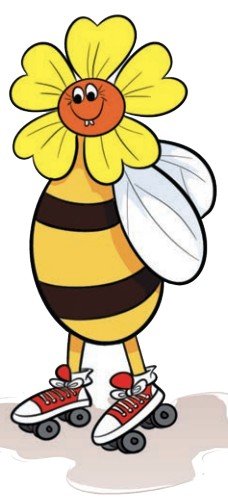
Draw a scene from your story here.✍
ACTIVITY 4.4
The World of My Imaginary Being
The world we live in has geographical features, such as air, sun, water, oxygen, rivers, earth, and trees. We build houses, roads, and invent tools to make our life comfortable.
For your imaginary being, create a suitable world to live in and move around comfortably.
Show your imaginary being to your friends and have them ask questions like:
- What is its favourite food?
- Does it sleep?
- Where is its heart?
- Where does it live?
- How does it move?
- What kind of shadows would it cast?
The answers to the questions will help you understand your imaginary being and build a world around it.
- Create a picture (or modify the one you have made) showing the imaginary being in the habitat you imagine.
- Show it in action and be creative while making shadows.
- Add as many details as possible and colour this composition using a medium of your choice.
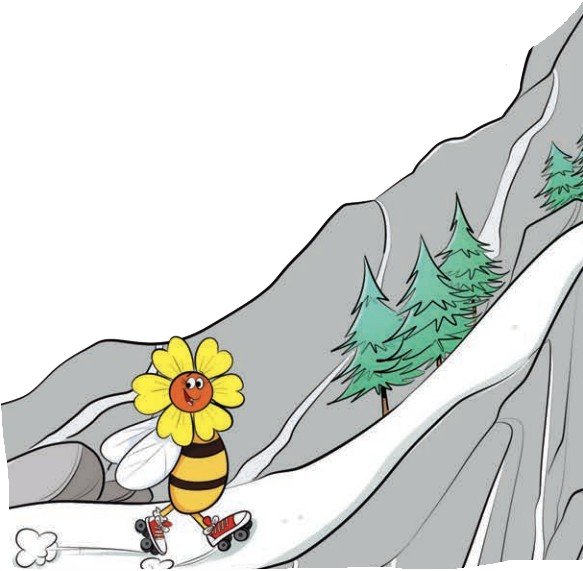
Space to draw your final artwork of the imaginary being in its own world. ✍
Assessment
| CHAPTER 4 – IMAGINARY BEINGS | ||||
|---|---|---|---|---|
| CG | C | Learning Outcomes | Teacher | Self |
| 2 | C–2.1 | Creates imaginary beings by combining different parts of animals, plants, humans, and objects. | ||
| 4 | C–4.2 | Shares and discusses stories of mythical characters. | ||
| Overall participation in class. | ||||
Assessment