Chapter 15
MY EVERYDAY ACTIVITIES IN MODES OF DANCE
Dear Teacher,
- Please provide a spacious and well-ventilated area for the children.
- The pedagogy focuses on:
- Learning dance units according to regional practices;
- Learning about dance of other regions of the country;
- Learning to express emotions and become comfortable in expressing emotions;
- Understanding use of different body parts in movement and emotion;
- Understanding the importance of collaborating in movement practice;
- Creativity in putting together various elements of dance.
- Please address the below-given curricular goals, competencies, and learning outcomes for your assessments
- Focus on the effort given by the child, the attitude towards learning new things, showing empathy with emotions and expressions, and willingness to share and collaborate.
Curricular Goals and Competencies are given below:
- CG–1 Develops confidence to explore, depict, and celebrate human experience through the Arts.
- C–1.1 Expresses enthusiasm to practice and perform Dance and movement that is familiar to them.
- C–1.2 Discusses ideas and responses, while working collaboratively in Dance and movement.
- CG–2 Exercises their imagination and creativity freely in the Arts.
- C–2.1 Creates and practices Dance and movement sequences based on everyday actions and personal experiences.
- C–2.2 Compares and contrasts movements, rhythms, postures, themes, and expressions in a variety of Dance and movement styles introduced in the classroom.
- CG–3 Explores basic processes, materials, and techniques in the Arts.
- C–31 Makes choices while working with movement steps, instruments, costumes, and arrangements used in Dance and movement.
- C–3.2 Contributes ideas while selecting Dance and movement sequences for performance and participates in rehearsals.
- CG–4 Explores beauty in their surroundings, and develops an interest in a variety of local Art forms and cultural practices.
- C–4.1 Recognises elements of Dance and movement in nature and describes their artistic qualities.
- C–4.2 Demonstrates curiosity towards local Art forms and culture.

Chapter 15
MY EVERYDAY ACTIVITIES IN MODES OF DANCE
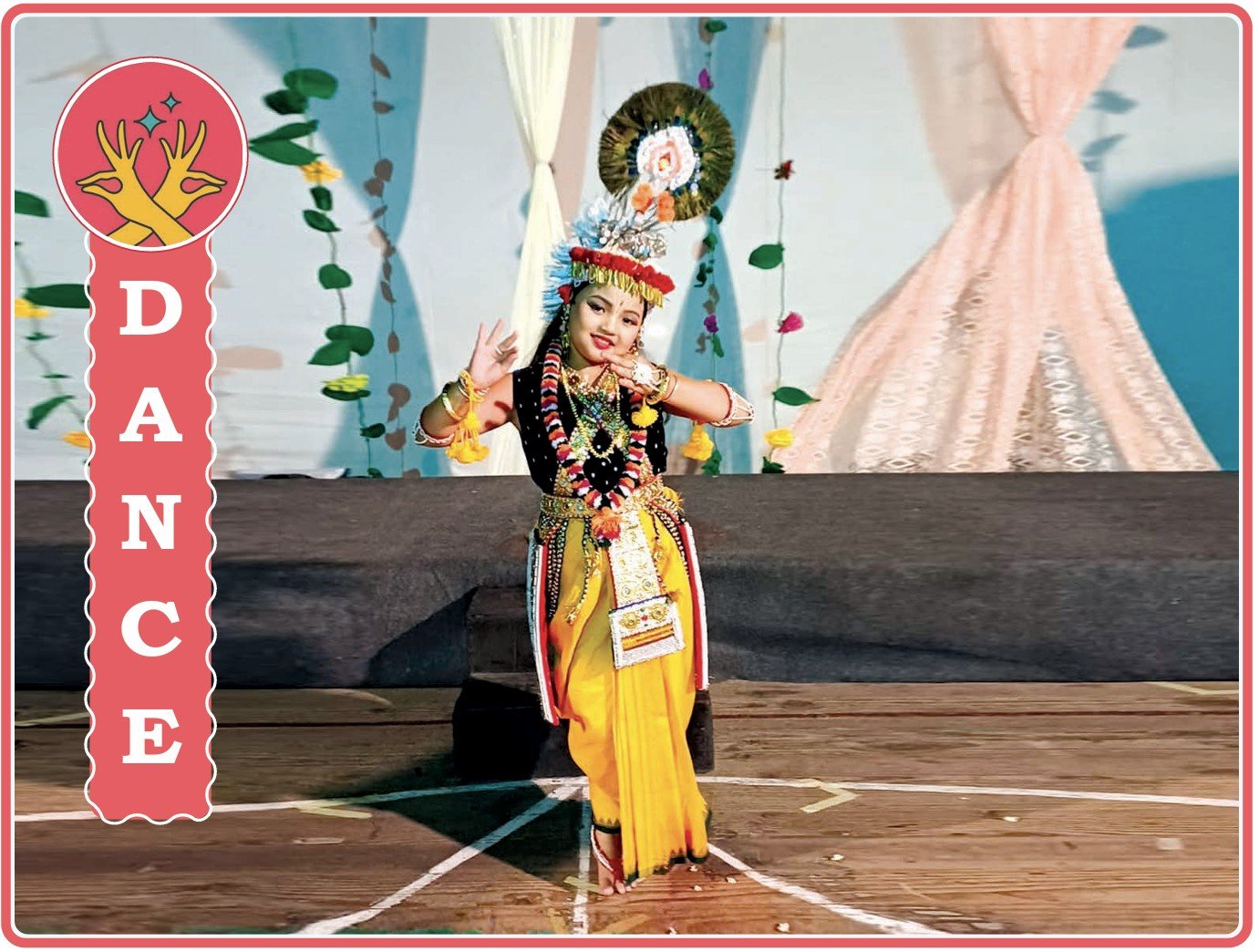
Hope dance has become a part of your life now and gives you the joy of new learnings every day. You have been exploring dance in many ways in the earlier grades, where you have equated dance movements with everyday activities.
Note to Teacher:Put on Indian instrumental music for the children to dance to.
ACTIVITY 15.1
Dance away
You are returning from your vacation right? So, how about a welcome dance for all. Put on music that you enjoy and dance with your class. Incorporate suitable steps, hand gestures (hastas), and movements learnt in previous grades
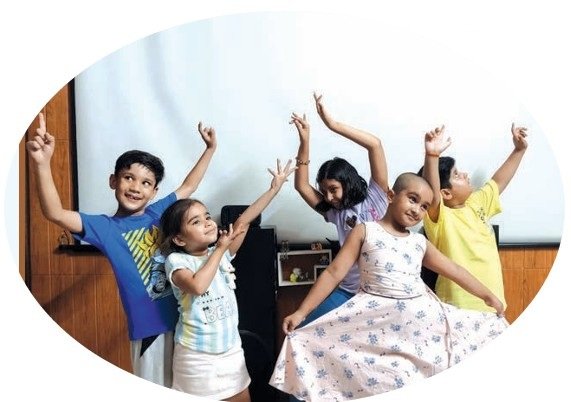
How do you feel after completing this activity? Is it different from what you usually do?
Moving and Standing Still
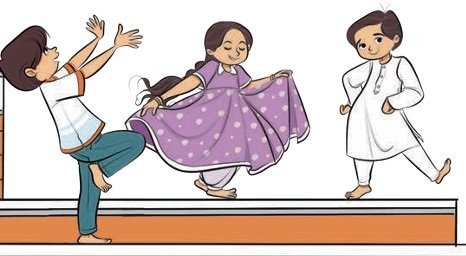
In your everyday activities, there are some actions during which you move and some during which you do not. Your movements consist of a still point from where you start moving and then come back to a stopping posture. Let us start with fun activities and see how they connect to dance movements.
Note to Teacher:In this game, the teacher will divide the children into groups of four or five and again keep a 4-beat rhythm.
ACTIVITY 15.2
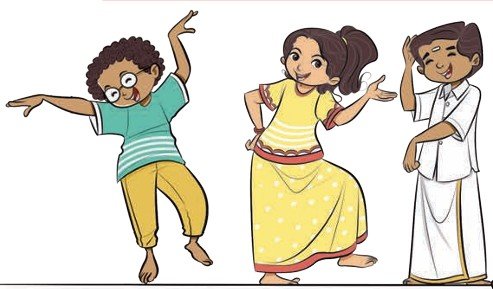
Statue Game
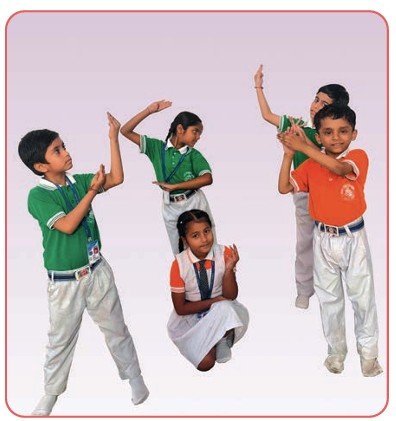
Are you ready to play the game of statue? Combine movement, stillness and emotions that you practised earlier.
You move to music, and when you receive a sound cue from the teacher, you will get into a statue with a dance pose.One who fails to take a dance pose will have to pick up an emotion chit from the teacher and show that emotion.
ACTIVITY 15.3
Hand Gestures in everyday activities
Knowingly or unknowingly, you use dance-related hand gestures in your daily activities. You are familiar with animal-related hand gestures. Now, let us explore other hand gestures in dance that symbolise different things commonly seen or used in daily life.
| Hand Gestures | |||||||
|---|---|---|---|---|---|---|---|
| Tripataka |  |
Ardhapataka |  |
Anjali | 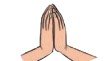 |
Kapota | 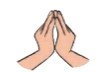 |
| Kartarimukha |  |
Ardhachandra |  |
Karkata | 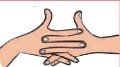 |
Swastika |  |
| Arala |  |
Shukatunda |  |
Dola | 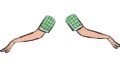 |
Pushpaputa |  |
| Shikhara |  |
Katakamukha | 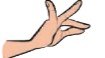 |
Utsanga |  |
Shivalinga | 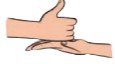 |
| Suchi |  |
Padmakosha | 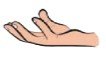 |
Katakavardh -ana | 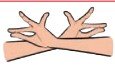 |
Kartari swastika |  |
| Mrugashirsha |  |
Kangula | 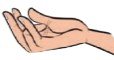 |
Shanka | 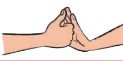 |
chakra |  |
| Chatura |  |
Samdamsha |  |
Samputa | 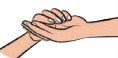 |
Nagabandha | 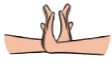 |
| Trishula |  |
Khatva | 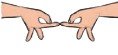 |
Avahita | 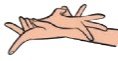 |
||
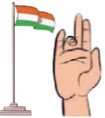
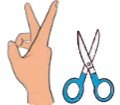
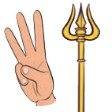
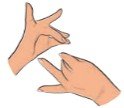
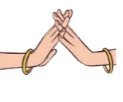
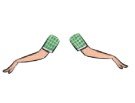
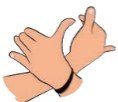
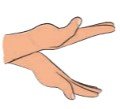
Look at the hand gestures shown earlier. Various hand gestures used in dance are a powerful way to communicate, and express meanings and stories. Now, think where you can use these gestures? Maybewhen you dance, play with your friends, or just for fun in everyday activities! Look at the below-mentioned examples for the usage of the hand gestures.
| Hand Gestures | |||||||
|---|---|---|---|---|---|---|---|
| Tripataka as a flag | Kartarimukha as scissors | Trishula as a three or a trishul | Katakamukhas as wearing earings | Karkata as stretching limbs | Dola as standing in equi posture | Utsanga as hugging | Swastika as an alligator |
 |
 |
 |
 |
 |
 |
 |
 |
Fill in the blanks to show how you can use these hand gestures in daily life.
- Shikhara ____________________
- Ardhachandra ____________________
- Suchi ____________________
- Chatura ____________________
- Samputa ____________________
- Pushpaputa ____________________
- Shivalinga ____________________
- Chakra ____________________
- Sankha ____________________
Now, each of you frame a sentence only with hand gestures, using at least one hand gesture learnt and see if the class can guess what you are saying.
ACTIVITY 15.4
My Arms in Dance
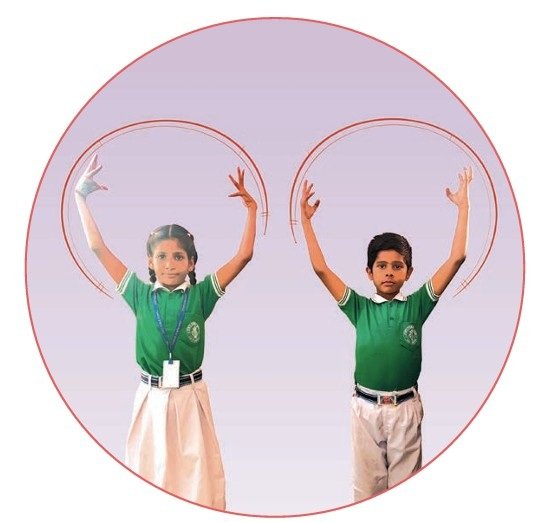
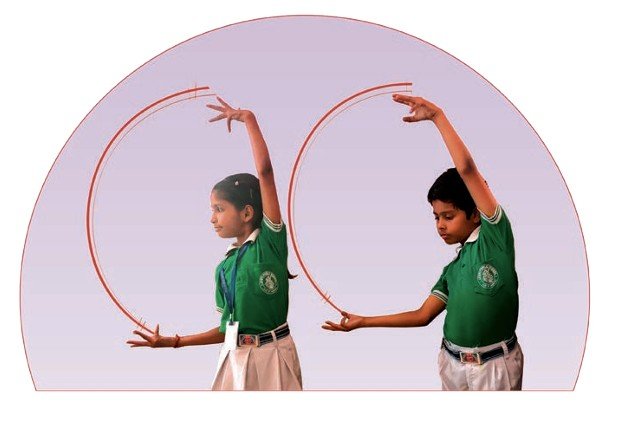
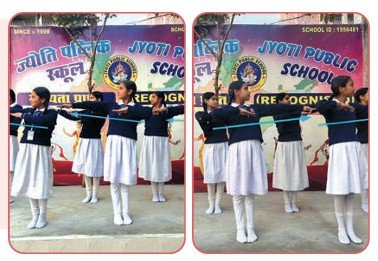
Have you observed how many different ways the arms move in dance? They can move in the horizontal plane, vertical plane, diagonally, or even in half circles.
Now, try to move your arms in geometrical shapes as shown below.
Circular movement: Move both arms from downwards to upwards to form a circular shape as if you are drawing a big circle.
Semi-circular movement: Move one arm from downwards to upwards in a circular way as if you are writing the letter C.
- Horizontal movement
(i) Move and spread your arms from your front to your sides in a curve shape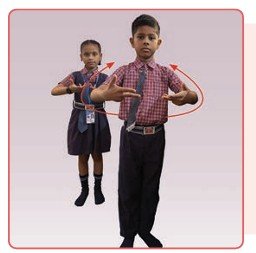 (ii) Move and
spread your arms
to the sides in a
straight line.
(ii) Move and
spread your arms
to the sides in a
straight line.
- Diagonal movement Move and spread your arms to the opposite sides, one upwards and one downwards, forming a diagonal shape.
- Vertical movement Move both arms downwards and upwards in a straight line.
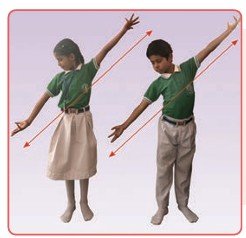
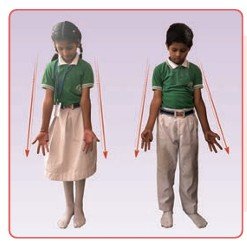
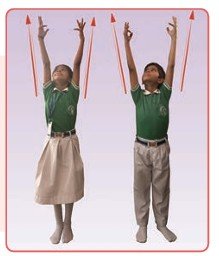
Can you think of other creative ways to move your arms during a dance? Make up your special arm movements and have fun showing them off!
Eyes and Eyebrows
The eyes are equally used to dance and express emotions. Have you observed, when you use eyes you use eyebrows simultaneously while talking, dancing and expressing emotions.
ACTIVITY 15.5
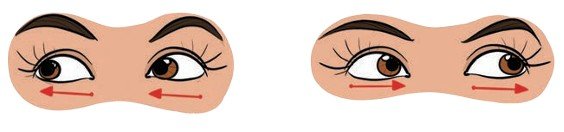
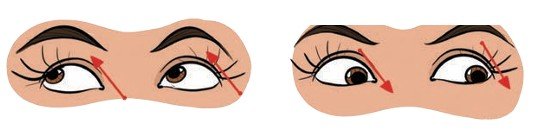
Eye Movements in Dance
Let us try to move eyes following imaginary lines:
- Parallels
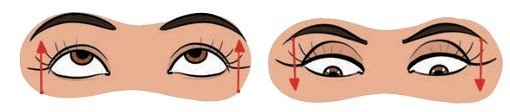
- Horizontal
- Diagonal
- Circular
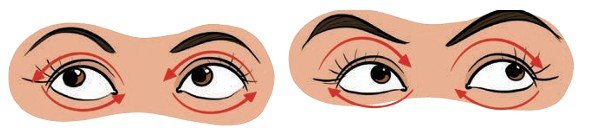
The practice of eye movements also strengthens the eye muscles.
Level 1
Now, combine earlier arm movements with eye movements.
Level 2
Now, combine eyes, arms and feet and use the same sargam to create your own movements.
Formative Assessment
| CHAPTER 15 – MY EVERYDAY ACTIVITIES IN MODES OF DANCE | ||||
|---|---|---|---|---|
| CG | C | Learning Outcomes | Teacher | Self |
| 1 | 1.1 | Enthusiastically dances to a music using rhythm. | ||
| 1 | 1.1 | Understands geometrical patterns with arm movements. | ||
| 1 and 2 | 1.1 and 2.1 | Understands the different ways of movements of the eyes. | ||
| 2 | 2.1 | Understands the concept of movement emerging from stillness. | ||
| 2 | 2.1 | Imaginatively uses hand gestures for actions. | ||