Unit-3
Incredible India
About the Unit
This unit in Grades 3 and 4 has familiarised students with home and communities. In Grade 5, it introduces them to the different features of the larger society and explores the country with its unique beauty and rich diversity. It indicates how a diverse country stands together with a common goal shared and belief, and demonstrates a meaningful development by setting examples for the world. The traditional Indian belief in ‘Vasudhaiva Kutumbakam’ is reflected in its socio-cultural practices.India is a land of colours, voices
and stories, where diverse people,
traditions and landscapes come
together. From school celebrations
to coral reefs and mangrove forests,
and from currency notes to national
symbols — we see how nature, culture
and everyday life are deeply connected.
This journey helps us discover the
richness around us and the shared
care that binds us to our home.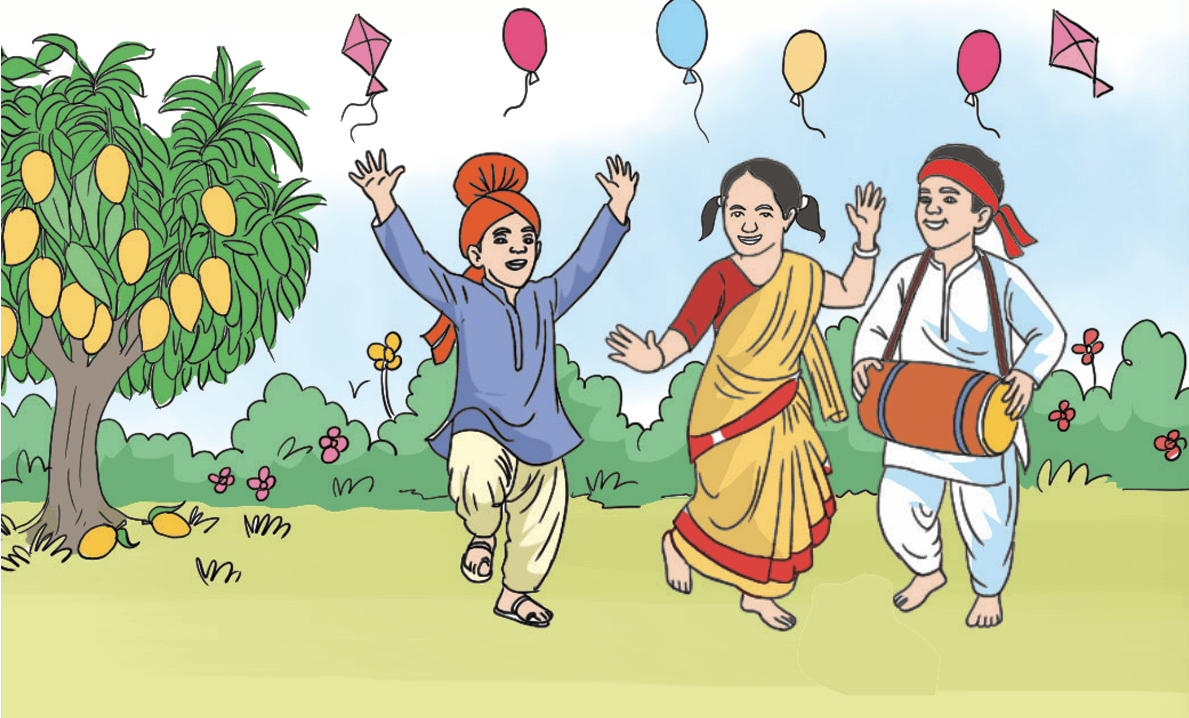
Note to the Teacher
This unit consists of two chapters. Chapter 5 ‘Our Vibrant Country’ and Chapter 6 ‘Some Unique Places’.Chapter 5: Our Vibrant Country
• This chapter introduces students to the vibrancy and diversity of India through familiar events like the Republic Day celebrations in school, national symbols, currency notes, languages, clothing, dance, music and shared values. It encourages students to understand what makes India unique, while also appreciating the unity and spirit of togetherness that ties it all together.Chapter 6: Some Unique Places
• ‘Some Unique Places’ takes students on a journey across diverse ecological regions of India. Through travelling, students explore unique landscapes, rare and endemic species, traditional knowledge, and the deep connection between people and nature. The chapter encourages curiosity, care for the environment, and recognition of India’s natural and cultural richness.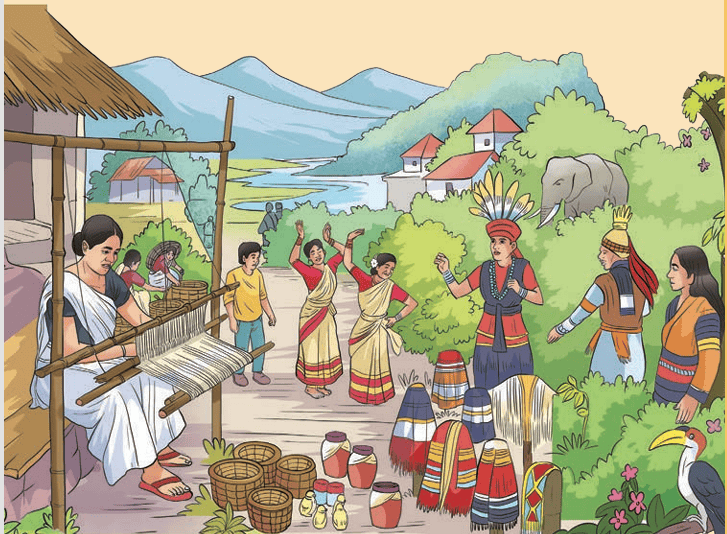
How to Facilitate
- Use the chapter to help students connect their everyday lives to the larger story of India. Encourage them to observe and document local diversity — languages, clothing, festivals and foods.
- Encourage students to reflect on what makes their place special, helping them see their home or school as a unique part of India. Visit local parks, markets, rivers, or community spaces to explore the connections between people and nature. Help children see that their surroundings are also unique, valuable and full of stories.
- Discuss why some animals or traditions exist only in certain places.
- Help students see how traditional knowledge like using scarecrows to keep birds away reflects smart, non-harmful ways for people in staying safe. Encourage them to explore similar examples in their surroundings.

Chapter-5
Our Vibrant Country
A Special Day in School
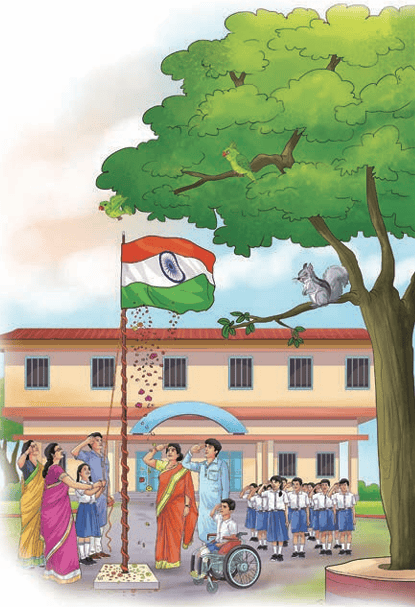
It was 26 January, our Republic Day. We came to school early and all of us gathered around the flagpole in lines. The folded flag was tied at the top. The ground around the flagpole was beautifully decorated with flowers.Our head teacher pulled the rope, and our tricolour flag unfurled to the rhythm of drums and claps. Together, we sang the National Anthem loudly, with pride and unity.
Do you know?
The saffron colour at the top of our National Flag stands for strength and courage. The white, middle band stands for peace and truth, with the blue Ashoka Chakra at the centre representing duty (dharma). The green band at the bottom stands for growth and prosperity.
Republic Day Celebration at Delhi
Write
- What special events or activities take place at
your school on the occasion of Republic Day?
- We sing the National Anthem together on this day! Can
you name some rivers and mountain ranges mentioned
in the National Anthem? Fill in the table given below.
Rivers Mountain Ranges - On Republic Day, which activities would you like to
participate in?
- Have you ever watched the Republic Day parade in Delhi
on television? What did you like the most about it?
Activity 1
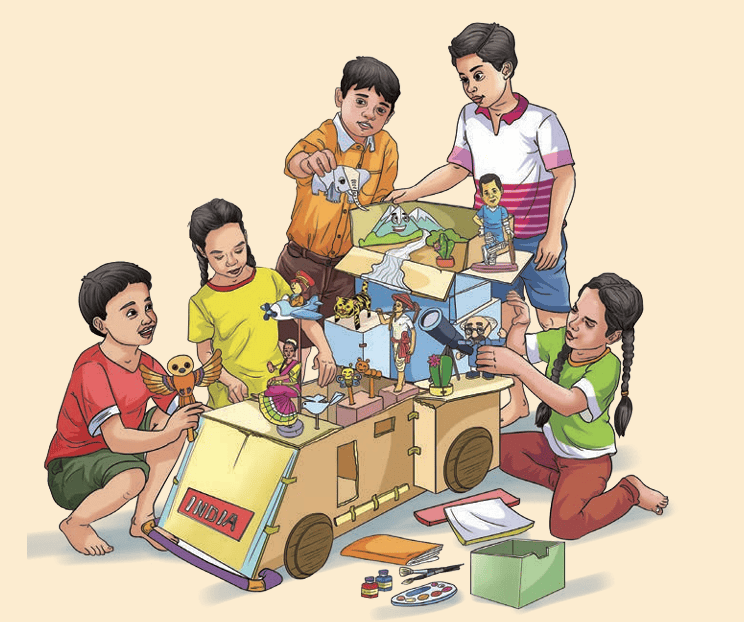
Discuss and list down the various items of your state tableau. Make a poster or a model of it.
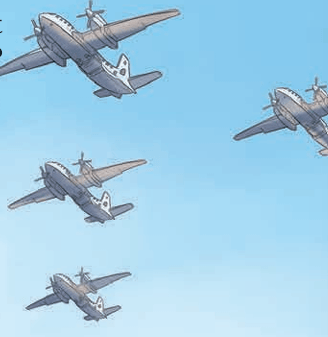
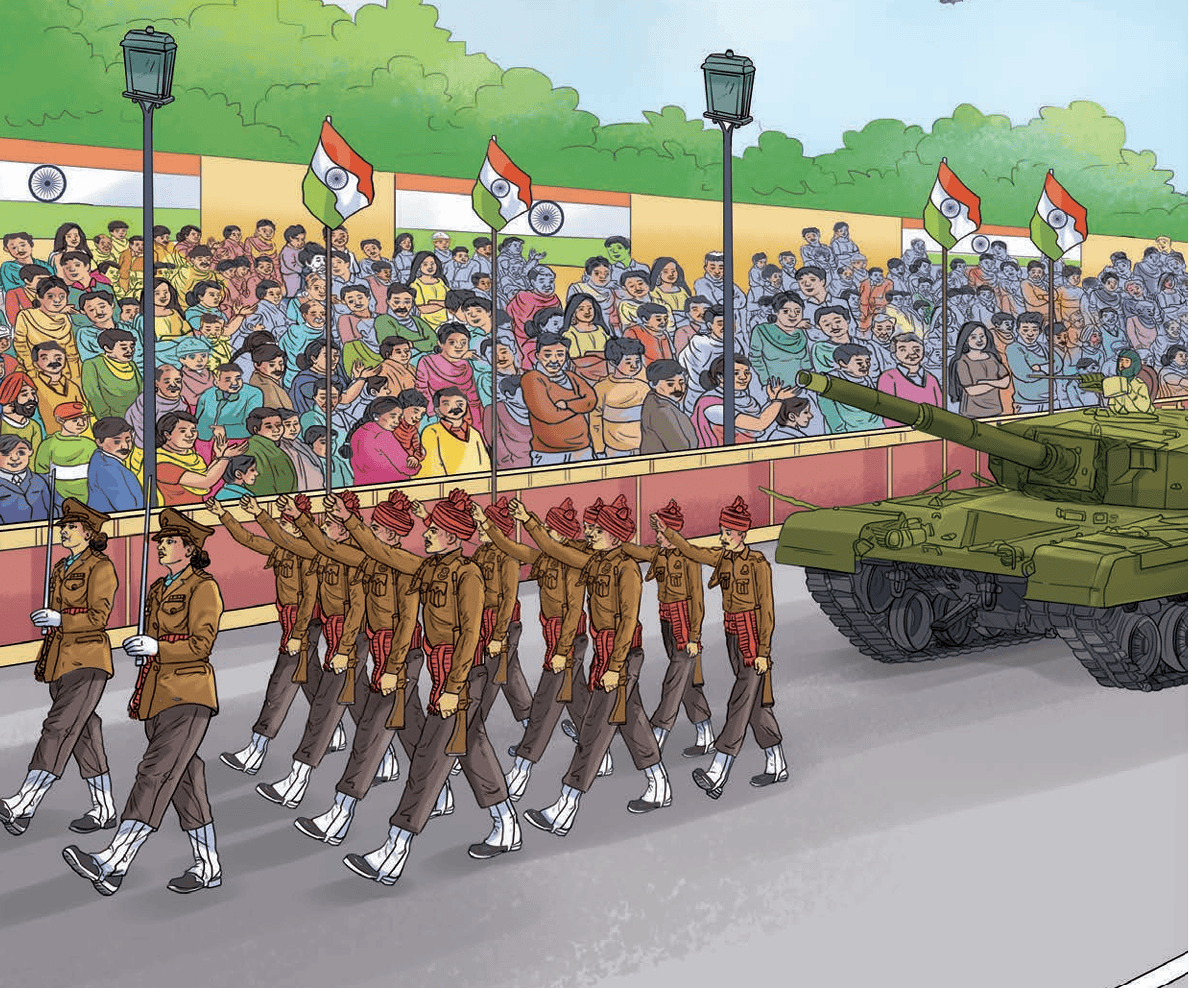
We enjoyed watching the Republic Day parade in New Delhi — the fighter jets flying in the sky, the state tableaux and the cultural programmes! The parade also featured the Indian Defence Forces — the Army, the Navy, the Airforce, the paramilitary and other forces. We asked our teacher why Republic Day is celebrated on 26 January. “We celebrate the Independence Day joyfully. On this day, our country became free! Does this mean everyone could do whatever they want?”, asked Priya.
Do you know?
India became independent on 15 August 1947. Before that, we were not free to take decisions ourselves. Many brave people struggled hard to make India free. We remember their contributions and celebrate our freedom every year, on this day.
“Imagine what would happen if there were no rules”, said the teacher. “In the same way, a country also needs rules to run smoothly, and keep everyone safe and happy. So, we made a plan and a set of rules for our country. On 26 January 1950, we decided to follow this special book of rules called the Constitution. This is why, we celebrate 26 January as India’s Republic Day every year”.
Write
- What special events or activities take place at
your school on the occasion of Republic Day?
Activity 2
Write down five rules that are followed at your school. If you were to make one new rule, what would it be?Note to the Teacher
Teacher will engage all students in making a poster or model of their state tableau. We wanted to learn more about India. The teacher asked, “Have you ever looked at our currency note?”.Finding India in Currency Notes
Activity 3
Write down five rules that are followed at your school. If you were to make one new rule, what would it be?
Then, she asked, “Do you know there are actually two images of him on each note? Hold the note up to the light and see what you can find!”. We all looked at the note in light. We were surprised to see a smaller image of Gandhi ji which we had not seen before.
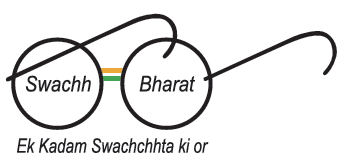
“Did you notice the tiny round spectacles on the currency note?”
These spectacles are the symbol of a nationwide mission called ‘Swachh Bharat Abhiyan’ (Clean India Mission). The symbol is based on the spectacles of Gandhi ji.
When we asked our teacher why this was so, she said Gandhi ji was very particular that everyone should keep their surroundings clean. People who lived in his ashram followed strict rules of cleanliness.Do you know?
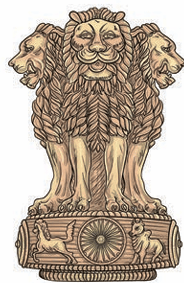 Take a good look at the three
lions standing on a circular
platform. This is the National
Emblem of India, which represents
strength, courage and confidence.
Below the lions, you can also see
the Ashoka Chakra.
Take a good look at the three
lions standing on a circular
platform. This is the National
Emblem of India, which represents
strength, courage and confidence.
Below the lions, you can also see
the Ashoka Chakra. You will see it in several places and documents. It can also be found on your Aadhaar card!
Do you know?
Activity 4
Symbols that Speak
Just like the emblem, our national symbols also remind us of who we are and what makes us proud to be the citizens of India.Write
Read the riddles given below and guess the national symbols of India:
|
I wear orange with black stripes bold,
I walk in the forest, deep and old.
With a mighty roar, I rule the land,
Guess who I am, strong and grand?
National animal of India
|
I dance in the rain in the morning light,
With green and blue feathers bright.
With a crown upon my head, I stand so tall,
It is a joy to watch when I move my tail.
National bird of India
|
Discuss
If we had to choose a national fruit for our country, which one would you suggest? Tell us why.
Find out
States also have some symbols. With the help of your teacher, find out the following symbols of your state.
State animal : _____________
State bird : _____________
State tree : _____________
State flower : _____________
Draw
Spot a tree, bird, animal, flower or object near your school. Choose one as your school symbol. Draw it and write one line on why it can be your school’s symbol.
Our Vibrant Culture
By looking closely at a simple currency note, we discovered that people speak many languages in India. Each language is rich with its own history, songs and stories. More than a thousand languages are spoken across our country.Activity 5
- Find out about the languages spoken by students in
your class and name them.
- Pick a specific word (for example, mango) and have fun learning what it is called in different languages.
| Name of the Language | How is it Said? |
|---|---|
| Tamil | Māmpalam |
| Telugu | |
| Marathi | |
| Bengali | |
Do you know?
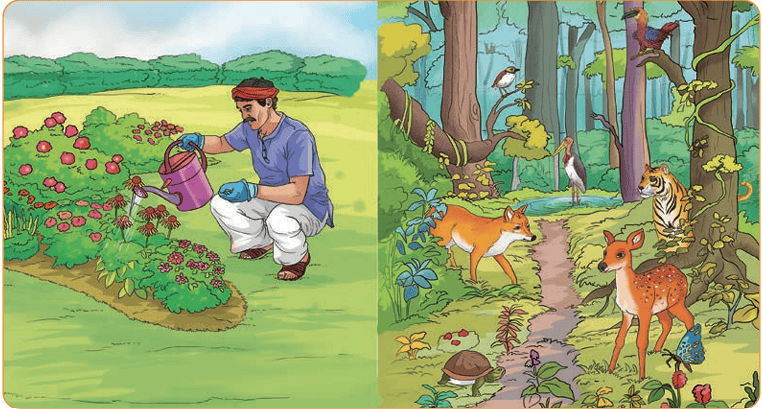 Many gardens have fewer varieties of plants. They
require constant caring and watering. A forest has
many varieties of plants, trees, animals, birds and
insects. It is more diverse. The amazing thing about
a forest is that all the different plants, trees, animals
and birds not only help it to look after itself, but also
help it become stronger and more beautiful.
Many gardens have fewer varieties of plants. They
require constant caring and watering. A forest has
many varieties of plants, trees, animals, birds and
insects. It is more diverse. The amazing thing about
a forest is that all the different plants, trees, animals
and birds not only help it to look after itself, but also
help it become stronger and more beautiful.
As found in a forest, diversity makes our country stronger and more self-sufficient.
Diversity Everywhere
Think of the variety of headgear we see in our country! In Rajasthan, men wear a colourful saafa or pagri. In Himachal Pradesh, people wear a topi. Headgear can tell us where someone is from, what they believe in or what they do for a living. It is a significant symbol of tradition, honour and cultural heritage, particularly in weddings, and other formal occasions in many states of our country.How many headgears can you name?
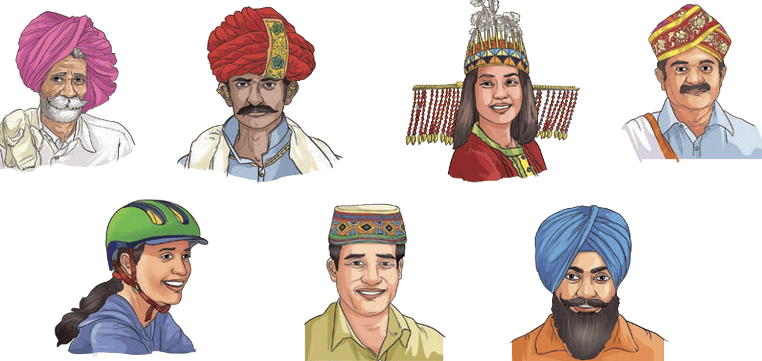
Activity 6
- In small groups, take a dupatta or scarf and help each other make a traditional headgear.
- Create a headgear or cap using waste materials.
Do you know?
 Headgear is also worn for protection from heat
or cold, or an injury. Helmets worn by soldiers,
construction workers, and people working in
mines and tunnels protect them from injury
while they are on duty. Road safety helmets are
worn by motorcyclists and cyclists, which helps
prevent serious head injuries. Helmets are compulsory
and must be worn while we are on two wheelers.
Headgear is also worn for protection from heat
or cold, or an injury. Helmets worn by soldiers,
construction workers, and people working in
mines and tunnels protect them from injury
while they are on duty. Road safety helmets are
worn by motorcyclists and cyclists, which helps
prevent serious head injuries. Helmets are compulsory
and must be worn while we are on two wheelers.
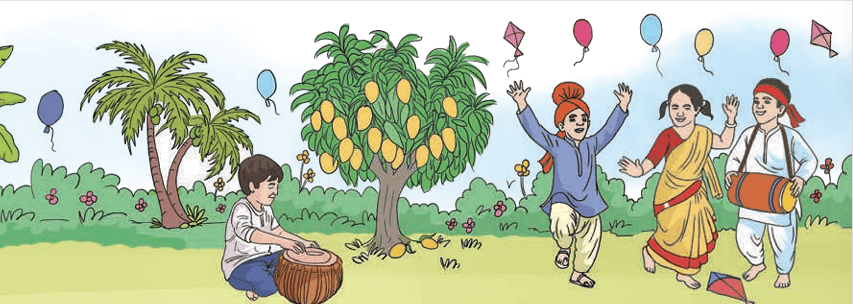
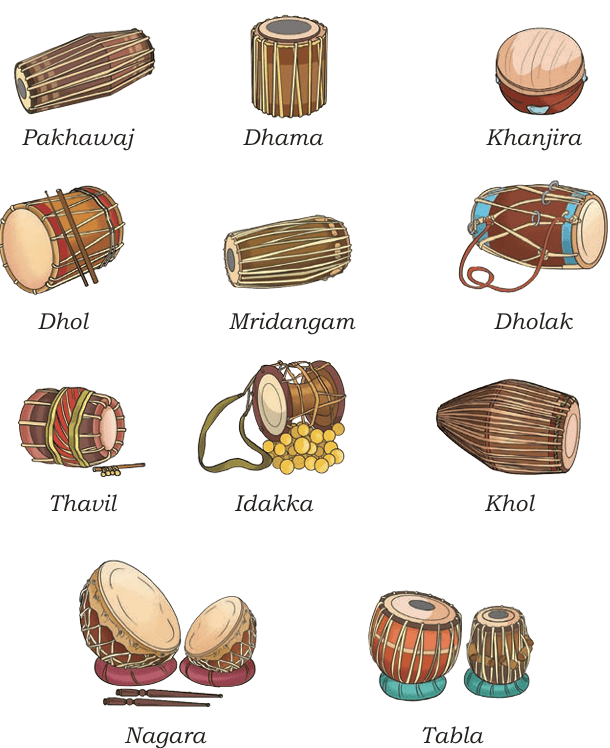
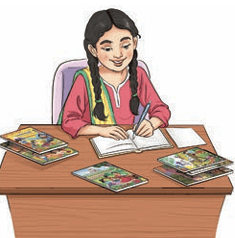 Another aspect of vibrant India is
its art forms including music and
dance, which are ways of celebrating,
praying, sharing stories and bringing
people together. Even a simple
instrument like a drum looks and
sounds different in various parts of
the country. Each drum has its own rhythm and
sound. It is shaped by the local culture, traditions
and materials.
Another aspect of vibrant India is
its art forms including music and
dance, which are ways of celebrating,
praying, sharing stories and bringing
people together. Even a simple
instrument like a drum looks and
sounds different in various parts of
the country. Each drum has its own rhythm and
sound. It is shaped by the local culture, traditions
and materials.Indian Drums
Note to the Teacher
Play different types of music and dance forms, and encourage the students to identify the dance forms, musical instruments, etc.Similarly, we also use a variety of musical instruments for different types of music. Some examples are — mridangam in Carnatic music, sitar and shehnai in Hindustani music, and so on. We also have different dance forms which have originated from different states.
Activity 7
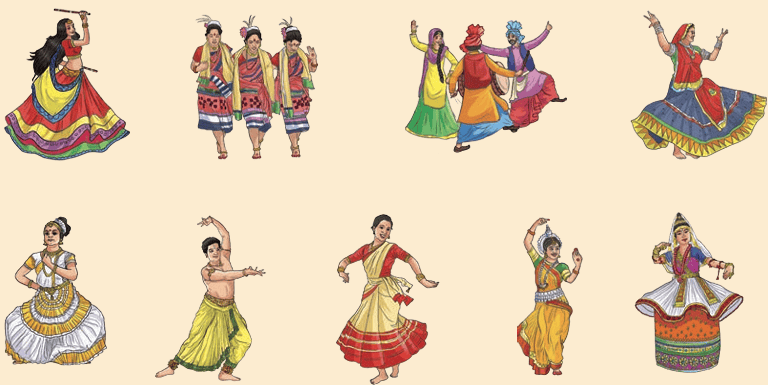
Write
- What are some traditional Indian musical instruments
that you know of?
- Try to make a musical instrument from locally
available materials.
Spirit of Togetherness
India is a shining example of the spirit of togetherness. We have a rich variety of languages, religions, clothing and traditions. We live together, helping and supporting each other.Each region of India tells us a unique story, intertwined together like a thread. All these different threads are woven together into one strong, vibrant fabric, full of energy, colour and life.
 We have a rich history, culture and practices such
as, ayurveda, yoga and meditation. We also have
an exciting future to look forward. Scientists are
launching rockets, farmers are using technology to
grow better crops, and children are learning science
and technology, along with dance and music. We travel in faster trains, send digital payments with
a click, and connect with friends and family across
the country, and abroad in seconds. These modern
changes are not replacing the old norms — they are
adding new colours to it.
We have a rich history, culture and practices such
as, ayurveda, yoga and meditation. We also have
an exciting future to look forward. Scientists are
launching rockets, farmers are using technology to
grow better crops, and children are learning science
and technology, along with dance and music. We travel in faster trains, send digital payments with
a click, and connect with friends and family across
the country, and abroad in seconds. These modern
changes are not replacing the old norms — they are
adding new colours to it.
As proud citizens of India, we all should do our best to care for our rich and wonderful country.
Let us reflect
- If you could learn one more Indian language, which one would you select and why?
- Which monuments do you see in different currency notes? Make a table.
- Identify the currency symbol of India among the images shown below (the clue is in our currency note). Which other country’s currency symbol can you identify?
- Which animals do you see in a `10 note?
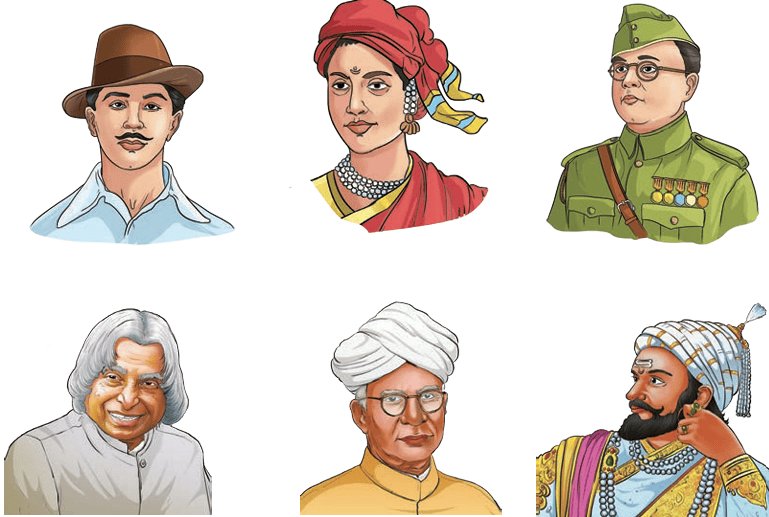
- You must have seen pictures of a few great people of India in your school or any other place. Identify the names of these great men and women shown below, and write a few lines about their contributions.
- Group activity: Find out from your elders about people, who have contributed to the nation from your locality or state, and share what you learnt in the classroom.
Project: Cultural fair
Celebrate the vibrant diversity of India, where every state tells its own colourful story.- Divide the class into different groups.
- Assign each group a different state of India.
- Each group will explore their assigned state and prepare a presentation covering — traditional dress, popular food, festivals, languages, dance or music.
- Set up a cultural fair in the class. Each group can set up their own state booth. Students will take turns and visit other booths, and learn about each state.
- After the fair, gather all the students in a circle and
discuss:
~What are the unique features you found in each state?
~What are the similarities or common values you found?
| Denomination | Monument | Name of the State |
|---|---|---|
| ₹10 | Sun temple of Konark | Odisha |
| ₹20 | ||
| ₹50 | ||
| ₹100 | ||
| ₹200 | ||
| ₹500 |