
Unit 2: My Colourful World
3. The Rainbow
Let us Recite
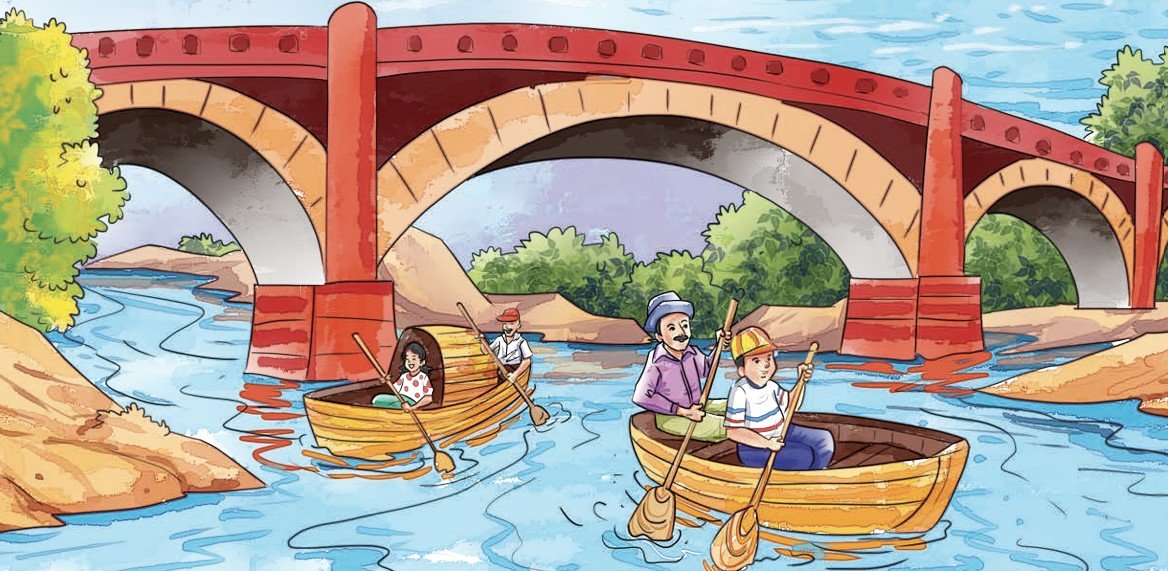
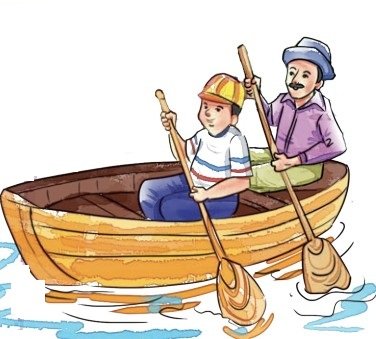
Boats sail on the rivers,And ships sail on the seas;
But clouds that sail across the sky
Are prettier far than these.
There are bridges on the rivers,
As pretty as you please;
But the bow that bridges heaven,
And overtops the trees,
And builds a road from earth to sky,
Is prettier far than these.
– Christina Rossetti
New Words
overtops bridges bow
Let us Think
- A. Answer the following
- 1. Explain the meaning of the word ‘bow’ used in the poem.
- 2. Which bridge does the poet like more and why?
- 3. The word ‘these’ is used for different things in stanzas one and two. What are the things for which ‘these’ has been used in each stanza?
- 4. State whether the following are True or False.
- a. Ships sail on the river.
- b. Boats sail on the sea.
- c. Bridges are built on the river.
- d. A road is built from earth to the sky.
- B. Think and discuss
- 1. What are the ways in which you can cross a river?
- 2. Have you ever seen a rainbow in real life or in pictures? How did you feel?
- 3. If you could walk on a rainbow, where do you think it would take you?

Let us Learn
- A. Rearrange the letters of each word to form a meaningful word from the poem. Write them in the space provided.
- B. Work in pairs. One of you moves a finger around in the circle. When your partner says ‘Stop’, perform the action indicated by the segment that the finger lands on.
| 1. | sial |
| 2. | vierr |
| 3. | sae |
| 4. | oduscl |
| 5. | risebgd |
| 6. | nhveea |
| 7. | eoptvros |
| 8. | owb |
| 9. | droa |
| S | A | I | L | ||||
Let us Listen
- Sit in a circle and listen to the words read aloud by your teacher. Give five rhyming words for each word as indicated.
- Ship – chip, trip, .........., .........., ..........
- Tree – .........., .........., .........., ..........
- Bow – .........., .........., .........., ..........
- Rain – .........., .........., .........., ..........
- Sun – .........., .........., .........., ..........
- Sea – .........., .........., .........., ..........
- Sail – .........., .........., .........., ..........
- And – .........., .........., .........., ..........
- Sky – .........., .........., .........., ..........
- Far – .........., .........., .........., ..........
- Draw learners’ attention to the aspect of sound. The focus should be on the sound and not on the spelling.
- You may select more words according to the level of your learners.
Let us Speak
- Recite the poem given below in three ways:
- a. In a happy voice
- b. In an angry voice
- c. In a surprised voice
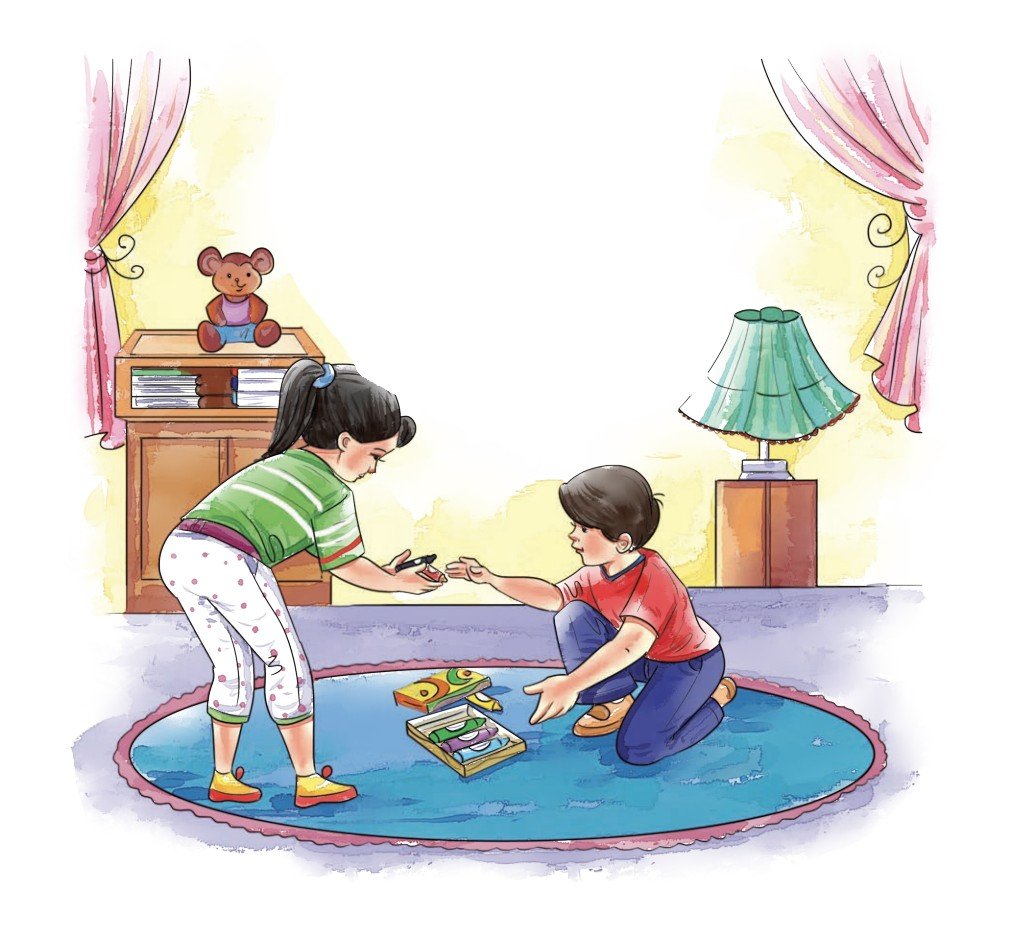
- 1. Colours
You have a few crayons,
Red, yellow and blue.
Green, purple and black,
I have some too
I need the red
and you need the black.
If we share our crayons,
we have a full pack!–
Santoor, Grade 3 - 2. Aachoo!
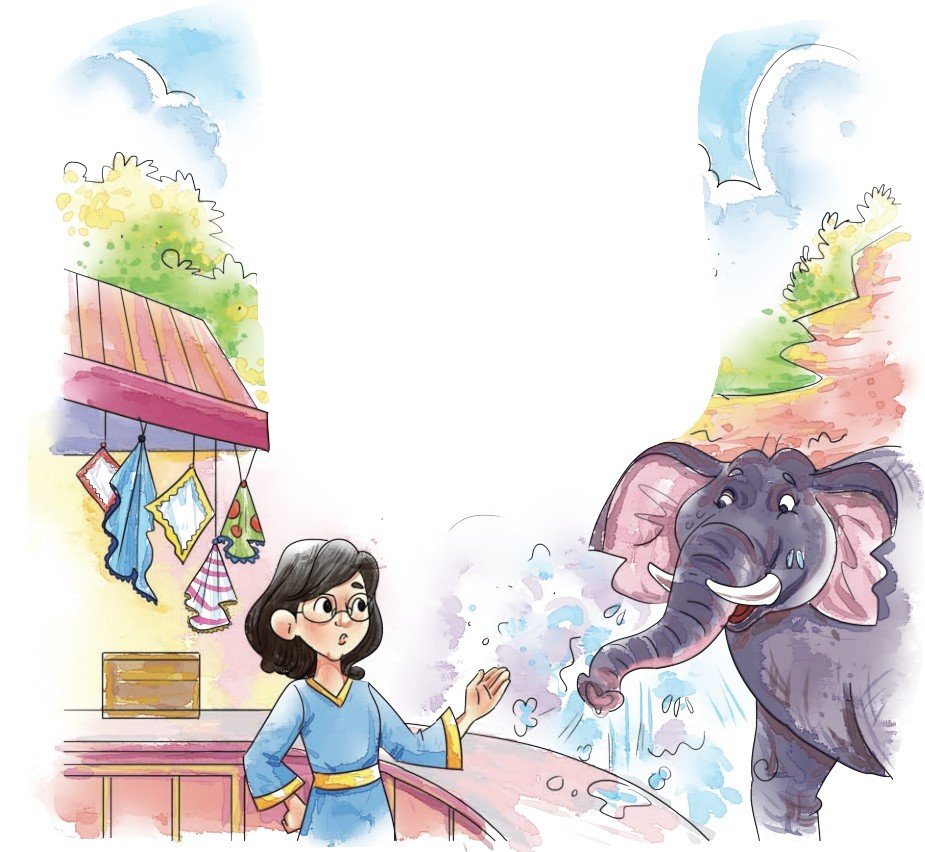
Once a mighty elephant,
Got a mighty cold.
It went to buy a handkerchief,
Where handkerchiefs were sold.
“A hanky for an elephant?”
The sales girl was surprised,
“Sorry sir but we don’t have
A handkerchief that size.”
“AACHOO!” said the elephant.
And shook its mighty head,
“Forget about the handkerchief
Give me a sheet instead.”
–Santoor, Grade 3
You may recite another poem in ‘different’ voices to demonstrate different emotions. Ask learners about feelings that the person reciting the poem is trying to convey. Draw their attention towards gestures and expressions. Learners may recite the poems individually or in pairs.
Let us Write
- A.
- Time of journey and destination
- Purpose of travel
- Whom you travelled with
- Things you liked or disliked during your travel
- Local dishes and snacks
- Monument, landmark or scenery
- Focus should be on the experience of travelling and not on the place visited by the learners.
- Learners may share experiences of travelling to meet their relatives.
- Revisit the rules of past tense before assigning this activity.
- Facilitators are also encouraged to share their travelling experiences with the learners.
- B. A word joins a ‘friend word’ to make new words, as shown below. Complete the table.
- a) I have seen a bridge made of roots in Meghalaya. In the above sentence, the word ‘bridge’ is a noun.
- b) Some planks of woods were used to bridge the stream.
- In the above sentence, the word ‘bridge’ is a verb.
- C. The following words are both nouns and verbs. Create two sentences for each word, once as a noun and then as a verb and write them in your notebook.
- 1. cut
- 2. bat
- 3. picture
- 4. cry
- 5. filter
- 6. dance
- 7. plant
- 8. paint
- 9. fly
- 10. face
- Create sentences using the above words and share them with learners.
- Encourage the learners to work in pairs or small groups and share their sentences with their peers
- D. 1. Write the opposites of the following words in the space provided. All your answers must begin with an ‘S’.
- Learners may require support with vocabulary, which can be provided during the activity.
- A dictionary may be brought to the class for reference.
- E. VIBGYOR—The colours of the rainbow.
- V – Violet
- I – Indigo
- B – Blue
- G – Green
- Y – Yellow
- O – Orange
- R – Red
- F. The following items, generally found in kitchens, add colour and taste to the food. What colours are they? Write them in the column. What do you call them in your mother tongue?
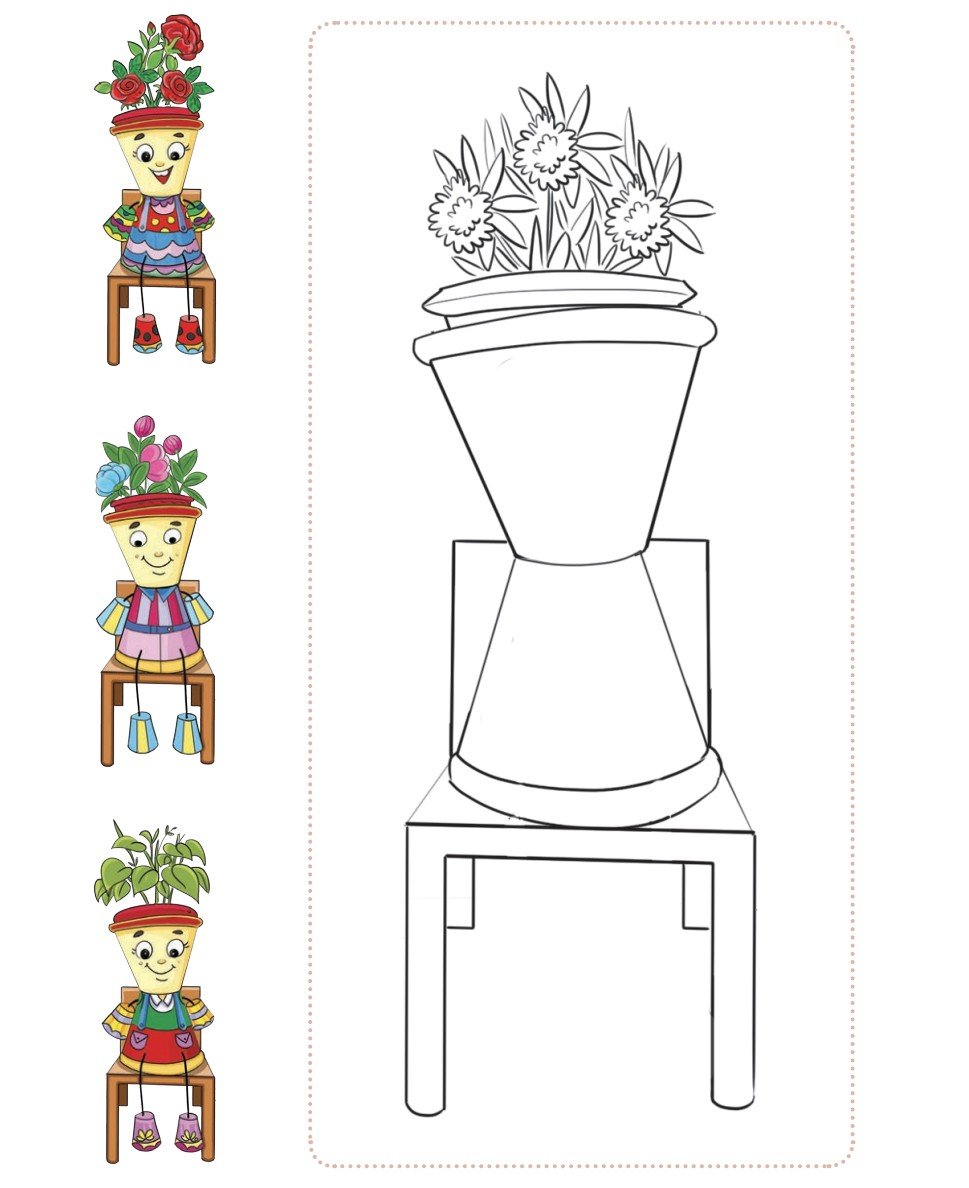
- G. Welcome to the land of flowerpots! Design and colour a Flowerpot Friend!
Write a short paragraph of 80–100 words about your journey to a place you visited recently.
You may include the following points in your paragraph:
| Word | Friend word | New word | ||
| 1. | rain | bow | rainbow | 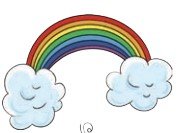 |
| 2. | tea | cup | .............. | 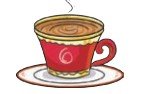 |
| 3. | wrist | .............. | .............. | 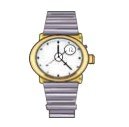 |
| 4. | arm | .............. | .............. | 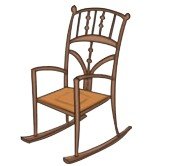 |
| 5. | earth | .............. | earthworm | 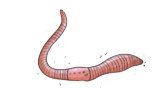 |
| 6. | .............. | .............. | sunflower | 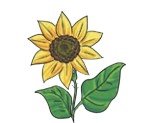 |
| 7. | table | cloth | .............. | 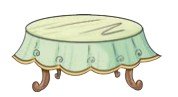 |
| 8. | note | .............. | notebook | 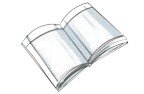 |
| 9. | .............. | .............. | earring | 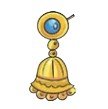 |
| 10. | tooth | .............. | .............. | 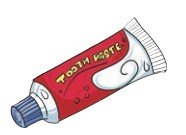 |
Read the following sentences.
| a. | large | × | small |
| b. | weak | × | s........... |
| c. | fast | × | s........... |
| d. | rough | × | s........... |
| e. | dull | × | s........... |
| f. | curved | × | s........... |
| g. | finish | × | s........... |
| h. | addition | × | s........... |
| i. | complicated | × | s........... |
| j. | mild | × | s........... |
| k. | blunt | × | s........... |
2. In small groups, choose a letter of the English alphabet and create an exercise similar to the one above.
VIBGYOR is an easy way to remember the seven colours of the rainbow in order.
When sunlight passes through rain droplets, it splits into these seven beautiful colours forming a rainbow in the sky.
| Item | Colour | Name in mother tongue |
|---|---|---|
| clove | ||
| cinnamon | ||
| dry chilli | ||
| garlic | ||
| curry leaves | ||
| peppercorns | ||
| fennel seeds | ||
| cumin seeds | ||
| mustard seeds |
Let us Do
Do you know these colour combinations? Colour within the outline and write the name of the new colour.Let us Explore
- A. Make a list of different types of boats. Collect pictures and information about the listed types of boats. Make a presentation to depict the differences among them.
- B. Split the class into two groups. One group can talk about human-made things like ships and bridges. While the other discusses natural things like clouds and rainbows. Let them share their thoughts!
Did You Know?
Isaac Newton created a spinning disc painted with the seven colours of the rainbow to show that white light is actually made of many colours! When the disc spins very fast, your eyes see white instead of all the colours.