Chapter 9
Melodies of Diversity
Exploring India’s Musical Tapestry
Objective: Listening and learning songs from various genres of Indian music.
Learn a Manipuri Song
Ha Urit Napanghi
Language: Manipuri
Ha Urit Napangbi, Namana Kouwi Tadabi
Napana Kouwi Khumdabi
Ya hoi hoi Ya hoi Hoi Ya Ya Tahoi hoi
Urit ngangbi khunu Chaijon
Napangi Phouka Ayamba
Ya hoi hoi Ya hoi Hoi Ya Ya Tahoi hoi
Meaning
The bird, Urit, did not hear the mother’s call or the father’s call. Clap your hands and call the bird. The red coloured bird, Urit, is similar to a dove who has a belly and flies high. Clap your hands and call the bird.
Note to the Teachers
We have suggested a few songs from different regions of India. We request the teachers to teach at least five songs from this list. You can also teach regional songs that you think the children will enjoy learning.
Learn a Boat Song from Kerala
Learn a Vanchipattu. Vanchipattu is associated with the traditional boat races, particularly the famous snake boat races that take place in the backwaters of Kerala. These boat races are an integral part of the cultural festivities in the state. They are accompanied by lively and rhythmic boat songs.
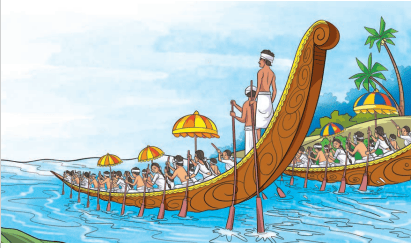
Kerala snake boat race
Kuttanadan Punchayile
Language: Malayalam
Kuttanadan Punjayile
Kochu Penne Kuyilale
Kottu Venam Kuzhal Venam, Kurava Venam Kuttanadan Punjayile, Thithai Thaka Theithei Thom
Kochupenne Kuyilale, Thiti Thara Thei Thom Kottu Venam Kuzhal Venam, Kurava Venam (O ... Thithithara Thithithai Thithai Thaka Thei Thom) × 4
Varavel Kanaaru Venam Kodi Thoranangal Venam
Vijayashree Laali Tharayi Varunnu Njangal (O ... Thithithara Thithithai Thithai Thaka Thei Thom) × 4
Karutha Chiraku Vachu Thithai Thaka Thei Thei Thom
Arayanna Kilipole Thitithara Thei Thom Karutha Chiraku Vechor Arayanna Kilipole Kuthichu Kuthichu Payum Kuthira Pole (O ... Thithithara Thithithai Thithai Thaka Thei Thei Thom) × 4
Meaning: The song depicts the beauty of the Kuttanad region in Kerala, and it expresses a desire to sing and enjoy the natural surroundings.
DO YOU KNOW
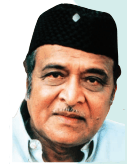
An outstanding musician was born in Sadiya, Assam in the year 1926 whose name was Bhupen Hazarika. He was a playback singer, lyricist, musician, poet, actor, artist, editor, filmmaker and educationist widely known as Sudha Kontho. He used music as an ‘instrument of social change’ and composed inspiring songs. He is a recipient of many national awards including the Bharat Ratna, Dadasaheb Phalke Award and Sangeet Natak Akademi.
In the North East, Assam has Melodies Like Ei Maatire Moro Mote
Let us Learn the song.
Language: Assamese
Ei Maatire Moro Mote
Maatike Sumilo
Ei Maatite Jibon Sobi
Aanki Aanki Mosilo
Door Aakahar Rohon
Kiyono Laage Laage
Haagor Tolir Maanik
Kiyono Laage Laage
Aaanha Aaanha
Maatir Bukut Monor Maaloti Butolon
Monor Koronire
Hooror Paaporire Aaji
Hukumaar Thaapona Hojuwa
Hundor Hudinor
Noton Drishtikona Nomuwa
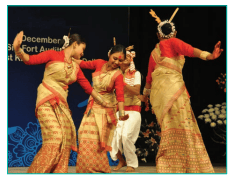
Meaning: The singer expresses affection for the earth and discusses finding joy on it, rather than in the colours of the sky or the pearls of the ocean.
The singer feels all aspects of nature like sunlight or forests, etc., are on the earth and are extremely valuable.
Let’s Go to the Land of Gujarat in the West and Learn the Song, Potana J Dariya Ma
Language: Gujarati
Potana J Dariya Ma
Potani J Doobki Thi
Jaat Nu Amul Moti Lo
Evo Kon Che Khalasi
Mane Kahi Do Ne
Ena Thaam Ne Thekana
Mane Dai Do Ne
Evo Kon Chhe Khalasi
Mane Kahi Do Ne
Goti Lo, Tame Goti Lo Goti Lo
Meaning: The song metaphorically describes life as a journey through the sea. The boat man symbolises someone who provides direction and purpose, while the pearls represent valuable moments or treasures gained through these experiences.
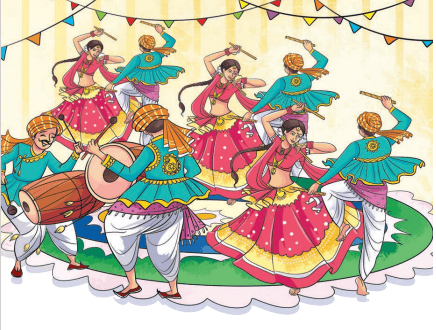
Learn a Garba from Gujarat
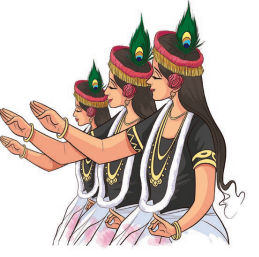
Garba is the name of a traditional form of music and a folk dance which is often performed during the festival of Navaratri. Traditional rhythm instruments such as dhol, tabla, dholak, and melodic instruments such as the harmonium and the flute are played with this form. Body percussion such as clapping, stomping and tapping with the dandiya sticks add more rhythmic layers. The melodic patterns evoke a sense of joy and celebration. The dancer is singing about her love for Lord Krishna (Kanuda).
Taari Baanki Re
Taari Baanki Re Paghaldi Nu
Fumtu Re Mane, Ghamtu Re Aato
Kaunchure Kanooda Tane Amtu
Taari Pagnu Re Pagarkhu Cham
Fumtu Re Mane, Gamtu Re Aato
Kaunchure Kanooda Tane Amtu
Fumtu Re Mane, Gamtu Re Aato
Kaunchure Kanooda Tane Amtu
Taari Baanki Re Paghaldi Nu
Fumtu Re Mane, Gamtu Re Aato
Kaunchure Kanooda Tane Amtu
Let us Learn a Tamil Song
Athinthom
Athinthom Thinthium Thomdana
Thinthaadhi Thinthom
Thakathinthom Thinthium
Thomdana Thinthaadhi Thinthom
Aadaatha Javaathu Manam Aadidum
Bommi
Aandavanai Thaalaatum Isai Keladi
Bommi
En Paatu Vandhalea Manam
Thullidum Bommi
Avan Paatu Illaadha Idam Yengadi
Bommi
Mukannan Muthaaga Thandha Paatu
Padichen
Paatilea Palakodi Nenja Naanum
Pudichen
Athinthom Thinthium Thomdana
Thinthaadhi Thinthom
Thakathinthom Thinthium
Thomdana Thinthaadhi Thinthom
Meaning: This song explores the joy of singing. The song has rhythmic elements which make it catchy.
Kannada Song Cheluvayya
Cheluvayya Cheluvo Thani Thandnana
Chinmaaya Rupe Kolanna Kole
Cheluvayya Cheluvo Tani Tandana
Chinmaaya Rupe Kolanna Kole
Atha Nodu Itha Nodu
Chitradurga Kote Nodu
Hathi Nodu Nanna Tavoorna
Cheluvayya Cheluvo Thani Thandnana
Chinmaaya Rupe Kolanna Kole
Cheluvayya Cheluvo Tani Tandana
Chinmaaya Rupe Kolanna Kole
Meaning: This is a joyful folk song celebrating the beauty of Karnataka. The song invites you to dance and see the beauty of things around including the magnificent Chitradurga fort in Karnataka.
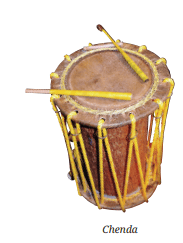
While learning about the different types of songs indigenous to each region in our country, you must have realised the relevance of the title of this chapter ‘Melodies of Diversity’.
O Jind Mahe Bajare
Language: Punjabi
O Jind Mahi Bajare ...
O Jind Mahi Bajare Kumlaiyan
Ve Teriyan Laadaliyan ...
Ve Teriyan Laadaliyan Parjaiyan
Ke Baaji Pher Kade ...
Ke Baaji Pher Kade Na Aiyan
(Umma ... Umma ... Umaa ... Umma ...
Umma ... Umma ... Umm) × 2
Ke Ek Pal Behi Jaana
Ke Ek Pal Behi Jaana Mere Makhna
Ve Tere Baaju Oye
Ve Tere Baaju Veda Sakhna
Ke Ek Pal Behi Jaana ...
Ke Ek Pal Behi Jaana Mere Kol ...
(Umma ... Umma ... Umaa ... Umma ...
Umma ... Umma ... Umm) × 2
Meaning: This song expresses love, and yearning for the return of loved ones and the cherished moments spent together.

Kshatriya Kulavatsana
Language: Marathi
Kshatriya Kulavatansa
Sinhasanadeeshwar
Shrimant Chhatrapati Shivaji Maharaj Ki Jai
Are Aale Re Aale Re (Aale Aale Re)
Aar Marathe Aale Re (Aar Marathe Aale Re)
Shaan Rajanchi Gheun (Shaan Rajanchi
Gheun)
Aaata Rani Nighale Re (Jay Bhavaani)
Aar Tufaan Petal (Tufaan Petal)
Aan Ganim Khetal (Ganim Khetal)
Tar Yekach Naav He
Aamchya Shivabanch Ghetla (Aamchya
Shivabanch Ghetla)
Shwasat Raja R Dhyasat Raja
Ghavat Raja R Bhavat Raja
Jagnyat Raja R Maranyat Raja
He ... Shivba RR ...
Meaning: These lyrics pay homage to Chhatrapati Shivaji Maharaj, praising his lineage, valour and achievements. They express reverence, and admiration for his leadership and courage.
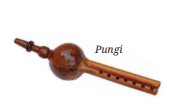
DO YOU KNOW
Indian music has drawn greatly from the traditions and practices of the society. Bhakti or devotion, stands out as the primary motif in Indian musical expressions. Kirtan, shabad, hymns and qawwali exemplify this devotional aspect of music.
Devotional Path to the Divine
Children must have seen people worshiping and singing different types of devotional compositions. Let us learn some of them.
Kirtan
Sung by Bharat Ratna Bhimsen Joshi Language: Marathi
Je Kaa Ranjale Tyaasi Hone Jo Aapuley Tochi Sadhu Odey Khaawaa Dev Tethechi Janava Tukamane Saangu Kiti Tochi Bhagvantyacha Moorti
Meaning: This composition by Saint Tukaram is performed as an abhang kirtan. The song conveys the message, “Recognise a true human being as one who deeply feels, and empathises with the distress and pain of others. God resides in the hearts of such compassionate individuals.”
Shabad
Nanak Chinta Mat Karo,
Chinta Tis Hi Hay!
Jal Meh Jant Upaaiyan,
Tina Bhi Rozi Dey!
Nanak Chinta Mat Karo,
Chinta Tis Hi Hay!
Othei Hatt Na Challaee,
Na Ko Kirs Karey!
Sauda Mool Na Hovaee,
Na Ko Laye Na Dey!
Jeea Ka Aahar Jeea,
Khana Eho Karey!
Vich Upaye Saayera,
Tina Bhi Saar Karey!
Nanak Chinta Mat Karo,
Chinta Tis Hi Hey!
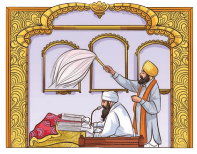
Meaning: Shabad is a song that is sung in gurudwaras. The song advises against worrying excessively because everything is ultimately determined by a divine will. God has created plants and creatures in water. He provides sustenance to them as well. Guru Nanak asks his disciples to stop worrying and have faith. Be it the river or the oceans, the creatures who live in it are able to survive, as they live in accordance with the laws of nature. The Almighty takes care of all creatures.
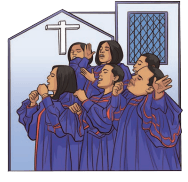
Hymns — Sung in Churches
Give me oil in my lamp, keep me
burning
Give me oil in my lamp, I pray
Give me oil in my lamp, keep me
burning
Keep me burning till the end of day
Come on and sing Hosana sing
Hosana sing Hosana
To the King of kings
Meaning: This song is a Christian hymn. It asks to keep one’s faith and devotion to the almighty. It praises and worships Jesus Christ as the king of kings.
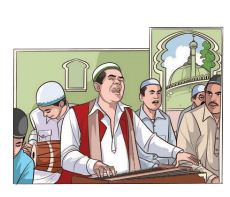
Learn a Sufi Song Mo Mina Ma
Language: Persian
Mo Mina Ma Dudh Leke Ema Yake Jismisha Ma Dudh Lekin Ja Yake Jamaa Guftam Jaan Ha Ye Shaan
Meaning: Listen and learn a sufi song. ‘The Faithful are One Soul’ is a poem from the Masnavi, a collection of anecdotes and stories inspired by the Quran and written in Persian by Jalal ud-Din Muhammad Balkhi, also known as Rumi. The poem ‘The Faithful are One Soul’ speaks of the one divinity within all of us. When we remove the barriers of our bodily covering, we realise that the life force driving each of us, the soul, is the same.
Forms of Indian Music
So, we had fun learning many types of Indian music — classical music, regional music, devotional music, etc. We realise learning songs from various regions is not only fun but also helps us understand the local culture and tradition of different states in our country. Pick different types of song and learn them. Present it in the class, assembly or your friends and family.