Note to the Teachers
Provide students an empty hall with adequate lighting and ventilation. The hall should be large enough to facilitate movement. Guide the students to form groups and work as a team.
Pedagogy Principles
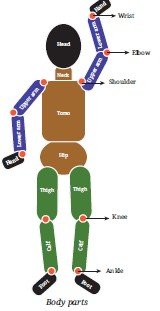
1. Help children with awareness of body parts and how they move in respect to the joints.
2. Importance of breath while moving the body — inhale while extending and exhale while contracting — physical wellness through dance and movement.
3. Introduction to the varied dance forms of India, both classical and other traditional forms.
4. Emotions and expressing emotions — encourage the children to explore and express their emotion. It can be an important tool for emotional catharsis.
5. Hand gestures, a way of expression — importance of sign language and awareness of inclusivity.
6. Gender sensitisation and breaking barriers of gender identity.
7. Importance of cooperation and collaboration when building on a theme or idea with movement.
8. Cultural diversity of India.
9. Being familiar with notable Indian dancers.
10. Holistic appreciation of dance and movement.
Chapter 12
My Body in Motion

What were you all doing before moving in the dance class?
• Talking with your friends?
• Playing number games using your fingers?
• Reading a book?
• Singing by yourself ?
... what else can you do?
Whatever actions you were doing might have involved some small or big movements.
In this world, all living beings move in their own style. Everyone has their own positions, postures, gestures and movements.
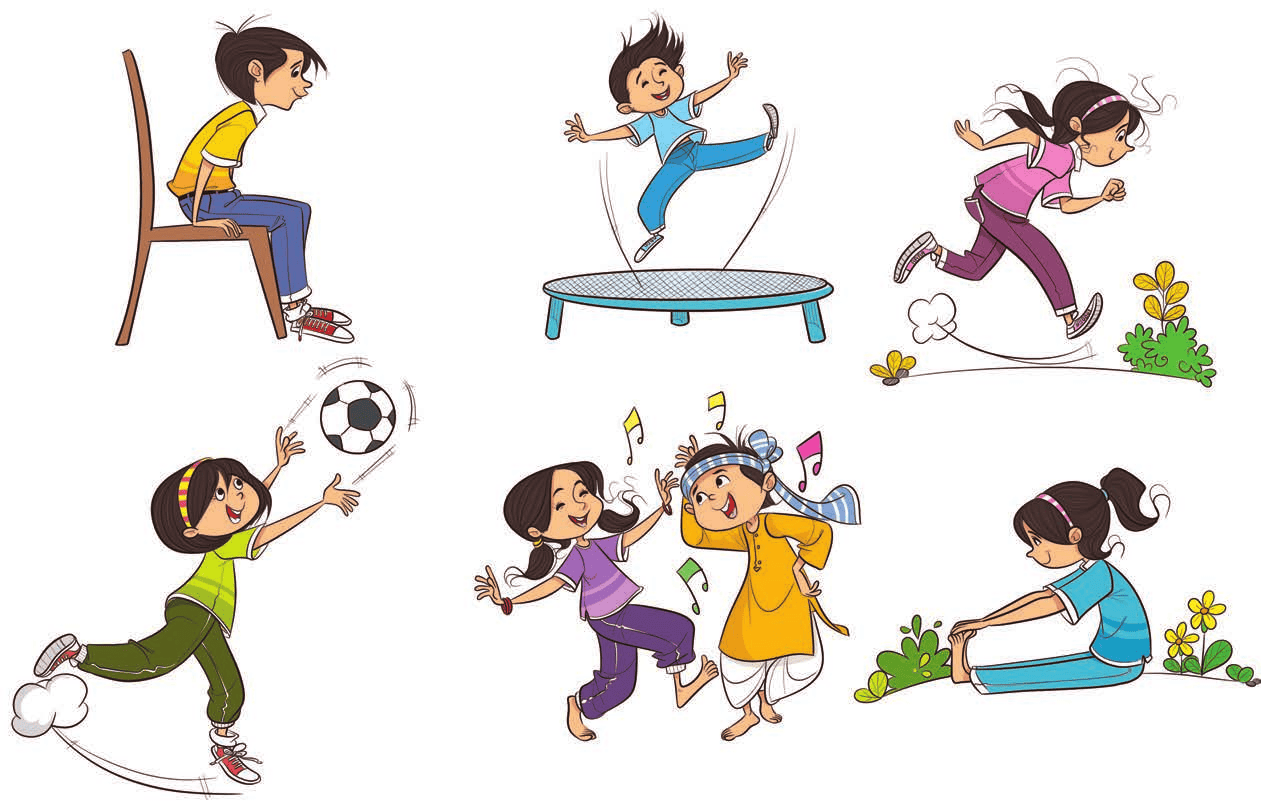
Movement means change in position, place or posture. For example, performing exercise, playing with the pet, riding bicycle or any other action which involves your body.
Activity 1: Routine Body Movements
Observe yourself. What different types of activities you perform at home and at school. Everyday we carry out various movements.
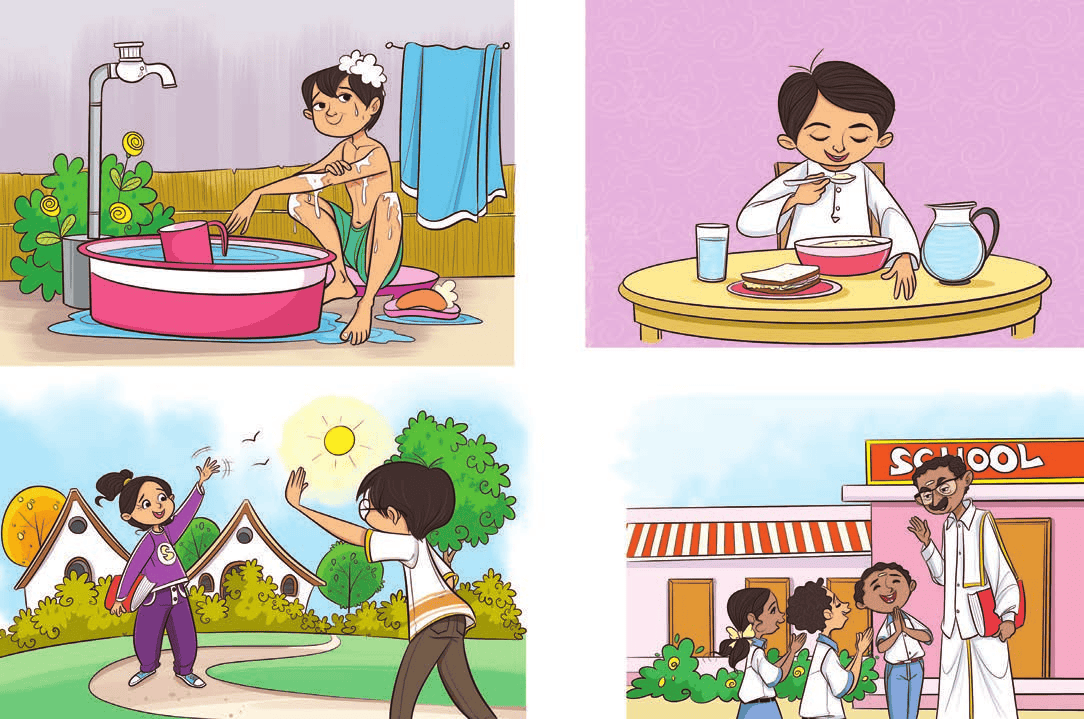
Now, it’s time to recall all the activities of your routine and demonstrate it in the class, using all your body parts.
Dance Forms — Place of Origin
Different Shapes and Postures
In our country, there are eight forms of classical dance which use all kinds of different bents of the body called Bhangas. They are—
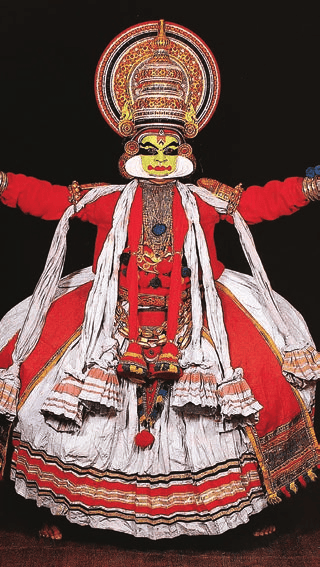
Dance Form: Kathakali
Place of Origin: Kerala
Posture: Sama Bhanga
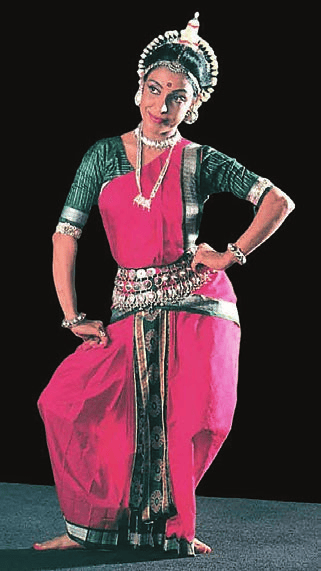
Dance Form: Odissi
Place of Origin: Odisha
Posture: Tribhang
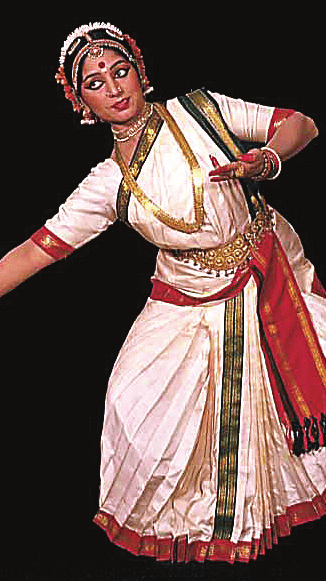
Dance Form:
Bharatanatyam
Place of Origin: Tamil Nadu
Posture: Dwibhang
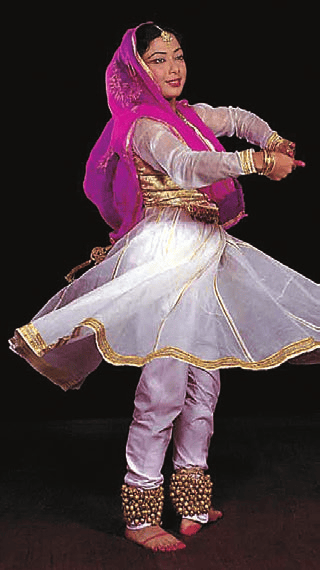
Dance Form: Kathak
Place of Origin: Northern India
Posture: Sama Bhanga
In the Indian classical dance traditions, the middle vertical line of the body is important.
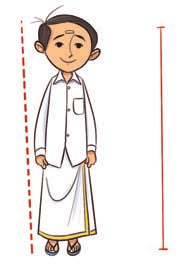
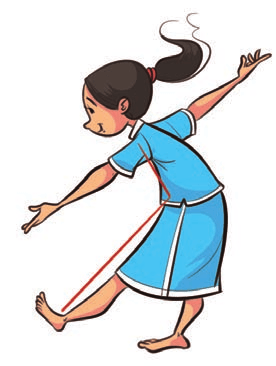
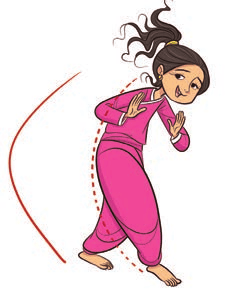
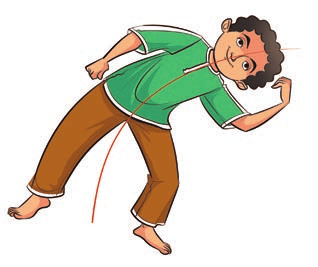
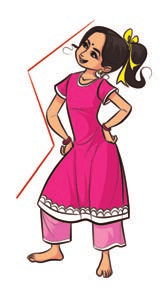
Different shapes and postures
Yes … these are the postures which you might have observed in dances.
Activity 2: Incorporating Spinal;Bents and Steps
Examples
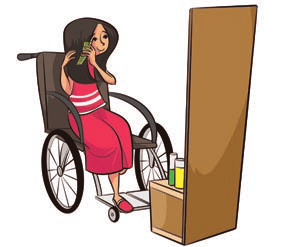
Getting ready for school
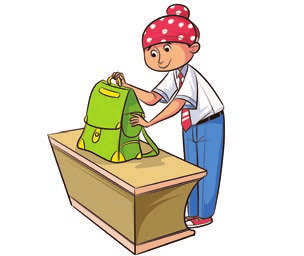
Picking up your backpack
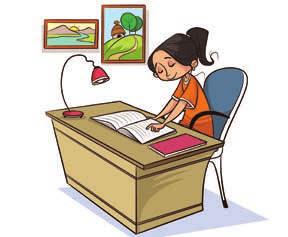
Sitting down to study
For instance, stand straight and do four beat steps like tap – toe – tap – tap. Move right leg to the right and show tap – heal – tap – heal l in a rhythmic way.
(You can play an instrumental music for this activity or use sargam or swara learnt in music class.)
Discuss with your friends about how different spinal bents, beats and movement (tha ka dhi mi or tha thin thinna) can be combined and performed in a group.
Make a team of four or five.
Each team will decide how to arrange various spinal bents and postures in a movement series. Try using basic steps you had learned and repeat the movement phrase while enacting the action.
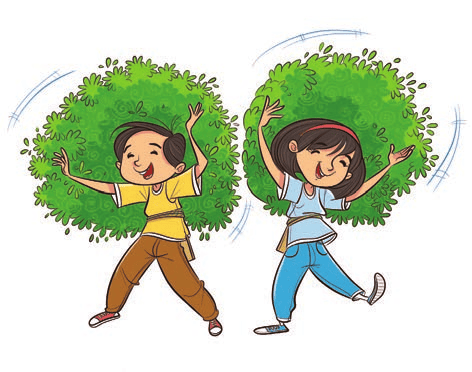
A swaying tree
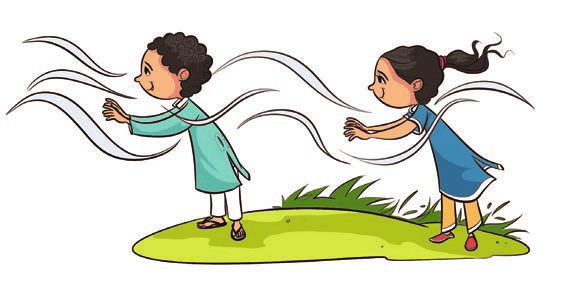
A river flowing
This activity is going to give some basic ideas for your upcoming dances and movements.
Examples

Let us explore another element of dance that is an expression, bhava.
Expressions or bhavas are your own feelings, seen on your face or are the feelings of others as seen by you. They are known as navarasas (shringara or beauty), hasya (humour), karuna (greif and compassion), veera (bravery), raudra (anger), bhayanaka (fearful), veebhatsa (disgust), adbhuta (wonder), shanta (calm).
Activity 3: Practice of Different Facial Expression
Look at your friends, teachers and parents … everyone has at least some expression on their face. Isn’t it?
Note down these expressions and try to identify their names. For example, worry, fear, surprise, joy, guilt, anger, humor, sorrow and disgust.
As you assemble in the dance class, have a discussion together on expressions seen earlier on each other’s faces and make a note of the same.
How many expressions can you identify? Can you connect the expressions to the navarasas?
Wow! Have you done such an activity before?
Can you express your feelings with facial expressions and your body?
How did you feel expressing different feelings?
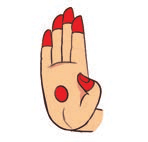
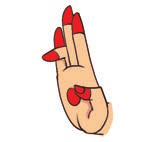
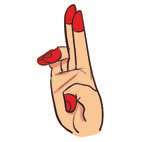
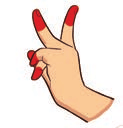
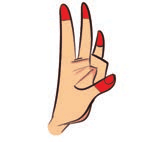
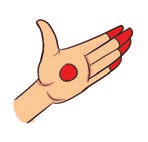
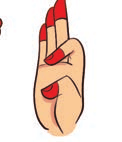
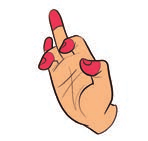
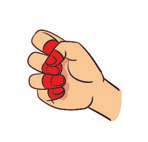
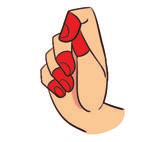
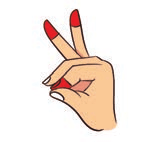
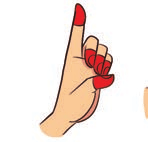
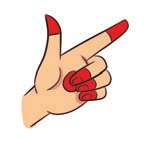
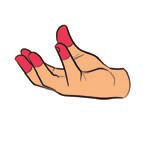
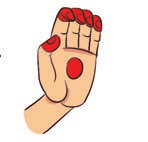
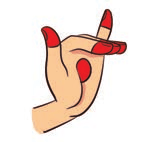
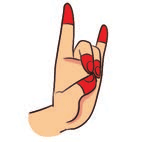
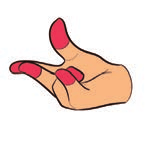
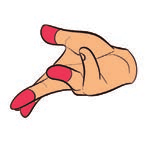
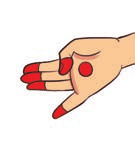
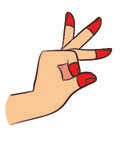
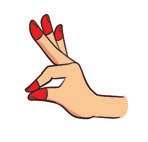
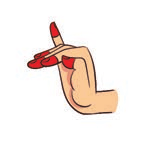
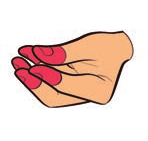
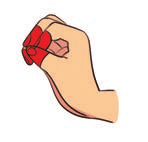
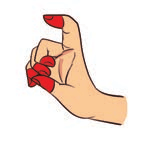
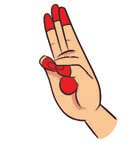
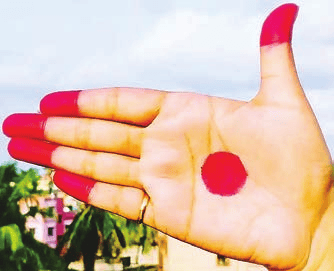
Activity 4: Practice Hastamudras

Dance
Samyukta Hastamudras — Joint Hand Gestures
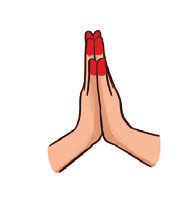
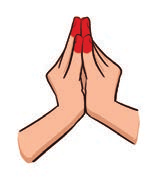
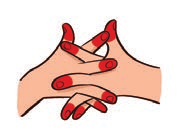
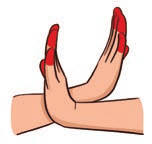

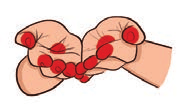

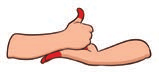
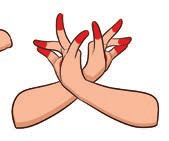
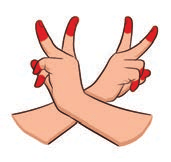
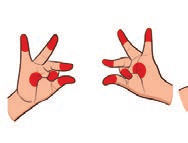
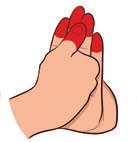
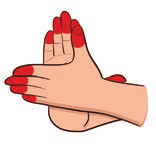
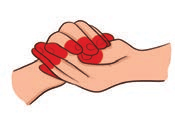
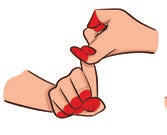
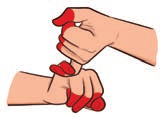
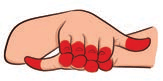
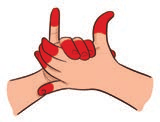
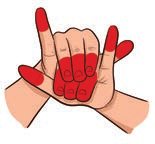
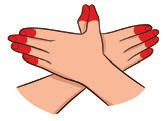
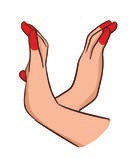
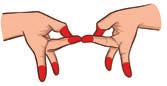
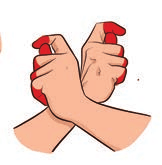
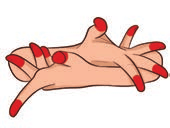
Some Hastamudras Names and Usages in Dance Try out conversations
using hand gestures
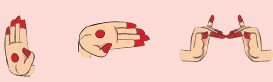
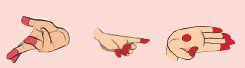
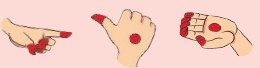
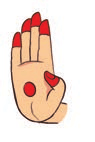
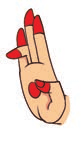


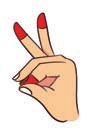
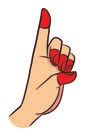
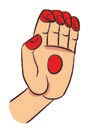
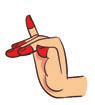
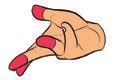
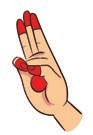
The Indian Sign Language has gestures which are similar to hastamudras.
Now, try out some hastamudras or hand gesture yourself with your imagination.
Activity 5: Dance to a Song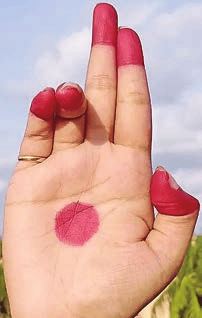
Using the various body bents, steps and hand gestures which you have learnt, create a small dance phrase for the lines of your chosen song.
Did you have fun with this activity?
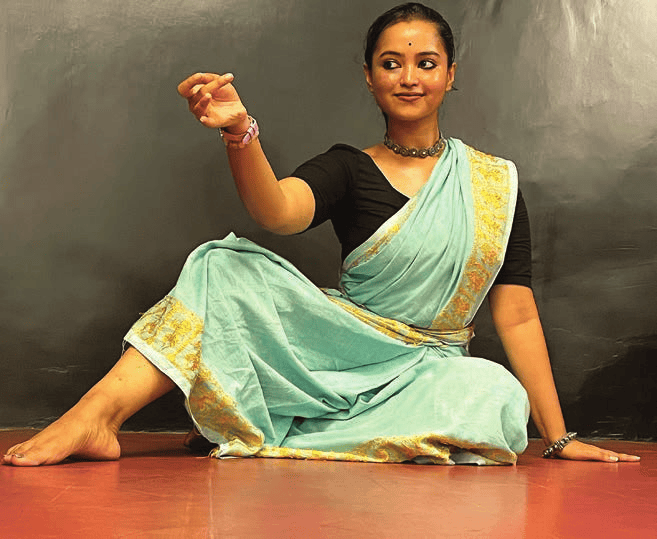
Activity 6: Sequencing a Dance of a Song
• Each group chooses two lines of a song which they have learnt in the music class.
• Discuss within the group and arrange the steps and actions to the given portion of the song.
• Joining dance phrases together to make a complete dance is called choreography.
By merging one group with another, show your choreography by puting the entire song together.