Theatre for Middle Stage
Creative, Positive and Joyful
In a subject like theatre, which is about stories, expression and imagination, there will be no wrong answer. Encouraging students to think out of the box, experiment with ideas and express themselves in unique ways would be an ideal environment. A classroom that feels safe for a child to share their ideas freely, without being mocked at or laughed at is what will make a theatre class fruitful. Building this mindset in teachers as well as among the children to encourage mutual respect and support among classmates is a great way to foster holistic learning.
Connect Theatre to Real World Skills
As the children begin to understand more about the world around them, facing situations and handling emotions that are more complicated than before, theatre becomes even more relevant. Emphasising the skills gained through theatre becomes crucial. Emotional skills like empathy gender and handling failure along with life skills such as public speaking, problem-solving and teamwork help students recognise the practical applications of theatre, beyond being an actor or a director.
Attend Performances
Encouraging students to watch live performances or bring guest artists and expose them to professional theatre and inspire their own artistic aspirations would go a long way in theatre education.
Understand Individual Learning Styles
Recognise and accommodate diverse learning styles within your class. Some students may thrive with hands-on activities, while others may prefer written or visual learning. Provide an option for the child to choose their mode of communication (written or oral) and keep the focus on the conceptual understanding. This takes away the stress from the child’s mind to allow free thinking and creativity.
Emphasise Collaboration
Theatre is a collaborative art form. Build in teamwork and communication skills by incorporating group activities, ensemble performances, and collaborative projects. This not only builds team skills, but also enhances individual character and aptitude.
Circle Time
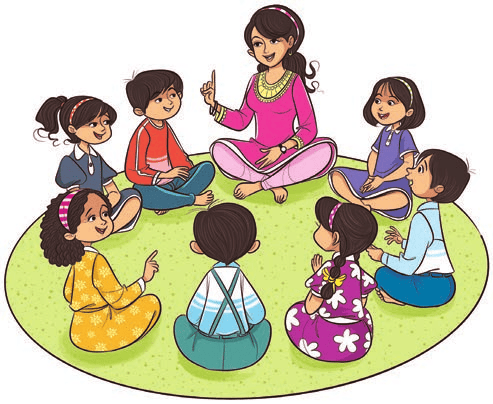
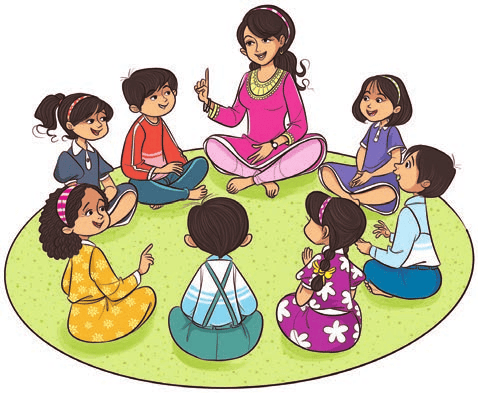
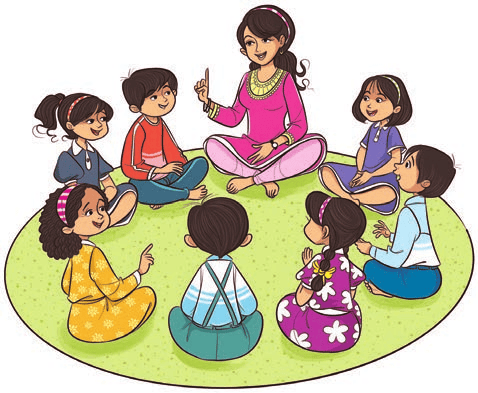
A practice to be followed by the teacher in every class. The last 10 minutes of the period are allotted to this circle time. All children, along with the teacher sit together, for what seems like an informal reflection of thoughts and opinions. Children open up freely when they know there are no expectations, no marks or grades attached. This can be a source of crucial information that no test or exam can provide. But this is informal only for the child. The teachers are required to take notes for themselves, that can be applied in their next lesson plans.

Chapter 16
Emotions Unveiled!
SCENE 1
Understanding Emotions
As we start our first theatre class, write one word to describe how you are feeling.
We will now explore, experiment and play with emotions! Sounds like fun? Let us now get on the HOT SEAT.
Instructions: The default position is — heads down. Eyes closed. Pay attention.
You will hear a story. Listen to it carefully. Start imagining. Be fully involved in the story. The story suddenly stops and you will hear the word — ‘LOOK’. You have to look up quickly and react to that situation in the story where it stopped.
Basic: Simple situation that ends in a dramatic reaction.
Example 1
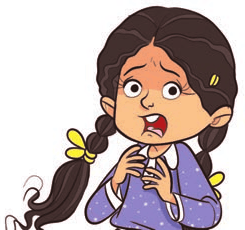
Advanced: Story continues after the first reaction. They FREEZE in the last reaction and continue to listen … and react at LOOK. Many twists and turns can be brought into the story, asking for a reaction at every twist in the tale!
Example 2
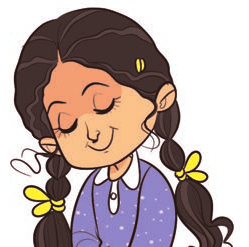
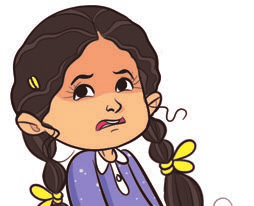
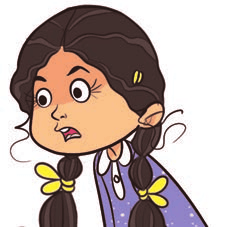
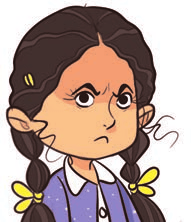
You know, there are some situations when you can feel two emotions, at the same time. For example, you are playing with your friends and you lose the game because one of them cheated.
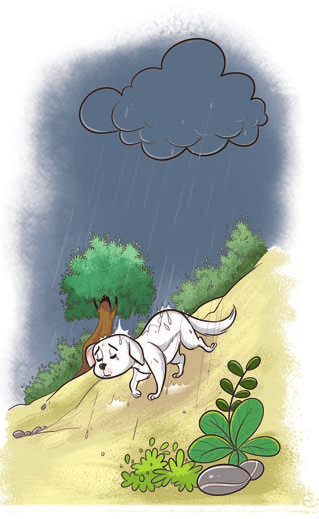
What are the two emotions? sad (for losing the game) and angry (a friend cheated). What emotions would you feel when you see a puppy getting drenched in the rain, but you cannot go out to help because you have a cold and it is raining heavily.
and
We all go through such combination of emotions. Sometimes it could be three emotions too! But that is fine, as long as you know what emotions you are experiencing. Since you can now not only identify your emotions but can also name them; it is very important to look within yourself in different situations and identify what you are going through.
All of us go through many emotions every day. People have been thinking about emotions for many centuries. We, by just playing a game, could list out so many names of emotions. Imagine how many they must have listed after having worked on it for years! How many do you think they must have listed? 50? 100? More? Actually, it is … NINE!
Just nine? How? What about the others? Who are these people?
After years of study, observation and analysis, the ancient rishis of our country classified emotions into the concept of ‘Navarasa’. Can you believe that all the emotions that we have discussed, can be categorised under these nine rasas?
This is primarily done on the basis of two fundamental elements — rasa and bhava.
Have you noticed this — in a situation, what you feel is different from what your friend feels. The reason is the difference in bhava in both of you. Because you had a different bhava (different attitude or thought) it gave rise to a different rasa (feeling that was experienced).
Examples
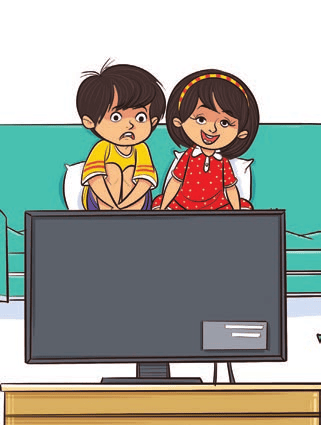
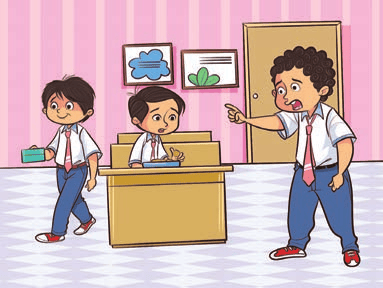
1. You are watching a match of your favourite sport with your friend. Your team wins. You are thrilled. Your friend is happy but not very excited because his favourite player did not score well.
2. You are having lunch with your friend. A bully in class comes and makes fun of the both of you, laughs and goes away. You get irritated, but put it away and say ‘who cares’. You notice that your friend is crying in a corner, feeling very hurt.
In both these cases, though the situations are the same, what emotion and experience rise (rasa) depends on what basic attitude or thoughts you have (bhava).
The great rishis of India, had thought of this in their work on emotions and the human mind. Based on their study, they classified the rasas (our experience) into navarasas (nine rasas).








Now, you can fit all the emotions that we have discussed, into one of these nine rasas! Try doing it.
Navarasa Game
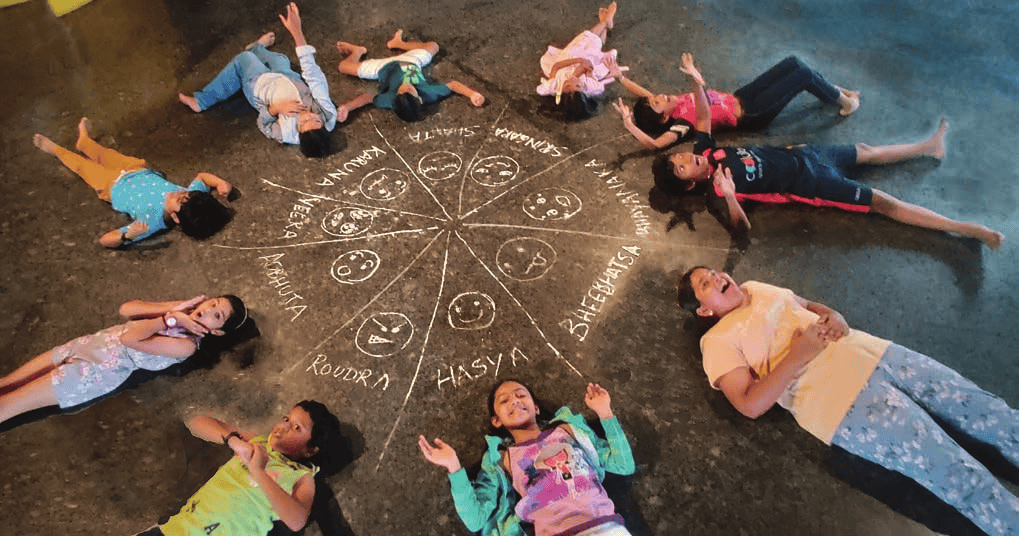
Play this fun game to get familiar with the navarasas. Draw the navarasas in a circle in the centre of the room. All children go around the circle when the music is played. The music stops and the rasa that is nearest to the child should be expressed. The learner who will not able to perform, will go out of the circle. Music is played again and so it goes on. Alternatively, nine boxes can be drawn on the floor instead of a circle.
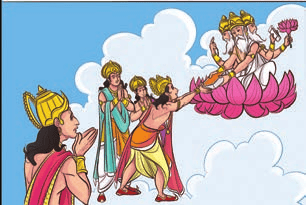
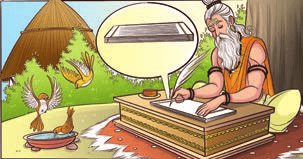
This concept of rasa, is a very small part of the big work on performing arts. It has everything from the most basic idea of how to read a story to the possibility of attaining moksha through the arts! It speaks about everything including make-up, costume, lights, music, dance, rehearsals, discipline, safety and responsibility of the arts towards the audience. This great work on the performing arts is called Natyashastra, written by Bharata Muni.
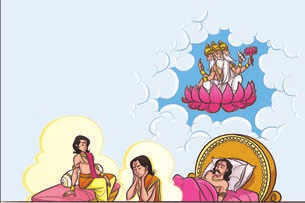
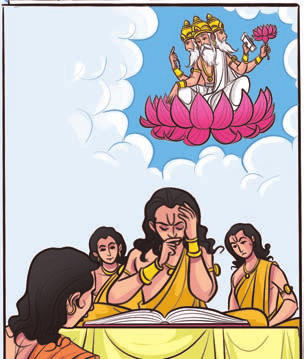
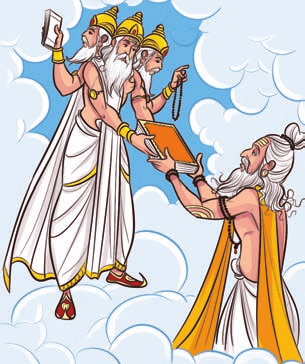
An interesting story of how it all began, called Natyotpatti (birth of performing art)

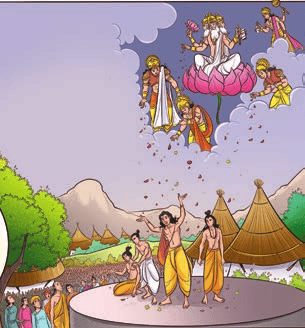
Scene 2: Exploring Emotions

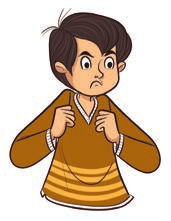
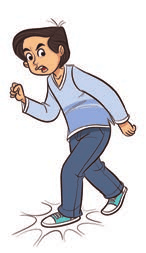
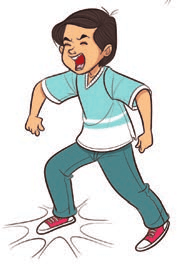
suddenly stops and you will hear the word — ‘LOOK’. You have to look up quickly and react to that situation with voice and action.
Basic: Simple situation that ends in a dramatic reaction.
Advanced: Story continues after the first reaction. They FREEZE in the last reaction and continue to listen … and react at LOOK. Many twists and turns can be done in the story, asking for a reaction at every twist in the tale!
Extended: Children volunteer to create stories of their own and narrate with ‘POSITION’, ‘FREEZE’, and ‘LOOK’, while the other children react.
It is wonderful to see how you are not only able to identify the emotion in the situation but also express to communicate it using your face, body and voice. Like we were wondering how people must have looked at and analysed emotions centuries ago and explored navarasa in India. We will now look at how emotions in performance were looked at, in other countries.
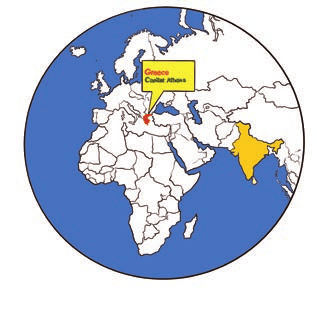
Map not to scale Artist representation
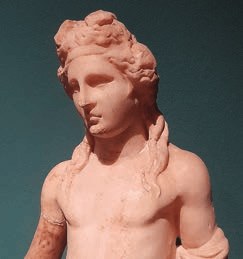
Dionysus — Greek God of entertainment
The oldest known origin of performing arts outside of India, is the Greek Theatre, around fifth century BCE.
Dionysus, the God of entertainment, was responsible to maintain a good crop harvest of grapes — main agricultural produce in Greece. Back then, the people of Greece used to celebrate the Dionysian festival to please their God. During this, they used to sing hymns in praise of Dionysus and the chorus was called Dithyramb. As a part of the ritual, a goat was sacrificed while the songs were sung.
Songs sung during the goat sacrifice ritual (ode) led to the term ‘Tragodia’ (Trag — Odia), which means the ‘Song of the Goats’, which led to the term, tragedy.
Stories and performances based on this were the first plays. They were all tragic plays. They were serious and had a sad ending with the protagonist (the main character) of the play either being punished or dead.
More and more such stories were being performed and many years later, (around fourth century BCE) the stories began to see changes where there were happy endings and enjoyment in the story. This was the beginning of comedy. The origin of the word comedy, similar to tragedy, is from the Greek terms — ‘Komos’ (enjoy) and ‘Odia’ (song). Comedy dramas have a happy ending. These include elements of humans, animals and Gods in their plays. They also included dance sequences and a dialogue directly with the audience or the playwright.
Observe this picture of a Greek theatre performance. What do you notice? All three actors are wearing masks.
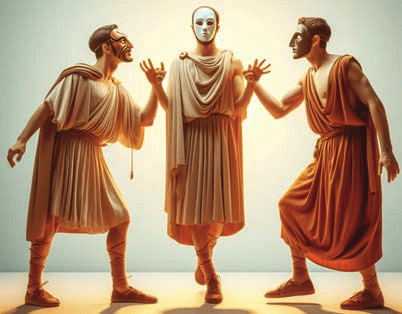
A Greek play in action
Masks were an important part of Greek theatre. This is also linked to the reason why they preferred tragedy.
Tragedy is actually serious and sad. Did the Greeks like to be sad and cry all the time? No. It helped them to release their suppressed emotions and pain. This is called catharsis. You will learn more about it in higher grades. Masks helped in relating to the character and not the person acting.
You must have seen these masks many times, right? But what do you think they represent? You can guess from what we have studied.
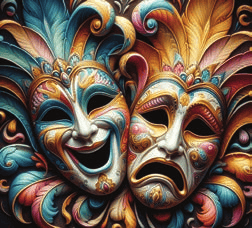
Tragedy and Comedy
So the next time you see these masks, you know the story behind it.
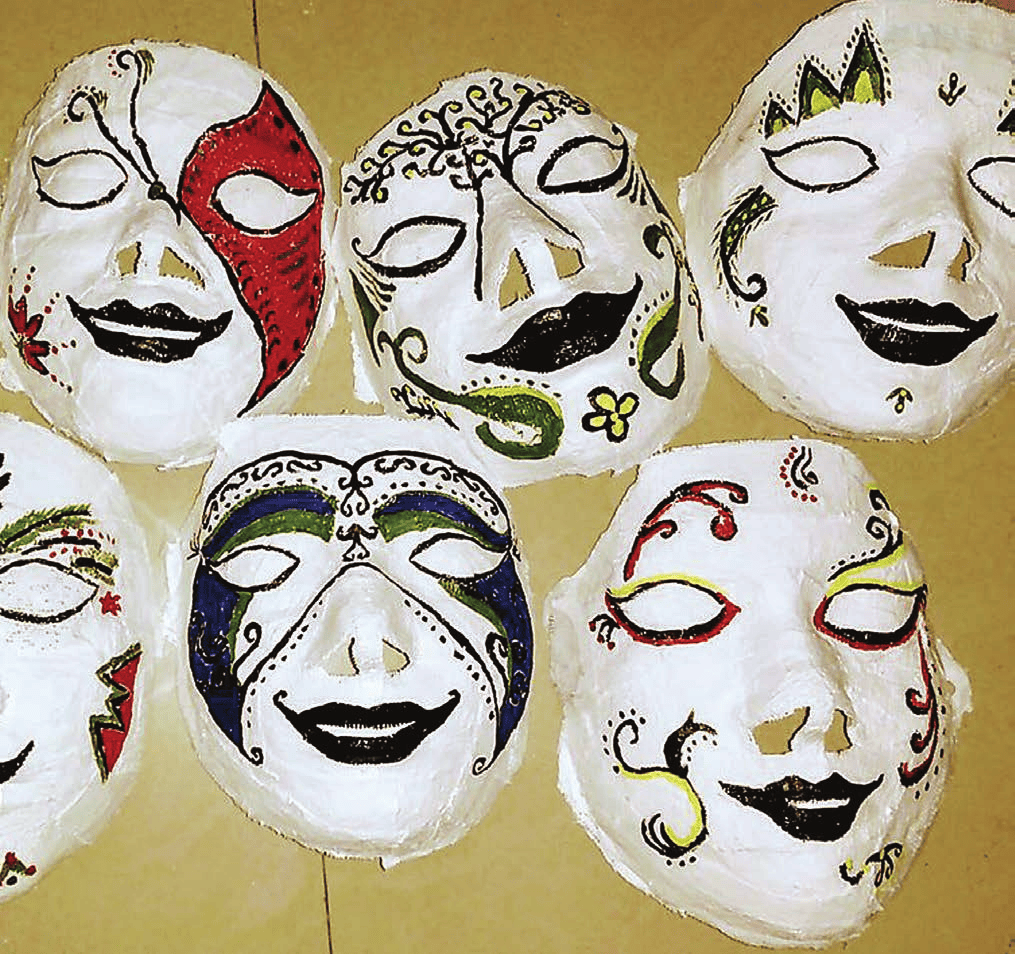
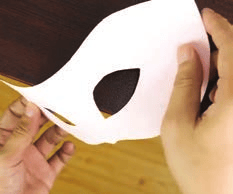
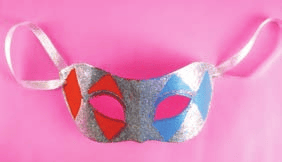
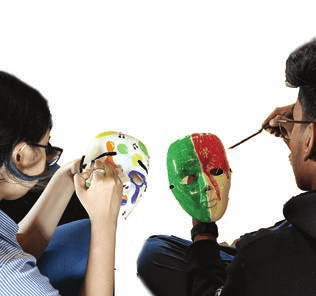
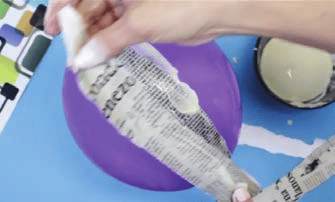
Activity — Masks and Emotions
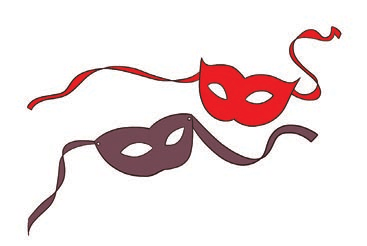
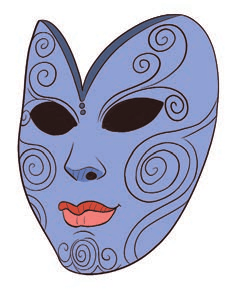



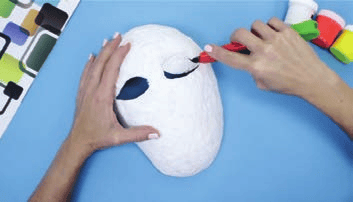
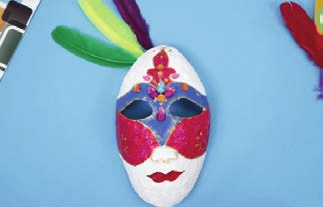
Here are some examples —