Chapter 1
The Ever-Evolving World of Science

We hope you enjoyed your adventures with Curiosity in Grade 6, and are now ready to continue our journey into the wonderful world of science. This again, is not just a textbook with facts — it is an invitation to question, to perform experiments, and to explore, as we try to understand the beautiful world we live in. The world of science covers everything — small and large, near and far. We may be looking at tiny cells inside a leaf, or the movement of the sun and the stars. We may be testing out the materials around us at home, or discussing how water flows underground. As you go through the chapters in this book, you will start new adventures that challenge your thinking, expand your knowledge, and help you become an explorer, making small discoveries for yourself.
Before we dive into our exciting journey, take a moment to observe something special about this book. Look at the page numbers — they follow the playful flight of a butterfly and the soaring of a paper plane! Just as a butterfly flutters freely and a paper plane flies into the sky, learning takes flight when curiosity leads the way. Did you know that something as simple as a paper plane inspired real scientific explorations of flight? From early inventors studying bird wings to modern engineers designing aircraft, the dream of flying started with simple observations and experiments. So, as you turn each page, let your imagination take flight exploring new ideas, discovering wonders, and reaching for the skies!
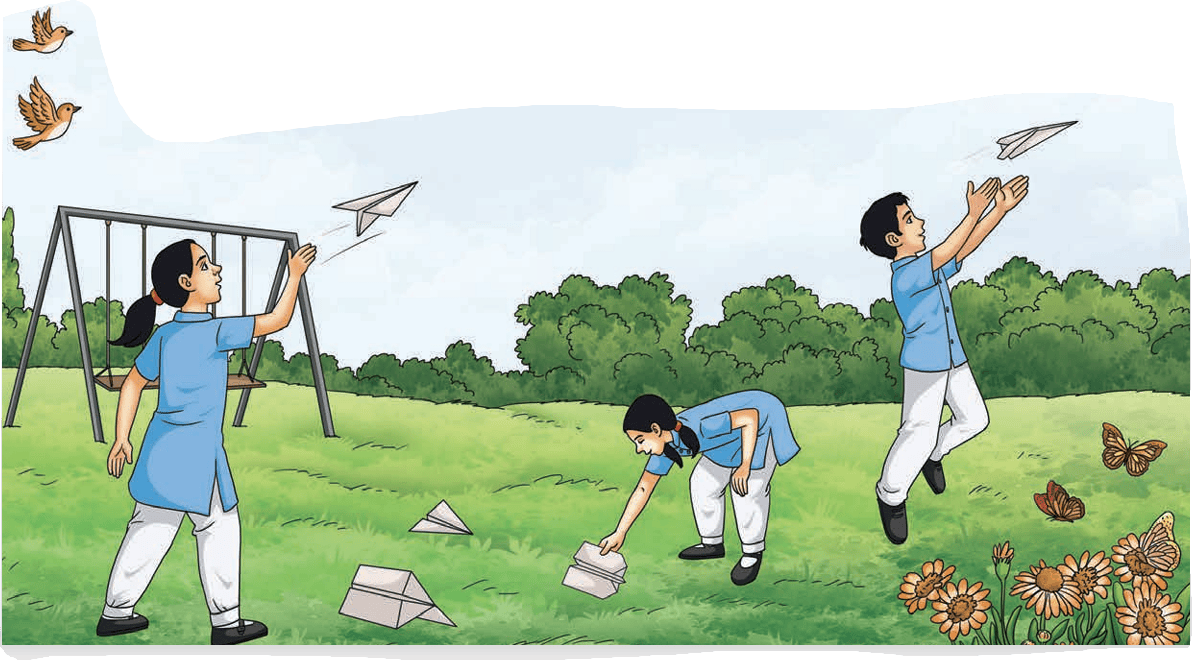
Exploration, of course, isn’t just about discovering new facts
or learning about different things in nature. Science, as we said
in Grade 6, is a process, so it is about a way of thinking that
welcomes curiosity, asks questions, and is open to the unknown.
In Grade 7, we will try to ask deeper questions: How do things
work? Why do events happen the way they do? And what can
we learn from the patterns that we see in nature?
To do this, we have to step out of this book, step out of the
classroom perhaps, and experience the world through activities
and experiments. These are experiences that we hope will not
just be interesting or exciting but also serve as stepping stones
to a deeper understanding of the environment we live in and of
our place on this planet. We believe that this will also help you
to see science as an ongoing process of discovery. And not just
about discovery alone, but also about responsibility. As young
science explorers, you will soon see how human activities are
linked to what happens in the natural world and are connected
to the society we live in. You will, we hope, also see the role that science can play in addressing environmental challenges and
help in creating a more sustainable world.
But let’s get back into this book for now. You will read about
topics in different fields of science, from physics and chemistry
to biology and earth sciences. While they might appear as different chapters, just as we had said in Grade 6, they are all interconnected. Scientific ideas in one area often inspire
discoveries in another, or at least allow us to ask questions in
another area. So, let’s take a quick journey through our book for
this year. We will start by looking at the properties of materials
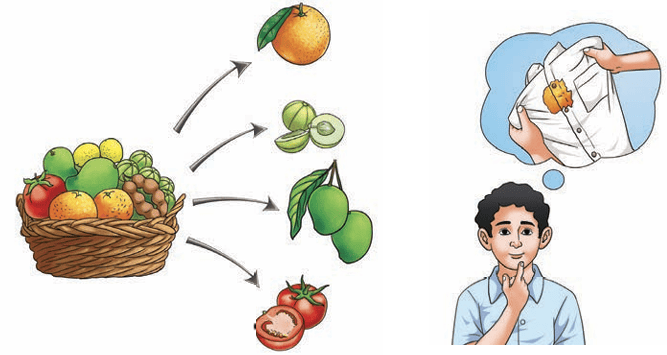
around us, mostly the things we experience but perhaps never ask questions about — why are some fruits sour? What happens when we wash a haldi stain on our school uniform?
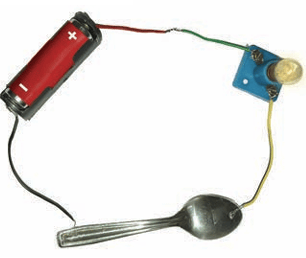
We then move on and play with some electric batteries, lamps and wires to try to find other kinds of properties of materials. What kind of materials do we need to make a lamp glow? This will lead us to classifying materials based on their properties — and we will enter the world of metals and non-metals. We know from our experience that a torch battery runs out eventually, and can’t be used again. We’ll explore what kind of changes happen around us.
Some changes can be reversed and others cannot be reversed.
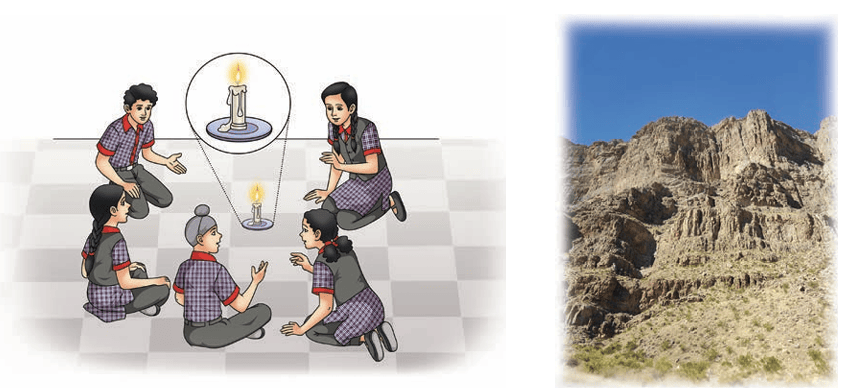
Batteries run out, ice melts into water, fruits ripen, rocks break
into pebbles… what kind of changes are these? Some of these happen, or happen faster, when things are heated. We will look at how heat flows — whether it is the melting of an ice cube in a glass, or the melting of a glacier. Water is, of course, everywhere, and with the heat from the Sun, it evaporates from the seas and falls as rain, perhaps trickling down into the ground, somewhere far away.
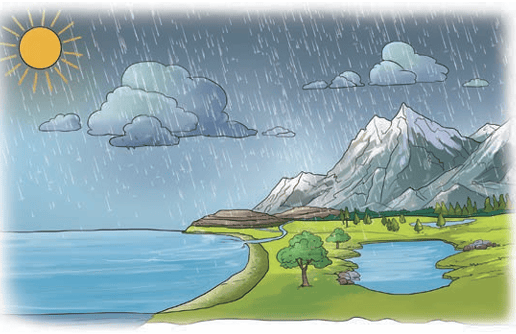
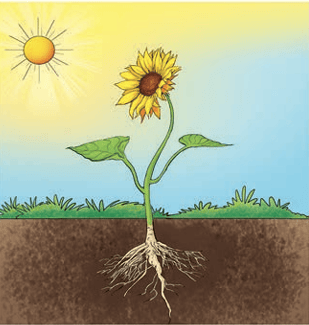
However, it isn’t just changes in materials around us that we see, or the hidden changes in water that we do not see. As we are growing, our bodies are changing as well. Especially around the middle-school years, our bodies are changing rapidly! Why? Not just us humans, there are life processes that are essential to all animals for their survival. To grow, we have to eat and breathe, blood has to circulate the nutrients from the food all over the body and so on. But why animals alone? Don’t plants also need food
to grow? How do they get their food? Do they also breathe? How? Over the time that life has evolved on our planet Earth, it has figured out how to do this in a beautiful and carefully balanced way. Ah, but what is time? The clock on the wall or a wrist watch tells us the time and how it passes. We get prepared to go to school in the morning and are ready to sleep at night but have you thought about how we measure time? And how fast does something happen?
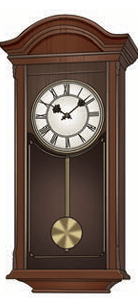
Long before the age of electric clocks and digital watches, early
humans observed the shadows of objects in the Sun and used the
position of the shadows to tell the time. Light and shadows are
not just useful for shadow puppets or to tell the time. Naturally, light helps us see and today, we’ve developed a lot of ways to generate light (so we can read a book at night, even when the Sun doesn’t shine). But, more importantly, asking questions about the nature of light has given us a very deep understanding of the universe we live in. While we’ll perhaps learn about it only later, light and shadows are not just limited to things around us at home.
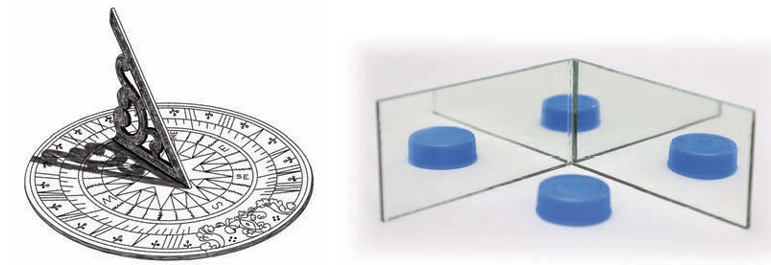
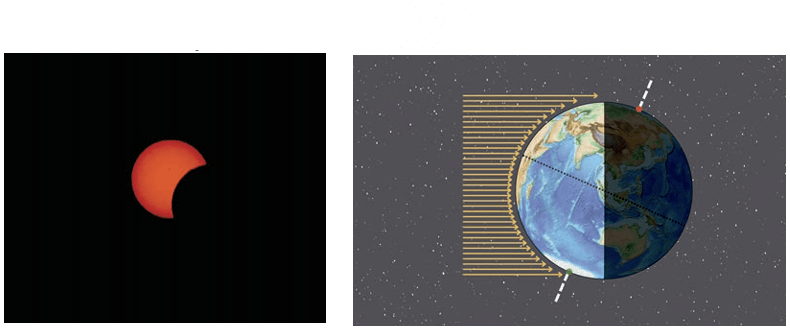
Even the Earth and the Moon can cast shadows, leading to the fascinating phenomena of eclipses. And of course, we have
day and night that depend on receiving light from the Sun. To understand all of this, we need to know how the Earth rotates
around its axis, how the Moon goes around the Earth, and the
Earth around the Sun. And the consequences of these movements
on life on our beautiful planet. While all this might have your
head spinning, think about it. Isn’t it amazing that we humans
can wonder about the wonderful world we live in?
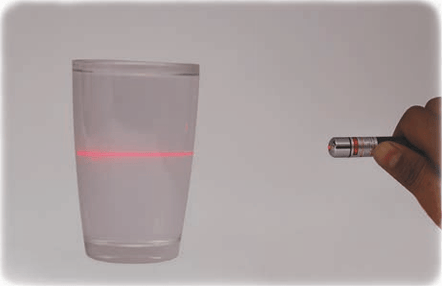
In the chapters that follow, you’ll also make simple observations and do fun experiments, and dive into topics that need careful thinking. Each chapter builds on what you already know an encourages you to ask questions, explore, do hands on experiments, and think like a scientist! As you will find out, even those experiments that seem to confirm what we think will happen, might lead to some additional questions that might need more experiments and more questions.
Look at the answers below. Your task is to come up with a curious, creative, and fun question or situations that could lead to these answers. There are never any wrong questions, so let your imagination run wild! Since such exercises might not be very familiar, here is an example to help you! Suppose the answer was ‘just make it half!’ — what all could this be a response to? Well, it could range from “How do we ensure getting equal shares of cake?” to “My essay is too long”, or “I can’t fi t this in the envelope” or even “I cannot dance to such a long song”... all very diff erent! So, let’s see what kind of creative questions you can ask!
(Please ask a more interesting, and not obvious questions like “What is 32+10?”, or even “What is the answer to life, the universe, and everything?”)
1.1 Happy Exploring!
Activity 1.1: Question the Answer
In school or during tests, you’re usually given questions and expected to fi nd the answers. But let’s turn that around! To think like a scientist, it is equally important to ask interesting questions! Great scientists don’t just answer questions — they ask amazing ones! (Remember last year we had said, “To be a wise person, you must be a whys person”.)
Question: _____________________?
Answer: Just add some milk.
Question: _____________________?
Answer: Because the cat’s teeth were crooked.
Question: _____________________?
Answer: Don’t panic, I have my towel.
Question: _____________________?
Answer: 42
Answer: Just add some milk.
Question: _____________________?
Answer: Because the cat’s teeth were crooked.
Question: _____________________?
Answer: Don’t panic, I have my towel.
Question: _____________________?
Answer: 42