
1The Story of Indian Farming
"A farmer who looks after the welfare of his cattle, visits
his farms daily, has the knowledge of the seasons, is
careful about seeds, and is industrious, is rewarded with
harvests of all kinds and never perishes." — Kṛiṣhi Parāśhara
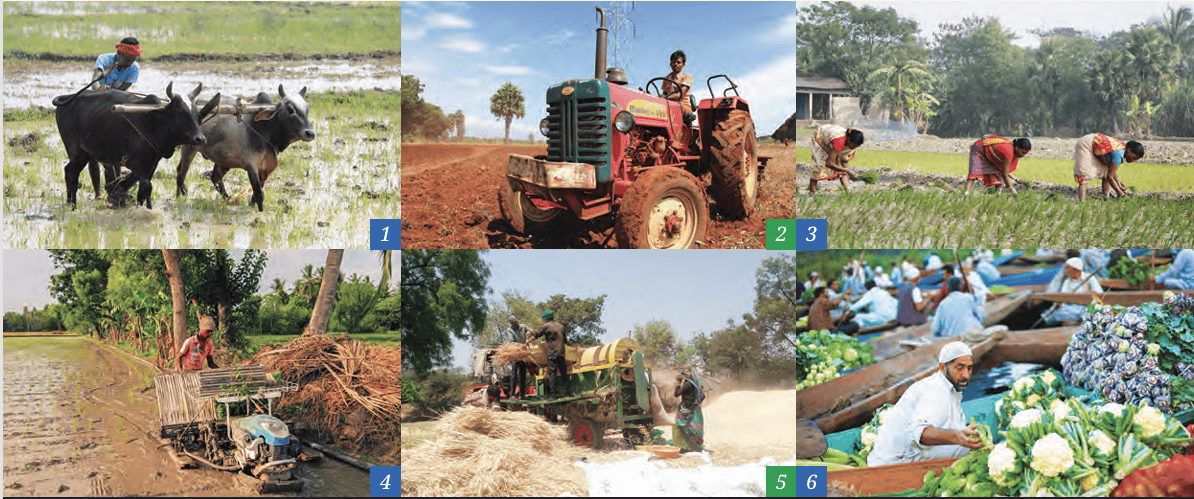
The Big Questions?
1. What are the main
characteristics of Indian
agriculture?
2. How are farming, climate, soil,
and water interrelated?
3. How can traditional practices
and contemporary ones
complement each other?
India’s Agricultural Landscape
Farming or agriculture is one of the oldest occupations of humankind. It encompasses the preparation of soil, cultivation of plants, rearing of livestock, and, in many cases, the growing of trees as part of a comprehensive farming system. In some areas, farmers also practice pisciculture (fish rearing) or rear cocoons to extract silk thread. Very broadly, the term ‘agriculture’ encompasses farming, animal husbandry (raising livestock), forestry, and horticulture.
DON'T MISS OUT
The word agriculture comes from Latin. Agri means field and culture means to cultivate. The Government of India classifies economic activities related to agriculture as ‘agriculture and allied activities’. Broadly, this includes agriculture, livestock related activities, beekeeping (apiculture), fisheries, rearing of silkworms and preparing silk yarn, and fibre production, such as cotton and hemp
A little over 18 per cent of the country’s total value of goods and services produced in a year (gross domestic product) comes from agriculture and allied activities (2022-2023). Approximately 46 per cent of India’s working population is engaged in agriculture and allied activities for their livelihood (2022-2023). A large proportion of families in India are closely connected to the land in one way or another, and in many cases, have been cultivating it for generations. Farming activities are, of course, essential for nurturing and sustaining the human population.
THINK ABOUT IT
When you read or hear the word ‘farmer’, what do you visualise? Many people imagine a man. However, in rural areas of India, more than 75 per cent of people working in the agriculture sector are women (2025). They perform most of the farming operations, from sowing to harvesting and threshing.
India’s agricultural landscape is a vibrant blend of traditional and modern farming practices, with diverse crops and deep rooted cultural traditions. From the golden wheat fields of Punjab, the saffron valley of Kashmir, the lush tea gardens of the Northeast or the Nilgiris to the emerald paddy fields of Kerala, agriculture has long been a fundamental part of the nation’s identity.
LET'S EXPLORE
Create a list of the foods you typically eat. Identify the grains, pulses, oils, vegetables, and fruits in them. Now locate where you live on a physical map of India. (You may refer to the political map of India at the end of the book if you wish.) Which of the food items do you think grow in and around where you live? What do you think are the reasons that they are cultivated in your region? Which of them comes from other places? Why do you think they are not grown in your area?
You may have reasoned that growing crops is dependent on several factors — the soil, the climate, the availability of water, the terrain, and so on. The story of farming is, therefore, linked to these factors. We will look at some of these factors in this chapter. But before that, we need to go back a little in time…
Echoes from the Past
The story of Indian farming goes back to prehistory. Archaeological investigations have shown the presence of rice grains in the Ganga Plain as early as the 7th or 8th millennium BCE. Some experts have, however, pointed out that this need not mean that rice cultivation was already systematic; that may have taken a few more millennia to be mastered. At Mehrgarh (in Baluchistan, a site antecedent of the Sindhu-Sarasvatī civilisation), the cultivation of barley and millets is also dated to the 7th millennium BCE. Later, barley and wheat were the staple crops of the Harappans; several Harappan sites also point to the presence of rice in the 3rd millennium BCE, at least in some regions, apart from millets and several vegetables.
Over time, farmers learned to cultivate oilseeds (such as sesame, safflower, linseed, mustard, and castor), legumes (green gram, black gram, and fenugreek), fibre crops (cotton, hemp, jute), more vegetables, and fruits (grapes, dates, jujube, jackfruit, mango, mulberry, and black plum).
DON'T MISS OUT
The Vedas also mention yava (barley), godhūma (wheat) and vrīhi (rice) as well as other crops such as sesame, black gram, and various types of pulses and legumes.
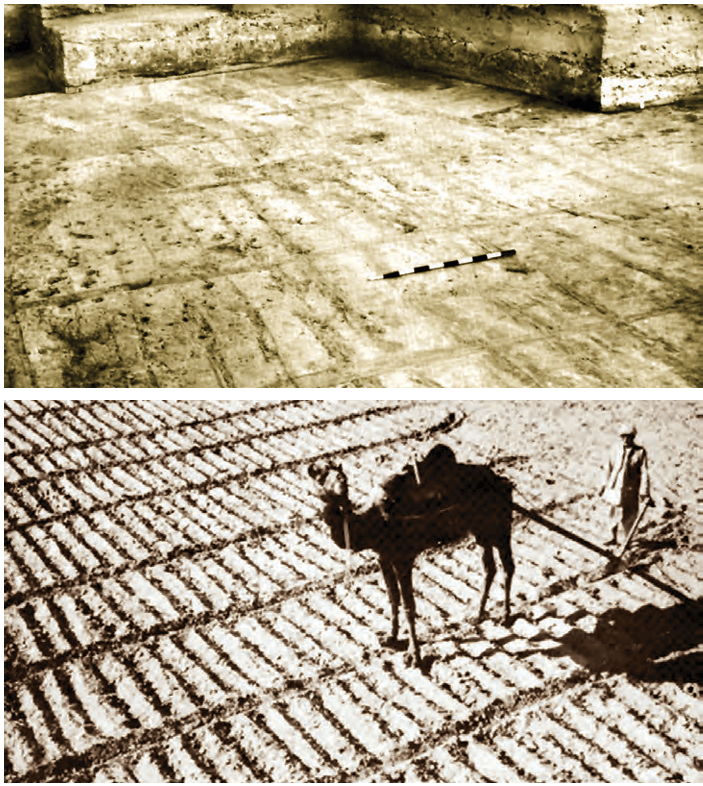
This period also saw the domestication of animals. Cattle, asses, sheep, goats, dogs, pigs, fowl, and other animals were domesticated from the pre-urban phase of the Sindhu-Sarasvatī civilisation (c. 3500 BCE).
In the historical period, ancient Indian texts provide a wealth of information on agriculture. Kauṭilya’s Arthaśhāstra, the Sangam literature of the early Tamils, Amarakoṣha, Kṛiṣhiparāśhara, Varāhamihira’s Bṛihatsamhitā, and Surapāla’s Vṛikṣhāyurveda, among others, contain writings on agriculture, horticulture, and plant biodiversity. Some texts also refer to the rearing and care of animals.
Surapāla’s Vṛikṣhāyurveda provides recommendations on seed preparation, soil cultivation methods, planting techniques, and more. “Seeds sprinkled with milk, rubbed with cow dung, dried and profusely smeared with maksika (honey) and bidanga (false black pepper) definitely sprout.” On watering of trees — “Newly planted trees in arid land should be watered every morning and evening for a period of fifteen days until the soil is fully soaked.” Further recommendations include irrigation methods for other types of soils. The Bṛihatsamhitā describes a method of grafting still in use today.
From the types of plants, animals, soils, and climates to the methods of irrigation, we find a wealth of information about the knowledge and practices of our ancestors regarding agriculture in these texts.
Climate, Seasons, and Crops: What Grows Where and When?
India’s varied geography and climate influence the variety of crops grown in different regions and at various times of the year. This section examines India’s climatic diversity, the primary cropping seasons, and the pivotal role of monsoons in the country’s agriculture.
In the words of Xuanzang, a Chinese pilgrim travelling in India in the 7th century (you will meet him later in this book), “The climate and the quality of the soil being different according to situation, the produce of the land is various in its character. The flowers and plants, the fruits and trees are different kinds, and have distinct names.”
This was a sharp observation of India’s climatic diversity. In Part 1 of this textbook, we introduced seven different types of climates in India.
Each of these areas receives different quantities of sunshine and rainfall, experiences variations in the temperatures across the seasons, and is affected differently by the monsoons.
India is divided into 15 agroclimatic zones. In simple terms, climate factors, different types of soil and terrain, and types of vegetation are combined to create these categories. This categorisation helps the government and other agencies identify and plan appropriate actions to improve agricultural production — what, when, and how to grow different crops. A few examples of agroclimatic zones are the Upper Gangetic Plain Region, Southern Plateau and Hills Region, and Western Dry Region.
The monsoon and agriculture
The Indian monsoon system is a key factor in the country’s agricultural diversity. It brings rainfall, which is vital for many crops. India experiences the southwest monsoon and the northeast monsoon. (Refer to the chapter ‘Climates of India’ in Part 1 of this textbook.) The southwest monsoon brings rain from June to September. It is crucial for the seasonal growth of kharif crops in northern and central India. The northeast monsoon prevails from October to December. This brings rainfall to the east and south of India. Coastal regions, including the Malabar (Kerala) and Coromandel (Tamil Nadu) plains, receive rainfall from both the southwest and northeast monsoons.
The rain from these two monsoon periods enables farmers in the south to grow crops during the period in between; this is a dry season for farmers in north India who depend on other sources of water like groundwater, water from rivers, canals and ponds, and moisture retained in the soil, to ensure irrigation for their crops. States like Tamil Nadu, West Bengal and Andhra Pradesh grow rice throughout the year on account of availability of water from the monsoon as well as irrigation.
LET'S EXPLORE
Imagine that your state received less than normal monsoon rains for two consecutive years. Which items are likely to disappear from your meals, or are likely to become difficult to access?
The rhythm of seasons and crops: kharif, rabi, and zaid
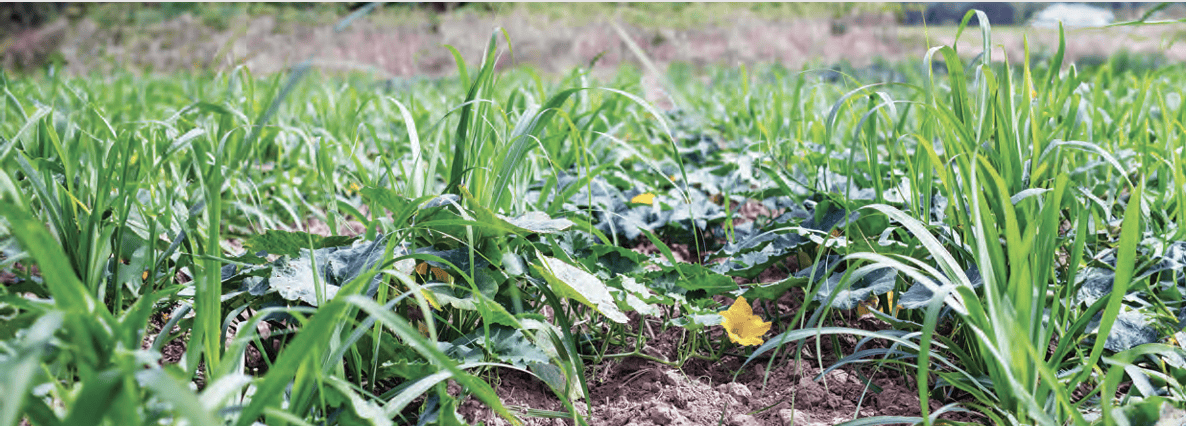
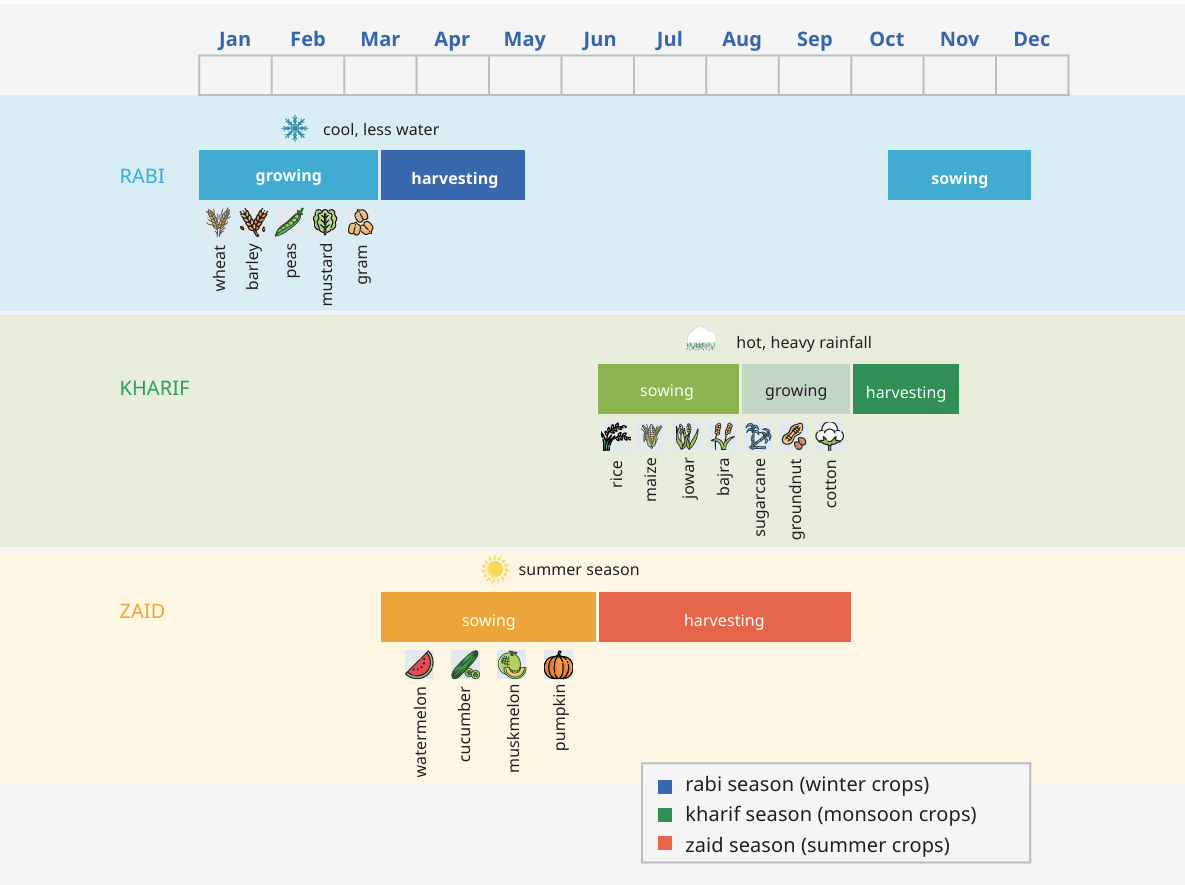
Indian agriculture is mainly divided into three cropping seasons: kharif, rabi, and zaid.
Farmers have been following this rhythm for centuries. A wide variety of agricultural products becomes available throughout the year. This rhythm is one of the factors that ensures food supply for the people. The terms kharif, rabi, and zaid are of Arabic origin and have been in use since the Mughal times.
DON'T MISS OUT
Before the Arabic terms for the three types of crops became more widely used, they were called kedāra (wet crops), haimana (winter crops), and graiṣhmika (summer crops).
Each of these crop seasons presents its own unique challenges as well. For example, the kharif crops are dependent on the timely arrival of the monsoons. Excessive rainfall also leads to the destruction of crops, causing significant distress to farmers and their families in particular.
LET'S EXPLORE
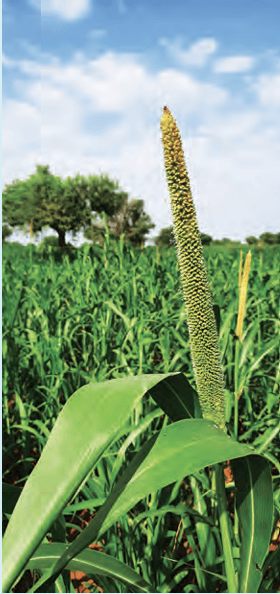
Prepare a list of the crops that are cultivated in your state or
union territory in a year and classify them into kharif, rabi,
and zaid.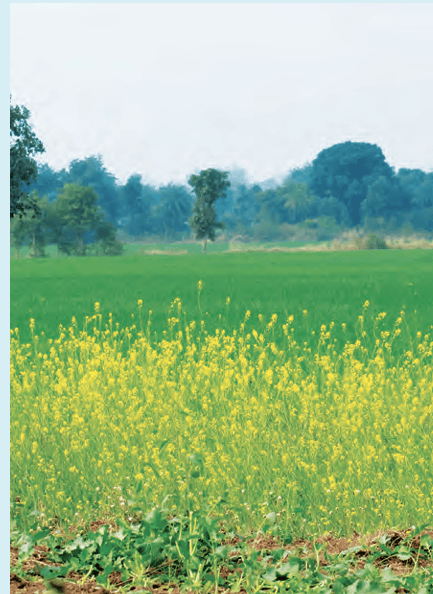
DON'T MISS OUT
The Arthaśhāstra contains sections on agriculture, including the preparation of land and seeds, as well as payment to farmers and other relevant topics. “A good rainy season is one when one-third of the annual rainfall occurs at the beginning (Śhrāvaṇa — July-August) and at the end of the season (Kārtika — October-November), and two-thirds in the middle (Prauṣhṭhapada — August-September and Āśhvayuja — September-October).” Why do you think this statement was made? (Hint: Did it have anything to do with the crop cycle?)
Soil, the Foundation of Cultivation
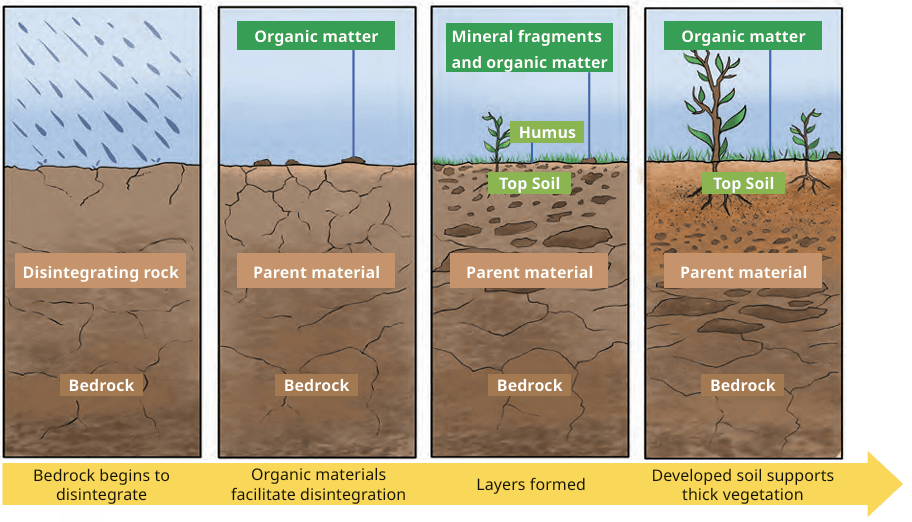
Soil is the thin, upper layer of the Earth’s crust that supports plant life. It is formed over millions of years through the breakdown of rocks and the decay of organic matter. It’s the most essential resource for farmers, as it provides the necessary nutrients, water, and support for crops to grow. This section examines the various soils found in the Indian subcontinent and their associations with specific crops.
How is soil formed?
Soils of India
India has a diverse range of soil types, each with its distinct properties. Ancient texts, such as the Amarakoṣha, describe twelve types of agricultural land based on soil fertility. Today, we classify the soils of India into six major types: alluvial soil, black soil, red soil, laterite soil, desert soil, and mountain / alpine soil.
LET'S EXPLORE
->Try to name at least two states in each of the zones mentioned above.
-> Which type of soil is predominantly found in your state or union territory?
-> Soils tell us stories about places — what might have happened over thousands of years during which the soils were being formed. Take a few samples of soil from your neighbourhood. Look carefully at them. (Examine the soil using a magnifying glass or microscope if you have access to either.) What do the samples consist of? What might be the origins of the soil? Are there signs of human activity that you notice? What might happen to the soil over time on account of this?
Soil-crop linkages
In addition to the agroclimatic conditions that we briefly saw above, crops are also strongly influenced by the type of soil where they grow.
LET'S EXPLORE
-> Take up a small group project. Identify the types of vegetables, fruits, and trees that grow in the different soil types.
-> Create a family food flowchart that connects your favourite dishes to the different crops they are prepared from and the corresponding soil types in which they are cultivated.
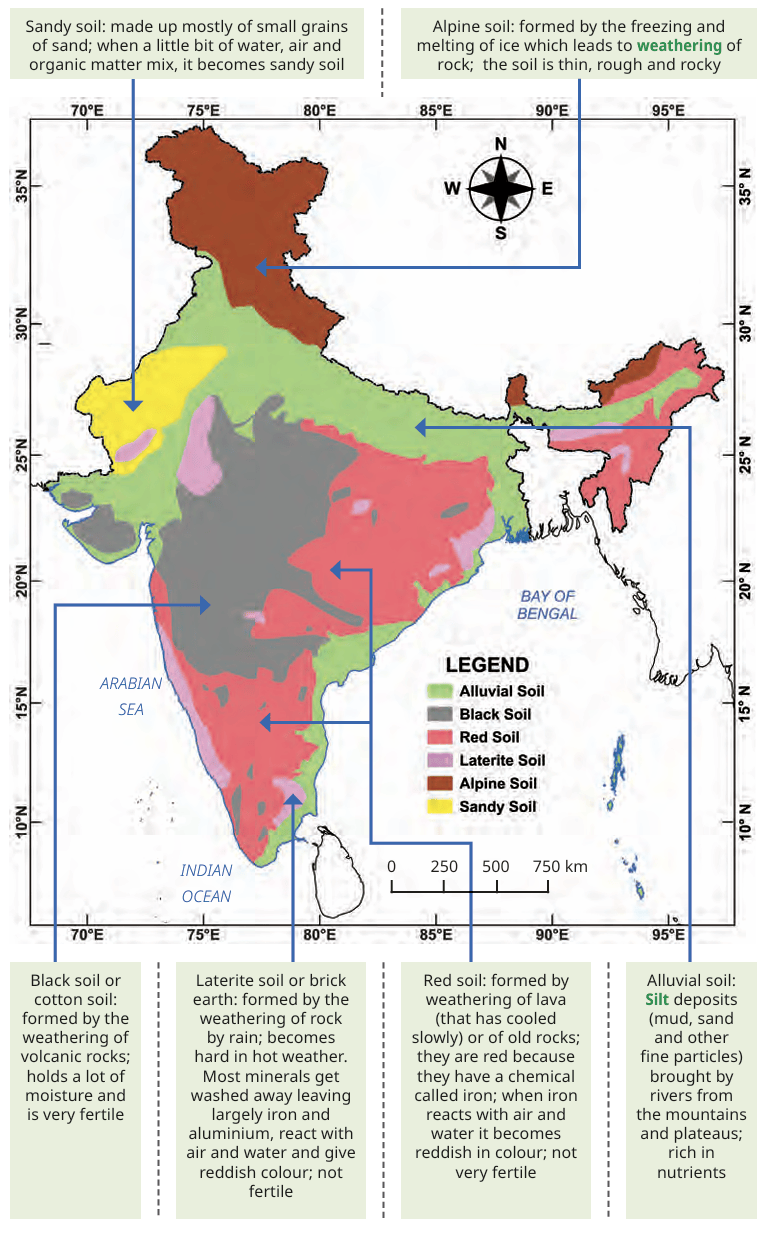 Fig. 1.9. A simplified map of the major soil types of India and their
formation. Most regions will have local variations.
Fig. 1.9. A simplified map of the major soil types of India and their
formation. Most regions will have local variations.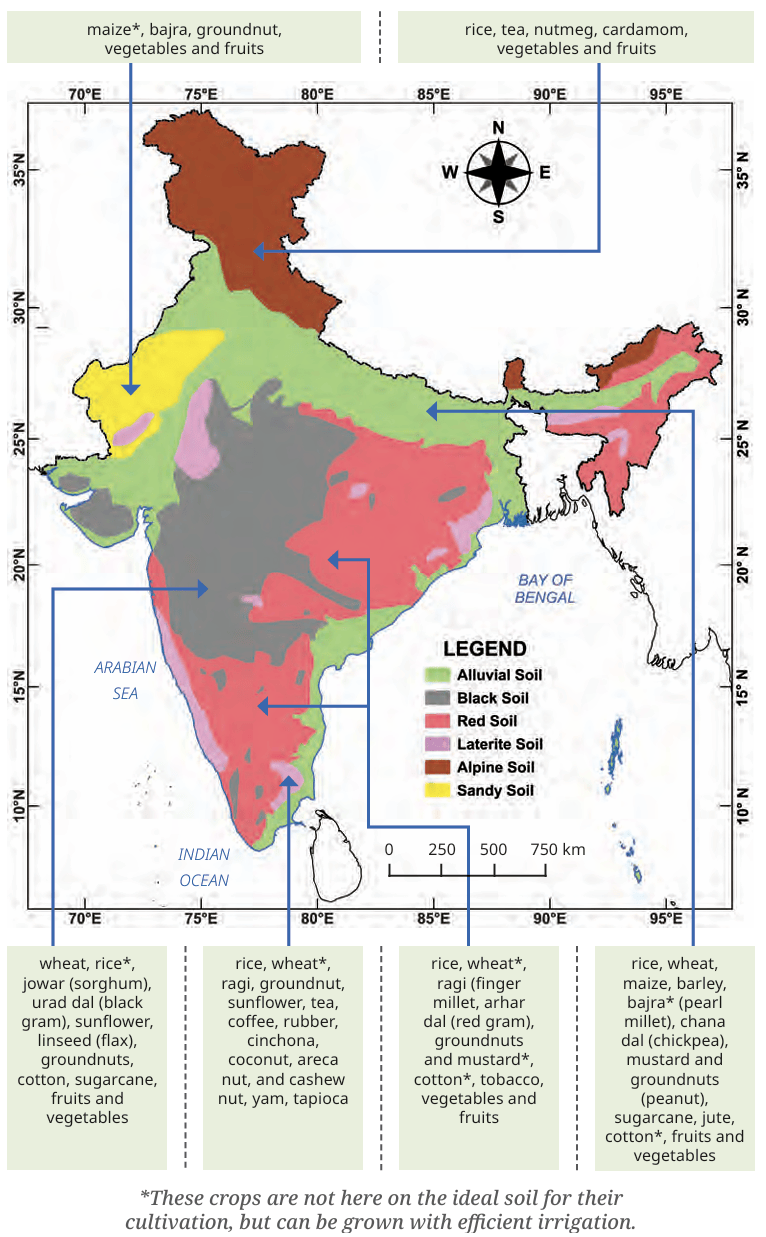
Nurturing the soil
Healthy soil is crucial for a good harvest. Soil is a complex ecosystem with organisms like bacteria, fungi, earthworms, and insects. It has minerals, organic matter (humus), water, and air. The organisms break down the organic material and improve the health of the soil enabling it to sustain healthy plants. To maintain its health and fertility, farmers use various soil conservation techniques.
- Traditional methods: Our ancestors employed numerous
ingenious techniques to protect the soil. Crop rotation is one
such method, where different types of crops are grown in
the same field in different seasons to prevent the soil from
losing specific nutrients. Equally important was multiple
cropping where multiple crops were grown in the same
field. This reduced the risk of pests and also ensured at least
one crop. The crops were chosen in such a way that there
would be periodic harvests from the same field. Another
practice is contour ploughing, which involves ploughing
along the natural curves of a hill slope to avoid soil erosion
from rainwater. Farmers also used organic fertilisers, such
as cow dung, to replenish the soil’s nutrients.
DON'T MISS OUT
Did you know that panchagavya is a fermented mixture of five cow products: dung, urine, milk, curd, and ghee? Recent studies have shown that it acts as a biofertiliser, enhancing crop growth and productivity while increasing their resistance to diseases.
- Contemporary approaches: Today, modern techniques such as terracing are used in hilly areas to create flat steps for farming, which slows down water runoff and reduces soil erosion. Afforestation, or planting trees, is another method that helps to prevent soil erosion. Some traditional methods like mulching, ploughing back crop residue, are still practised by farmers today. Very precise application of fertilisers enables their efficient use and also maintains soil health.
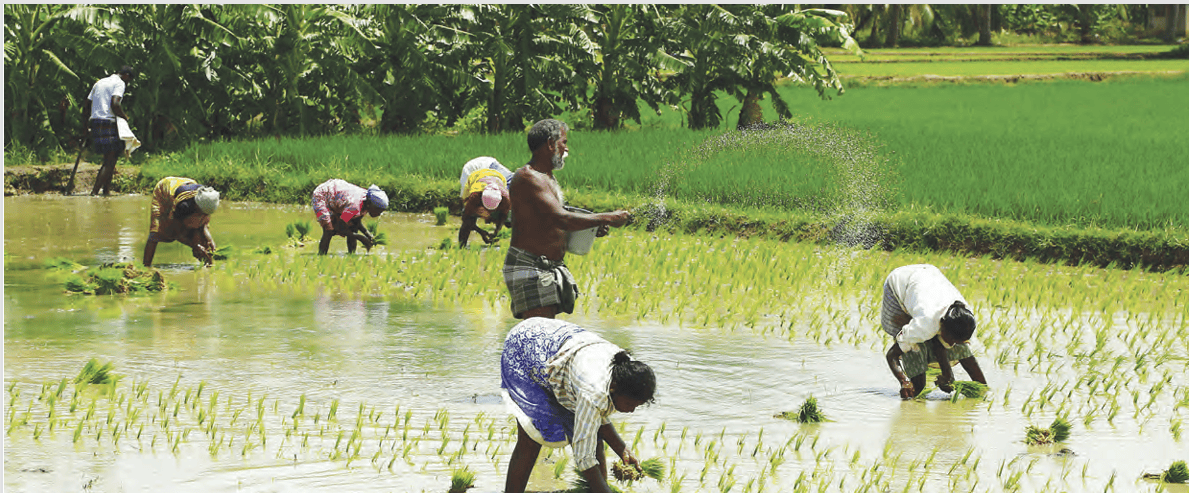
Water: Rain-Fed vs. Irrigated Agriculture
Water is a fundamental resource for agriculture. Without it, crops cannot grow. The availability of water is a significant factor that determines how farming is done in different parts of India. This section examines two primary types of irrigation practices: rain-fed and irrigated.
a. Rain-fed agriculture
Rain-fed agriculture refers to farming practices that rely entirely on rainfall. This type of farming is common in areas that receive sufficient rain during the monsoon season. However, farmers who are dependent on rainfall face numerous challenges, including droughts and unpredictable monsoons. To cope with these challenges, they have developed various adaptations, such as choosing drought-resistant crops or utilising traditional water-harvesting techniques.
b. Irrigated agriculture
Irrigated agriculture uses artificial methods to supply water to crops. This type of irrigation is crucial for enhancing farm productivity and reducing reliance on monsoon rains.
The history of irrigation in India is very long. Right from the time of the Indus civilisation, various water structures have been built in India. Throughout the country, a rich vocabulary of water structures developed, such as kull, kund, ahar, pokhar, khadin,arakere, koḷam, surangam, taḍāgam, and eri, to name a few.
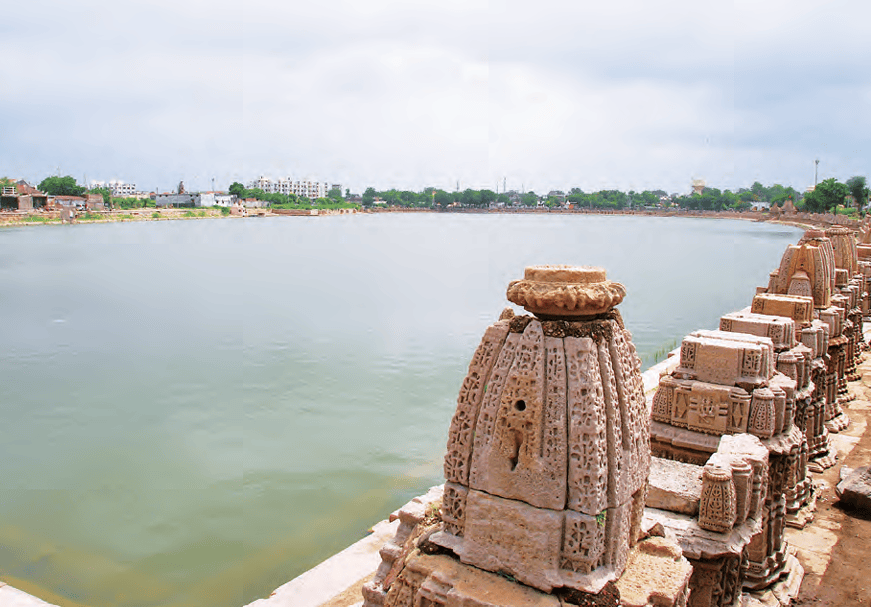
Some traditional irrigation systems include phad systems, and bamboo drip irrigation. Farmers also create small ponds that collect rainwater and provide moisture to the soil for a longer period of time.
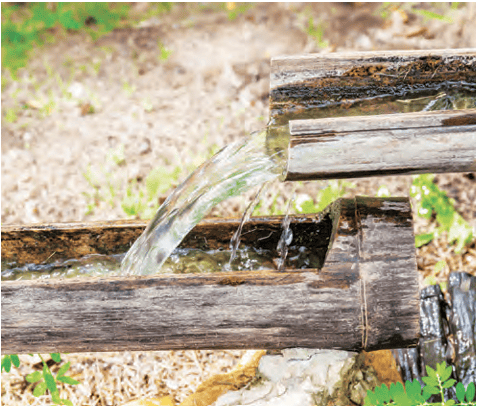
- Phad systems are community-based irrigation systems, particularly found in the state of Maharashtra. These systems use small canals to divert river water to fields.
- Bamboo drip irrigation is practised in parts of northeastern India. Here, farmers traditionally use bamboo pipes to channel water from springs to their fields.
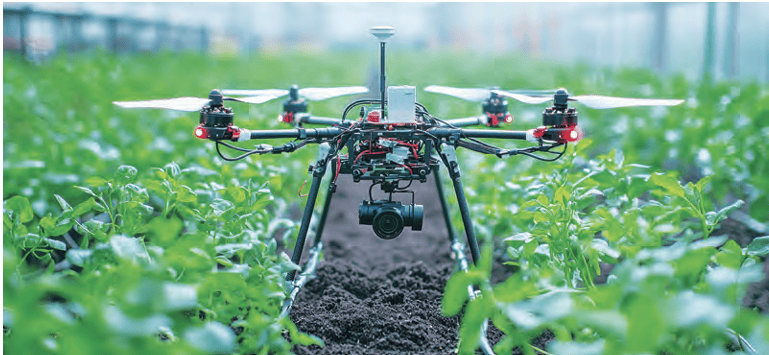
Over time, irrigation has evolved from simple systems to more advanced ones. Modern irrigation techniques include drip and sprinkler irrigation.
- Drip irrigation, also known as trickle irrigation, delivers water slowly and directly to the plant’s roots through a network of tubes and emitters.
- Sprinkler irrigation sprays water into the air, which falls over the crops like artificial rain.
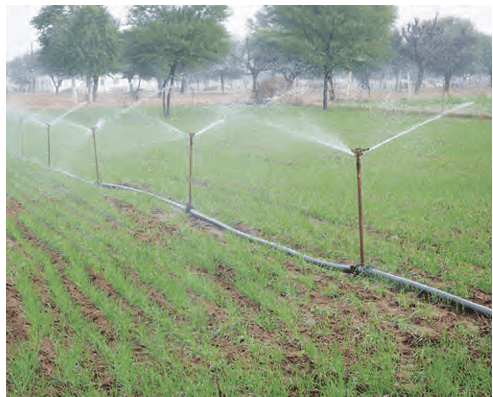
Fig. 1.16. Sprinklers in a wheat field These modern methods help in using water more efficiently. This is very necessary as in many parts of India, groundwater reserves are fast decreasing. The evolution of irrigation has had a significant impact on India’s agricultural landscape, enabling farming even in areas with low rainfall. It has helped to increase crop yields and ensure a more stable food supply for the country.
Seeds
One key component of farming is seeds. Seeds have been passed down in families from generation to generation, preserved at the community level, and shared. In some areas women also carry them as part of the gifts they bring to their marital home. High-yielding seeds were carefully selected and preserved for use during the next planting season.
The Arthaśhāstra provides instructions for preparing seeds of various varieties for planting. For example, cotton seeds are to be smeared with cow dung. Cereals, beans, and pulses are to be soaked in dew for a certain number of days and then sun-dried before being planted. Sugarcane was to be smeared at the cut with a mixture of honey, ghee, lard, and covered with cow dung.
The Indian Council for Agricultural Research (ICAR) has developed methods for the use of a paste called beejamrit made of cow dung and urine, combined with other materials, to coat seeds before planting. This protects seeds from being spoilt and also reduces germination time.
DON'T MISS OUT
The Indian seed drill is an ingenious invention of ancient Indian farmers. These seed drills combined soil preparation, seed planting, and the closing of the furrow in one operation. This reduced the labour involved in what would have been a three-step operation.
Today, an increasing number of farmers purchase seeds from various companies. These seeds are developed using scientific processes that provide higher yields and are pest-resistant. However, often the seeds that the plant later produces are not suitable for planting in the next season. This has drawn criticism because it creates a dependency of farmers on these seed companies.
Agricultural Practices: Traditional Wisdom and Modern Innovations
Over the centuries, Indian farmers have developed numerous farming methods. Some of these are based on ancient knowledge and traditions, while others are modern techniques that use contemporary technology. Many farmers use a combination of methods.
Traditional farming systems
Traditional agriculture considers the plant and the soil (including the whole soil ecosystem) as a complete system. The soil is considered to be the primary source of nutrients, along with other sources of plant nutrients supplied in the form of farmyard manure. The bacteria, fungi, etc. in the soil help to convert the nutrients in the soil into forms that are easily taken up by the plants. The plants, in turn, support the growth of these organisms by supplying energy to them through their roots.
Traditional farming typically involves small-scale, resource-reliant methods that are closely tied to the environment. Terrace farming is an example. This is a method used on hilly slopes. Farmers cut steps or terraces into the hillside to create flat land for agriculture, which helps to prevent soil erosion and conserve water.
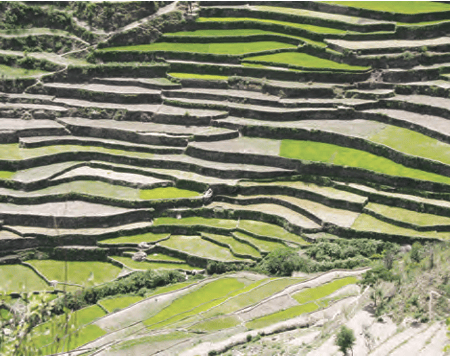
ICAR has documented almost 5000 traditional practices and tested over a hundred of them. It has been found that over 85 per cent of these practices were validated by modern science and could be applied to reduce the use of chemicals and enhancing soil health.
DON'T MISS OUT
Traditional farming systems are usually aligned with natural cycles, such as the ṛitu chakra (cycle of seasons), and often rely on family involvement and domestic animals. Examples include kulāgar and gokṛiṣhi.
- Kulāgar: This term comes from the Konkani words ‘kula’ meaning ‘family’ and ‘āgar’ meaning ‘storehouse’. It is a traditional homestead farming system where families cultivate a variety of crops, including food crops, cash crops, fruits, vegetables, spices, and medicinal plants, around their homes by designing a structured irrigated system. This practice is common in the Konkan Plains (Goa) of India.
- Gokṛiṣhi: This is a holistic method in which cows provide manure, which is used as organic fertiliser, and bullocks are used to plough the fields.
Contemporary agriculture
Contemporary agriculture is characterised by modern farming methods that use technology, machinery, and new farming techniques. A significant turning point was the Green Revolution in the 1960s and 1970s. This movement introduced:
- high-yielding varieties (HYV) of seeds,
- increased irrigation,
- chemical fertilisers and pesticides, and
- mechanised equipment, among others.

This revolution led to a significant increase in food grain production, particularly of wheat and rice, and India achieved self-sufficiency in food. Modern Fig. 1.18. M.S. Swaminathan, architect of the Green Revolution, recipient of Bharat Ratna farms started using tractors, harvesters, and other machinery to make work faster and easier. Since then, agriculture has emerged as the ‘backbone of the Indian economy’.
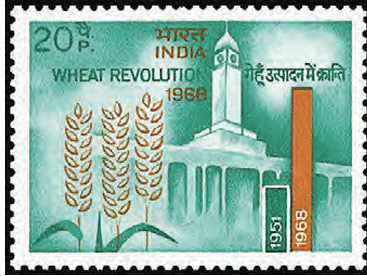
Over the last few decades, the limits of the approach and methods of the Green Revolution have become visible — the long-term impoverishment of the soil, depletion of groundwater, contamination of the soil and water by pesticides and fertilisers, damage to human and animal health (including multiplication of cancer cases in rural areas, as many scientific studies have established), among others. More and more agricultural scientists the world over question the sustainability of this type of agriculture.
Sustainable pathways
In recent years, there has been a growing interest in combining the productivity of modern methods with the wisdom of traditional practices to create sustainable agriculture. This approach is inspired by Indian Knowledge Systems (IKS) and focuses on environment-friendly, long-lasting farming practices. One example is the resurgence of organic farming, which avoids the use of chemical fertilisers and pesticides. Instead, it relies on natural fertilisers, such as compost, seed cake (residue after oil has been extracted from seeds) and manure from animal sources. Another example is the use of neem-based pesticides, which are natural and much less harmful to the environment than chemical ones.
DON'T MISS OUT
Sikkim is the world’s first 100 per cent organic state. It adopted an organic farming model for sustainable agriculture by banning in 2014 chemical fertilisers and pesticides, and focusing on natural farming practices. (We visited Sikkim in Part 1 of this textbook.)
LET'S EXPLORE
Identify modern agricultural solutions inspired by traditional practices (for example., neem-based practices).
When comparing traditional and modern methods, a trade-off is evident. Modern techniques, such as those from the Green Revolution, are highly productive and can produce a substantial amount of food quickly. However, as we saw above, the Green Revolution has not been without long term harmful effects. The use of chemicals pollutes water sources (they dissolve and enter water), and disrupts the ecosystem by harming important creatures like bees which are so necessary for pollination. Traditional methods, on the other hand, are often more resilient and sustainable because they work in harmony with Nature; however, they may yield lower results. The challenge today is to find a balance between the two — using modern innovations to meet our food needs while also adopting the sustainable practices of our ancestors.
DON'T MISS OUT
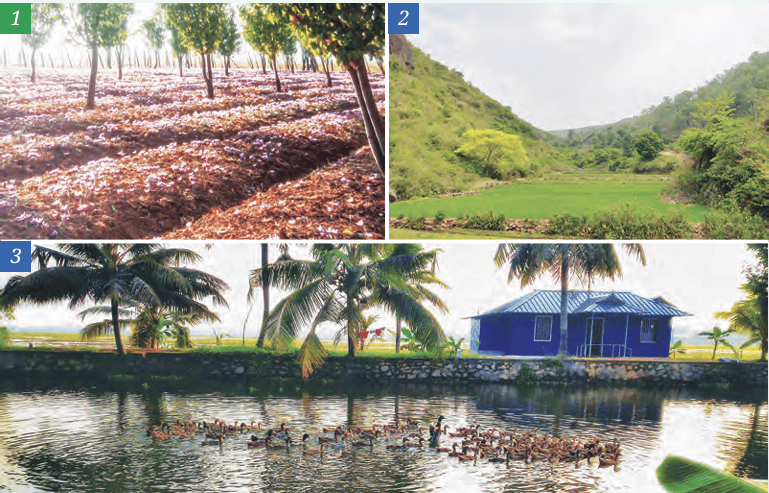
The Food and Agriculture Organisation (FAO) has recognised three globally significant agricultural heritage systems in India. The farming of saffron in Kashmir, the traditional agricultural systems of Odisha that integrate forest management, and the below-sea-level agricultural methods in Kerala, which includes crop plantation and fishing.
DON'T MISS OUT
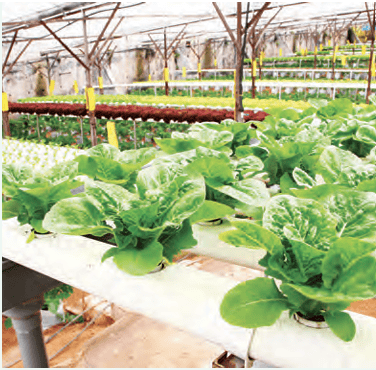
If you thought that soil is absolutely essential for growing plants, think again. Hydroponics is a method by which plants are grown in nutrient-rich water solutions; essential minerals are given directly to the roots. It is used in controlled environments,making it an option for urban farming and areas with poor soil quality.
The Role of the Government
In many states, the government has a support system to help farmers access seeds, fertilisers and pesticides, information on the weather forecast, research and training on new farming practices, and so on.
The government also provides electricity for irrigation at lower prices, to reduce input costs. Farmers can access financial Exploring Society: India and Beyond | Grade 7 Part 2 assistance through schemes for crop insurance like the Pradhan Mantri Fasal Bima Yojana. Finally, the government purchases important crops from farmers to ensure that they have no difficulty marketing their produce and get fair prices.
The promotion of cold storages, and better access to information and markets through the use of digital technology, enable farmers to get better prices for their produce. (Refer to the chapter ‘Understanding Markets’ in Part 1 of this textbook.)
LET'S EXPLORE
Listen to the special programmes for farmers on the radio or watch a programme on television for a few days. Write down carefully the information that is shared through these mediums. Make a short report on the categories of information you gathered as well as questions that came to your mind during this activity.
Challenges
Indian farmers face several challenges. One of them has been the decreasing size of landholding as land gets divided among family members over generations. The average landholding is approximately three-fourths of a hectare; this is about the size of an average football field.
Farmers with small landholdings are not able to earn much income. It is also difficult for farmers to use tractors and other machines on their farms — the machines are designed for larger farms and are expensive to buy or rent, although of late machines have been designed and invented for small farms too.
Traditionally, families in farming have different sources of income beyond the crops they grow. They rear cows, goats, poultry, practise apiculture or fishing, and so on. Where possible, they collect forest produce. Many grow trees on the bunds for fruit and timber. Diversity builds resilience. However, today this is proving to be inadequate to provide a decent quality of life to farmers.
Farmers also face one of the biggest challenges of our time, climate change. With increasing unpredictability of weather patterns (for instance, untimely rains), and more frequent extreme events (such as severe droughts or heavy rainfall),farmers face a higher risk of crop destruction, leading at times to heavy losses. This trend is likely to get worse as our planet gets rapidly warmer.
THINK ABOUT IT
With its rich alluvial soil, for millennia the Ganga basin has been a source of food and water to millions of people — over 500 million today. Yet, for some years, the Ganga river has been under stress and is increasingly unable to replenish itself; parts of it are no longer navigable in summer as the water level is too low even for river boats.
The causes are multiple: global warming is causing Himalayan glaciers to melt at an unprecedented rate; much water is diverted to irrigation; agriculture and industry pump out huge amounts of groundwater; and hundreds of dams interfere with the river’s natural flow. Solutions exist, but if this condition of Ganga persists, agriculture in its basin may become less and less sustainable, threatening the livelihood of millions and India’s food production.
Such challenges and a few more have often led farmers to take loans in times of hardship, only to find that paying those loans back was difficult and catching them in a debt trap. As a result, many farmers — as many as 2,300 every day, according to some estimates — have been compelled to abandon agriculture. With new approaches such as those described in this chapter, there is hope that agriculture will eventually flourish in every part of India.
Before we move on …
Indian agriculture blends traditional and modern methods, involving crops, livestock, forestry, and more.
->Agriculture in India is connected with its diverse climates and the monsoons, with three cropping seasons: kharif, rabi, and zaid.
-> Six major soil types influence which crops are grown. Soil health is key to flourishing and sustainable farming.
->Seeds are passed down traditionally or bought as high yield varieties from companies. This sometimes creates dependence on companies for seeds.
-> Sustainable farming combines modern technology with eco-friendly practices, such as efficient irrigation.
-> Farmers face challenges like small landholdings, climate change, non-affordability of modern equipment, and market challenges.
-> The government helps through access to information, research and training, as well as different types of financial support.
Questions and activities
- Why do farmers in Kerala grow rice while farmers in Punjab grow mostly wheat? What would happen if they swapped?
- Match the following:
- Why do certain crops thrive in specific regions?
- How has modern technology helped farmers?
- Why is sustainable agriculture important? Write a short note on this.
- Name some challenges that farmers face today. What might be their impact for people?
- Have a debate in class on the topic “Traditional irrigation methods are better than modern ones.”
- Write a short essay describing what farming might be like when you are 60 years old. You could also draw / paint a picture to illustrate what you envision.
- Form small groups and discuss the issues affecting the Ganga basin. Prepare a presentation proposing your solutions and their rationale (your reasons). Share and discuss in class. Your teacher will guide you in this exercise.
- Looking at the crops listed in the section ‘Echoes from the Past’, which ones do you find in use in your home? What conclusion can you draw from your observations?
| Column A | Column B |
|---|---|
| (a) Kharif crops | (i) Crops during the winter |
| (b) Rabi crops | (ii) Crops grown during the monsoon |
| (c) Alluvial soil | (iii) Thin, rough, and rocky soil found in mountainous regions |
| (d) Terrace farming | (iv) Crops grown in summer |
| (e) Alpine soil | (v) Soil rich in nutrients deposited by rivers |
| (f) Zaid crops | (vi) Method of farming on hillsides |