
Project 2: School Habitat Garden
This project will help you learn about providing suitable conditions for groups of animals to live and thrive. You will create a habitat garden in your school to attract different groups of animals (birds, mammals, insects, reptiles, etc.) by providing them with shelter, water, food, and space.
As part of the project, you will be able to:
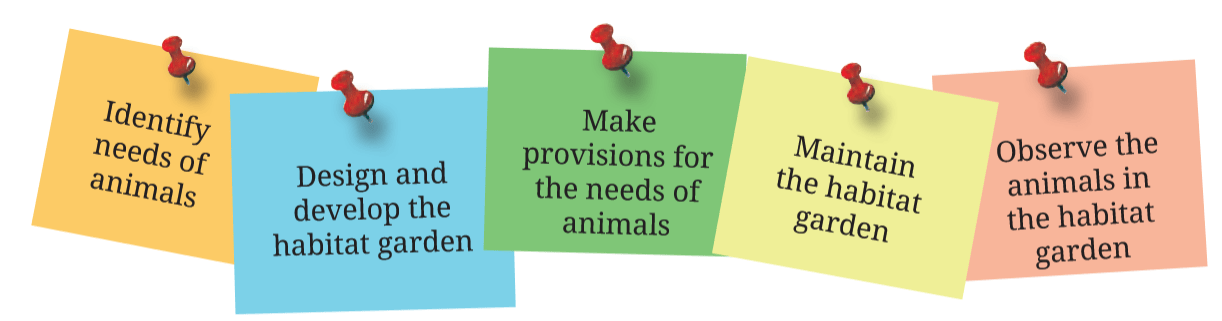
- Identify needs of animals
- Design and develop the habitat garden
- Make provisions for the needs of animals
- Maintain the habitat garden
- Observe the animals in the habitat garden
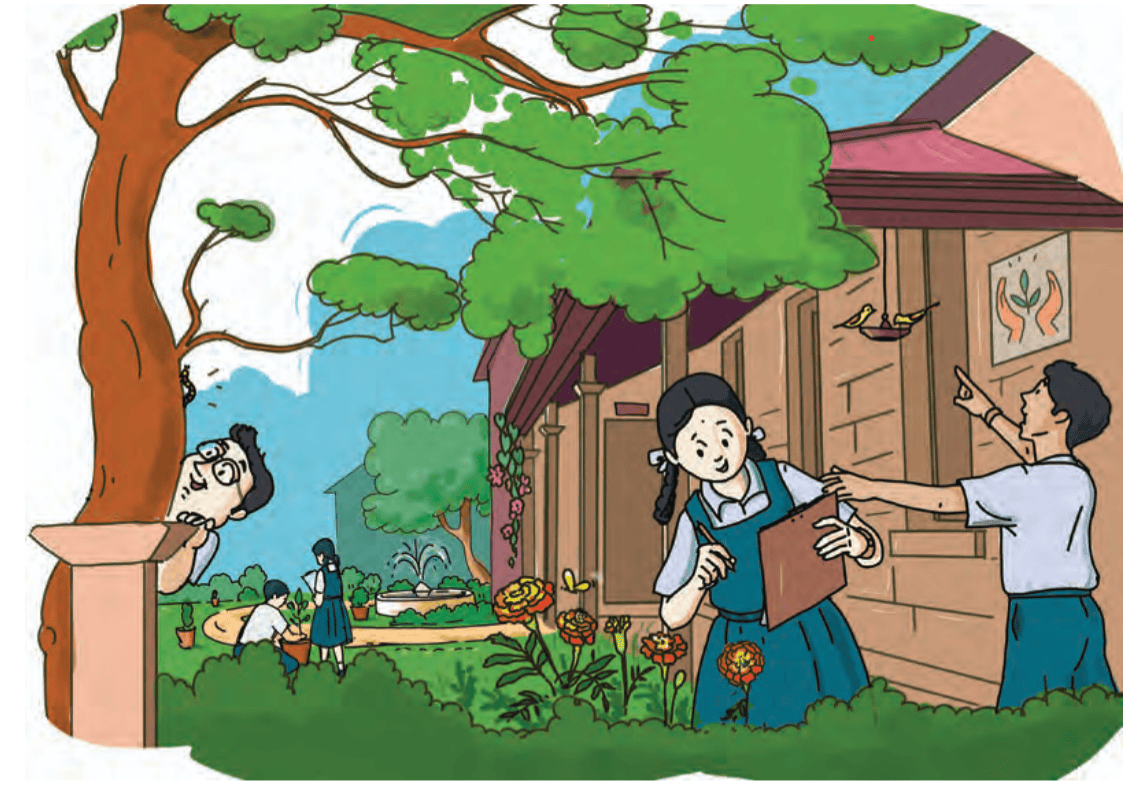
Many animals coexist peacefully with humans (Figures 2.1, 2.2, and 2.3). Beyond domestic and farm animals, several other animals share our surroundings, including crows, sparrows, pigeons, owls, kites, bats, monkeys, langurs, squirrels, mice, rats, butterflies, and moths. They lead their busy lives alongside us, adapting to the human-dominated environment.
Have you ever wondered where these animals lived before towns and cities replaced farmland and forests? How many of them have managed to adapt to the changes brought about by human expansion? As villages, towns, and cities continue to grow, natural habitats are shrinking, forcing many animals into unfamiliar territories. This habitat loss has led to an increase in sightings of leopards, wolves, and even tigers in urban areas and farmlands. Imagine being suddenly displaced from your home, losing the safety and comfort it provides—this is the challenge these animals are now facing.
Animals that can adapt to changes in their habitat continue to coexist with us, while those that cannot retreat into the remaining untouched areas. Take birds, for example—specifically pigeons. Their natural habitat consists of cliffs and rocky hills, which is why they are commonly seen perched on building ledges. In contrast, house sparrows prefer sheltering in dense trees and bushes. As cities expand and green spaces diminish, the sparrow population gradually declines until they eventually disappear from urban landscapes.
All animals require food and water to survive. Additionally, they need sufficient space to move freely and a safe shelter where they can rest and raise their young ones without fear of predators or exposure to harsh weather conditions. These four essentials—space, shelter, food, and water—form the foundation of every animal's habitat.
However, the specific needs of different animals vary. For instance, in terms of space, carpenter ants can establish a colony within just a few square centimetres, whereas spiders spin webs that are much larger than themselves. Similarly, water sources differ—while butterflies and ants can sip dew droplets from grass, birds often drink from puddles or leaking taps. Shelters also vary; squirrels find safety in trees, while lizards are comfortable on flat concrete surfaces, as few predators can climb walls to reach them.
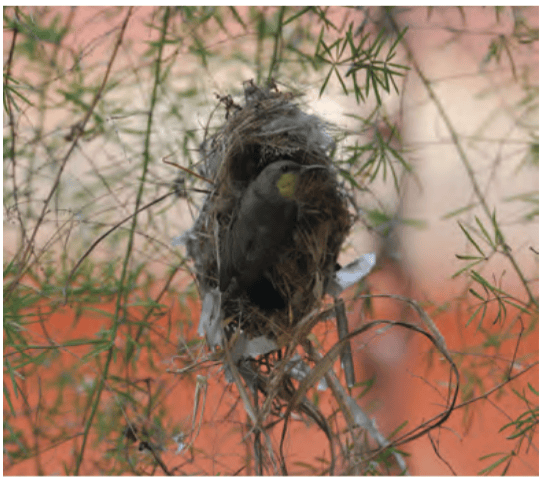
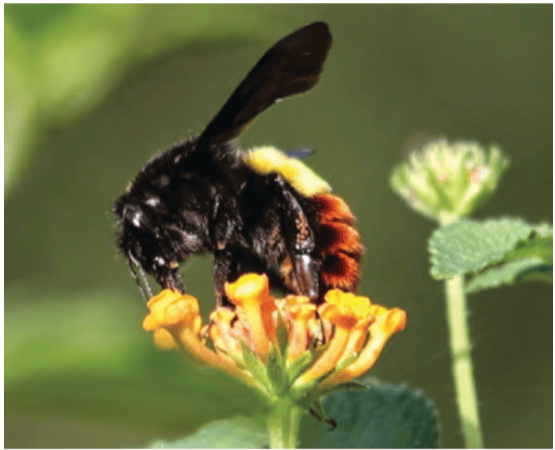
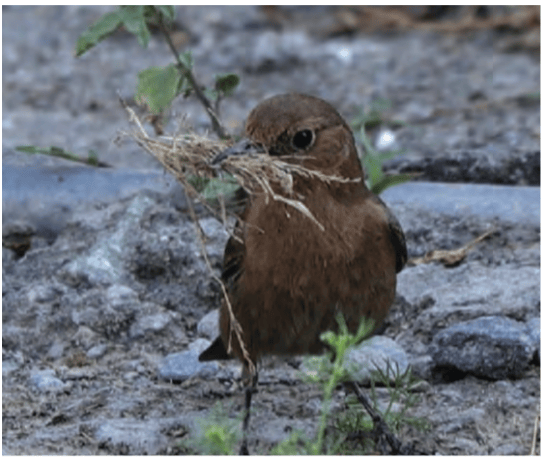
Near human settlements, a diverse range of food is readily available, including human leftovers, flower nectar, leaves, insects, and small animals (Figure 2.4). Additionally, birds find various materials for nest-building in such areas. They collect twigs, dried vegetation, and grass to construct sturdy nests (Figure 2.5). For the nest lining, sparrows often use feathers or even paper, whereas crows incorporate metal wires and ropes to reinforce their nests.
Once basic needs are fulfilled, habitats must also provide comfort and joy. For example, some birds like bulbul, dove, and munia love to bathe in shallow water containers to cool down and clean their feathers.
Numerous initiatives have been undertaken in our country to create and maintain suitable habitats for wildlife, ensuring their protection and conservation. These efforts include the establishment of various wildlife sanctuaries and national parks, such as:
- (i) Kaziranga National Park in Assam, renowned for its population of one-horned rhinoceroses.
- (ii) Bharatpur Bird Sanctuary in Rajasthan, a haven for migratory birds.
- (iii) Periyar Tiger Reserve in Kerala, dedicated to tiger conservation.
- (iv) The Butterfly Enclosure within Fambong Lho Wildlife Sanctuary in Sikkim, which provides a safe habitat for diverse butterfly species.
- (v) Kanha National Park in Madhya Pradesh, which serves as a vital refuge for barasingha (swamp deer) and other wildlife.
These are just a few examples among the many protected areas across the country.
The term 'sanctuary' literally means 'a safe place where one's needs are met.' In the context of wildlife conservation, sanctuaries are typically vast, well-maintained areas managed by experts who ensure the protection and well-being of various species. However, the concept of a sanctuary is not limited to large-scale conservation efforts alone. Even a small habitat garden in your backyard or neighbourhood can serve as a miniature sanctuary, providing shelter, food, and a safe space for birds, butterflies, insects, and other small animals. By creating and nurturing such spaces, individuals can contribute to biodiversity conservation and support local wildlife in their own surroundings.
What will I be able to do?
At the end of the project, you will be able to:
- 1. Identify groups of animals in and around the school that can be attracted to the habitat garden.
- 2. Identify the needs of these groups of animals in terms of space, shelter, food, and water.
- 3. Describe how these needs can be met within the school habitat garden.
- 4. Design and set up a habitat garden in your school based on the above needs.
- 5. Observe the groups of animals attracted to the habitat garden.
What will I need?
You will need tools and materials for setting up the habitat garden, along with what are referred to as non-plant elements that will attract animals.
- 1. Gardening tools and materials
- (a) You will need gardening tools like shovels, spades, trowels, and watering cans and safety gloves.
- (b) You will also need plant seeds or seedlings, including those of flowering plants, and materials like compost to help them grow into healthy plants.
- 2. Materials for including non-plant elements to attract animals
- (a) Gravel, wood chips, or bricks to create garden pathways.
- (b) Waste materials like old containers, discarded wood/plywood, cardboard, and old string to create shelters, feeders, and bird baths.
- (c) Stones, rocks, logs, waste cardboard, and compost to create shelters for insects.
- (d) Tools like hammer, and a small saw.
- (e) Nails and fasteners.
How do I keep myself and others safe?
Some key precautions to be followed while creating the habitat garden are as follows:
- 1. Be sensitive to the needs of animals. Take care not to disturb them.
- 2. Do not damage the habitat of animals.
- 3. Wear gloves when handling tools and materials to protect yourself.
Internet safety: Ask your teacher for help while using the Internet. Be careful not to upload anything without checking. Do not share personal information anywhere.
What do I need to know before I start?
In order to develop the habitat garden, you must first identify animals in and around the school. Next, you must understand the needs of these animals in terms of space, shelter, food, and water. After all, these animals will be attracted to the garden only if their needs are fulfilled.
Activity 1: Identifying animals in and around the school
Spend some time looking around the school and identify the animals around you.
Next, ask the gardeners in a nearby park or members of the community living close to the school about the animals they have observed in the surroundings.
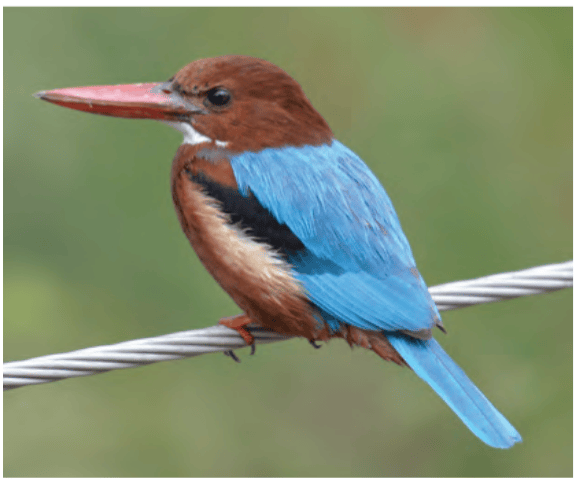
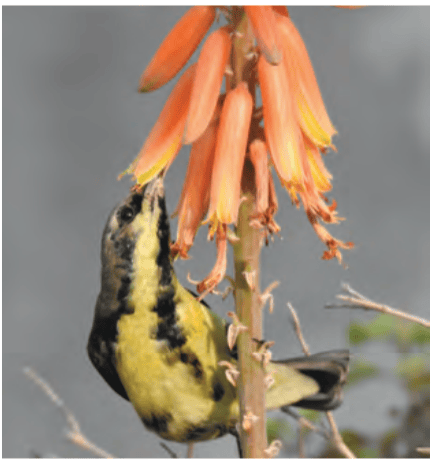
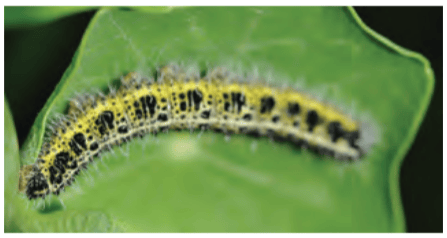
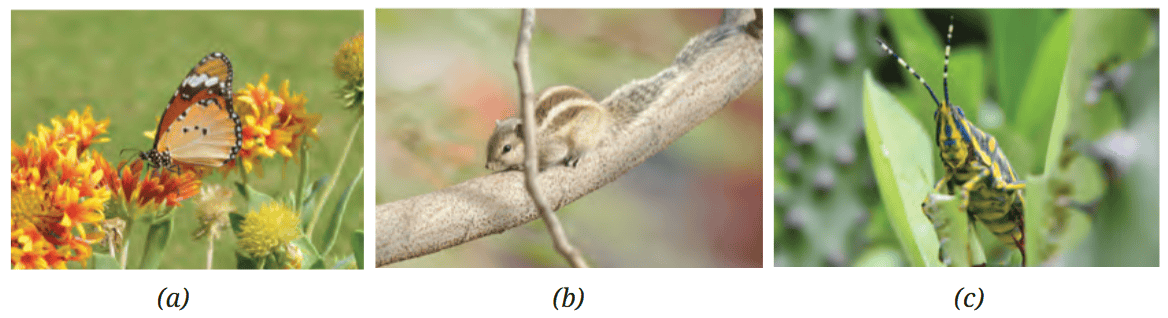
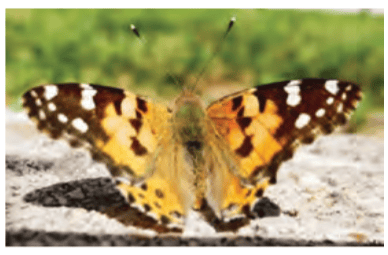
Depending on where your school is located there will be pigeons, crows, sparrows, kites, peregrine falcon, bulbul, mynah, munia, sunbirds, woodpeckers, owls, and many other birds (Figure 2.6). You may find squirrels, mice, rats, bats, mongoose, and maybe some other small animals, as well as lizards, and frogs. Insects like ants, butterflies, dragonflies, beetles, caterpillars, mosquitoes, and many others are also likely to be around (Figure 2.7).
Make a list of the animals around you that are likely to be attracted to the habitat garden and decide which ones you would like to have in the school and which ones you would like to avoid.
Write your responses in table 2.1.
| We would like these animals in our habitat garden | We would not like these animals in our habitat garden | ||
|---|---|---|---|
| 1. | Butterflies | 1. | Mosquitoes |
| 2. | Sunbirds | 2. | Snakes |
| 3. | 3. | ||
| 4. | 4. | ||
| 5. | 5. | ||
Once this list is ready, the next step would be to identify what these animals need in their habitat.
Activity 2: Interaction with an expert
To assess the need of the animals identified by you, it will be useful to speak to an expert. The expert can be a farmer, gardener, or any other community member who has a garden and an interest in animals. If possible, you can also meet a naturalist (who gains understanding of the natural world through observation over a long period of time), conservationist (who explains the need for protection of animals and give suggestions), zoologist (who studies animal behaviour), entomologist (who concentrates on insects), lepidopterist (who concentrates on butterflies and moths among insects), botanist (who studies plants), and any scientist who studies the natural world.
Think of questions to ask the experts. Some questions are given below, you can think of many more.
- 1. Which of the animals identified in the surrounding of the school are likely to be attracted to our school habitat garden?
- 2. How can we prevent the entry of animals we do not want in the school habitat garden?
- 3. Where should the habitat garden be developed?
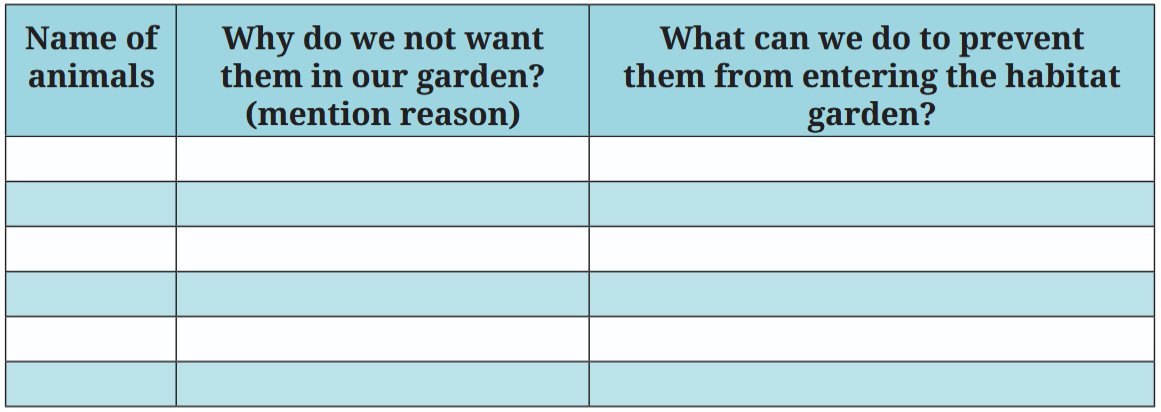
Now fill the tables 2.2 and 2.3 with the help of the experts. Ensure that you have information for at least two types of birds, insects, and small mammals.
Table 2.2: Needs of animals we would like in our habitat garden
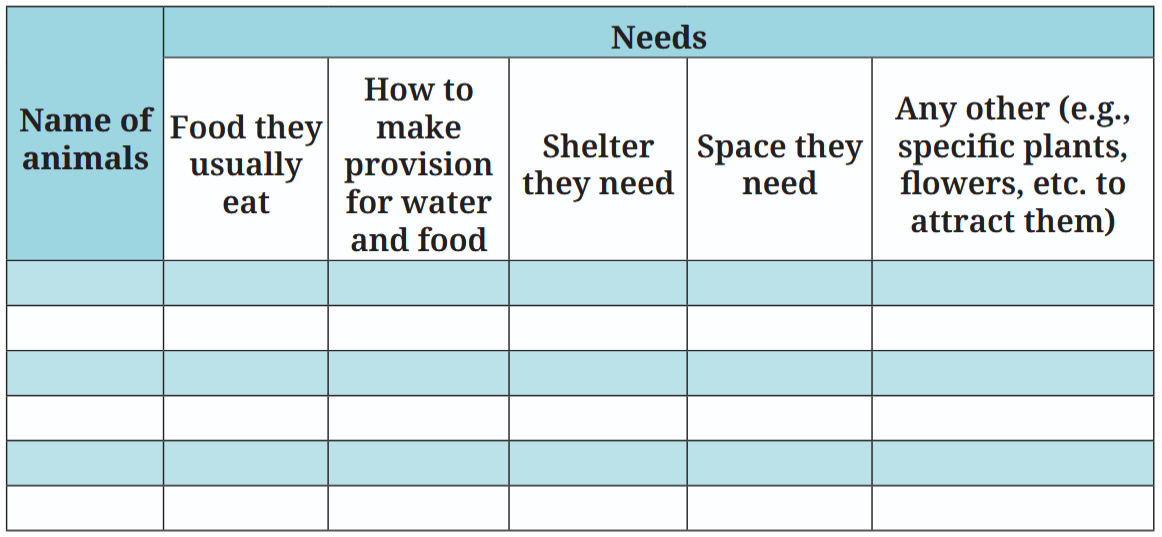
Table 2.3: Preventing animals from the habitat garden
Discuss what you learnt from the expert with your peer. On the basis of this you will take all the decisions related to the habitat garden.
What do I have to do?
Now you must spend some time observing the animals so you can decide how to closely mimic their habitat.
Did you know?
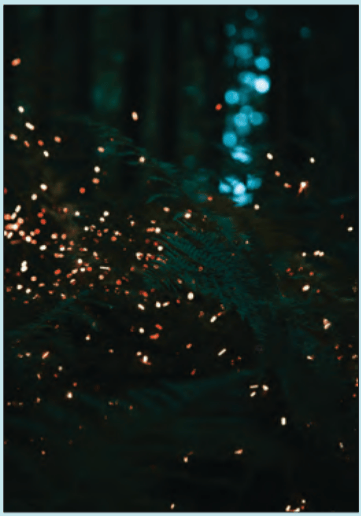
Fireflies are a species of insects that emit light. A few decades back, entire trees used to be lit up by small lights in some areas of our country, but this is rare now (Figure 2.8).
Fireflies live in various habitats but are mostly found in humid, warm environments. Many species thrive in forests and fields or the area between them. As forests and fields are replaced by houses and human population, fireflies are no longer found in the area. Also, as light pollution increases, fireflies cannot signal to each other. This disrupts their life cycle, and the population of fireflies decreases.
Thus, fireflies have not been able to adapt into their changed habitat. This poses a serious problem for farmers in these areas. Fireflies are very important for farmers since they feed on insects that harm crops. As their population decreases, farmers have to use chemicals to protect their crop, which in turn has harmful effects on plants and those who consume these plants.
Identification using apps
You can use mobile applications to identify birds, butterflies, and other insects. Some useful applications are:
- Seek by iNaturalist (App): Helps identify insects, butterflies, birds, and animals through image recognition.
- PlantNet (App): Helps identify local plant species and understand their importance in conservation.
- eBird: Used for logging bird sightings and contributing to a global citizen science database.
- Merlin Bird ID (App): Used for identifying bird species by sound or image.
- Picture Insect (App): Used for insect identification.
Activity 3: Identifying natural habitats
Before you start designing your habitat garden, observe the natural habitat around your school. You may have already done nature walks, this time, think of what the experts shared with you and focus on specific aspects.
To observe the behaviour of animals, you can visit nearby farmland or open areas, water bodies, a forest (including a forested area in a city), parks, large gardens, and similar places.
These observations are best done early in the morning, when animals are most active. Use table 2.4 to note your observations.
Table 2.4: Observations of habitat and behaviour of animals
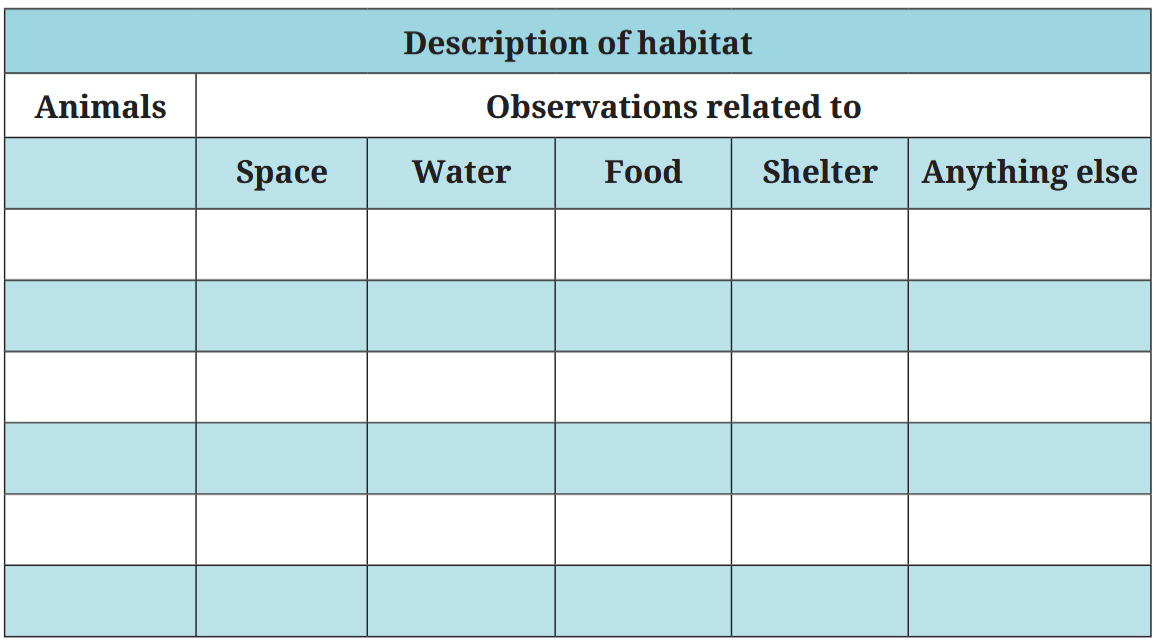
These observations can help us understand how animals keep themselves and their young ones safe from predators, the space they thrive in, and what they need to sustain themselves.
Activity 4: Identifying needs of animals
You are now ready to design your school habitat garden based on the needs of animals.
Use table 2.5 to systematically write your learnings based on your interactions with experts and on your observations. This table is meant to help you identify the needs of different animals you want to attract to your habitat garden. If you still have questions, please ask the experts again.
A few examples are given to help guide you.
Table 2.5: Understanding specific needs of animals
| Space | Food | Water | Shelter |
|---|---|---|---|
| House Sparrow | |||
| Found in trees, bushes, on the ground, on buildings; moves around in flocks | Insects, grains, seeds, small fruits; pecks them from the ground or bark of the tree | Drinks from any water source | Builds nests in dense bushes, hedges or trees; also builds nests in manmade structures like streetlights, below the roof of houses |
| Anything else: Likes to take mud baths by digging a hole in the mud and shaking off the mud on its feathers; also likes to bathe in shallow pools; moves in a flock and sometimes sings together in bushes | |||
| Spider | |||
| Found in sunlight deficit areas; often found in spaces through which other insects pass | Other insects like ants, bees, flies, mosquitoes | From dew; in the early morning, you can see dew on the spider's web | Builds webs out of silk; sometimes leaves and small pieces of rubbish also get trapped in the web |
| Anything else: Spiders like to build their webs under dense branches or bushes so that any insect falling off the plants gets trapped in the web | |||
| Butterflies | |||
| Found in open-sunny areas with lots of flowering plants, water; are delicate and need protection from the wind ('windbreaks' like trees and bushes) | Nectar, sugar syrup, rotten fruit, mashed fruit | Need very little water, can extract from damp soil or fruits; cannot swim but like to drink from the edge of a shallow pool | Butterflies shelter in trees (some like to shelter in narrow cracks in the bark of trees), tall grass, and rocks; they need protection from the wind |
| Anything else: Sometimes butterflies cluster together in groups on moist soil | |||
| Squirrels | |||
| Found in open spaces with lots of trees | Fruits, nuts, seeds, other animals, plants | Need a small amount of water | Squirrels make their nests on trees high above the ground, close to the trunk and in the fork of branches for support; also use hollows in the trunk as nests |
| Anything else: Squirrels are generally observed alone | |||
Did you know?
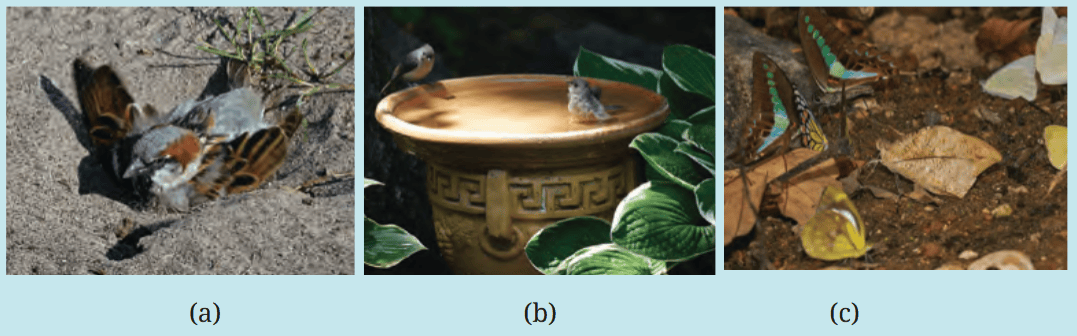
- 1. Some birds like the house sparrow rub their feathers with dry earth or sand while vigorously wriggling their bodies and flapping their wings. This causes dust to fly up and then fall through their feathers. Birds do this to remove any tiny insects that may have crept into their feathers and to clean their skin. This is known as dustbathing (Figure 2.10a).
- 2. Birds take water baths in a similar manner, by wriggling their bodies and flapping their feathers. They are happy to do this in rainwater or in a shallow pool. They do this to clean their feathers and to ensure they are well-maintained for flying (Figure 2.10b).
- 3. Butterflies also gather around puddles, damp soil, or animal droppings. This is known as mudpuddling (Figure 2.10c). They do this to absorb nutrients and also water.
Activity 5: Designing the habitat garden
Having a clear plan is important when creating a habitat garden, as it guides the design of the space, where the garden should be developed, what needs to be added, where should it be added, and how it must be maintained.
Some questions that will guide the design of the habitat garden are given below. Please keep what you have entered in table 2.2 in mind while designing your garden.
- 1. Where will you make the habitat garden (e.g., any open unutilised space on the school grounds or a balcony/terrace)?
- 2. How much sunlight does the space receive during the day? (e.g., does the entire area receive full sunlight or are some parts shaded. How many hours of direct sunlight does it receive?)
- 3. What specific elements do animals need to be attracted to your habitat garden? Consider features like flowering plants, rocks in sunny areas, plants that can 'break' the wind for butterflies, water collecting under a garden tap, etc.
Trees or shrubs around the space are preferable as they act as natural windbreaks (row of trees, a fence, wall, or screen, that provides shelter or protection from the wind) and hideouts for animals to use as shelters.
The garden can also be developed in pots on the terrace close to the boundary wall, which will act as a windbreak.
The garden must be in a quiet space, that is, away from much human movement to ensure comfort of animals.
- 4. Do any of the above already exist in the school? If yes, what are they?
- 5. Are there any other aspects that need to be covered?
- 6. What kind of plants will need to be planted to attract animals, birds, and insects to your habitat garden (e.g., seasonal flowering plants)?
- 7. How will you make sure you do not disturb animals while watering and weeding your garden (e.g., a walkway of sand or brick, areas for mudpuddling in a corner of the garden)?
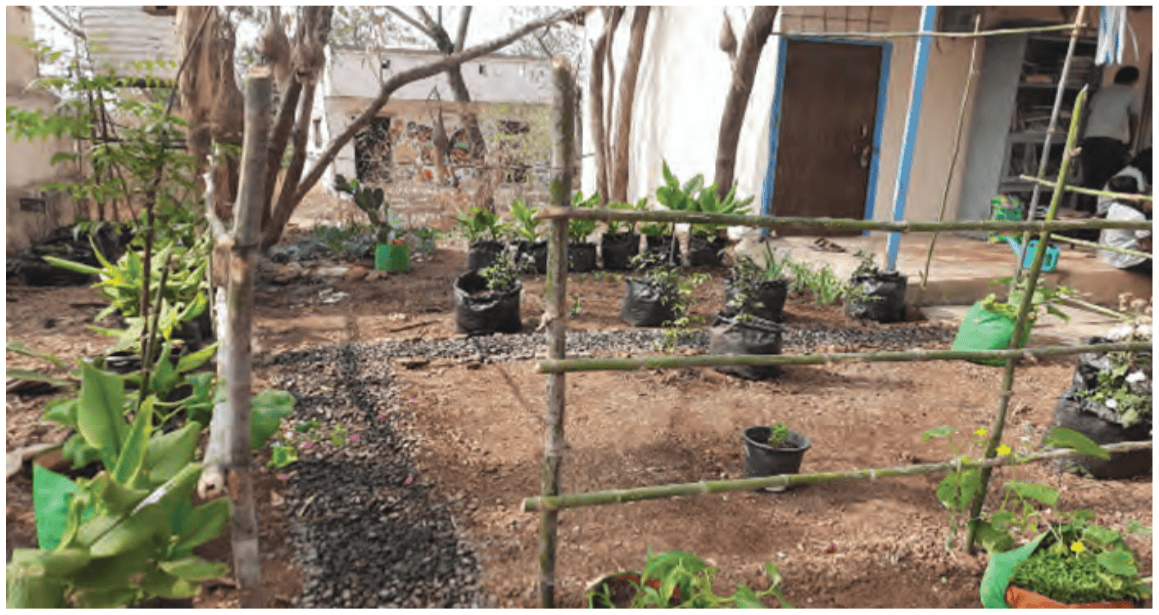
Create a sketch of the layout of the habitat garden, making sure that all key elements are included in it. Add spaces for mudpuddling, basking, dustbathing, water baths, feeders, and all the plant and non-plant elements in your garden. This visual plan will help you as a guide to actually create the habitat garden (Figure 2.11).

Refer to the Activity 1, where you had identified some animals you would not like in your habitat garden. What can you do to ensure they are not attracted to your garden (e.g., ensure there is no stagnant water to prevent mosquitoes from finding a suitable habitat, keep the area tidy by removing wood stack and unused boxes, which could serve as hiding places for snakes, etc., and use natural deterrents).
Mimicking Habitats
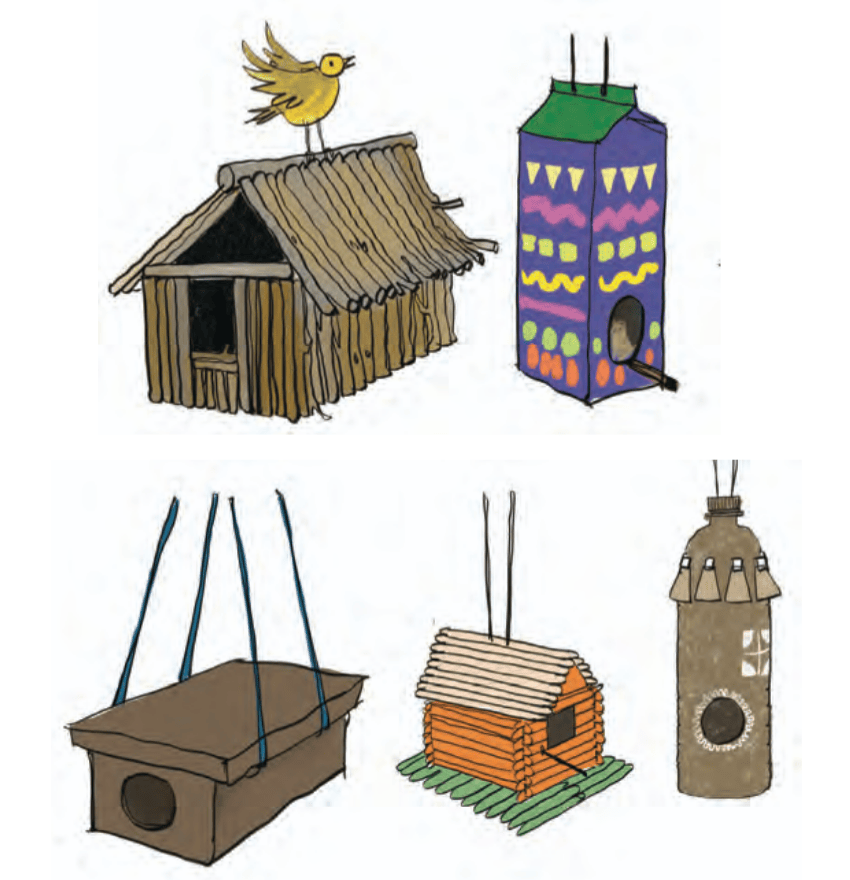
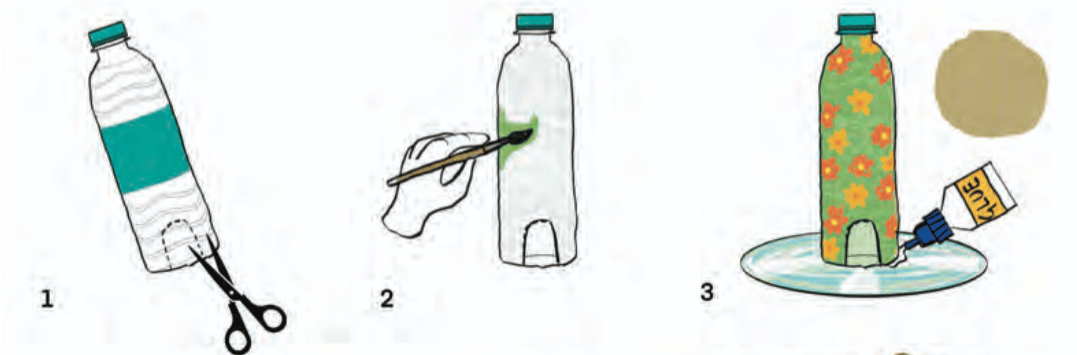
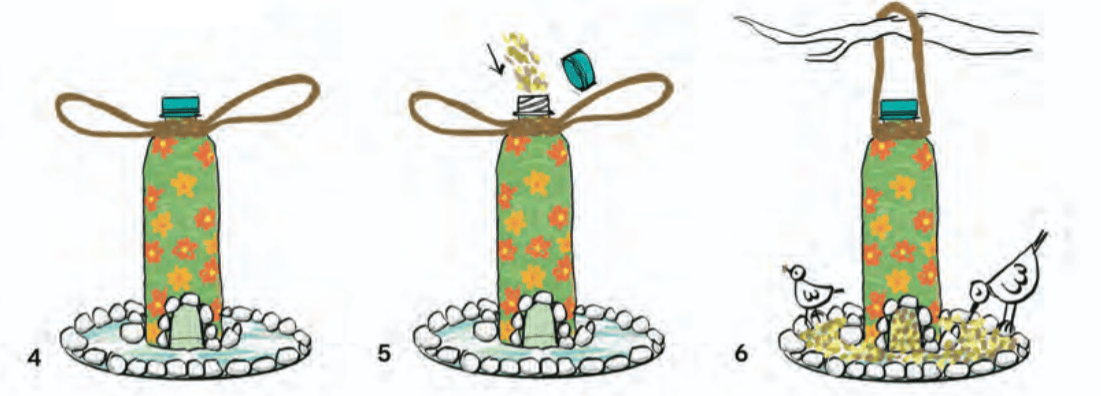
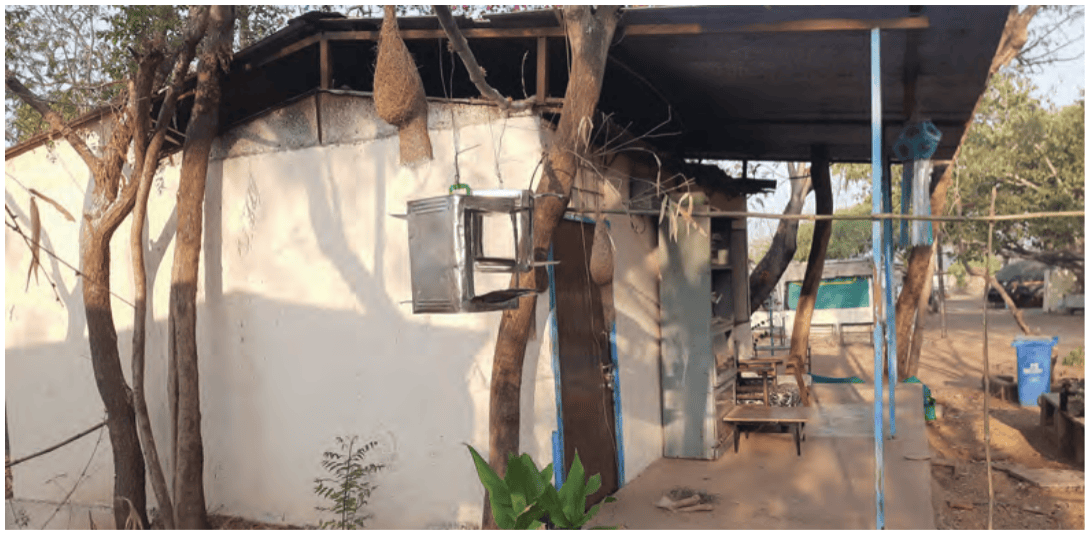
- 1. Nesting boxes for birds: You may have seen 'nesting boxes', these are boxes of different shapes that birds can make nests in. You can make these using waste plywood or bamboo with some help from your teacher. The size of the entrance should match the birds you expect (e.g., small for sparrow, large for owl). Similarly, you must have seen birds drinking and bathing in shallow containers filled with water placed by humans. You can use any discarded container to provide water to birds. Just remember to keep them at a height so they are safe from cats or dogs.
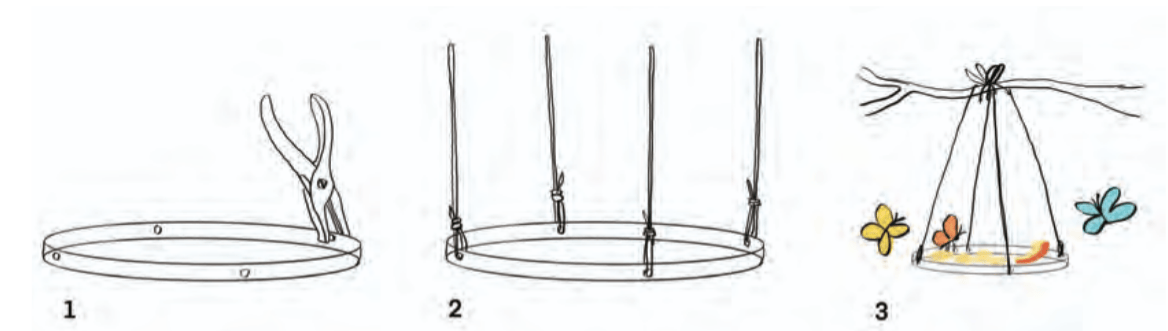
- 2. Waste puddles and feeders for butterflies: Butterflies, on the other hand, do not like very deep water. For them, you can fill water containers with stones or pebbles, and sand. Add a pinch of salt and compost as well to provide nutrients. Ensure that this puddling area is always kept moist. A butterfly feeding area can be created just like feeding areas are created for birds; both need to be at a height but the one for butterflies has to be smaller. For birds, you can put out grains and seeds, while for butterflies you can put out rotting fruit or a sponge soaked in sugar syrup. For butterfly shelters you can make narrow and tall wooden boxes with slits instead of holes so that butterflies can enter but birds cannot. These boxes should be placed high above the ground in a place sheltered by winds.
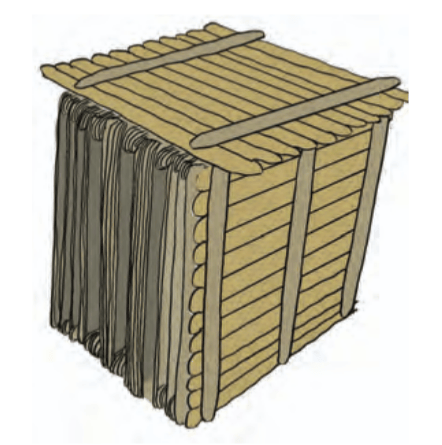
- 3. Shelter for beneficial insects: For insects like ladybugs and beetles, you can create a shelter with natural materials like logs, straw, pinecones, and bricks. Simply stack these materials in layers within a wooden frame or crate. Ensure there are small gaps and crevices for insects to nest. Place these shelters near flowering plants or a compost pit, in case there is one in your school. This shelter should be placed 1-3 feet above the ground. Wooden logs, dead tree branches, and compost heap with dry leaves attract beetles, ants, and similar insects. These can be placed in the corner of the habitat garden.
Activity 6: Creating the habitat garden
Now that the design is ready, start planting the habitat garden! The sequence of steps to be followed are given below:
- 1. Mark the area in the place you have identified. If land is not available, pots or planting boxes can be used.
- 2. First remove unwanted plants, debris, rocks, etc. to clean the selected area.
- 3. Mark the garden boundary with lime powder. Include as many existing trees or shrubs as possible.
- 4. Mark areas as per the layout.
- 5. Prepare soil by digging and loosening the soil, making planting furrows, and adding compost (around 20 to 30 Kg compost for every 100 square metre planting bed). If you are using pots, then prepare a potting mix with 2 parts soil, 1 part compost, and 1 part dry leaves or cocopeat.
- 6. Create a fence around the habitat garden.
As your garden grows, you can slowly add non-plant elements. Some examples are given in Figures 2.13 to 2.16.
Your habitat garden is now thriving with life. By carefully designing and nurturing it, you have created a "self-sustaining environment" that mimics a natural habitat. As plants grow and bloom, they naturally attract various insects and animals, creating a balanced ecosystem.
Flowering plants draw butterflies and small birds, while birds help control insect populations by feeding on them. The presence of insects also invites spiders, bats, lizards, and insects, which play their role in the "food chain". Over time, these smaller creatures attract larger birds, which will add to the "biodiversity" of your garden.
Your habitat garden can now become a haven for animals, a beautiful green space, and a step towards ecological conservation.
Activity 7: Observing occupants of the habitat garden
Allow your habitat garden time to grow and flourish. Once it has fully developed, observe the various animals that inhabit the school habitat garden, such as butterflies, ants, small birds, lizards, and squirrels. Work in groups to document your observations.
- 1. Carefully observe and record the behaviour of animals around water sources and feeding areas.
- 2. Remember that butterflies and birds are most active during sunrise and sunset, so try to arrive at school early for better observations.
- 3. If possible, take photographs or sound recordings. You can also sketch the animals or include photos in your observation records.
You can note your observations in table 2.6 below.
Table 2.6: Observation records of visitors to the habitat garden
| Observation | Date | Remarks |
|---|---|---|
| Insects 1. 2. 3. 4. 5. 6. |
1. 2. 3. 4. 5. 6. |
Number observed Stage of insect (like egg, larvae, adult, etc.) Where did you observe it? Insect activity (like feeding, seeking shelter, bathing, mudpuddling) |
| Birds 1. 2. 3. |
1. 2. 3. |
Number observed Where did you observe it? Bird activity (like feeding, hunting, seeking shelter, bathing, puddling) |
| Small mammals 1. 2. 3. |
1. 2. 3. |
Number observed Where did you observe it? Animal activity (like feeding, hunting, seeking shelter, bathing, puddling) |
If you are getting a lot of visitors to your habitat garden, that is wonderful! If not, do not be disappointed. You need to be patient, animals need to be confident that their needs will be met. Some animals may already be living in the school, and they may decide to use the habitat garden. Wait for some time, discuss with experts, and make suitable changes.
Activity 8: Maintaining the habitat garden
The habitat garden will host living things. This includes plants, ants, insects, birds, lizards, and many others. To keep your habitat garden a buzzing place, you need to maintain it regularly.
Taking care of the habitat garden is important to ensure it continues to attract animals you want. You also need to take care of plants, and ensure there are no unwelcome occupants. For example, you need to water the plants, ensure there is no stagnant water to prevent mosquitoes, clear fallen leaves and stems from pathways (you can collect them and put them in a compost bed). Therefore, you must prepare a maintenance schedule for the habitat garden. You can divide yourselves into small teams and distribute the work. You must rotate the tasks so that everybody gets a chance to contribute. You can prepare a maintenance chart and keep a checklist to ensure tasks are done on time. Some examples are given in table 2.7; you can add more as per your habitat garden.
Table 2.7: Maintenance schedule for the habitat garden
| Schedule for week of the month of | ||||
|---|---|---|---|---|
| Task | Responsibility | Planned date for the activity | Date activity was performed on | Remarks |
| Watering of plants | Everyday | |||
| Filling of watering and bathing containers | Everyday | |||
| Feed in the bird feeder | Once in a week | |||
| Weeding | Once in a month | |||
| Cleaning of garden | Everyday | |||
| Composting of agro-waste | Everyday | |||
Every living thing is looking for a comfortable and secure habitat. Your consistent efforts in maintaining your garden will attract more and more living things to your garden.
Activity 9: Showcasing your work
Plan how you will share your habitat garden with others. To make it informative for visitors, consider labelling key features, such as:
- 1. Names of flowering plants
- 2. Animals benefiting from shelters, water containers, and feeders
- 3. Marked areas for mud-puddling and dust-bathing
You can also create a presentation to explain the process. This could be in the form of a chart or a digital slide presentation. Here are some key points to include:
- 1. Purpose: Why did you create the habitat garden?
- 2. Designing and Layout: How did you plan the layout based on the needs of animals?
- 3. Target Species: Which animals did you aim to attract, and what are their specific needs?
- 4. Observed: What have you noticed since setting up the garden?
This presentation will be valuable during the Kaushal Mela, where you can use it to explain your project to visitors.
What did I learn from others?
- 1. What are three most fascinating things you have discovered?
- 2. What key insights did you gain from observing and discussing about the living beings and their habitat?
What did I do and how long did it take?
It is important to understand how much time is required for an activity to be completed.
Calculate the approximate amount of time in hours you spent on each activity. Mark them on the timeline below. If you did more than the activities suggested in the book, please add the number and time taken.
| Activity | 1 | 2 | 3 | 4 | 5 | 6 | 7 | 8 | 9 |
|---|---|---|---|---|---|---|---|---|---|
| Time taken (Periods) |
What else can I do?
- 1. Try to create a small butterfly garden at home. For this, you will have to decide what kind of plants and non-plant elements will attract these insects. Get information from experts (including persons who create habitat gardens as a hobby) about local butterflies, birds, and their habitats. You can collect information from local newspapers, magazines, Internet, etc. about habitat conservation practices.
- 2. Write an essay or story about creating your habitat garden and send it for publication in the local newspaper.
- 3. Make a video of your habitat garden.
Time lapse video
You can create a time lapse video, that shows how something is changing. You can take photographs of your garden each time you feel you have added some element or plants have reached certain points in their growth (e.g., germination, appearance of stems and leaves, and later of flowers).
Search on the Internet with the keywords—app+time lapse+video. Choose an app that will allow you to upload still photographs and make a video.
Think and Answer
- 1. What did you enjoy doing?
- 2. What were the challenges you faced?
- 3. What will you do differently next time?
- 4. According to you, what is the importance of the habitat garden?
- 5. How do you plan to maintain the habitat garden after completion of project activities?
- 6. Identify few examples of jobs related to the work you just did. For example, naturalist, conservationist, entomologist, zoologist, botanist, forest officer, environmentalist. Look around, speak to people, and write your answer.