विना तु नृत्यशास्त्रेण चित्रसूत्र सुदुर्विदम् ||३||
vinā tu nrityaśhāstreņa chitrasūtram sudurvidam
-Vishnudharmottara Purana
Without the knowledge of dance (nrityaśhāstra) the principles of sculpture (shilpaśhatra) are very difficult to understand.
Note to the Teachers
Teachers may provide a spacious hall with sufficient space for children to move and dance. The space should have ample ventilation and adequate lights. Guide the children according to their ability to adopt the given principles. Help them to form groups and work as a team.
Pedagogical Principles
- Help children understand body movements in relation to geometrical shapes to try out comfortable and challenging postures.
- Interrelationship of arts with sculpture, particularly with body and geometrical shapes.
- Understanding some basic units of dance with a focus on feet movement and rhythm, and exploring mathematical permutations and combinations of talas.
- Introduction to jumps and pirouettes in dance, and making them comfortable to practice various jumps. This will be physically beneficial for the children.
- Expression of emotions — encourage children to express their emotions, both positive and negative to foster emotional well-being.
- Using hand gestures as a communication medium.
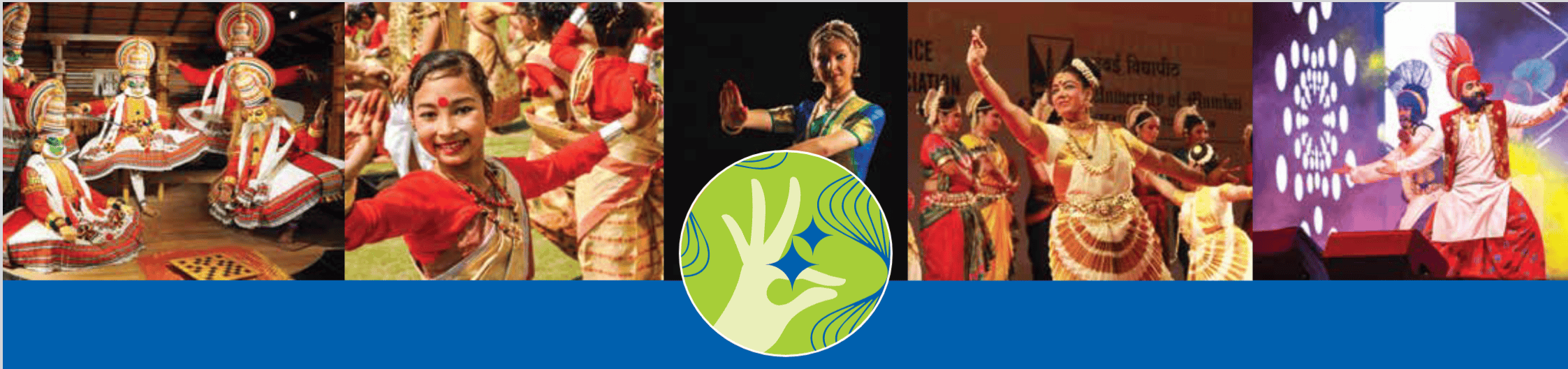
- Learn about dance forms of India including, classical and traditional forms, thereby understanding the cultural diversity of India.
- Gender sensitisation with learning and understanding role-play irrespective of gender, especially in the case of traditional dances.
- Introduction to contemporary Indian dance and use of dance in popular culture. Exploring creativity with movements.
- Learning and researching notable Indian dance personalities.
- Importance of teamwork and collaborative effort in producing dance.
- Holistic appreciation of dance and movement with due importance to nature.
The Curricular Goals and Competencies Are Given Below
CG-1: Develops openness to explore and express themselves through various art forms.
C-1.1: Confidently expresses their personal and everyday life experiences through a variety of dance and movement activities.
C-1.2: Demonstrates flexibility in the process of collaboratively developing dance and movement practices.
CG-2: Applies their imagination and creativity to explore alternative ideas through the Arts.
C-2.1: Creates and performs dance and movement sequences that challenge stereotypes observed in their surroundings (such as gender roles).
C-2.2: Connects elements of dance and movement, mudras, gestures and postures with personal experiences, emotions, and imaginations.
CG-3: Understands and applies artistic elements, processes, and techniques.
C-3.1: Demonstrates stage etiquette, care for stage equipment, props and costumes; and makes informed choice while using dance and movement techniques.
C-3.2: Reworks ideas and expressions used in dance and movement from the stage of planning to final performance, and reviews the entire process.
CG-4: Acquaints themselves with a range of aesthetic sensibilities in regional Arts and cultural practices.
C-4.1: Demonstrates familiarity with various local, and regional forms of dance and movement.
C-4.2: Describes the life and work of a few local dancers, and movement artists in their region and across the India.

10
DANCE AND SCULPTURE
Dancing Body in Sculptures
The Vishnudharmottara Purana emphasises the interrelation and interdependence between various art forms.
Dated around 400 to 600 CE, the end of the Gupta period, is also known as the golden age of Indian arts. It understands the importance of spatial concepts of the performing body.
In this text, a discussion occurs between King Vajra and Markandeya on painting and drama in a memorable verse. It states the manifold interrelationship of performing and visual art.
Sage Markandeya instructs, “One who does not know the laws of painting (chitra) can never understand the laws of image-making (shilpa); and, it is difficult to understand the laws of painting (chitra) without any knowledge of the technique of dancing (nrtya) ...”.
The precision of geometrical shapes in dance and sculptures was probably worked out due to this interdisciplinary understanding.
Geometrical shapes in dance
Dance and mathematics often intertwine with geometrical shapes, playing a key role in creating balanced and visually appealing movements.
When observing postures in dance, you can identify various geometrical shapes and angles formed by the body, such as triangles, circles and lines.
You have been learning your dance movements with the usage of different body parts.
Small body parts, medium body parts and big body parts which are mentioned in dance texts.
You are familiar with identifying shapes created by upper body bends or torsos.
Body postures in upper torso

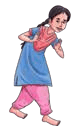

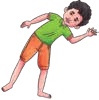
Arms and Angles
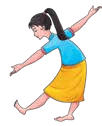
Earlier you have used your arms in different ways, moved in circles, made half circles and diagonals. Now, observe how your arms create various geometrical angles when it is used in dance.
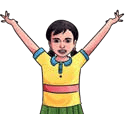
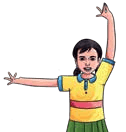
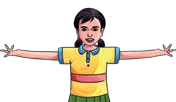
Note to the Teacher: Connecting these actions to the lessons in geometry would help the child understand the concepts of lines and angles in an enjoyable way. The geometry teacher could also be involved in planning this.
Now, it is time to focus on your lower torso, and explore the geometrical shapes formed through its movements and postures.
Body postures in lower torso
With knee bends
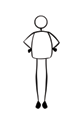
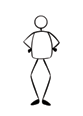
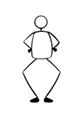
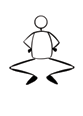
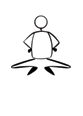
With Distance Between The Feet
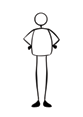
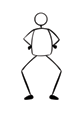
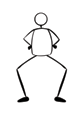
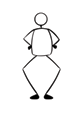
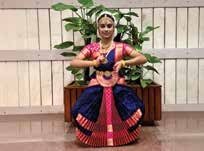
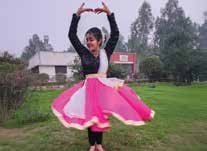
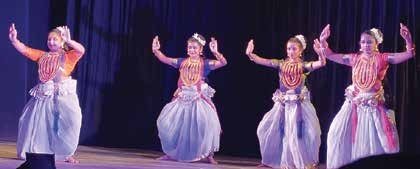
Activity 10.1: My Body in Various Shapes
Combine your upper torso, lower torso, and arms to make various shapes and postures, and let your friends identify the shapes — squares, triangles, rectangles, parallels or rhombuses?
Activity 10.2: Dancing Sculptures
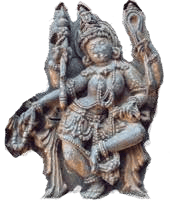
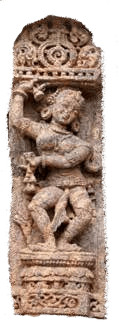
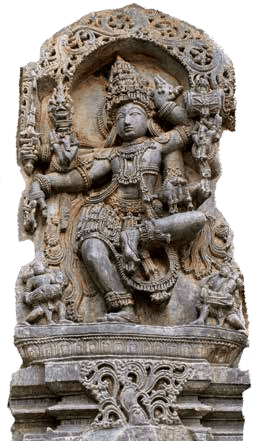
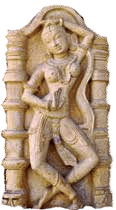
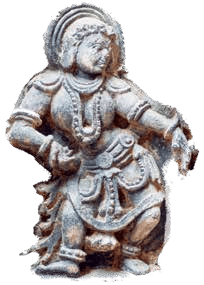
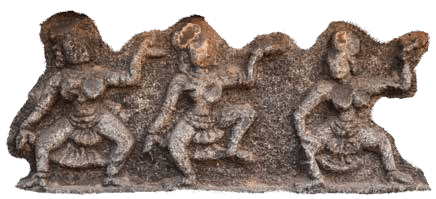
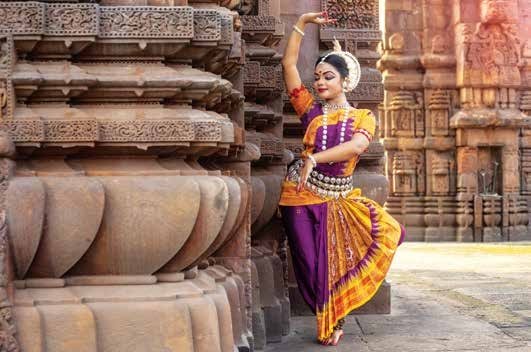
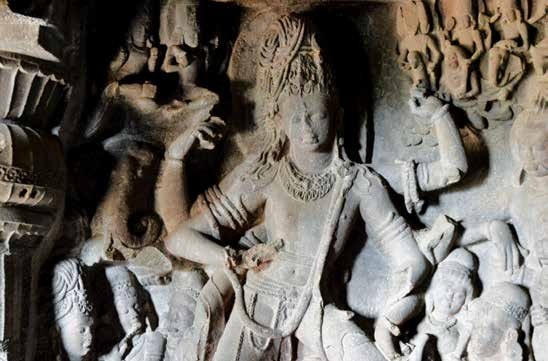
Temple sculptures throughout India have beautiful dance representation. Some of the important temples include the Chidambaram Temple in Tamil Nadu, the Konark Sun Temple in Odisha, the Dilwara Temple in Rajasthan and Elephanta Caves in Maharashtra.
As discussed before, can you observe the combination of the upper and lower torso in the dance pictures on the previous page? Can you try these postures as shown in the pictures?
Can you identify the various angles in these images?
Do you find some positions to be more challenging than others? Why don’t you try a posture that is simple and one which is challenging?
Left to right, top to bottom:
- Dancing Hindu Goddess, Hoysaleshwara Temple in Halebidu, Karnataka
- Lady Dancer, Sun Temple Konark, Odisha
- Dancing Shiva, Kedareshwara Temple, Halebidu, Karnataka
- Hindu Temple Hoysaleshwara in Halebidu, Karnataka
- Dancers from Hampi, Karnataka
- Jain Temple, Haridwar, Uttarakhand
Hand gestures
You have learnt Asamyuta hastas (single hand gestures) and Samyuta hastas (double hand gestures) in Kriti, Grade 6. Recall those hastas.
ASAMYUTA Hastas (single hand gestures)
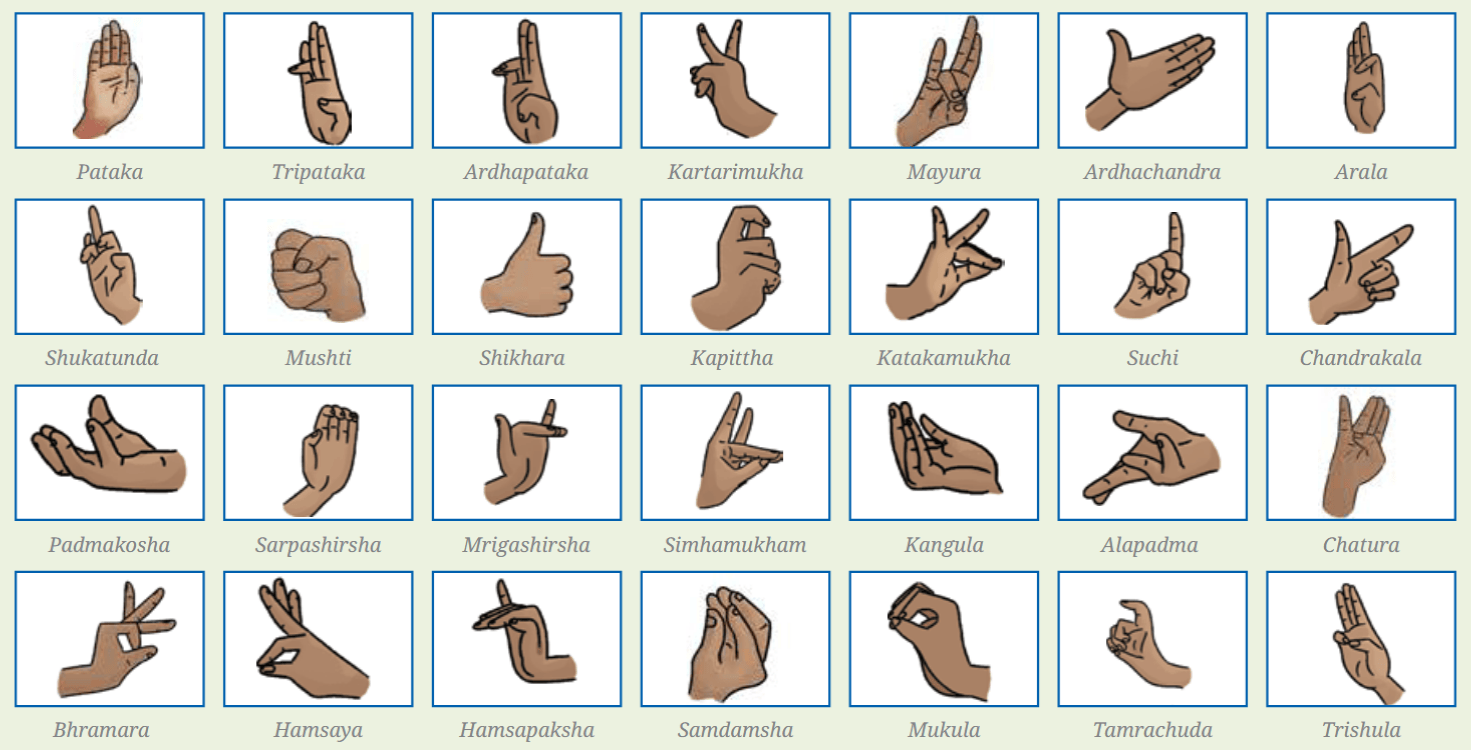
Pataka Tripataka Ardhapataka Kartarimukha Mayura Arala Shukatunda Mushti Shikhara Kapittha Katakamukha Suchi Chandrakala Padmakosha Sarpashirsha Mrigashirsha Simhamukham Kangula Alapadma Chatura Bhramara Hamsapaksha Hamsaya Samdamsha Mukula Tamrachuda Trishula
SAMYUTA hastas (double hand gestures)
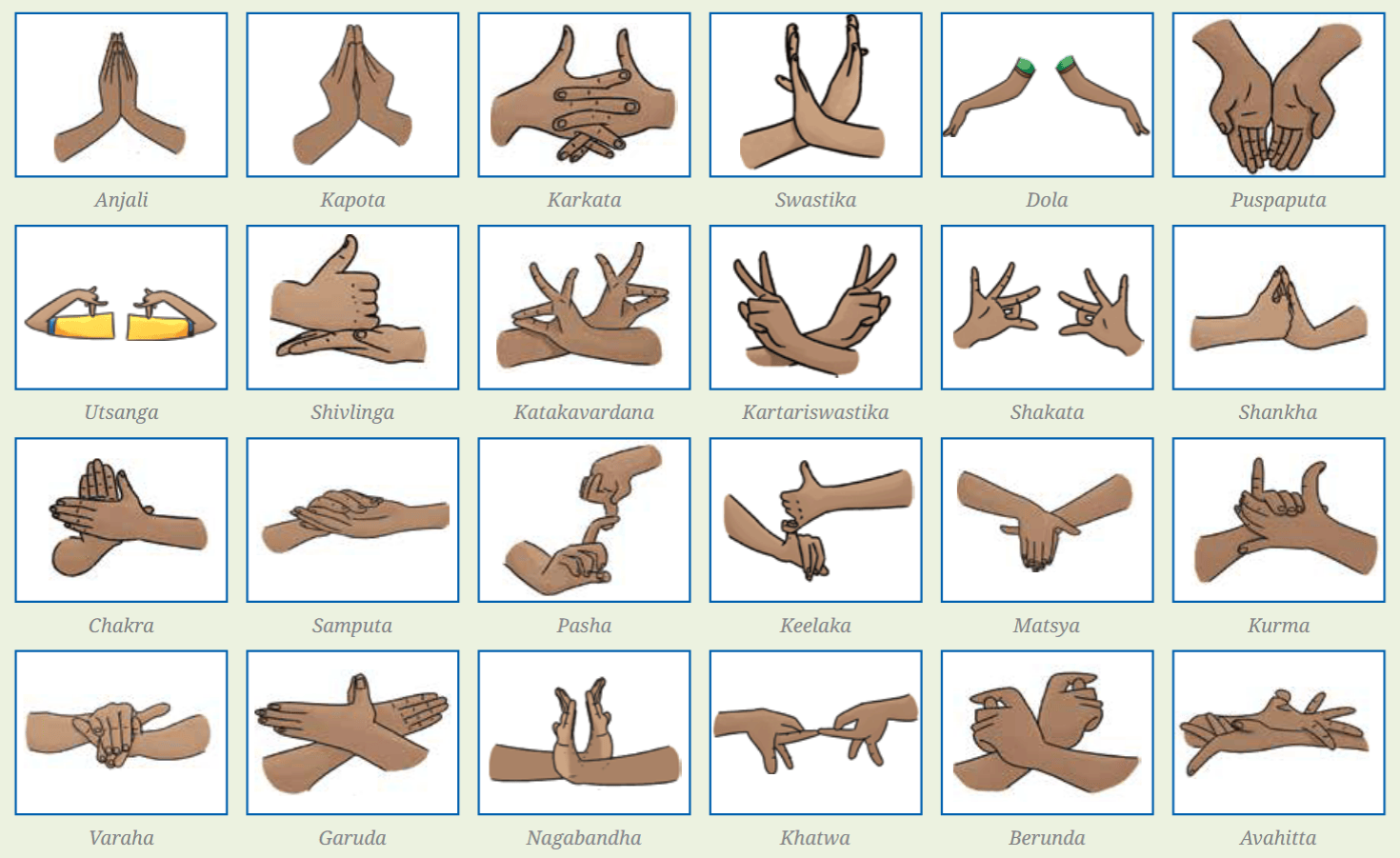
Anjali Kapota Karkata Shakata Shankha Chakra Samputa Pasha Keelaka Matsya Kurma Varaha Nagabandha Khatwa Pushpaputa Utsanga Shivlinga Katakavardana Kartariswastika Dola Avahitta Garuda Swastika Kataka Berunda
Activity 10.3: Hastas in Sculptures
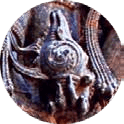
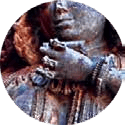
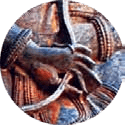
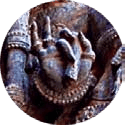
Our Indian sculptures showcase their splendid artistry through intricate stances, expressive features and graceful hastas (hand gestures). Hastas in sculpture impart an artistic aesthetic to the body and convey emotions effectively without the use of words.
Can you see hastas in the pictures given below, try them out and see if you can match them with the hasta illustrations? It is important to understand that these hastas are dance, some hastas are in sculptures of heritage monuments.
Discuss with your friends, and try out hasta mudras as seen and create new ones.
Navarasa: The feeling of the nine emotions
Emotions and expressions are an integral part of Indian dance. These basic emotions give rise to an emotive ambience that is enjoyed by everyone. That is rasa.
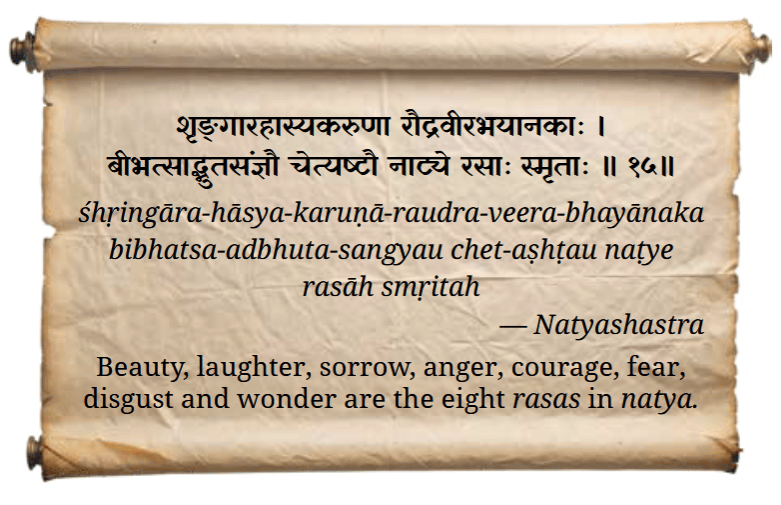
शृङ्गारहास्यकरुणा रौद्रवीरभयानकाः | बीभत्साङ्कृतसंज्ञौ चेत्यष्टौ नाट्ये रसाः स्मृताः | १७ |
śhṛingāra-hāsya-karuṇā-raudra-veera-bhayānaka bibhatsa-adbhuta-sangyau chet-aṣhṭau naṭye rasāh smṛitah
— Natyashastra
Beauty, laughter, sorrow, anger, courage, fear, disgust and wonder are the eight rasas in natya.
This is the shloka from the Natyashastra that talks about eight rasas. The ninth rasa, shanta was included later by Abhinava Gupta in 10th century CE.
Do you remember the names of the nine emotions we learnt in Kriti, Grade 6? Do you remember expressing them?
Let us remember the nine emotions and expressions:
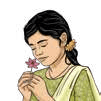
How do you feel when you smell the fragrance of flowers? — śhṛingāra

Does looking at squirrels and their activities make you happy and bring a smile to your face? — hāsya
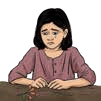
Is there sadness when someone destroys those flowers? — karuṇā

Does it make you angry when someone cuts down the trees in the garden? — raudra

You bravely rise in protest to stop the destruction of the trees and plants — veera

There may be perils in the garden. Suppose there is a snake in the branches of a tree, what will be your emotion? — bhayānaka

Some plants are decaying on the ground and unfortunately, they give out a pungent smell that may disgust you — bibhatsa

But the beauty of nature is always wondrous — adbhuta
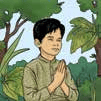
Let us all find peace in nature — śhānta
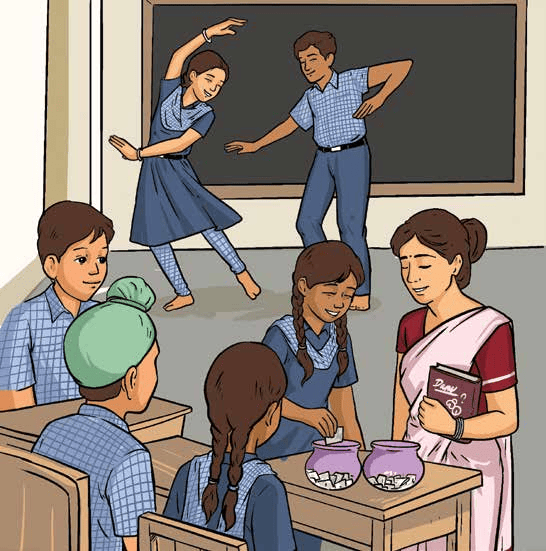
Activity 10.4: Matching Emotions with Our Chores
Materials
Two bowls of chits
- Bowl 1: Nine emotional states (happiness, sadness, anger, surprise, fear, excitement, calm, confused, proud).
- Bowl 2: Daily activities (e.g., brushing teeth, dressing, going to school, eating lunch, doing homework, doing yoga).
Instructions
- 1. Each child picks a chit from bowl 1 and bowl 2.
- 2. The child then enacts the daily activity they picked, performing it along with the emotional state from the other chit.
Include hand gestures with this for effective enactment.
Example: If you pick ‘confused’ emotional state from bowl 1 and ‘do homework’ as a daily activity from bowl 2, enact as if you are willing to do homework but don’t want to do it right now (you can scratch your head, leave your pen and hold it again, close the book and open it).
Assessment
| Chapter 10: The Dancing Body and Emotions | ||||
|---|---|---|---|---|
| CG | C | Learning Outcomes | Teacher | Self |
| 1 | 1.1 | Understands the use of upper and lower torso in dance | ||
| 1 | 1.2 | Understands the geometric shapes the body creates | ||
| 1 | 1.2 | Confidently expresses emotions | ||
| 2 | 2.1 | Correlates with sculpture | ||
| 2 | 2.2 | Understands hastas in sculpture | ||