
20
Integration of all Art Forms
— Sculptures come Alive!

Art is a powerful language that speaks to your mind and heart. What you feel and experience during a concert or while viewing a painting is something that cannot be put in words. Now, imagine all these art forms that you have learnt, coming together to give one unique experience! You are about to try doing that here!
ACTIVITY 20.1: STORIES IN STONE
The objective of this activity is to inspire creativity and collaboration by using ancient sculptures as a starting point to build a story, and then bringing it to life through performance with music, movement and dialogue.
- 1. Preparation
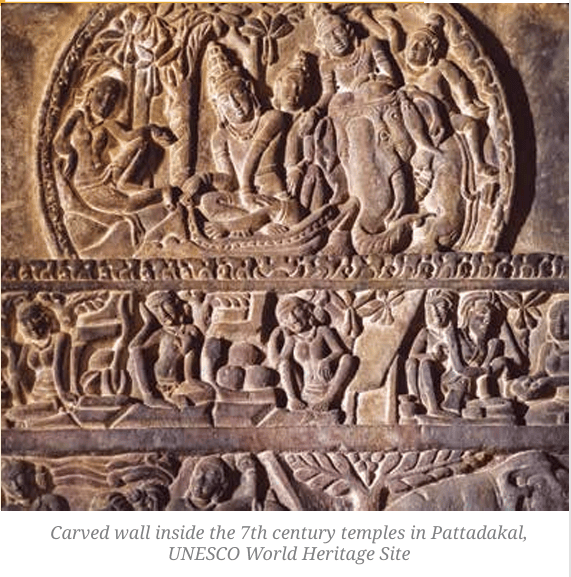
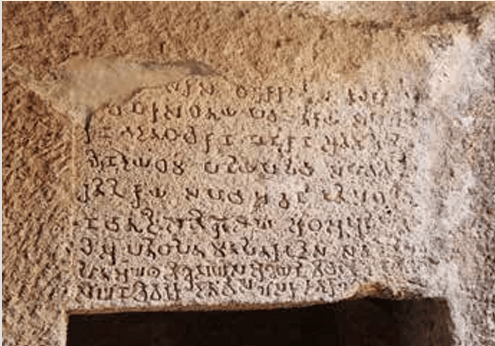
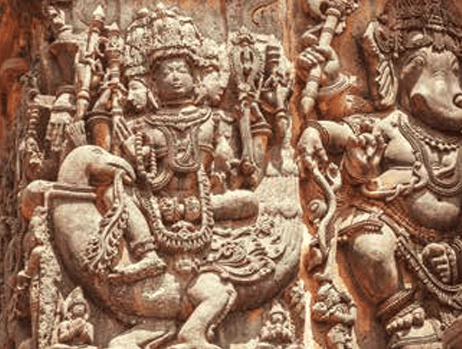
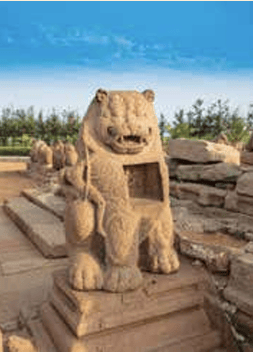
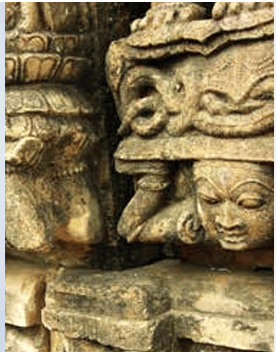
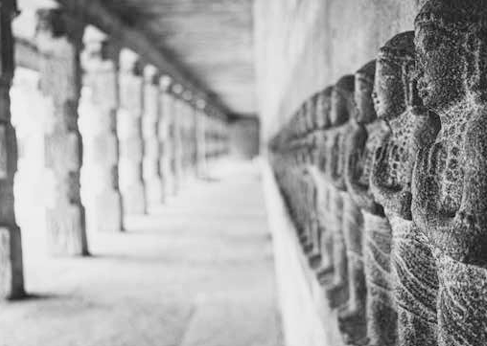
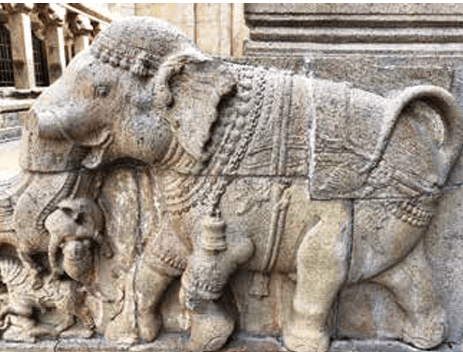
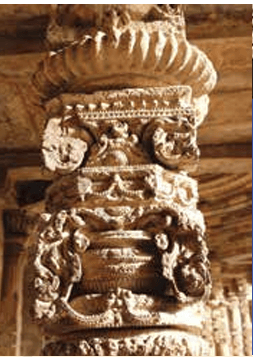
- Look at all the pictures of sculptures and stone carving in the book. It is there in all the four sections. You can also f ind more pictures from the ones found around you or from the places to where you have travelled (these could include depictions of gods, dancers, warriors, animals or everyday life scenes).
- You can also discuss with your social science teacher to provide more pictures of sculptures that could be used in the story.
- 2. Story Creation
- Make small groups (4 – 6 students).
- Each group carefully examines the sculptures, and imagine the lives, emotions and actions of the figures depicted.
- With help from your teacher, create a story that connects the sculptures in a meaningful way. For example:
- A heroic adventure of a warrior statue.
- A festival scene featuring dancers and musicians.
- A divine story featuring gods and mythical creatures.
- A simple tale from the life of common people.
- Arrange the pictures in the order of how the story progresses, so it makes sense when you
- 3.Incorporating Art Forms
- Visual art —— Imagine the parts of the story which don’t have pictures and make your own drawings to connect and express the story. Recall the familiar visual storytelling traditions that you have learnt about in this book like Phad or Patachitra. Take inspiration from these and create your own visual narrative. Think about the variety of materials and techniques you can use to express your story.
- Movement — Include dance Temple, Chhattisgarh or body movements and gestures to represent the hastas and postures of the sculptures.
- Dialogue —Write short dialogues or monologues for the characters inspired by the expressions or postures in the sculptures. This should help in taking the story forward.
- Music/Songs — Add traditional music or create simple songs that fit the story. You can clap, hum or use available instruments to create rhythm.
- Folk storytelling — Try incorporating one of the styles of storytelling that you have studied in this book, like Phad storytelling or Harikathe or any other local form that you have seen.
- 4. Rehearsal and Practice
- Each group is given time to rehearse their story, incorporating movement, music and dialogue.
- You can be creative by adding interesting parts to the story, but remember to keep the story clear and focused.
- 5. Presentation and reflection
- Each group performs their story for the class. The audience (the rest of the class that is watching) can discuss how the sculptures inspired the characters, movements and actions.
- After the performances, facilitate a discussion:
- What stories did the sculptures inspire?
- How did music, movement and dialogue enhance the story?
- What emotions or messages did the sculptures convey through the performance?
- Outcome
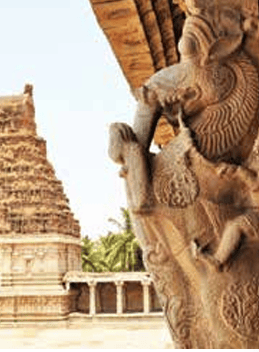
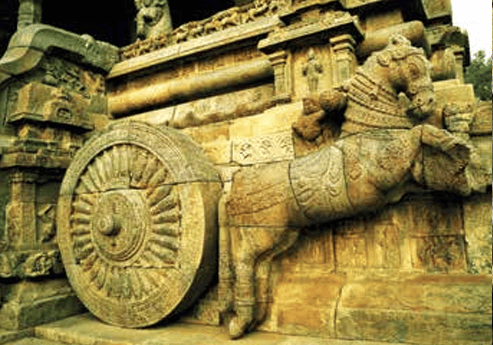
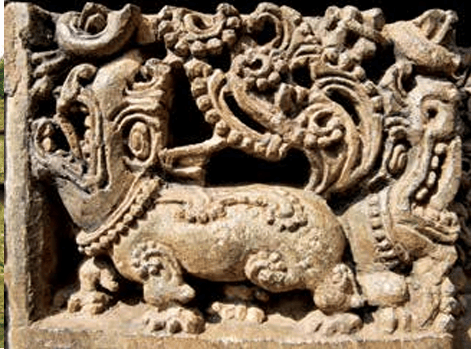
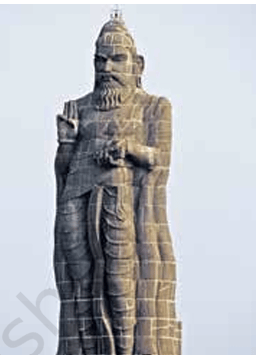
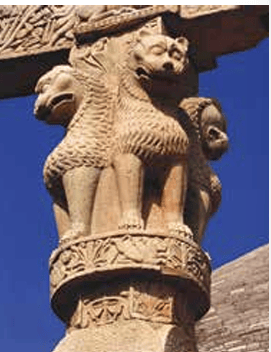
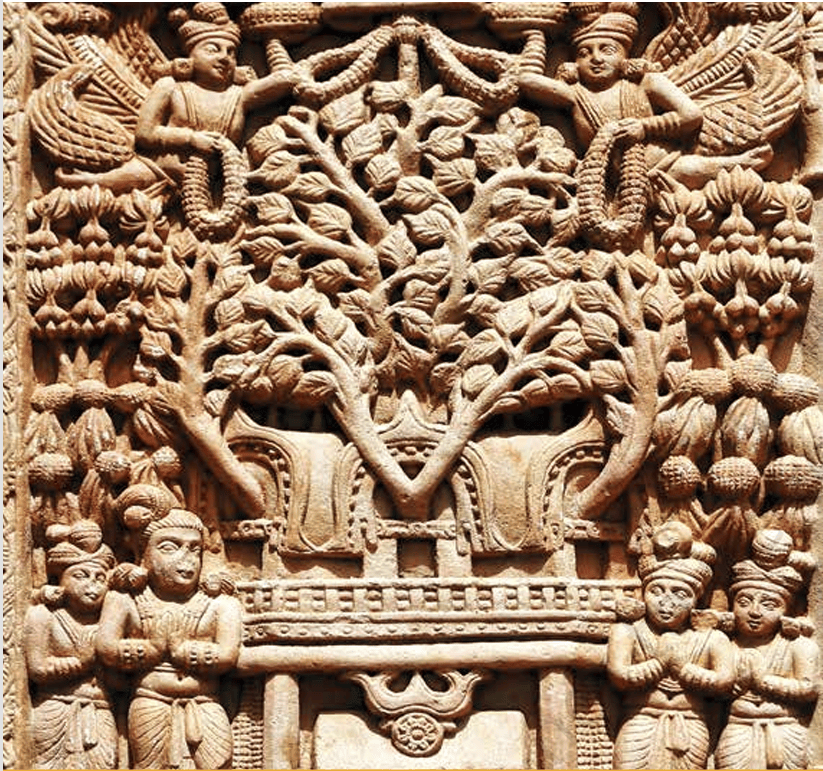
This activity helps students connect with India’s rich heritage of temple art while encouraging teamwork, storytelling and creativity. By integrating music, movement and dialogue, they learn to bring history to life in an engaging and imaginative way.
Note to the Teacher:

Though this is presented here as an activity to be in the classroom, the story performances can be presented in front of the school audience or in the assembly to motivate the children.