
5 Universal Franchise and India’s Electoral System
"[India] adopted the principle of adult franchise with an
abundant faith in the common man and the ultimate
success of democratic rule…never before in the history
of the world has such an experiment been so boldly
undertaken.”" — Alladi Krishnaswami Ayyar
November 1949, Constituent Assembly Debates
The Big Questions?
1. What is universal adult
franchise?
2. What is an electoral system?
3. How does India’s electoral
system work?
UNIVERSAL ADULT FRANCHISE
The Constitution makers decided that universal adult franchise would be a feature of Indian democracy right from the outset. This means that every adult citizen gets one vote, and all votes have equal value. Hence, every Indian citizen aged 18 and above has the right to vote — irrespective of caste, creed, race, religion, gender, education, income, etc. The word ‘universal’ connotes this.
LET'S EXPLORE
India changed the minimum age for voting from 21 to 18 in 1988. Discuss whether this was a good move.
Universal franchise is a cornerstone of Indian democracy. Elections to the Lok Sabha, the legislative assembly of every state and union territory, and all the local elections in villages and cities are based on universal franchise (Article 326 of the Constitution). Remember that no one can vote on another’s behalf.
→ Can you calculate how long you have to wait before you can vote?
To be able to exercise your right, you need to be registered as a voter in your constituency. However, one is barred from voting if found guilty of committing certain serious crimes.
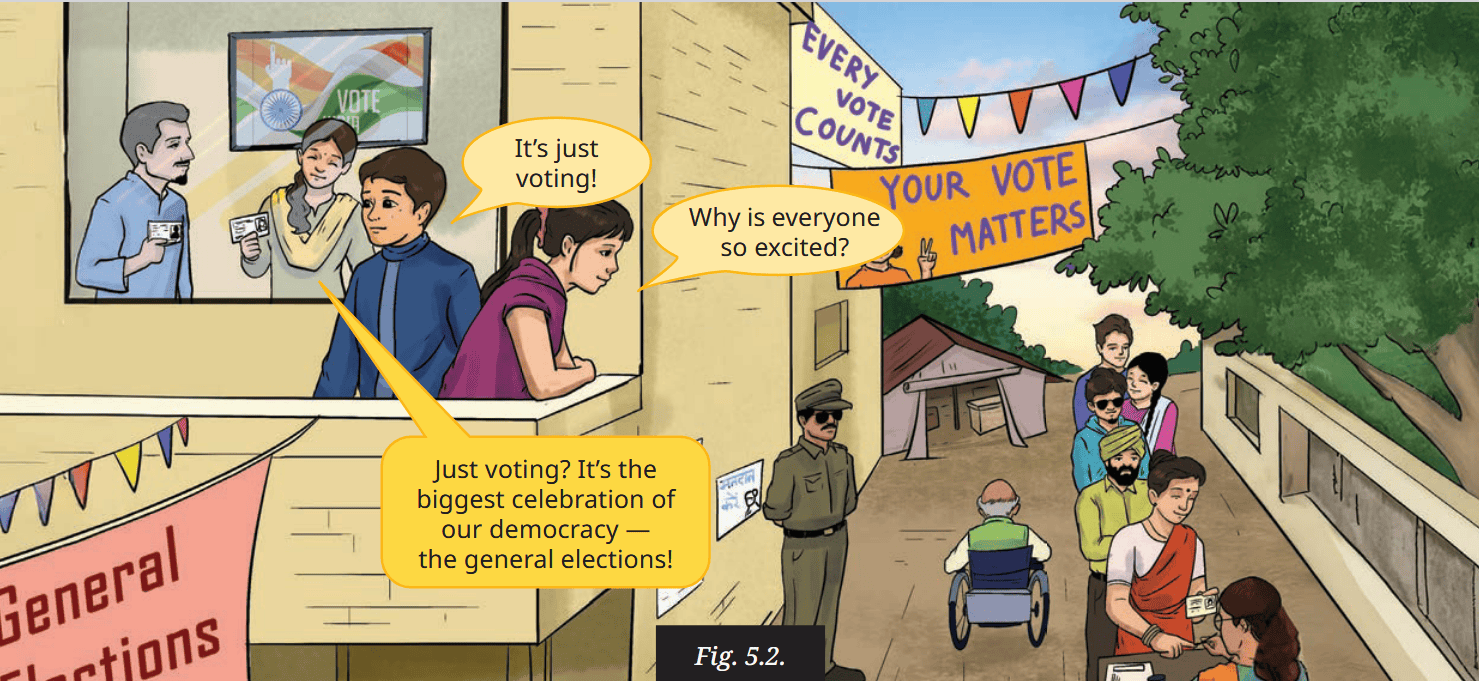
Do you remember India had a general election in the summer of 2024? About 980 million voters were eligible to exercise their franchise for the 543 constituencies of the Lok Sabha.
DON'T MISS OUT
India has 3.1 million elected representatives (1.3 million of them women) in more than 250,000 local government bodies across India. All these are democratically elected through universal adult franchise.
We need an elaborate and well-organised system to manage this massive exercise and ensure that the elections take place fairly and freely. In this chapter, we will briefly explore who can vote, a few of the types of elections we have, the electoral system, and how it is organised.
DON'T MISS OUT
→ Before Independence, only 13 per cent of Indians were allowed to vote, and franchise was not universal. We will delve more into this in another part of the textbook.
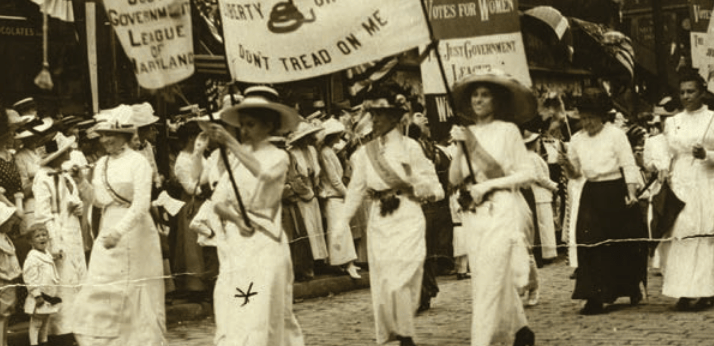
→ India was among the early nations to grant women the right to vote, ahead of many others around the world. For example, women were given the right to vote in Switzerland only in 1971. Women fought long and hard in many countries to win this fundamental democratic right. In India, on the other hand, a progressive constitutional vision and deep democratic values rooted in India’s ancient traditions ensured women had voting rights from the very beginning.
LET'S EXPLORE
In 1947, our literacy rate was about 14 per cent, only about 8 per cent among women. Some argued that the right to vote should be given only to literate people. Discuss in your group why the Constitution makers may have decided on universal franchise from the time of Independence itself.
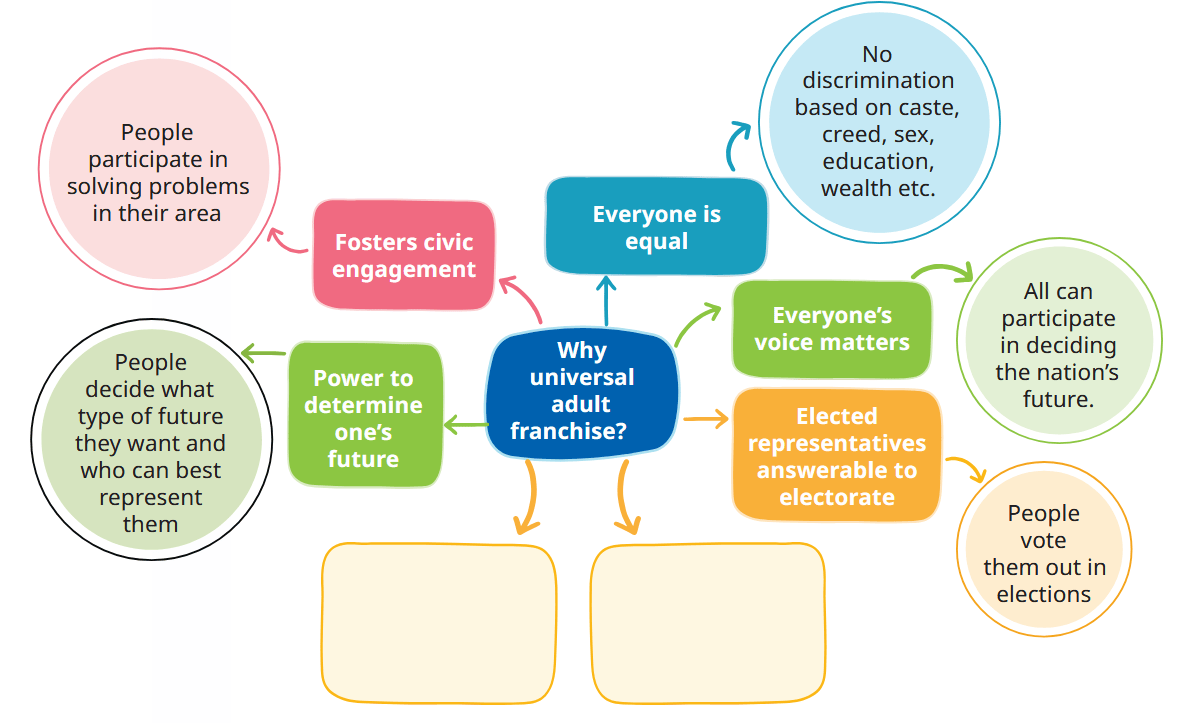
There are several reasons why universal franchise is so important. A few are illustrated in the mindmap below. Can you add some more?
BRIDGING BARRIERS, ENABLING PARTICIPATION: ENSURING UNIVERSAL FRANCHISE
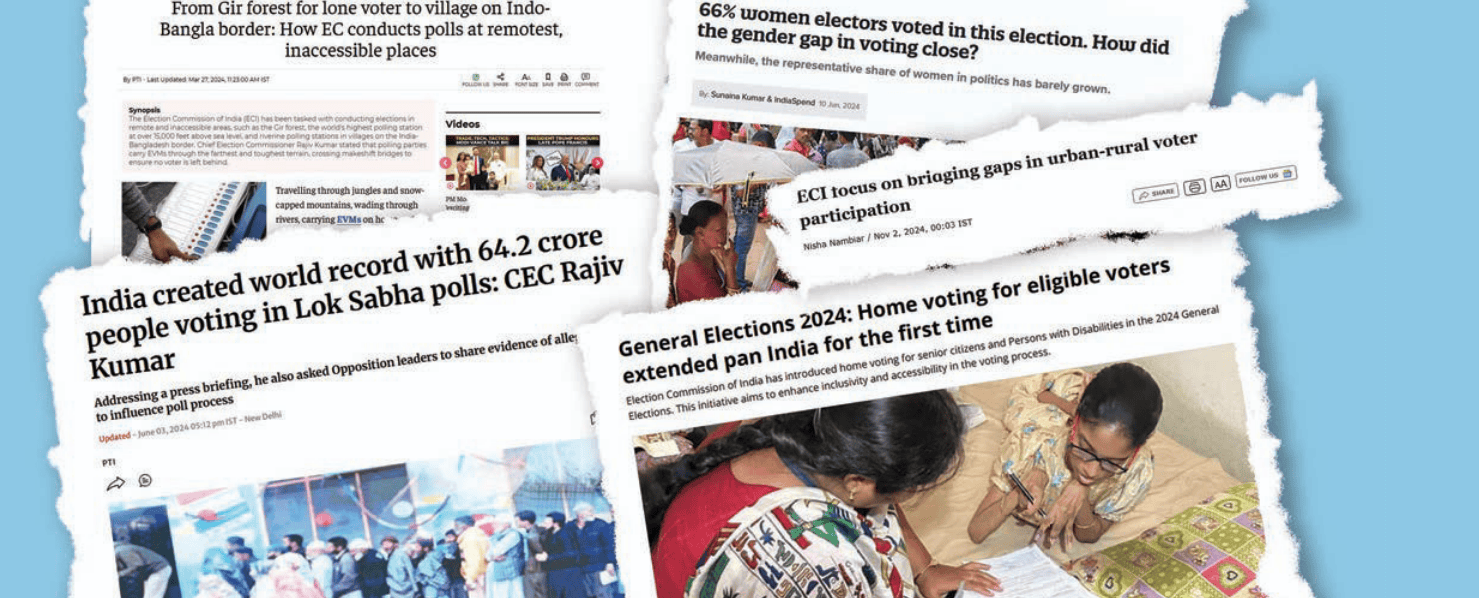
Democracy thrives when every eligible citizen can freely and fairly participate in the electoral process. Voting in elections is a powerful way for people to express their will. How does this take place in India?
India is a large, diverse, and complex country. To illustrate, the population of eligible voters in India is fifteen times the population of the United Kingdom, and in terms of area, India is six times larger than France. Geographic diversity is a challenge, too. Thus, elections in India need to be organised taking this complexity into account.
The Election Commission of India organises elections in India. (We will learn more about ECI later in the chapter.) The ECI has taken several innovative accessibility measures to remove barriers to exercising the franchise and ensure no voter is left behind.
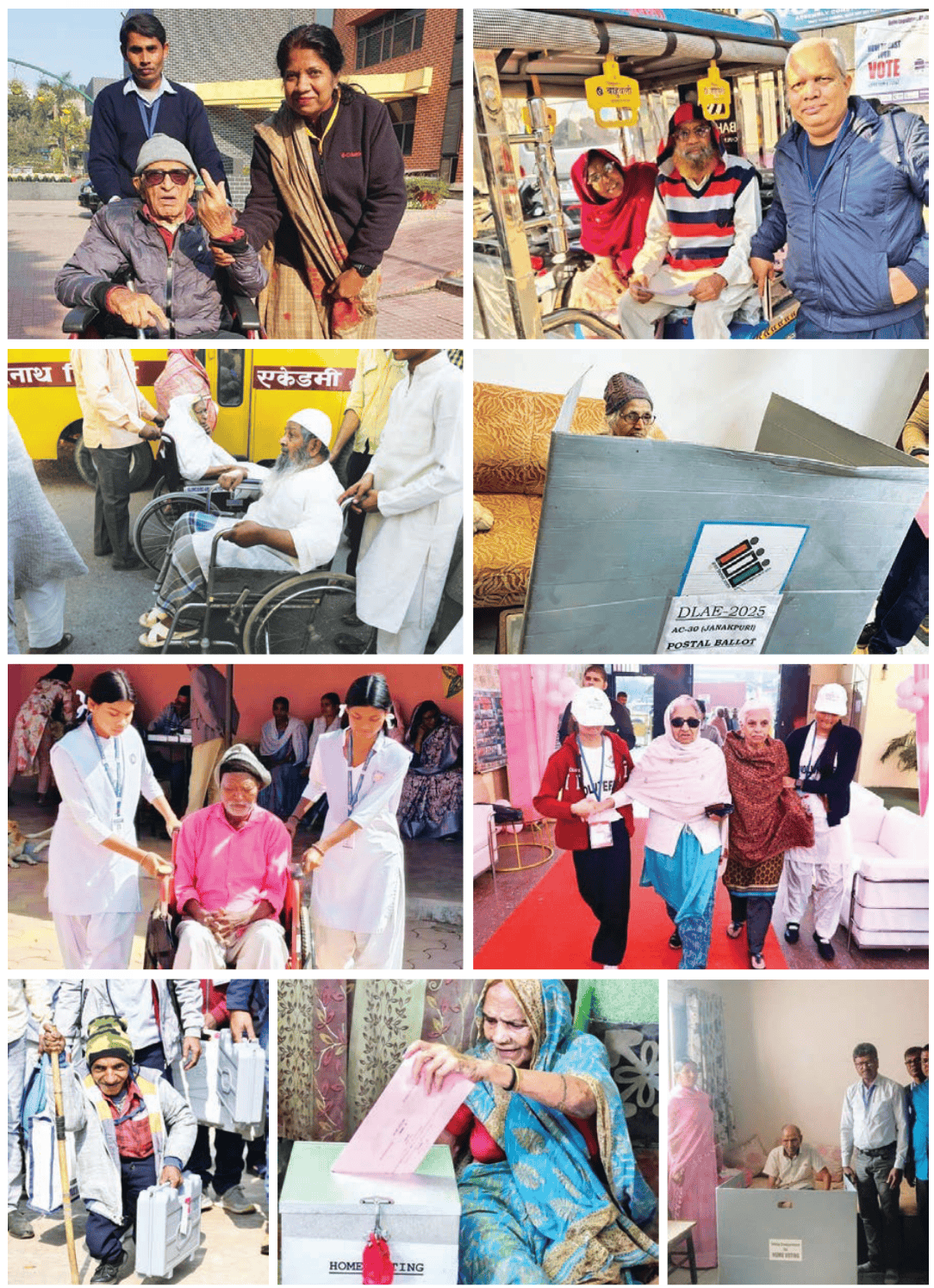
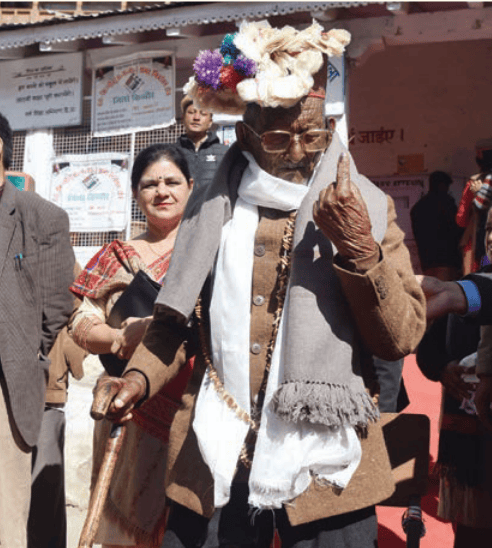
Electoral officials travel to remote locations to ensure every citizen can exercise their democratic right. In 2024, for the first time, the elderly and people with disabilities could cast their votes from home, and the postal voting option was available for a specific category of voters. Assistive technologies like braille- enabled voter cards and app-based requests for assistance, including wheelchairs and ramps, were also made possible.
LET'S EXPLORE
→ Discuss in groups — What role do such measures play in a democracy? Do you know of anyone who benefited from these improved accessibility measures? How might they increase voter participation in your neighbourhood? How can technology assist?
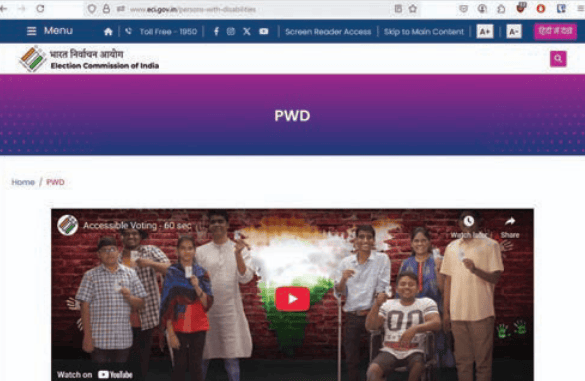
→ If you have access to the internet, visit the ECI website https://www. eci.gov.in/persons-with- disabilities. Read and identify the various interventions that the ECI has taken to facilitate voting by people with disabilities.
LET'S EXPLORE
About 34 per cent of eligible voters did not exercise their right to vote in the 2024 elections. Why do you think this is so? What are some challenges people face in exercising their rights? Design and conduct a short survey among adults in your family and neighbourhood to answer these questions. Analyse the data and write a report with suggestions on how it may be possible to ensure everyone votes.
DON'T MISS OUT
The Uttaramerur inscriptions from the 10th century describe a transparent process for the selection of representatives. Eligible candidates’ names were written on fragments of palm leaves and placed in a pot, which was then sealed. On the selection day, it was opened publicly and a young boy drew the palm leaves randomly one by one; a respected individual, after showing his empty hands to the public, would read out each name of the selected candidates.
Election for class representative — Grade 8, Suryodaya School
It was time for the annual election of the Class Representative (Class Rep). The Class Rep would represent the class in meetings with teachers, organise events, and act as a bridge between the students and school authorities. Three students — Ahmed, Gurmat, and Ravi — decided to contest for the position. The class teacher, Ms. Usha, was appointed as the Election Officer to ensure the election process was fair, transparent, and followed all the necessary rules.
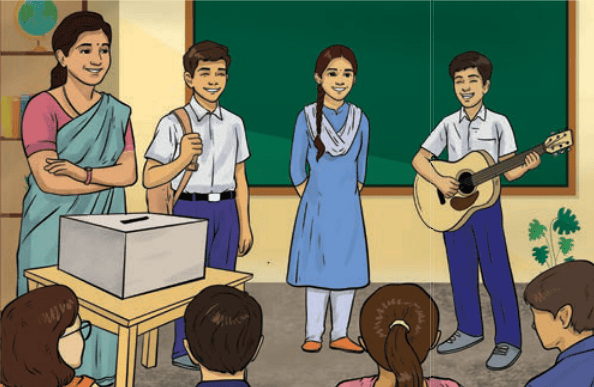
Here’s a brief introduction of each of the candidates:
Ahmed promised to improve the cleanliness of the classrooms and the playground.
Gurmat was interested in helping all her classmates learn better. She proposed creating a system of peer coaching and mutual support.
Ravi wanted to make more space in their class timetable for the arts curriculum — music, theatre, and visual art — in line with the new curriculum.
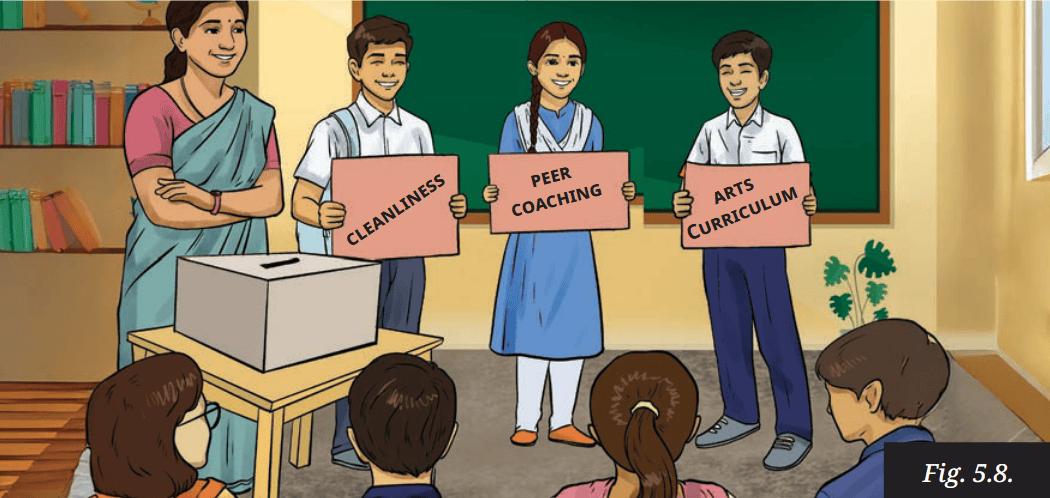
Campaigning:
Ahmed put up posters, Gurmat used the noticeboard and spoke to classmates, while Ravi held a lunchtime music performance to promote his idea. As the Election Officer, Ms. Usha had to organise the elections and ensure it was conducted fairly. She explained the rules to the class, ensuring everyone understood how the secret ballot voting process would work; no one would know who voted for whom, ensuring the process was private and fair. She set up the voting booths in the corner of the classroom.
Voting day:
On election day, each student was given a ballot paper with the names of the three candidates. The students were asked to mark an ‘X’ next to the name of the candidate they wished to vote for. Ms. Usha also ensured that there was a ballot paper in braille for Neha. After all the students voted, Ms. Usha collected the ballots in a box and sealed it until the counting session.
The results:
After all the 33 votes were cast, Ms. Usha called Ms Sheeba from the next class to witness the counting process. One of the ballot papers was not marked, so it was declared invalid. The results were announced: Ahmed received 8 votes, Gurmat 12 and Ravi 10. Gurmat, with the most votes, was declared the new Class Representative. She thanked her classmates and promised to fulfil her commitments. Ahmed and Ravi congratulated her and offered to support her.
LET'S EXPLORE
→ What are the most important aspects of the election process in this caselet?
→ Why was it important to have a secret ballot?
→ What considerations might the students have had while exercising their choice?
→ Do you think the students have any responsibility after Gurmat was elected as the class rep? If yes, what are they?
→ What was the role that Ms. Usha played? Why was it important?
→ Why was it important for Ms. Usha to organise a braille ballot paper for Neha?
→ What would happen if many students in the class chose not to mark a preference?
DON'T MISS OUT
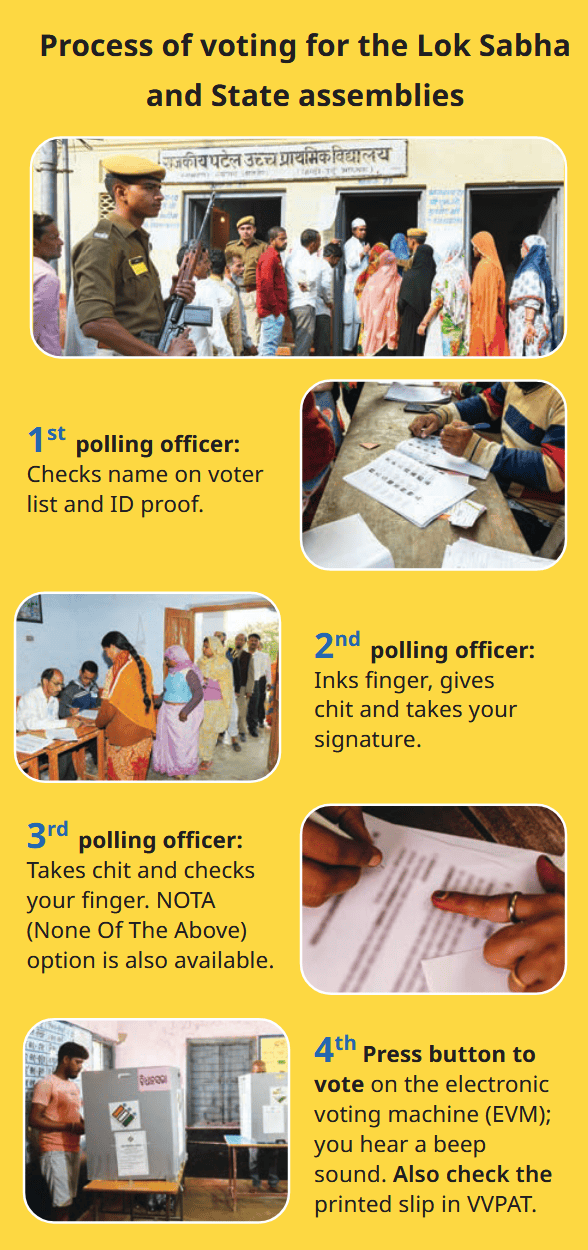
Imagine if a student did not want to vote for any of the candidates — Ahmed, Gurmat, or Ravi. What option would they have? Some countries, including India, offer an additional option, NOTA — None Of The Above. This option allows voters to reject all candidates if they are not satisfied with any of them. It doesn’t change the result but sends a message — voters want better choices. NOTA is a quiet but powerful tool in a democracy.
THE ROLE OF THE ELECTION COMMISSION OF INDIA (ECI)
We have seen the size and diversity that needs to be kept in mind in the organisation of the election process in India. In this section, we will look at the different types of elections that the ECI organises and oversees.
LET'S REMEMBER
India is a parliamentary democracy where, at the national level, citizens choose representatives for the Lok Sabha (the lower house of the Parliament). They focus on issues affecting the entire country. In addition, voters elect representatives from their constituencies to the legislative assemblies in the state and union territories where they are registered. These members focus primarily on regional issues.
These are just two of the elections that the ECI manages; we will see more in the later sections. However, before we get a glimpse of the election process, let us get introduced to the Election Commission of India, the institution that oversees it.
LET'S REMEMBER
In Grade 6, you read about direct elections to gram panchayats and urban local bodies. The State Election Commissions manage these.
Election Commission of India — A brief introduction
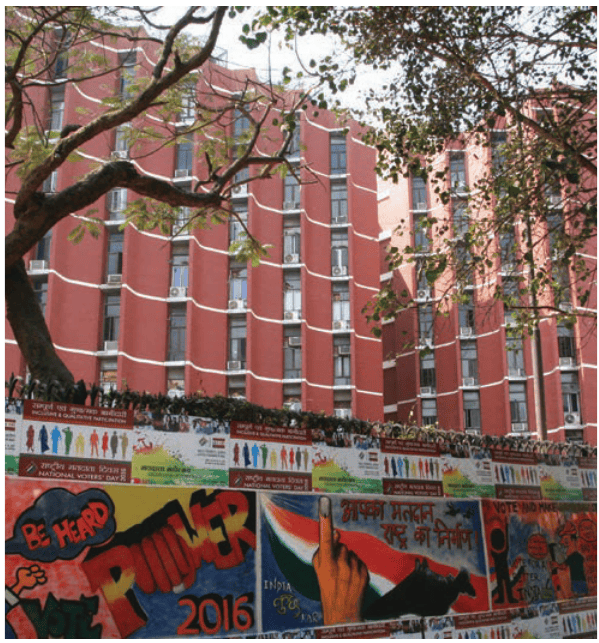
The Election Commission of India (ECI) is an independent constitutional body responsible for conducting free and fair elections. It was established in 1950 and conducts elections to the Lok Sabha, Rajya Sabha, State Legislative Assemblies in India, and the offices of the President and Vice President. The first general elections in independent India were held in 1951- 1952.
The ECI performs crucial tasks like:
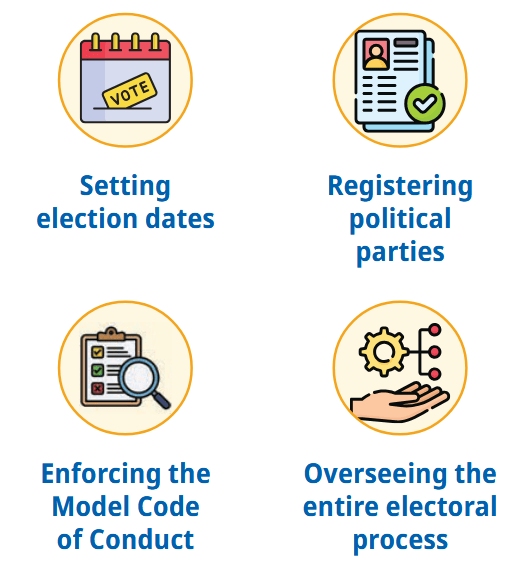
Managing the electoral process
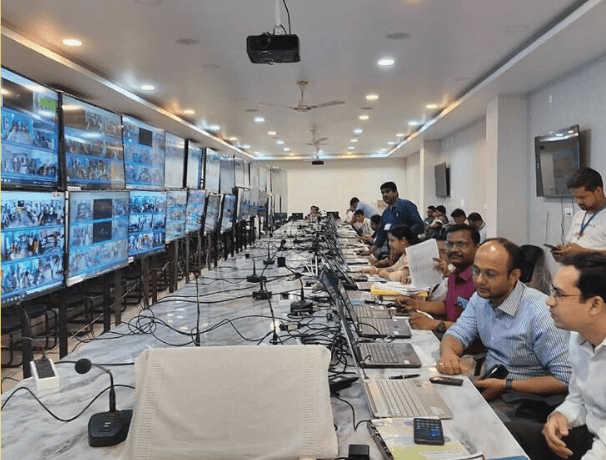
Managing elections in India is a mammoth task. The ECI has been upgrading its capacities to keep pace with the needs of modern India in conducting free and fair elections. The electoral system is massive and needs to work efficiently. We take the example of the Lok Sabha elections to illustrate this. Note that the elections to the state assemblies follow a similar process. All elections take place at different times but with some periodicity; so every year, several polls are conducted in various parts of the country based on when they are due.
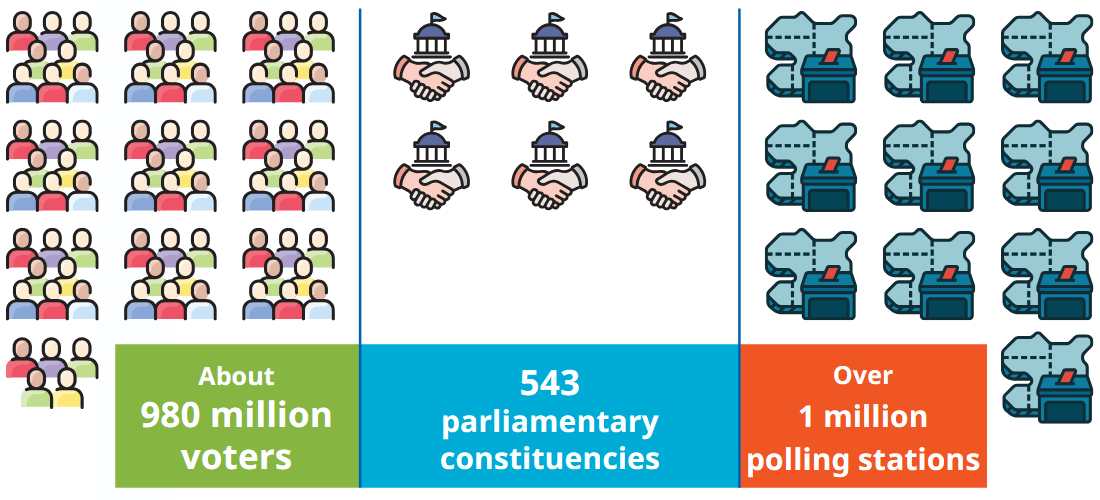
As you can see, the numbers are very large. Many people are deployed to assist the whole process, including teachers.
LET'S EXPLORE
Identify teachers in your school or vicinity who may have performed election duty. Invite them to your class to share their experiences.
DON'T MISS OUT
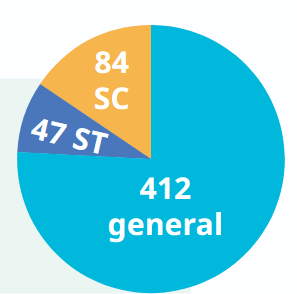
84 of the Lok Sabha constituencies are reserved for persons from the scheduled castes, while 47 are reserved for scheduled tribes.
LET'S EXPLORE
→ India’s electronic voting machines (EVMs) and Voter Verifiable Paper Audit Trail (VVPAT) systems have been used in countries like Namibia and Bhutan with support from the ECI. Other countries have also studied this technology and have received training from India to adopt it in their countries.
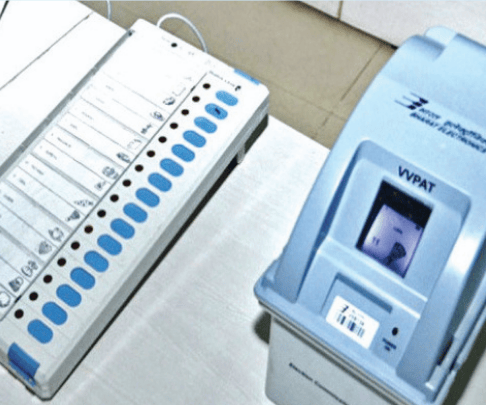
→ VVPAT is a system that produces a physical paper record, allowing voters to verify that their electronic votes were cast correctly. This paper trail provides a backup for verification and recounting purposes in case of disputes or failures of the electronic system.
Model Code of Conduct (MCC)
The code is followed to ensure free and fair elections, listing the dos and don’ts for leaders, political parties, and candidates that must be adhered to.
A few elements of the code:
i. There are rules that the party in government must follow; this ensures that the resources available to the government are not used for the purpose of the elections. For example, no new schemes and projects are to be announced that may influence voters.
ii. All candidates are expected to exercise discretion and restraint to ensure that the elections take place peacefully.
iii. Influencing voters through gifts in return for votes is punishable.
LET'S EXPLORE
→ Here are a few types of complaints that the ECI handles.
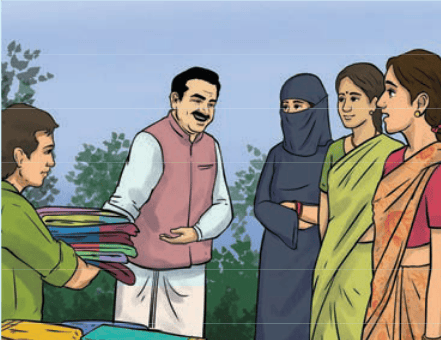
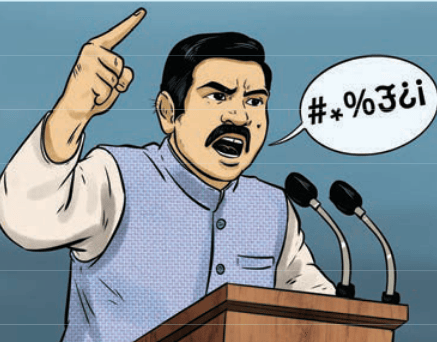
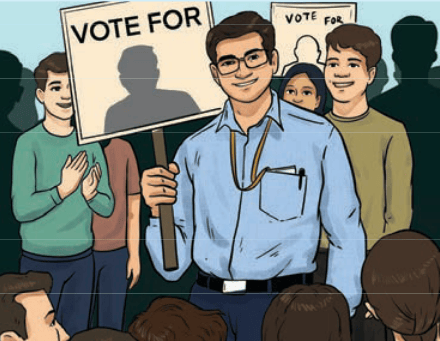
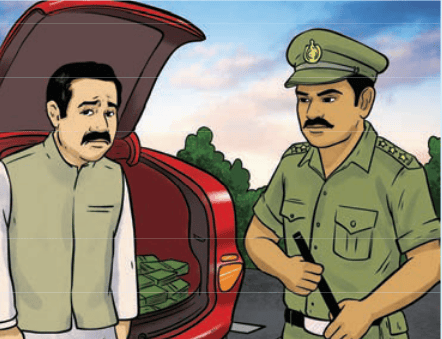
→ Why do you think these might be violations of the code of conduct?
DON'T MISS OUT
The Model Code of Conduct was adopted in Kerala in 1960, voluntarily approved by representatives of the major political parties of the time. The ECI circulated it to political parties during the 1962 general elections, and from 1991, the ECI became proactive in ensuring the observance of the MCC.
DON'T MISS OUT
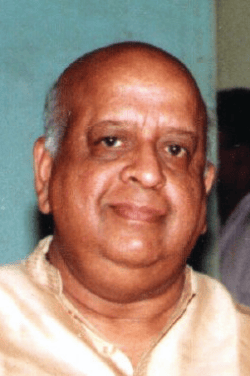
T.N. Seshan became the Chief Election Commissioner in 1990. He brought in reforms to ensure free and fair elections, among them: campaigning to follow precise rules, voter IDs to eliminate proxy voting, and strict vigilance on spending by candidates. T.N. Seshan worked hard to protect the rights of voters and is often remembered as the officer who made Indian elections fairer, transparent and fearless!
LET'S EXPLORE
When is the next election in the region where you are located? Is it to the state, urban local body or panchayat?
UNDERSTANDING ELECTIONS IN INDIA - A VERY BRIEF OVERVIEW
Election to the Lok Sabha and State Legislative Assemblies
Elections in India are often referred to as the ‘Festival of Democracy’ — a time when citizens exercise their right to choose representatives freely, fairly, and responsibly.
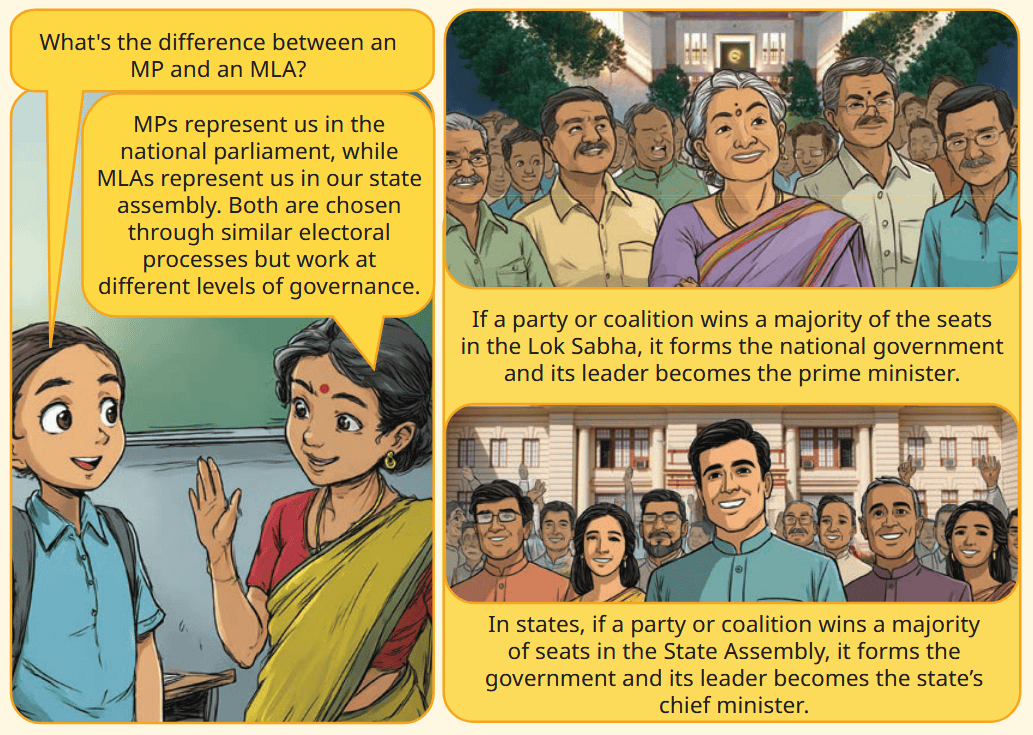
We know that India follows a parliamentary system of government where citizens participate in various levels of elections — Lok Sabha (national level), state legislative assemblies (state level) and local bodies (city and village level). The country is divided into 543 constituencies for the Lok Sabha elections. The elected candidates to the Lok Sabha are known as Members of Parliament (MPs), whereas candidates elected to state assemblies are known as Members of Legislative Assembly (MLAs). India uses the ‘First-Past-the-Post’ electoral system, wherein the candidate receiving the most votes in a constituency wins. This means that a candidate can win without securing even 50 per cent of the total votes (like Gurmat won despite getting only 12 out of the 33 votes).
DON'T MISS OUT
The legislative assembly is called by several names in regional languages, for example, Vidhan Sabha and Niyama Sabha. What is it called in your state?
After the voting process is completed, the process of government formation begins. The political party or coalition winning a majority of the seats in the Lok Sabha forms the national government. The leader of this majority typically becomes the prime minister. Similarly, at the state level, the leader of the majority party becomes the chief minister.
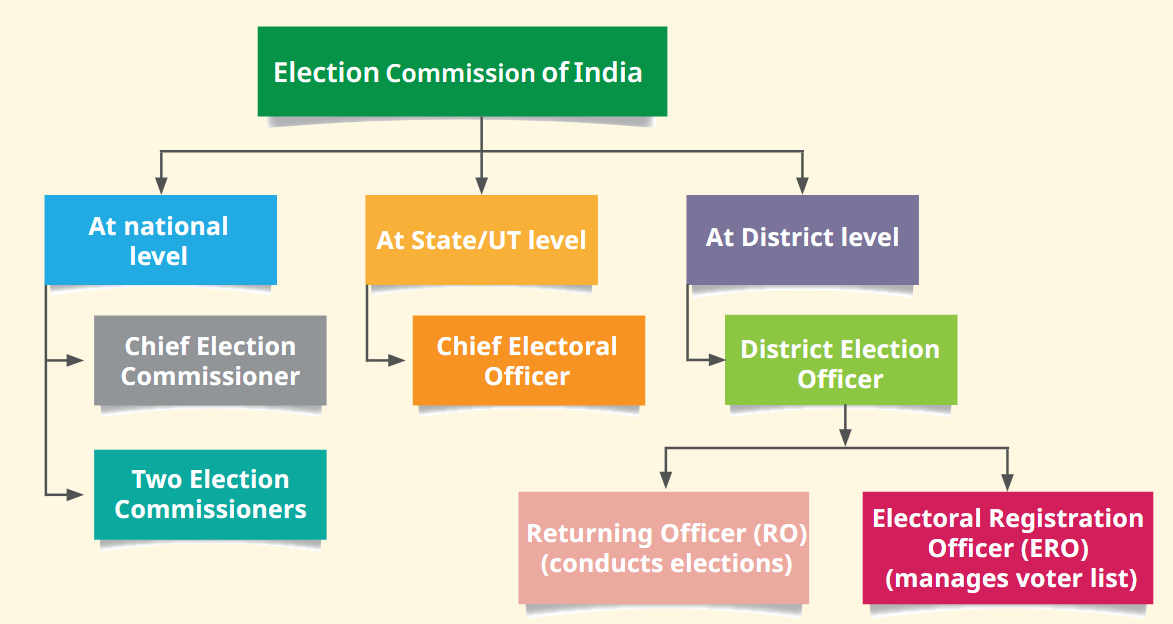
As we saw in Fig. 5.11, the State Election Commission is a part of the election apparatus. It plays an important role not only in general and state elections but also in conducting elections to local bodies at the grassroots level. It works in consultation with the ECI in these matters, and universal adult franchise, and all other Constitutional provisions applicable in the case of direct elections by the people are pertinent here too.
LET'S EXPLORE
→ Who are the MP and MLA / MLAs of the constituency you are located in? (A Lok Sabha constituency may have two or more assembly constituencies.)
→ Which party does each of them belong to?
→ What are the concerns of the MP and MLA, respectively?
Election to the Rajya Sabha
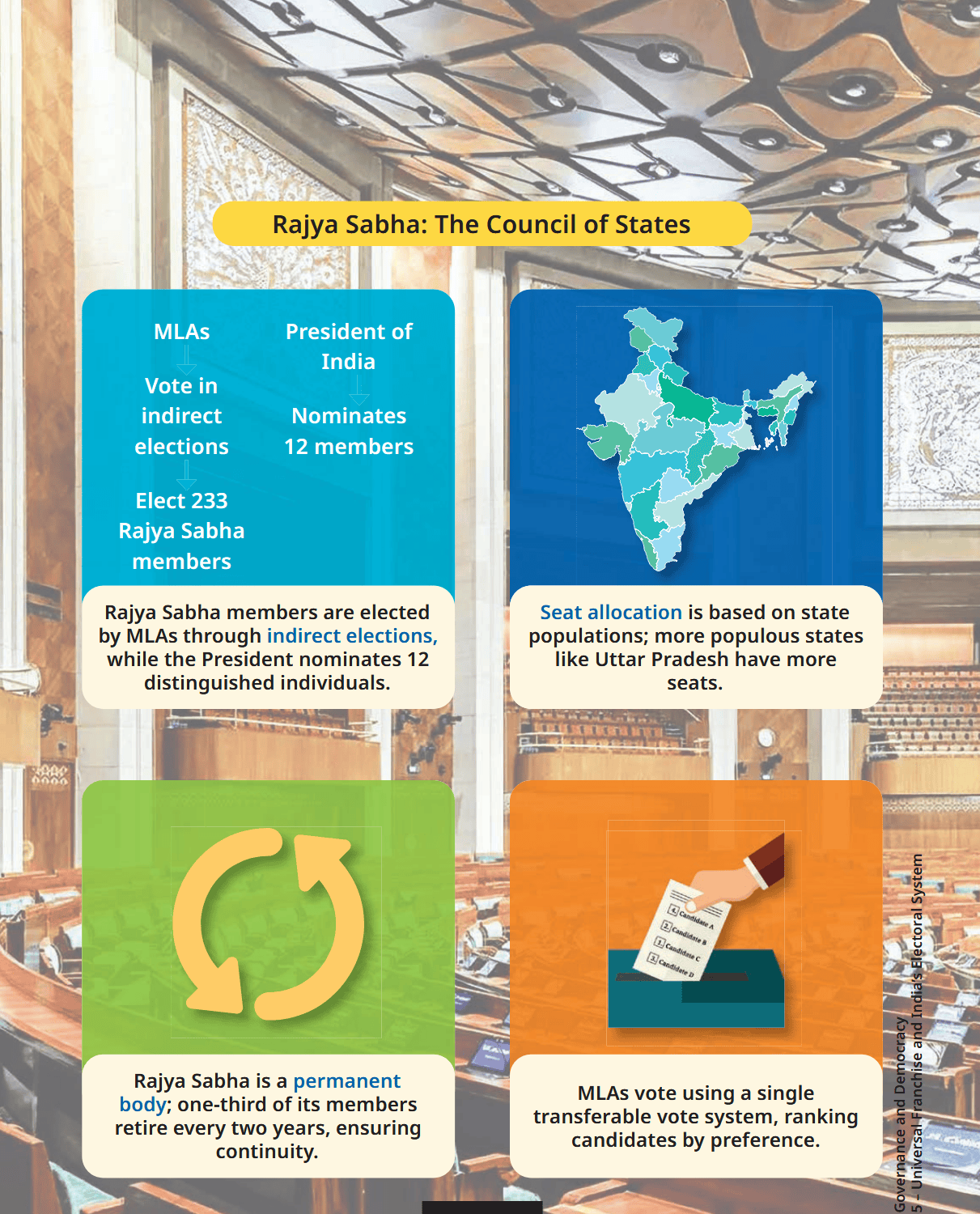
The candidates elected to the Rajya Sabha are also known as Members of Parliament (MPs), but they are chosen through indirect elections.
Let us revisit the example of Suryodaya School. Imagine that the school is setting up a special council at the school level. If the members of this council are elected by the class representatives, it would be an indirect election.
Of the 245 members of the Rajya Sabha, 233 are elected by the elected members of the state legislative assemblies (MLAs), while the President of India nominates 12. Each state is allotted a different number of Rajya Sabha seats based on population. For example, more populous states like Uttar Pradesh have more seats than less populous states like Arunachal Pradesh.
The Rajya Sabha is also called the Permanent House — it is never dissolved. A member of the Rajya Sabha has a six-year term. One- third of its members retire every two years, and new members are elected.
There is a difference, however, in the voting process. It uses what is called a ‘single transferable vote system’. This is a special way of ensuring that smaller states also get fair representation in the Rajya Sabha. You will learn more about the exact mechanism of how this works in higher classes.
Election to the President of India
The President of India is not directly elected by the common people. Instead, an electoral college is formed to carry out the election. This Electoral College consists of:
- Members of Parliament (MPs) from both the houses of the Parliament — Lok Sabha (Lower House) and the Rajya Sabha (Upper House)
- Members of the Legislative Assemblies (MLAs) from each of India’s states and the union territories of Delhi and Puducherry
The single transferable vote system is followed in this election. Since the president represents the whole country, this method ensures the support of both the central and state governments. The rules for voting and counting are very elaborate; the more populous states have a greater say. (We need not go into the details at this stage.)
The following group of people is not involved in electing the President of India:
- Nominated members of Rajya Sabha (12)
- Nominated members of State Legislative Assemblies
- Members of Legislative Councils (both elected and nominated) in bicameral legislatures
- Nominated members of union territories of Delhi and Puducherry
THINK ABOUT IT
Why do you think the above group of people is not involved in electing the President of India? Why are the common people not involved in the election of the president?
It is because this ensures that only directly elected representatives vote to elect the President. This maintains democratic legitimacy, as the President is meant to represent the will of the people, indirectly but meaningfully.
Election to the Vice President of India
The Vice President of India is elected by an electoral college consisting of the elected and nominated members of both Houses of Parliament; again, the system of single transferable vote is used.
The vice president is the chairperson of the Rajya Sabha. If there are situations when the president is not able to discharge their function, the vice president steps in to play the role.
CHALLENGES AND THE ROAD AHEAD
Devastating famines
India’s electoral system is celebrated as the world’s largest democratic exercise. However, like all systems, it faces its share of challenges. Issues such as the growing influence of money in elections, a significant proportion of candidates with criminal records, and voter apathy, (particularly in urban areas), raise important questions about the health and future of our democracy.
The way forward lies in empowering voters with the information they need to make thoughtful and responsible choices. Media, education, and awareness campaigns must work together to help people, especially the youth, understand the importance of voting wisely. An aware and vigilant voter is the strongest safeguard of a democratic system. It starts with asking the right questions — and ends with casting a responsible vote.
Before we move on …
→ Universal adult franchise is the cornerstone of Indian democracy.
→ The right to vote is a responsibility, too. It needs to be taken seriously by every voter. Voter awareness is an important aspect of the right to vote.
→ It is important to facilitate the participation of all eligible voters.
→ The Election Commission of India is the Constitutional body that conducts elections in the country.
→ The ECI oversees all the elections in the country, including those of the president and vice president.
→ Indian democracy faces challenges that call for the voters’ vigilance and awareness.
Questions and activities
1. Why is universal adult franchise important for a healthy democracy?
2. What is the meaning of ‘secret ballot’? Why is this important in a democracy?
3. Give examples of direct and indirect elections.
4. How is the election of members to the Lok Sabha different from that to the Rajya Sabha?
5. What, in your view, are the advantages of the EVM over paper ballots?
6. Voter turnout has been declining in some urban areas of India. What could be the reasons for this trend, and what steps can be taken to encourage more people to vote?
7. Why do you think a proportion of seats in the Lok Sabha is reserved for scheduled castes and scheduled tribes? Write a short note.
8. Social media is changing the way we experience elections — from catchy campaign reels and live speeches to political debates on Instagram and Twitter. But is this strengthening democracy or confusing it? Discuss in pairs: What are the benefits, what are the challenges, and what might the future of elections be in a digital age?
9. Visit the website https://www.indiavotes.com, and choose a parliamentary constituency election from any year and explore its results. Do the same for an assembly election in your state.