2
One Stage, Many Scripts


The most fundamental aspect of any performance is the script. It is important to write down your ideas and thoughts on paper to develop them further. In fact, that is why this textbook You will learn Types of scripts Genres in various forms is written. It will not be enough for a teacher or a mentor to just talk about a concept and assume that you have understood and will remember it. Writing helps in multiple ways such as —
- Bringing clarity
- Building on idea with more creativity
- Sharing with others for collaborative work
- Helping you remember and refer back when required
- Acting as record for future generations
Writing takes many forms. You might be familiar with short stories, essays, poems, letters or emails, articles, or blogs. Not just that but every movie, TV show, web series, news telecast or documentary you watch also has a detailed scripts written for it. Writing, in it’s various forms, is the invisible thread that ties all communication together.
- Types of scripts
- Genres in various forms
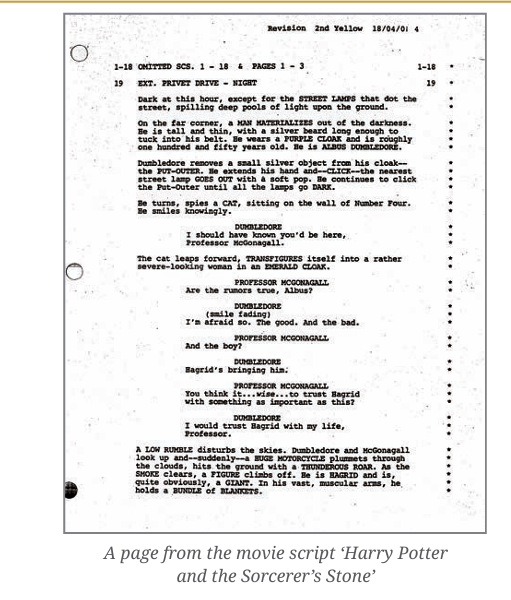
SCRIPTS FOR STAGE
Play scripts are written works intended for the performance on stage, in film, or on television. Depending on the kind of performance they are designed for they vary in structure, style and purpose. Some of the most common types of play scripts are listed below. Each type of play script serves a different artistic purpose, reflecting human experiences in unique ways. Understanding these types allows us to appreciate the diversity of theatrical storytelling.
Play scripts in ancient India
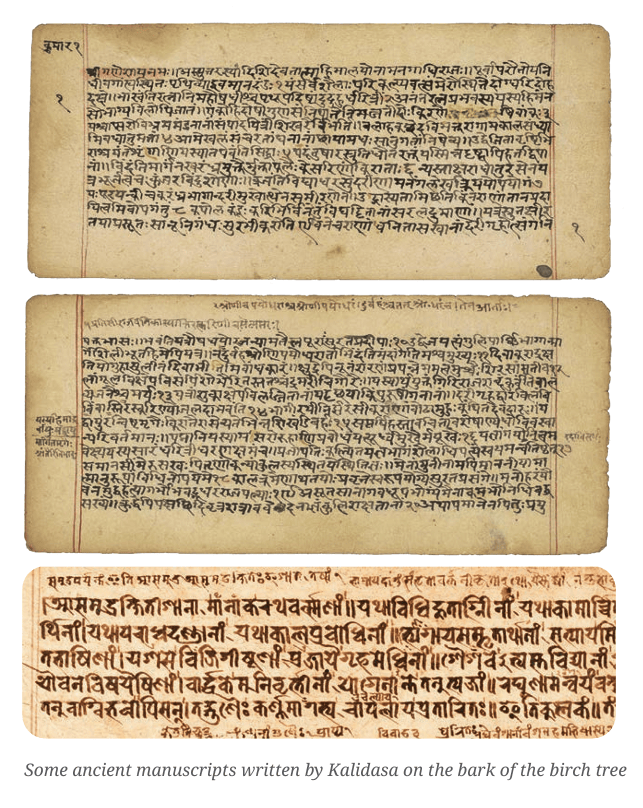
Ancient Indian thinkers use the term rupa or rupaka for drama. The ancient Indian writers mostly use a term drushya kavya (visible poetry). The writings usually combined the dialogue and poetry. So, all the Sanskrit play writers were also poets. The Nāṭyaśhāstra describes the different types of writing drama! Let us compare it with the current types of scripts —
TYPES OF SCRIPTS
| DAŚHA RŪPAKA (NĀṬYAŚHĀSTRA | Classification in scripts |
|---|---|
| Nataka has 5 to 10 acts based on the stories on kings or divine beings with love, heroism or pathos. | One-act plays are short dramatic works, typically lasting 10 – 30 minutes, that focus on a single, dominant and dramatic situation or conflict within a single act. |
| Prakarana has upto 10 acts. It is an entirely invented plot, based on the society | Two-act plays are stories with a climactic midpoint where the stakes rise or the protagonistʼs goal changes. |
| Bhana is a one-act play with an invented plot based on the rogues and heroism. | Three-act structure is a common plot structure used in films and television, divided into setup, confrontation, and resolution. |
| Prahasana is a one-act play based on the humour and happy contexts. It is comical in nature. | Linear, cyclical and non-linear are different ways to structure the plot, including flashbacks and non-chronological storytelling. |
| Dima has four acts based on a popular story, including Devas and Asuras | Adapted script is based on pre-existing materials like novels, books, poetry, short stories or historical events |
| Vyayoga is a one-act play based on the traditional heroic stories that are non-comical. |
 |
| Samavakara has 3 – 4 acts based on the traditional stories of Devas and Asuras. | |
| Anka (Utsrishtanka) is a one-act play that is composed primarily based on the karuna rasa. | |
| Ihamrga is a four-act play that mixes popular stories and fiction based on pauranik stories. | |
| Veethi is a one-act play with just 2 – 3 characters that can be performed at any location |
While the writers wrote and experimented in different forms of writing over the centuries, let us do a simple experiment in class!
Note: This can be done either in groups or individually. We will try four types of scripts. Each group (or individual) picks one type of script from the list below —
- Dialogue script —Characters speak directly
- Narrative script —Narrator tells the story
- Mime script — Only actions and stage directions
- Musical script — Includes lyrics or rhythmic speech
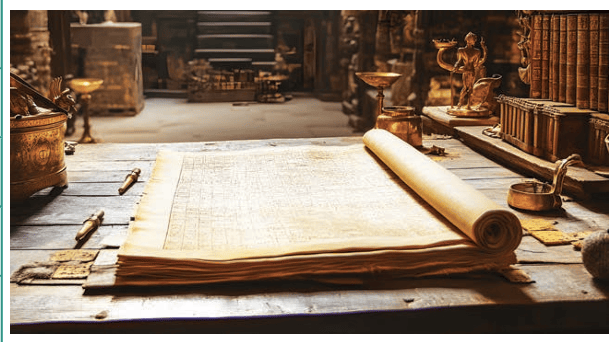
The common topic for everyone is — two friends walking in a forest, where they find a box that has the birch bark and other writing material that Kalidasa used
Write one page in a style of your choice and compare the scripts. Discuss —
- Did the style affect the content?
- How does the experience of the audience vary?
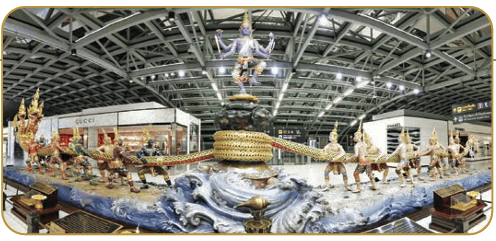
According to the Nāṭyaśhāstra, the first written script was a Samavakara (the 7th in the above list) by Brahma. It was based on the Amrita Manthana. As the process of creation of the performing arts, (Natyotpatti, learnt in Grade 6) had a discussion, and debate between the Devas and the Asuras, Brahma thought it was appropriate for the first performance to be about them. The Amrita Manthana (churning of the ocean) by the Devas and Asuras, is a significant event that has been depicted in different parts of the world. The picture above is an iconic representation of the Suvarnabhumi Airport in Bankok, Thailand.

Note to the Teacher:
Though the above activity requires only one page, encourage the students to extend their writing and build the story creatively. They can also try multiple styles to explore the possibilities.This activity can also be extended to writing assignments of other subjects, such as Language or Social Science. Instead of writing an essay, the students can write it in the form of a story or a script

GENRES
You must have heard the term ʻgenresʼ when you read reviews or see the posters of movies or plays. This term is also used for novels, short stories and other f ictional work. What does it actually mean?
Based on the features in the writing, both in its style and content, it is categorised into a particular genre. The popular ones are —
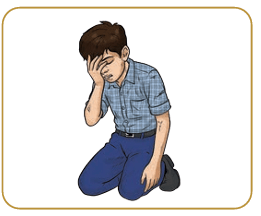
Tragedy: Focus on serious themes, often involving a f lawed protagonist, who had experience downfall due to fate, personal mistakes, or societal forces.
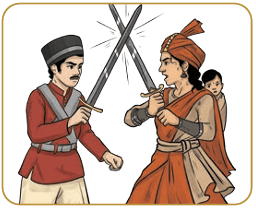
Historical Drama: These plays are based on historical events and f igures, with dramatising real-life occurrences.
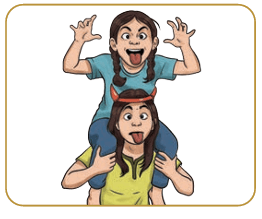
Comedy: Designed to entertain and amuse. It has humorous dialogues, misunderstandings, exaggeration and happy ending.
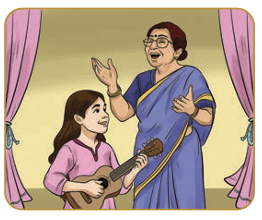
Musical: Incorporates songs, and dialogue with rhyme and rhythm along with dance to tell a story.
Melodrama: Emphasise on the exaggerated emotions, moral conflicts, and a clear distinction between heroes and villains.
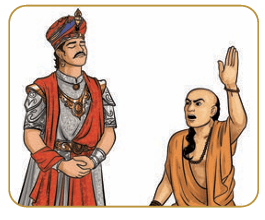
Mystery: It is centred around solving a puzzle, usually a crime. The answer is not revealed till the end

Experimental: Break conventional storytelling norms by using unconventional structures, abstract themes, and surreal elements.
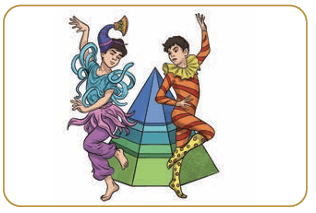
Fantasy: Incorporates magical elements in imaginary worlds, characters and situations.

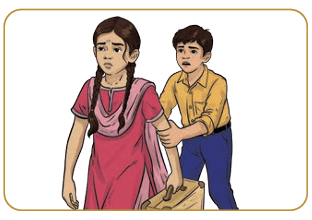
Docudrama: Presents a dramatised re-enactments of real events and facts.
These are only a few of examples of genre. There are books and records that have documented more than 300 genres! The ones mentioned above are broad-based and can include most works of literature. However, there are also writings in which the features of two genres are combined. In such cases, though the predominant theme is considered, it is listed under both categories. For example, tragicomedy is a blend of tragedy and comedy, the play mixes the serious themes with moments of humour and relief.
Have you wondered — why is the concept of genre is necessary? Why should we categorise them into different boxes? Can it not just be a free and creative way of expressing an idea?
- Genre is necessary because it provides a framework for understanding and interpreting texts. A piece of writing can be written in different ways depending on the context. The reader or the audience may not know the state of mind or the intent of the writer. This might lead to mis-interpretations and complications in understanding the text. Stating the genre helps avoid this problem.
- It facilitates better organisation of works. For example, if you go to a public library or a book store, you will see books classified based on the categories of genre. It makes it easy to access as you won’t have to look among thousands of books everytime!
The writer of plays is called a playwright.
Our country has seen hundreds of brilliant playwrights over the years. From the Sanskrit playwrights like Bhasa and Kalidasa to the present day, there are numerous plays written on all genres. Here are two such examples from the 19th century —
Bharatendu Harishchandra — Born in Varanasi in 1850, he is known as the father of modern Hindi literature. He used the pen name ‘Rasa’. His most popular play ‘Andher Nagri’ is performed in all languages till today
T. P. Kailasam — Born in Karnataka in 1884, he wrote numerous plays in a unique style that combined Kannada and English. His plays are translated and performed across the country till today. He was known for his satire and sarcastic comedy, earning him the title ‘Prahasana Prapitamaha’
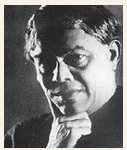
Music and dance have genres like —

- Classical
- Folk
- Contemporary
- Semi-classical … and many more.

Visual arts has categories like —
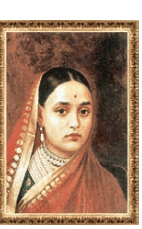
- Portrait
- Landscape
- Still life … and many more.
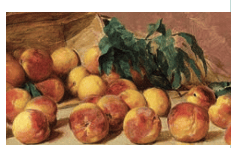
How many have you learnt so far?
| Title: The Curious Case of the Vanishing Vada Pav Detective Riya sniffed the empty lunchbox. “Someone here”, she squinted at her classmates, “has onion breath and a guilty conscience”.“I ... I was just checking if it was fresh!” Kushal stammered. Just then, the principal walked in munching. “Delicious snack”, she commented. Case closed. Kushal fainted | Title: Lunchbox Rhapsody
The bell had rung, the bags unzipped,
With spoons in hand, the rhythm gripped.
Smita sang of soft idlis,
Rohan drummed with expert ease.
Tiffins twirled in a tasty trance,
Aruna broke into a chutney dance.
The teacher came and tapped a beat —
Now lunch and music made the treat |
| GENRE | GENRE |
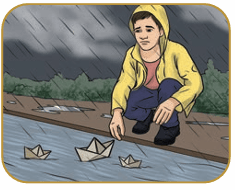
Title: The Last Paper Boat
Anil folded his last paper boat and
placed it in the rainwater stream.
It wobbled, and then drifted away.
His sister had made hundreds
before falling ill.
He whispered, “This one’s for
you”. The wind howled like her laughter.
As the boat disappeared, so did his childhood
|
Title: The Time-Travelling Tabla In ancient Mohenjodaro, little Tara found a glowing tabla in the ruins. When she played it, a magical portal opened. Suddenly, Kalidasa appeared, reciting a verse in rhythm! “Back to your time!” he warned. Tara stopped playing — and poof! Back in class, she blinked. Her tabla whispered, “Next stop — Maratha Empire?”. |
| GENRE: | GENRE |
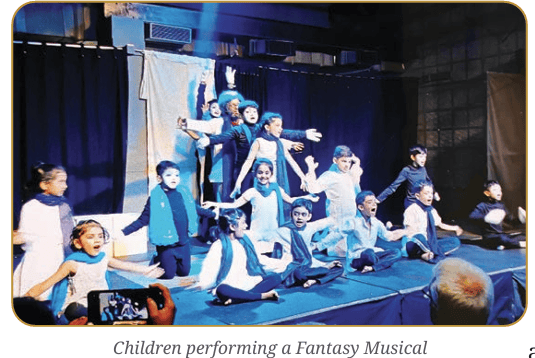
Now that you have peeked into the magical wardrobe of genres — from mysterious boxes to musical ghungroos, it is time for you to start writing. Pick your favourite genre or combine a couple of them. Go ahead and try them all! Who knows? Today, you may be writing a tearjerking tragedy, and tomorrow, a comedy that makes even your dog laugh! You may even create a new genre! The options are limitless.
Do not miss the basics of a story and script that you learnt in Grades 6 and 7.
Plan your ‘Beginning — Middle — End’ and find an interesting conflict.
This is a must for whatever genre or type of script you write.
So grab your pen and paper — your next superhit story awaits. Get your parents and teachers to sit back, and enjoy your show!
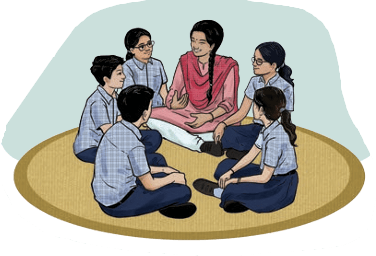
CIRCLE TIME
- Which is your favourite genre and why?
- Do you prefer lengthy writing like a novel or a play with 5 acts, or short stories and plays?
- Read a scene of a script
from ancient times and a
scene from a contemporary
play. Discuss and note down
the differences in style and
thought. Which one do you
like more?
ASSESSMENT
CHAPTER 1: BRINGING WORDS ALIVE—PLAY READING
- C-2.1 Creates and performs drama based on situations or stories that challenge stereotypes observed in their surroundings
- C-2.2 Connects elements of drama, themes and symbols with personal experiences, emotions, and imaginations
| CG. | C. | Learning Outcomes | Teacher | Self |
|---|---|---|---|---|
| 2 | 2.1 | Shares thoughts on genres and stereotypes associated with them | ||
| 2 | 2.2 | Relates different genres to the stories read or movies watched | ||
| 2 | 2.2 | Tries to create simple imaginary stories in each genre | ||
| 2 | 2.2 | Can bring in stories from personal experience to interpret in genres | ||
| 2 | 2.2 | Reads plays to identify different types of scripts | ||
| Overall participation in class |