6
Musical Instruments


THE SCIENCE OF SOUND
Vibration
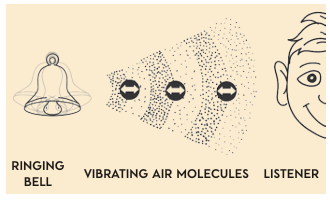
Sound is produced because of vibrations. When an object vibrates, it creates sound waves, that travel through a medium (air, water, etc.) to reach our ears.
Resonance
Through resonance, sound is amplified or made louder. sound of a bat Timbre High Frequency sound of an elephant low Frequency Timbre refers to the ‘tone’ or ‘colour’ of the sound. Timbre varies with the material used for the instrument, construction of the instrument and its playing technique. Do you think that music is both an art and science? Discuss in class. For example, in a percussion instrument, the hollow body or cavity resonates, amplifying the sound.
Frequency
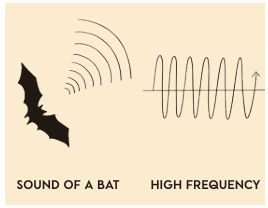
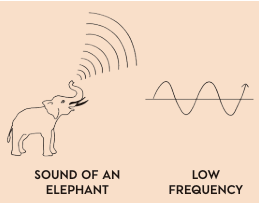
Frequency is the number of vibrations per second. A faster vibration produces higher frequency, resulting in a higher pitch of sound. For example, tightening the tuning peg of a Sitar increases its tension and vibrating frequency, resulting in a higher pitch.
Timbre
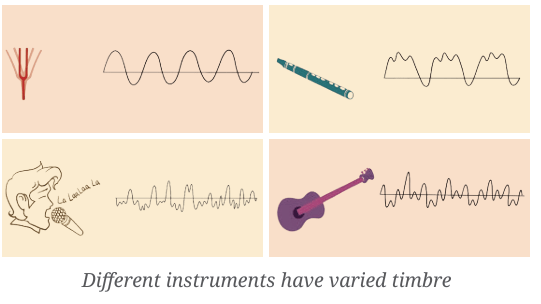
Timbre refers to the ‘tone’ or ‘colour’ of the sound. Timbre varies with the material used for the instrument, construction of the instrument and its playing technique.
Do you think that music is both an art and science? Discuss in class.
MAKING MUSICAL INSTRUMENTS
The makers of musical instruments are essential for the survival of traditional art forms. Scientific principles are used in the making of musical instruments.
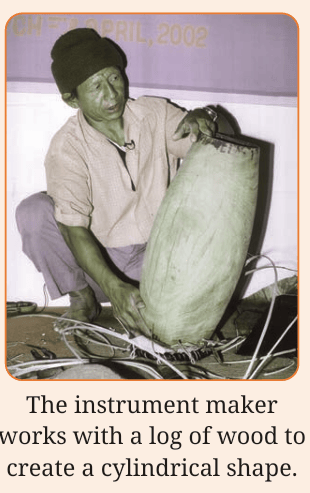
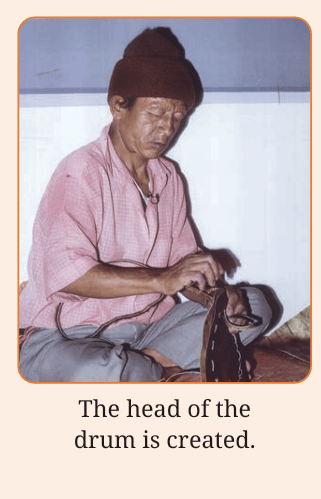
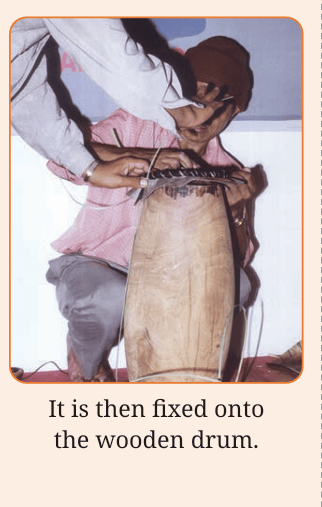
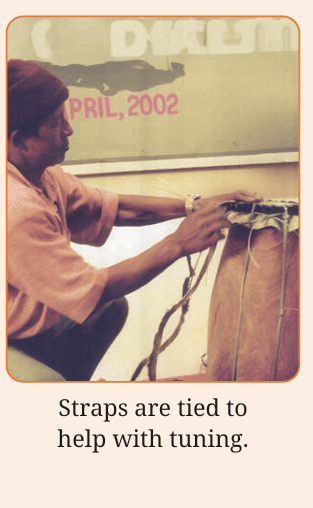
Note to the Teacher:
Find an instrument maker in your community or local area. Invite them to the school for a live demonstration of the process of making and maintaining musical instruments. This will give the students a f irst-hand idea of the importance of these craftspersons in our society.

MUSICIANS AND THEIR INSTRUMENTS
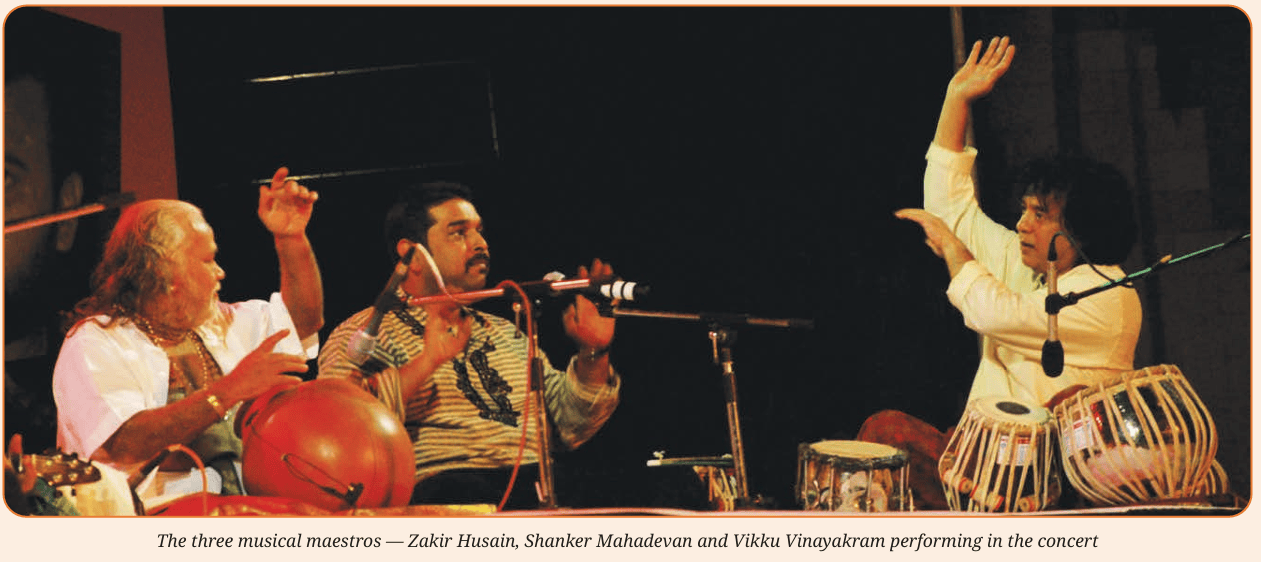
Musicians often become synonymous with their instruments. Here are some great musicians and their instruments for you to learn about. If you can, learn about other great musicians from our country!
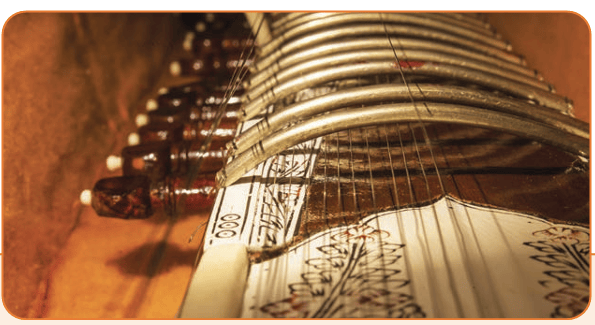
Annapurna Devi — Surbahar
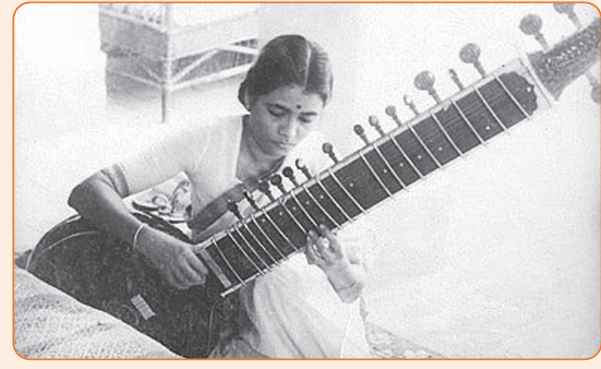
Annapurna Devi (1927 – 2018), born Roshanara Khan, was one of the most influential figures in Indian classical music. She was the daughter of the legendary Baba Allauddin Khan of the Maihar Gharana and played the surbahar, a bass sitar known for its deep, resonant tones. The surbahar was an uncommon instrument for women as it is considered physically demanding, but she mastered it and her father considered her his finest student. Although she did not perform publicly, Annapurna Devi was known for her commitment to tradition and her mastery over ragas. Her students, including flautist Hariprasad Chaurasia and sitarist Nikhil Banerjee, became some of the most acclaimed musicians of their generation.
About the Surbahar:
The surbahar is a plucked string instrument, often called the ‘bass sitar’, used in Hindustani classical music. It has a deeper and lower tonal range than the sitar, making it suitable for elaborate alaap sections.
Pannalal ghosh — flute
Pannalal Ghosh lived from 1911 to 1960 and his name was synonymous to Indian f lute (bansuri). He was a bansuri player and also a composer. He was a disciple of Baba Allauddin Khan, and is credited with popularising the flute as a concert instrument in Hindustani classical music. As a child he had picked up a small flute that cowherders usually played and on the basis of the education he was receiving on the sitar from his father, he would try to play musical patterns on the flute. At the age of 18, he started focusing his attention on the flute. Ghosh realised that a bigger flute’s pitch and sonority would be more appropriate for both classical and light music. Ghosh experimented with various materials including metal and different types of wood, and decided on using bamboo. He finally settled on a flute which was 32 inches long.
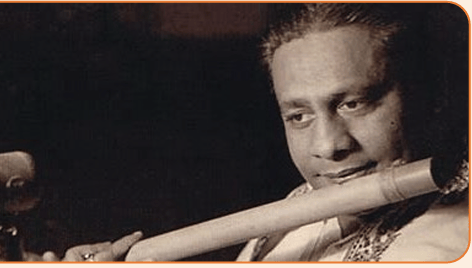
He assisted in music production while he was in Calcutta working with New Theatres Ltd. In 1940 he came to Bombay, to further expand his music career. Sneh Bandhan (1940) was his debut film as an independent music composer. The popular songs from the film were “Aabroo Ke Kamaanon Mein” and “Sneh Bandhan Mein Bandhe Hue” sung by Khan Mastan and Bibbo. Pannalal Ghosh jointly scored the background for “Aandhiyan” in 1952 along with Ustad Ali Akbar Khan and Pandit Ravi Shankar. He was the f irst to introduce the seven-hole flute.
Mysore Doraiswamy Iyengar — Veena
Doraiswamy Iyengar was born into a family of renowned Carnatic musicians in 1920. His father Venkatesh Iyengar served as a Court musician at the Royal court of Mysore, who was efficient equally in f lute and Veena. Iyengar started learning the Veena from his father at an early age of 6 years and later went to become the disciple of Veena Venkatagiriyappa. Later, he developed a distinctive style of playing the Veena often referred to as the Mysore Bani. He spent his early years in the village Gaddavalli in Hassan district, Karnataka.
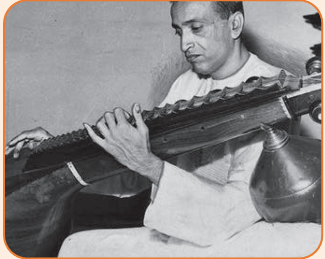
He was nominated for Asthana Vidvan (Royal musician of the court) of the Mysore court, one to receive this honour very young age. Apart from giving performances, he was engaged in imparting musical knowledge to the members of the royal family.
He was appointed as the Music Director at the All India Radio in Bangalore. He was credited with several awards and titles. The University of Mysore conferred upon him an Honorary Doctorate in 1975, the Prestigious civilian award the Padma Bhushan by the President of India in 1983, the Sangeetha Kalanidhi of the Madras Music Academy in 1984, the Sangeetha Kalasikhamani of the Indian Fine Arts Society Chennai in 1994, the Sangeetha Kalaratna of the Bangalore Gayana Samaj, and the Chowdiah National Memorial Award.
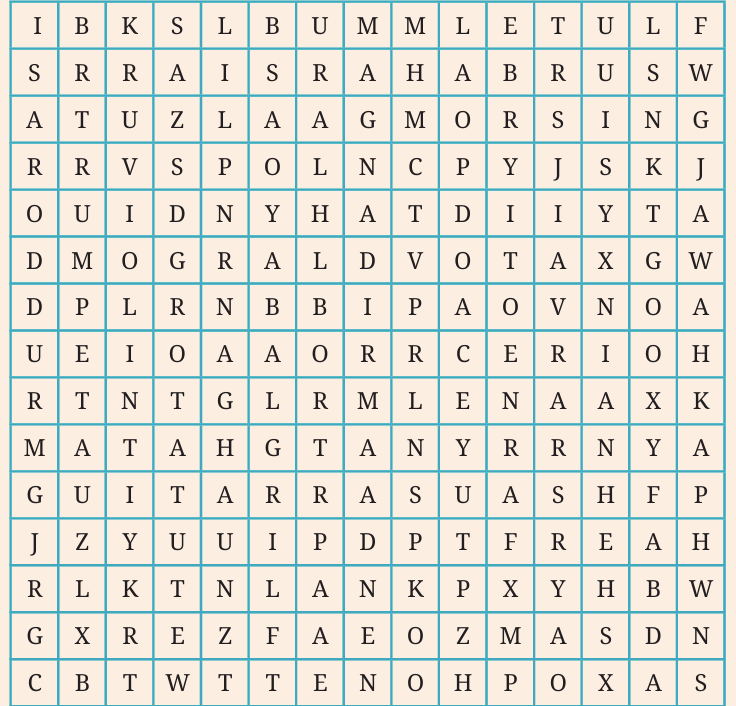
Note
Words can go in any direction.
Words can share letters if they cross over each other.
Bansuri, Clarinet, Dholak, Ektara, Flute, Ghatam, Guitar, Morsing, Sarod, Saxophone, Shehnai, Sitar.
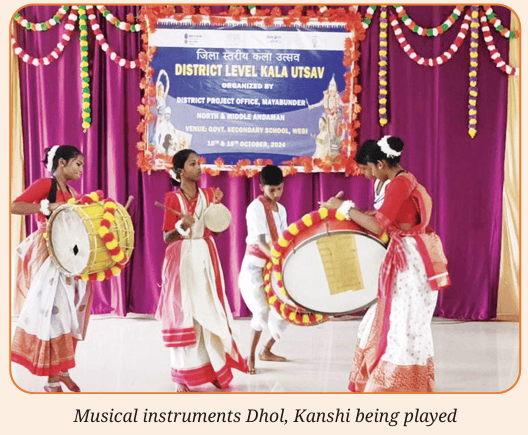
Here is a set of percussion instruments from different regions of India. Print an outline map of India and mark where each of these instruments are found and played.
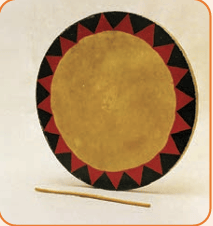 Halge (Gujarat and Karnataka)
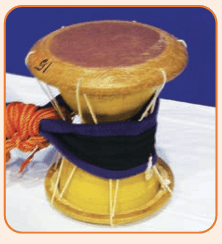 Udukkai
(Tamil Nadu)
Udukkai
(Tamil Nadu)
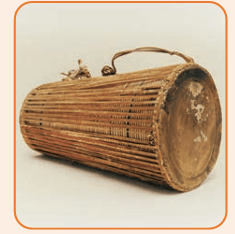 Madal/Mandar
(Bihar and Jharkhand)
Madal/Mandar
(Bihar and Jharkhand)
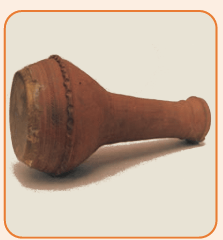 Tumbaknaari
(Jammu and Kashmir)
Tumbaknaari
(Jammu and Kashmir)
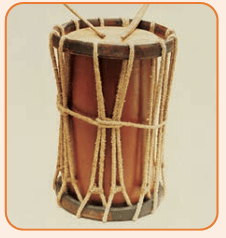 Chenda
(Kerala)
Chenda
(Kerala)
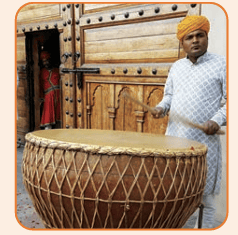 Nagara
(Rajasthan
Nagara
(Rajasthan
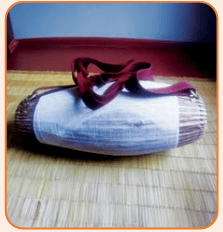 Pung
(Manipur)
Pung
(Manipur)
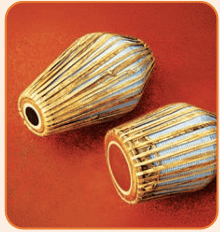 Khol
(East and North
East India)
Khol
(East and North
East India)
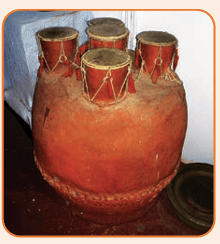 Panchmukh vadya
(Haryana and
Southern States)
Panchmukh vadya
(Haryana and
Southern States)
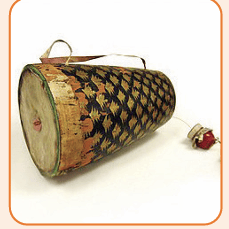 Anand Lahiri /Gopi
Jantra / Gapchu
(Assam, West Bengal,
Odisha)
Anand Lahiri /Gopi
Jantra / Gapchu
(Assam, West Bengal,
Odisha)
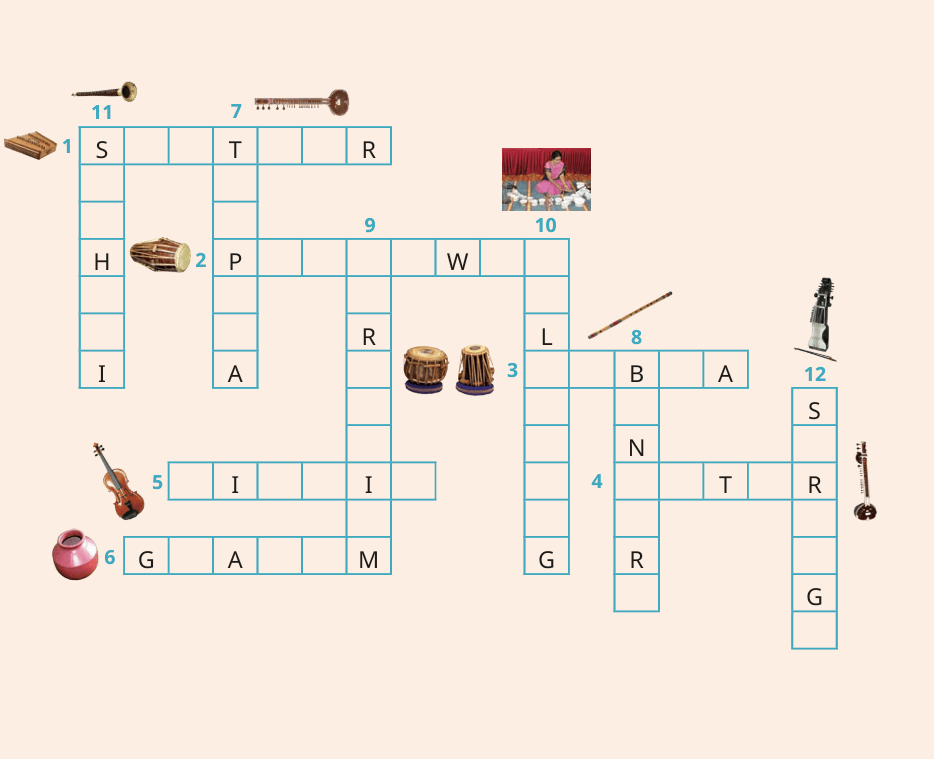
Solve the crossword of musical instruments
Across
- A string instrument made of hard wood such as walnut or rose wood, having more than hundred strings.
- A percussive instrument used to sing the dhrupad style of Indian classical music.
- An instrument that was played by the Ustad Zakir Hussain (Padam Vibhushan awardee).
- The string instrument played by Pandit Ravi Shankar (Bharat Ratna awardee).
- A string instrument with four strings played through a bow.
- An Indian percussion instrument that looks like a pot and is made of baked clay.
Down
- A string instrument which is long necked and has four strings and is played by fingers.
- Wind instrument traditionally made from Bamboo and has 6 or 7 finger holes.
- Wind instrument with keyboard that produces sound by blowing air through reeds.
- An percussion instrument that consists of a set of ceramic or metal bowls filled with water.
- A wind instrument that was played by Ustad Bismillah Khan (Bharat Ratna awardee).
- A bow instrument which is popular in folk music of Rajasthan and Sindh.
ASSESSMENT
CHAPTER 6: Musical Instruments
| CG. | C. | Learning Outcomes | Teacher | Self |
|---|---|---|---|---|
| 3 | 3.1 | Demonstrates awareness about musical instruments and their origin. | ||
| 3 | 3.1 | Understands the basic scientific principles of sound and music. | ||
| 4 | 4.1 | Is aware of the life and contributions of legendary musicians. |