12
DANCE FOR WELL-BEING


Communicating and Expressing Emotion
Communicating through Dance
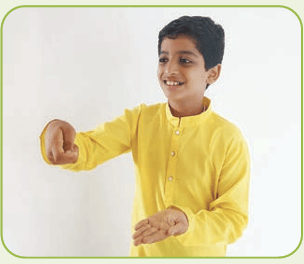
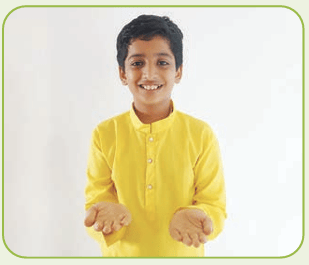
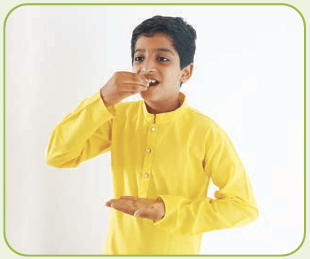
You may recall the various hand gestures you learnt in the previous grades. Each gesture can have a meaning or many meanings and can help you communicate and even tell a story!
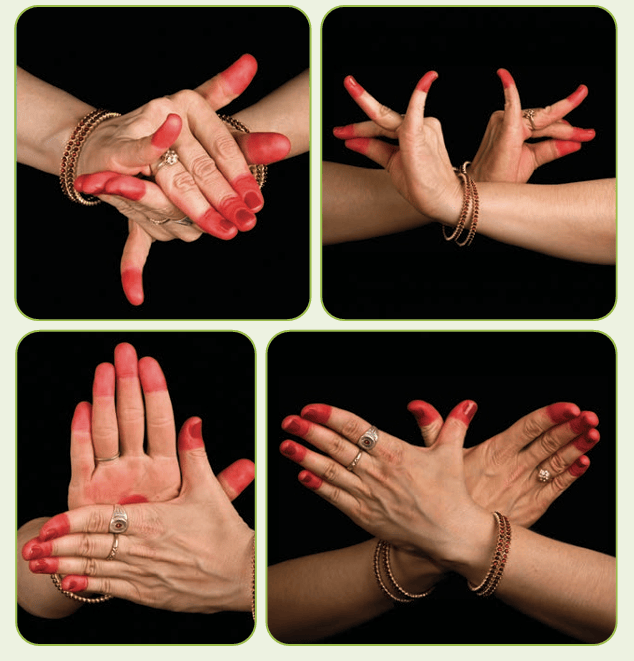
Gestures of a single hand are called asamyuta hastas and gestures of both hands are called samyuta hastas.
Let us take this learning a step further.
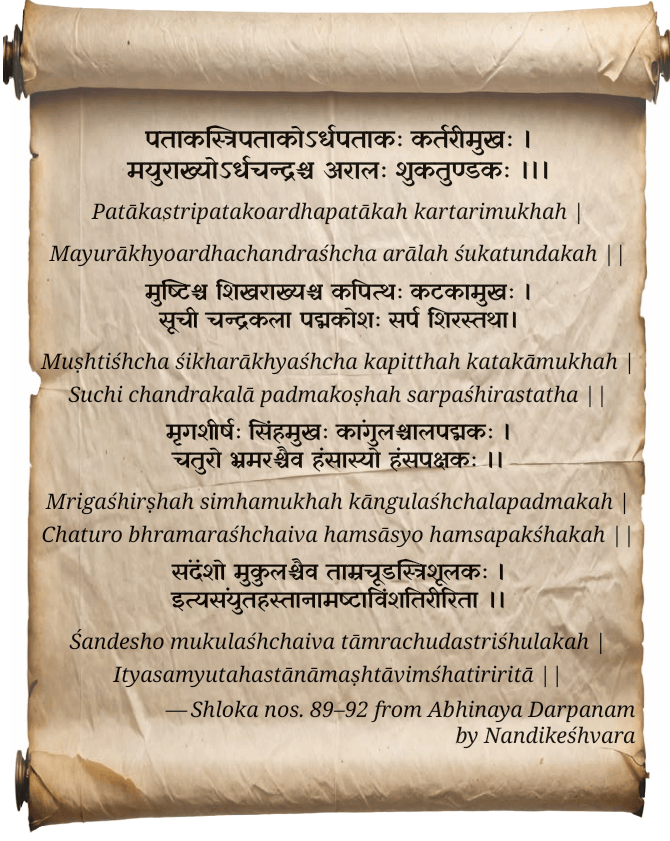
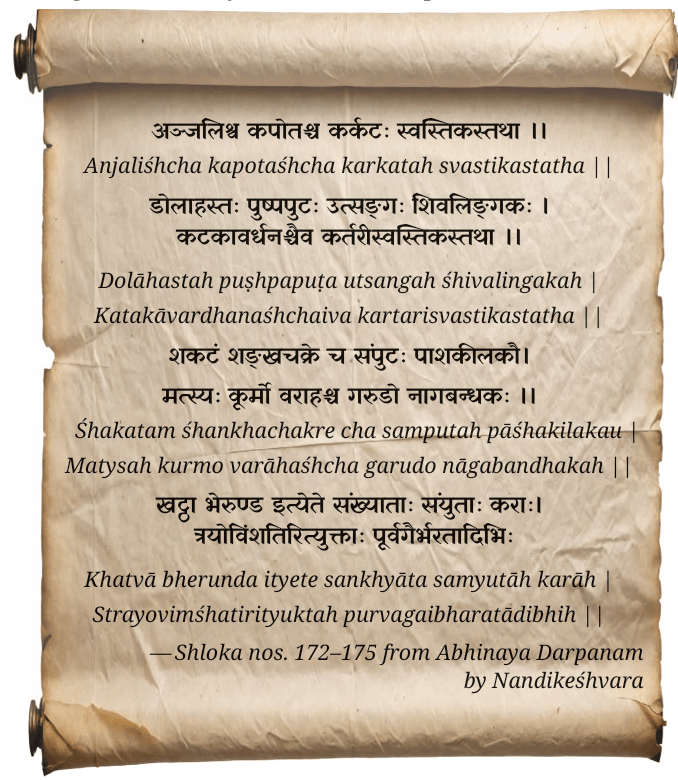
The Abhinaya Darpaṇam mentions these hastas in Sanskrit shlokas.
Asamyuta Hasta is a Shloka describing 28 single hand gestures. Additionaly, there are 4 more hand gestures.
Samyuta Hasta: Shloka describing 23 combined hand gestures. Every word denotes a particular hasta.
Exploring Hastas as a Sign Language
Before there was any language, people communicated using sign language and gestures. Even today, when you watch dances, you will notice how music and dance are used to share thoughts and feelings.
You have learnt that hastas can be used for communication. Now, observe around yourself and notice how some people naturally use hand gestures while conversing. Do you recognise those gestures?
Try to create a sign language using some of the hastas that you have learnt and prepare a chart.
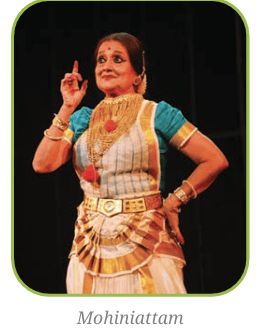
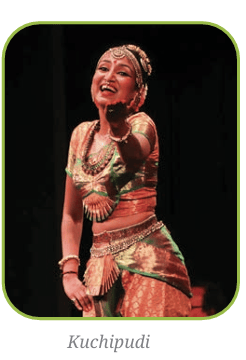
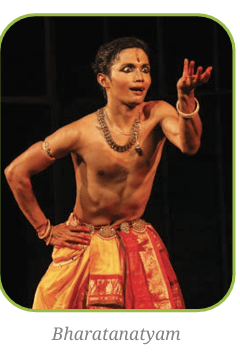
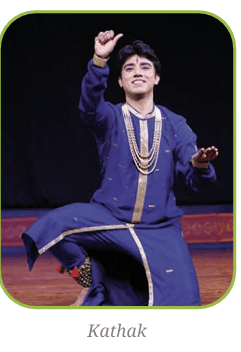
- In Storytelling
- Divide the class into 4 groups.
- Brainstorm a few situations with various characters. Each group will choose a different situation.
For example: A busy road with police officers, cars and pedestrians; a family gearing up to celebrate a festival; a group of friends going camping or playing an outdoor sport; a group of people farming and ploughing land.
- Use appropriate hastas expressions to enact the situation without words, and present it in front of the class.
- This activity is similar to the mime work done in Theatre, Grade 7 textbook, but here the focus is on making it more stylised and rooted in dance vocabulary.
- In Communication
- Divide yourselves into 4 groups.
- Brainstorm two sentences that you may use every day, either in class or at home.
- Enact them using only hastas and no voice to see if they communicate the idea clearly.
- This communication could be added to your sign language chart.
Note to the Teacher:
Refer to the hasta usage as taught in the previous grades. The teacher should play appropriate music.

Write in the space given below.
Expressing Emotions through Dance
Have you ever wondered why, when you watch an emotional performance, sometimes you also tear up? Or when you watch something beautiful, you cannot stop smiling or feeling happy? It is because the emotion of sadness or joy which is being expressed by the dancer is so powerful, that it touches your heart.
In Grade 7, you have learnt about the resultant experience (rasa) of a feeling or emotion (bhāva).
Now, it’s time to try to express emotions (bhāva) through dance. Bhāva is the first thought, the instant feeling you get when something happens.
Sometimes, experiencing emotions is healing because our deep emotions find an outlet. Think about that one movie, song or dance performance, that made you feel something strongly. It could be an emotion of patriotism, happiness or even sorrow.
Note to the Teacher:
Teacher may play appropriate music
Now, let’s focus on your own feelings — your bhavas. Remember in Chapter 1, you learnt briefly about how breath can also help in expressing emotions.
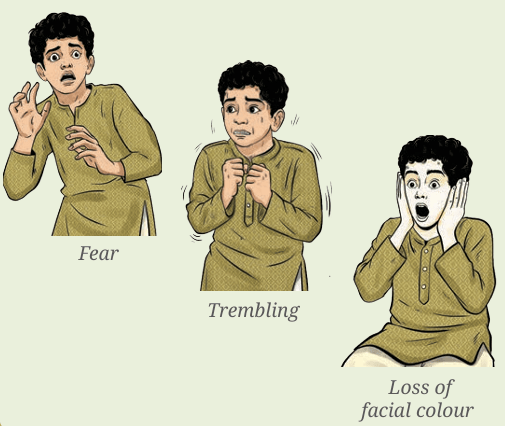
Breath itself can be a powerful form of expression, for example, a heavy exhale or sigh to show disappointment.
In theatre, this same emotion would be expressed differently, whereas in dance it would be more stylised, more deliberate. In dance, the entire body, including facial expressions along with the breath, form a way to express your emotions.
That is the beauty of the arts; while interconnected, each form has its own distinct language and mode of expression.
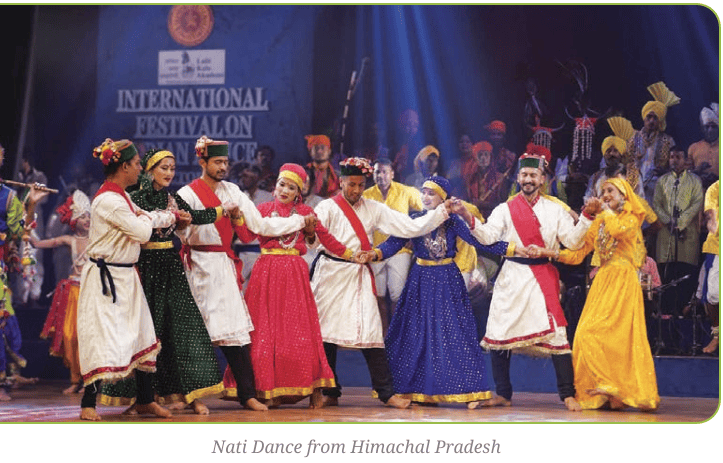
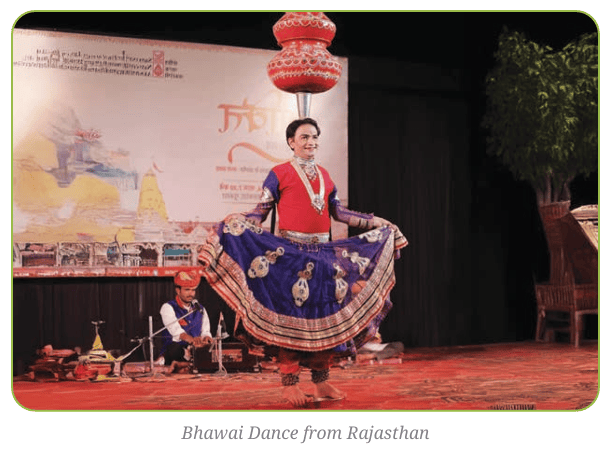
Moving from the feeling of disappointment to joy — how would dance express it?
Dance is one of the best forms of self-expression! If you have to express the eight emotions from everyday life, how would you express them?
Recall a recent moment that made you feel loved, stay with that feeling and share that beautiful feeling with your friends
This is rati bhāva leading to shringāra rasa.
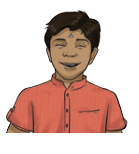
Did you laugh a lot at something you watched or read recently? Recreate that situation and make your friends laugh.
This is hāsa bhāva leading to hāsya rasa.

Everyone has some sad moments in life that we choose not to think about. But select one such incident, express it to a confidante and see if that makes you feel any better.
This is shoka bhāva leading to karuna rasa.

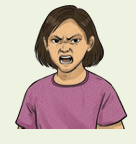
Anger can be a dangerous emotion, especially when let out on another person. Think about that one thing that angers you and use a dance movement to vent out that anger.
This is krodha bhāva leading to raudra rasa.
Did you do something that was very brave and required immense courage? Share this moment as a dance with your friends.
This is utsāha bhāva leading to veera rasa.
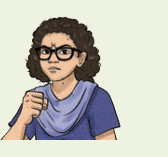
If you were scared, how would you react? Enact that fear with expressions and hand gestures.
This is bhaya bhāva leading to bhayānaka rasa.

Surely something disgusted you recently. What was your instant reaction to that moment? Recreate it.
This is jugupsa bhāva leading to bibhatsa rasa.

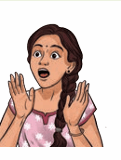
When did you feel and say, “Oh how amazing!”? Grab a friend or a group of friends together to show that amazement and wonder.
This is vismaya bhāva leading to adbhuta rasa.
Now, collectively look at the concepts we have discussed from Chapter 1 — breath, postures, movement of the feet and arms, hand gestures, emotions, and see how you can bring them all together to express bhavas in the next activity.
- Divide yourselves into two groups.
- Take turns, one group performs, while the other group observes. Then switch roles. s
- Each group will choose a mood or emotion from the eight emotions that you have learnt.
- Play a music piece or a song which represents that mood.
- Then close your eyes and imagine something that makes you feel that emotion.
- With eyes closed, let your body respond to that emotion naturally.
- Then open your eyes, discuss with your group how you would like to express the emotion and choose a situation.
- Create a group dance expressing this situation using expression, hand gestures, postures, movements, breath, etc.
- Remember to continue feeling what you felt when you had your eyes closed.
Note to the Teacher:
The teacher will play appropriate music for various emotions for both activities.
After both groups finish, the teacher should play meditative music and all students should relax, sit down holding the chin mudra and breathe, focusing on a feeling of peace and contentment — This is Nirveda Bhāva leading to Shānta Rasa.
Think about how you felt while doing this activity? Maybe you can use this process when something upsets you?
Think about how you felt while watching this activity? Could you connect to the emotions that were being shown?
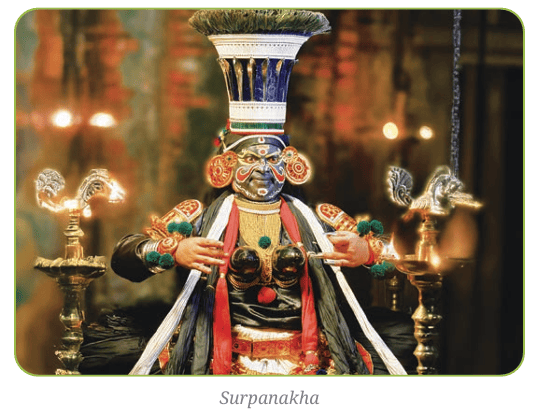
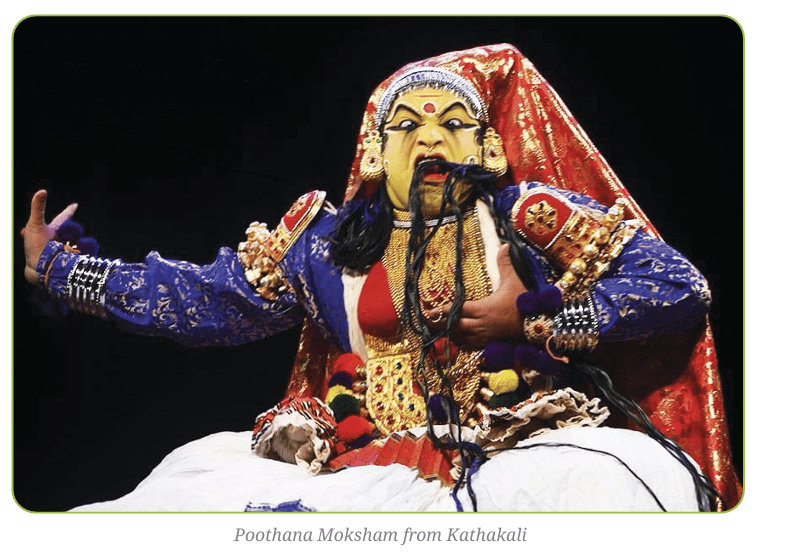
Dance heals both physically and emotionally. For instance, the head and neck movements (refer to Grade 4 textbook) are used to cure spondylitis, the eye movements (refer to Grade 5 textbook) are used to increase eye power. These are common exercises that are practised daily by dancers.
Dance movement therapy, healing through dance, and dance and wellness are careers in which dance helps in emotional well-being. Psychologists and physiotherapists use movement as a form of therapy.
ASSESSMENT
Chapter 12: Dance for Well-being
| CG. | C | Learning Outcomes | Teacher | Self |
| 1 | 1.1 | Engages with dance and the arts as a source of emotional well-being, recognising their therapeutic and healing potential. | ||
| 1 | 1.2 | Collaborates effectively with peers, contributing ideas and offering support in the process of group dance creation. | ||
| 2 | 2.2 | Makes a conscious effort to recite hasta shlokas with corresponding hand gestures, demonstrating coordination and understanding of their meaning. | ||
| 2 | 2.2 | Shows interest in exploring the communicative power of hastas as a form of expression and symbolic sign language in dance. | ||
| 2 | 2.2 | Feels confident and comfortable expressing emotions (bhāvas) through movement and facial expressions. |