
UNIT 4
Sports for All
This unit emphasises the importance of making sports accessible and inclusive for everyone, regardless of age, gender, varied ability, or socio-economic background. It highlights the concept of sports as a fundamental human right, as outlined in global frameworks like the UNESCO Charter of Physical Education and the European Sports Charter. This unit explores how sports can promote happiness, unity, and good health, while fostering social inclusion and breaking barriers. It also highlights the challenges faced by U marginalised groups, such as a lack of access to facilities, financial constraints, societal attitudes, and provides measures to promote inclusiveness. These include developing accessible infrastructure, enforcing anti-discrimination policies, promoting grassroots programmes, and supporting traditional and indigenous games like Kabaddi and Kho-Kho. Through activities and discussions, students are encouraged to design inclusive games, explore barriers to participation, and propose solutions to make sports more accessible. The unit emphasises the transformative power of sports in building teamwork, self-esteem, and community bonds, while fostering peace, equality, and mutual respect. It inspires students to advocate for inclusiveness and work towards creating a society where sports are truly for all.
Chapter 12
Sports and Inclusivity
Sport has the power to change the world. It has the power to inspire. It has the power to unite people in a way that little else does. — Nelson Mandela
During a school’s annual sports day, the final race was about to begin. The crowd cheered as the whistle blew, but halfway down the track, one boy stumbled and fell. The other runners could have surged ahead—glory was just metres away. But something remarkable happened. One by one, they stopped. They reached down, helped him to his feet, and together, they crossed the finish line—hands raised high in triumph.
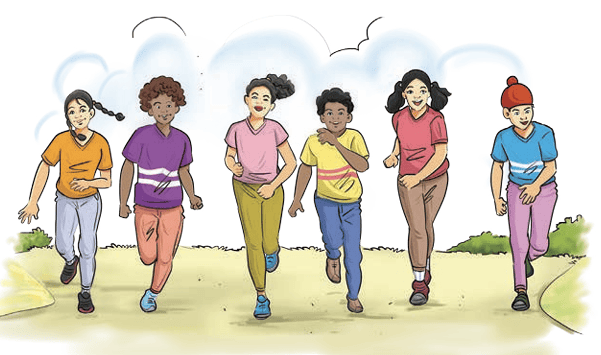
This moment captures the essence of Sports for All: not just victory, but unity, fairness, and shared joy.
DID YOU KNOW?
• India’s Khelo India initiative aims to promote sports culture at the grassroots level nationwide.
• The United Nations declared April 6 as the International Day of Sports for Development and Peace.
According to the 2015 UNESCO International Charter of Physical Education, Physical Activity, and Sport, “The practice of physical education and sport is a fundamental right for all”. Additionally, the European Sports Charter states that, “All human beings have an inalienable right of access to sport in a safe environment”.
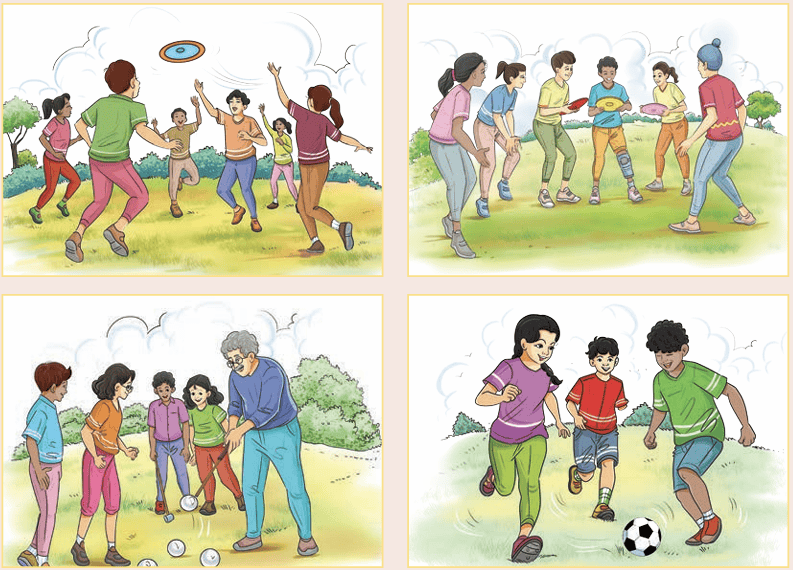
The four scenes in Fig. 12.2 highlight the theme of ‘Sports for All’. They show boys and girls playing together, promoting equality and teamwork. One scene also shows an elderly person participating, defying age as a barrier to sports. Overall, the pictures emphasise inclusion, fun, fitness, and equal opportunities for everyone.
How do these scenes promote the concept of ‘Sports for All’?
• What is common in all the pictures? Is it enough to say that sports should be a fundamental right for all?
• Justify through arguments how sports bring happiness, togetherness and good health for all.
• Discuss the answers given by your friends and summarise why sports are for all.
Meaning and Necessity
“Sports for All” isn't just a slogan—it's a fundamental right according to the UNESCO Charter of Physical Education.
Everyone, regardless of age, gender, ethnicity and, socio- economic background, deserves access to physical activity and sports.
It transforms sport from a privilege of the few into a vehicle for societal well-being, togetherness personal growth and community connection that goes beyond competition.
Activity
Form groups and prepare a 3-minute speech on one of these topics. Include facts, data, and real examples from the field of sports:
1. Equal right to participate
2. Focus on participation, not just winning
3. Accessible infrastructure for all
4. Cultural inclusivity
Deliver your speech in class.
Theoretical Foundations
“Sports for All” also means valuing both modern competitive sports and ethnosport (traditional and indigenous games like Kabaddi, Kho-kho, Mallakhamb, etc.). This promotes cultural heritage, fosters a sense of identity, and makes participation relatable for all communities.
Why is it considered important?
• Human Rights Perspective: Treating sports as a basic right democratises access and challenges exclusion based on socio economic, cultural, or physical barriers. No child should be told they cannot play because of their gender, caste or disability.
• Social Development Tool: Sports nurtures teamwork, self esteem, and community, serving as an instrument for peace, inclusion, and cross-cultural dialogue.
• Ethical Vision: Through the lens of dignity and capabilities, sports becomes a transformative medium that helps individuals flourish.
• Cultural Preservation: By valuing diverse traditions through ethnosport, we retain identity and promote inclusive participation.
Activity
Form groups and prepare a 3-minute speech on one of these topics. Include facts, data, and real examples from the field of sports:
1. Equal right to participate
2. Focus on participation, not just winning
3. Accessible infrastructure for all
4. Cultural inclusivity
Deliver your speech in class.
Inclusiveness of Sports
Inclusiveness in sports refers to the principle and practice of ensuring that everyone, regardless of their background, abilities, gender, age, or social status, has the opportunity to participate and benefit from sporting activities.
Activity
Design and play inclusive games using ideas like blindfolding, keeping one arm back or using one leg by a few students respectively.
• Write down the rules in 5 points or fewer.
• Make sure the game encourages teamwork and fair play.
• Present your game to the class and explain how it is inclusive.
4. Cultural inclusivity
Deliver your speech in class.
Key Dimensions of Inclusiveness
Inclusiveness is not restricted to one-size-fits-all. It operates across multiple dimensions:
1. Gender Inclusiveness: Ensuring equal opportunities for both women and men in sports participation, coaching, and leadership. Initiatives like ‘This Girl Can’ promote female involvement and visibility in sports. Games such as Korfball, Ultimate Frisbee, and Mixed Doubles in various sports are examples that encourage equal participation.
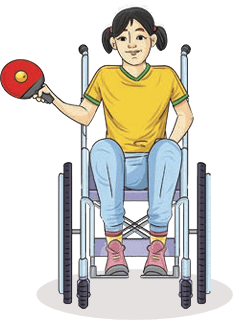
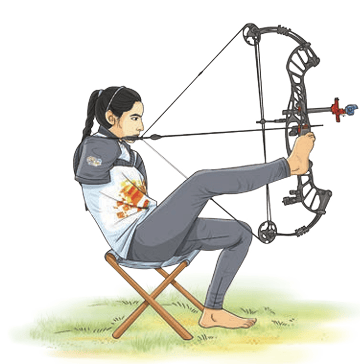
2. Disability Inclusion: Adapted sports enable persons with disabilities to participate fully. The Paralympic Games and Special Olympics are prime examples of platforms that celebrate athletic ability regardless of physical or intellectual challenges.
3. Socio-economic Inclusion: Removing cost barriers by providing free or affordable access to facilities, equipment, and coaching ensures that everyone, regardless of their economic background, has the opportunity to participate.
4. Cultural and Ethnic Inclusion: Incorporating ethnosports (traditional and indigenous games) alongside mainstream sports promotes cultural identity and attracts more diverse participants. For instance, including sports like Kabaddi and Kho-kho in India ensures local relevance and different government training centres.
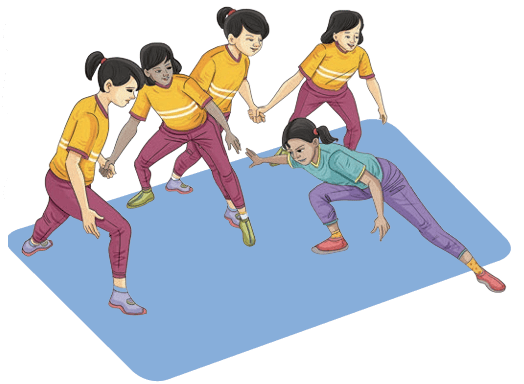
5. Age Inclusion: Sports programmes must cater to all age groups, from children to older adults. Modified rules, age-friendly equipment, and non-competitive formats help maintain lifelong participation.
Challenges to Inclusiveness in Sports
While the above dimensions highlight what inclusion should look like, achieving them is not without obstacles. Let us learn about some key challenges to inclusiveness in sports through an activity.
Activity for the students (Community outreach activity)
1. Form five groups of five to seven students each on the following themes:
• Socio-economic inequality — players from varied-income backgrounds
• Gender — players of different genders
• Player with Disability — players with different levels of physical and mental disability
• Rural players — players from rural areas
• Urban players — players from urban areas
2. Students will identify two to three players representing each team and will conduct group interview to identify their challenges in preparing for and playing the sports.
3. After the interview, students will individually fill the following table. They can use the following words to express the challenges for the respective group:
Access to facilities, equipment, lack of coaching, parents consent, financial support, feeling of shyness, fewer opportunities, less media coverages, societal rituals, traditional restrictions.
|
Groups |
Challenges |
|
Socio-economic inequality |
|
|
Gender — all genders |
|
|
Players with disabilities |
|
|
Rural players |
|
|
Urban players |
|
Based on what we just learnt, let us now understand them in detail.
• Socio-economic inequality, where individuals from low-income backgrounds lack access to proper facilities, equipment, and coaching.
• Women and girls in many regions receive fewer opportunities, less media coverage, and limited financial support compared to their male counterparts.
• Disability inclusion also remains a concern, as not all sports venues are designed to be accessible, and adaptive sports programmes are still underdeveloped in many areas.
• Cultural and societal attitudes sometimes discourage participation, especially in communities where certain groups, such as women or people with disabilities, face traditional restrictions.
• Geographical limitations can also hinder access, with rural and remote areas often lacking infrastructure for organised sports.
Measures to Promote Inclusiveness in Sports
Develop accessible sports infrastructure for all
It is important to construct accessible parks, playgrounds, and stadiums so that everyone, including children, the elderly, and those with disabilities, may use them. For example, gender-neutral restrooms, tactile walkways for the blind, wheelchair-accessible seating, and ramps.
Enforce equal opportunity and anti-discrimination policies
It must be specifically stated in the regulations that anyone can participate in sports, regardless of gender, disability, caste, religion, or socio-economic status. Strict anti-discrimination laws encourage fairness and respect.
Promote grassroots and community-level sports programmes
Local or community-based sporting events may be planned where women, children, and excluded communities can participate without worrying about being judged. Street sports events, school level competitions, and community tournaments all help to make play more inclusive and accessible.
Provide inclusive training for coaches and officials
Sports officials, coaches, and referees play an essential role in creating a fair environment. To prevent bias, they should be trained in inclusive practices, such as assuring equal playing time, modifying rules for athletes with disabilities, and using positive language.
Run awareness and media campaigns promoting diversity
Featuring women athletes, para-athletes, and persons from various cultural backgrounds through posters, social media posts, and community announcements encourages society to respect inclusivity.
Support traditional and indigenous games
Encouraging indigenous games promotes cultural inclusion by treating regional customs with same respect. For example, regional sports like kabaddi, kho-kho, or wrestling allows participation by individuals from a variety of social and economic backgrounds without the need for costly equipment.
Ensure financial assistance and scholarships for underprivileged athletes
Financial challenge is a major obstacle to inclusion. By offering travel allowances, reduced fees, free equipment, and scholarships, underprivileged athletes can take advantage of chances that might otherwise be out of reach. This not only reduces inequalities but also motivates talented people from underprivileged backgrounds to take sports seriously.
DID YOU KNOW?
All healthy adults (18–65 years) should do some physical activity regularly.
• Do at least 30 minutes of moderate exercise (like brisk walking or cycling) 5 days a week, or do at least 20 minutes of vigorous exercise (like running or fast swimming) 3 days a week.
• A combination of both moderate and vigorous activities is necessary to stay healthy. The 30 minutes of moderate exercise can be split into smaller parts (at least 10 minutes each). Additionally, every adult should engage in exercises to strengthen their muscles at least 2 days a week.
Exercises
1. Name any four dimensions of inclusiveness in sports.
2. Give two examples of ethnosport gaining popularity.
3. Are grassroots sports programmes important? Discuss with your peers.
Chapter 13
Sports and Disability
In a small village in India lived a boy who was full of energy and loved playing with other children. One day, he suffered from a serious illness that left him with a disability. Walking and moving became difficult for him.
Many people in his village felt sorry for him and thought his life would be full of struggles. But he was determined not to give up. He believed that he could still do something special. He found hope in swimming. Even though his body was weak, but his spirit was strong. He started practising in the village well and later in proper swimming pools.
With years of hard work, he became a skilled swimmer. His courage and dedication helped him to participate in the Paralympics, where he represented India with pride.
His story shows us that disability is not inability. What matters is willpower, confidence, and never giving up.
Sports are not just about winning medals, but about enjoying movement, building health, and learning teamwork. Sports have a special way of bringing people together. When we play a game, we share movement, laughter, effort, and teamwork. In those moments, differences matter less, and what matters more is participation and enjoyment. That is why sports are often seen as a space where everyone can feel included. For people with disabilities, sports can be especially empowering, helping them develop independence, self-belief, and a strong sense of belonging.
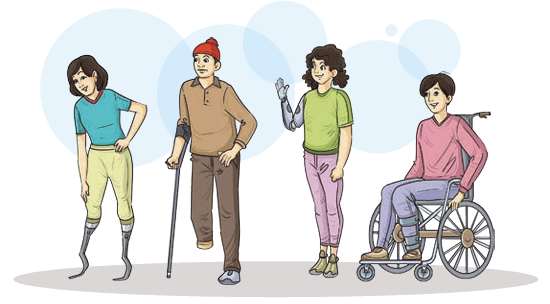
In the past, many people with disabilities were left out of games and physical activities because others did not understand how to include them. Today, attitudes are changing, and we understand that disability does not mean inability. With some changes in rules, equipment, or the playing environment, everyone can take part in sports. These are called adapted sports, and they show how sports can be made welcoming for all.
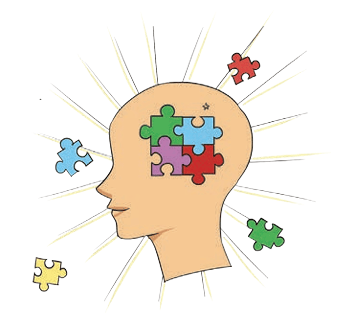
Disability is defined as a condition that restricts a person’s ability to perform everyday activities due to impairments in physical, sensory, intellectual, or psychological functioning. Disabilities can be congenital (present at birth) or acquired later in life due to illness, accident, or ageing.
The World Health Organisation (WHO) and the Rights of Persons with Disabilities Act, 2016 (India) classify disabilities into broad categories: physical, sensory, intellectual, learning, psychosocial, and multiple disabilities.
To ensure inclusion and equal opportunities, the Government of India officially recognises certain conditions and offers benefits and assistance. Under the Rights of Persons with Disabilities Act, 2016, twenty-one types of disabilities are recognised for support. Such measures remind us that every person deserves respect, opportunities, and the chance to participate fully — including in sports.
Understanding Disabilities Throught Observation
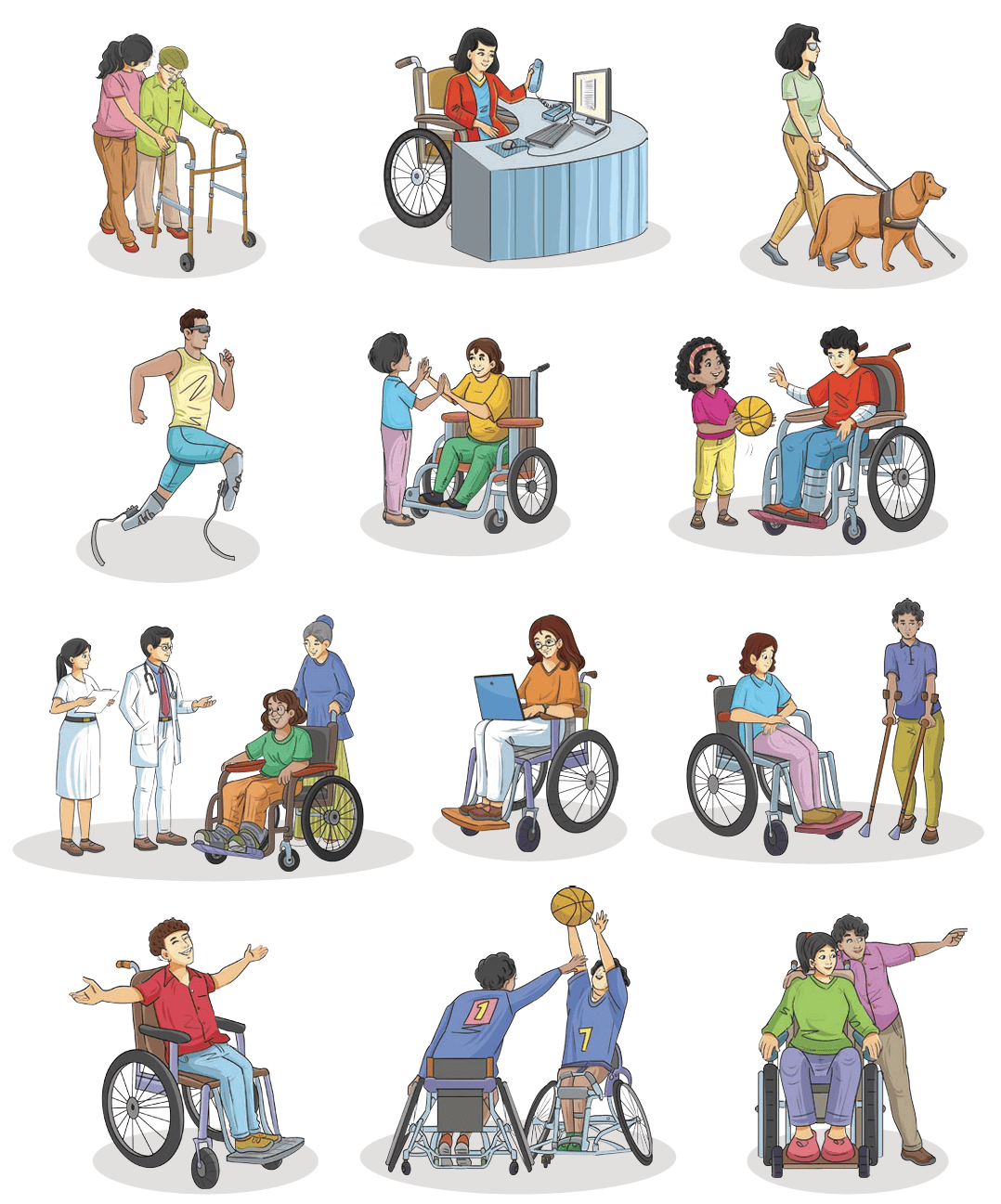
Look carefully at the Fig. 13.1 showing people with different disabilities (wheelchair users, a person with a guide dog, an amputee athlete, etc.).
Discuss with your teacher and find out the list of 21 disabilities under the RPwD Act, 2016, and identify which types of disabilities you think are represented in the picture.
Example: Person using a wheelchair, Locomotor Disability. Person walking with a guide dog for Blindness or Low Vision.
Discuss in pairs or small groups
1. Which disabilities are visible in the image?
……………………...................................
2. Which disabilities are not visible but are still important (like learning disabilities, autism and blood disorders)?
……………………….................................
Write down your answers below
|
Visible Disabilities (shown in the picture) |
Invisible Disabilities (given in the list, but not shown in the picture) |
|
|
|
|
|
|
|
|
|
Benefits of Sports Participation with Disabilities
|
Children and Teenagers |
Adults |
Elite Athletes |
|
Make new friends and feel included |
Stay fit and healthy |
Win medals and get recognition |
|
Learn teamwork and enjoy playing together |
Build confidence and independence |
Break stereotypes about disability |
|
Feel happy and proud of achievements |
Find purpose and enjoyment in life |
Show dedication, discipline and mental strength |
|
Improve fitness and confidence |
Get support from teammates and friends |
Inspire society and challenge wrong beliefs |
|
Have fun and create a sense of belonging |
Accept and adapt to disability |
Gain equality, respect, and opportunities |
LET US REFLECT
• After looking at the images, what did you understand about the types and degrees of disabilities?
• Why is it important to recognise that some disabilities cannot be ‘seen’ just by looking at a person?
Barriers to Adaptive Sports Participation
People with disabilities often face many challenges in taking part in sports. Some common barriers include lack of accessible playgrounds, high cost of equipment, and difficulty in transportation. Many also struggle with limited knowledge of opportunities, shortage of activities, or lack of social support. Health issues, pain, and risk of injury can also hinder participation. These barriers show why schools and communities must work together to make sports inclusive for everyone.
The Meaning of "Paralympic"
The word Paralympic comes from the Greek word para (meaning “beside” or “alongside”) and the word olympic. This illustrates that the Paralympic Games are held parallel to the Olympic Games, giving athletes with disabilities the same chance to compete at an international level.
TRIVIA
At present, the Paralympic Games include 28 sports — 22 summer sports and 6 winter sports. These sports are adapted to allow athletes with different types of disabilities to compete at the highest level.
The Paralympic Games
The Paralympic Games are the highest level of competition for elite athletes with physical disabilities. Just like Olympic athletes, Paralympians train hard, follow strict qualification rules, and compete with the goal of achieving their personal best — and a gold medal. The Paralympics give athletes with disabilities an environment of excellence, fairness, and pride.
Opportunities for Paralympic Athletes
Through the Paralympic Games, athletes with disabilities get the chance to:
• Pursue their goals and ambitions in sport.
• Dream of medals and international recognition.
• Train rigorously with discipline and commitment.
• Qualify by merit, meeting high international standards.
• Showcase excellence, courage, and determination to the world.
LET US REFLECT
Which barrier do you think hinders participation the most? Discuss with your classmates and try to identify possible solution.
Activity
Match the following.
|
Barriers |
Solutions |
|
(i) High cost of sports equipment |
a) Provide school buses or special vans with wheelchair space |
|
(ii) Lack of ramps or accessible playgrounds |
(b) Organise awareness programs and inclusive sports events |
|
(iii) No transport to reach sports grounds |
(c) Encourage peer support and buddy systems |
|
(iv) Not enough knowledge about opportunities |
(d) Gain access to government or NGO funding and donations for equipment |
|
(v) Lack of friends’ or family support |
(e) Build ramps, rails, and accessible sports facilities |
Core Values of the Paralympic Movement
The Paralympics are guided by four main values:
1. Courage: Athletes show bravery by doing what many people think is impossible.
2. Determination: They push their physical and mental limits to achieve success.
3. Inspiration: Their stories motivate others to face challenges with hope and strength.
4. Equality: Paralympic sports fight against discrimination and promote inclusion for all.
Activity
1. Pick one Paralympic value (Courage, Determination, Inspiration, or Equality) and create a poster showing how this value can be used in your own life (in school, sports, or at home).
Disability Simulation Game
2. Blindfold some students and ask them to walk short distances guided by a partner. Give earplugs to a few students and ask them to communicate with gestures only. Ask others to write using their non-dominant hand.
Exercises
1. Name the five broad categories of disabilities as recognised by the WHO and RPwD Act, 2016.
2. What are adapted sports? How many sports are currently included in the Paralympic Games?
3. Are accessible playgrounds important for inclusion? Justify.
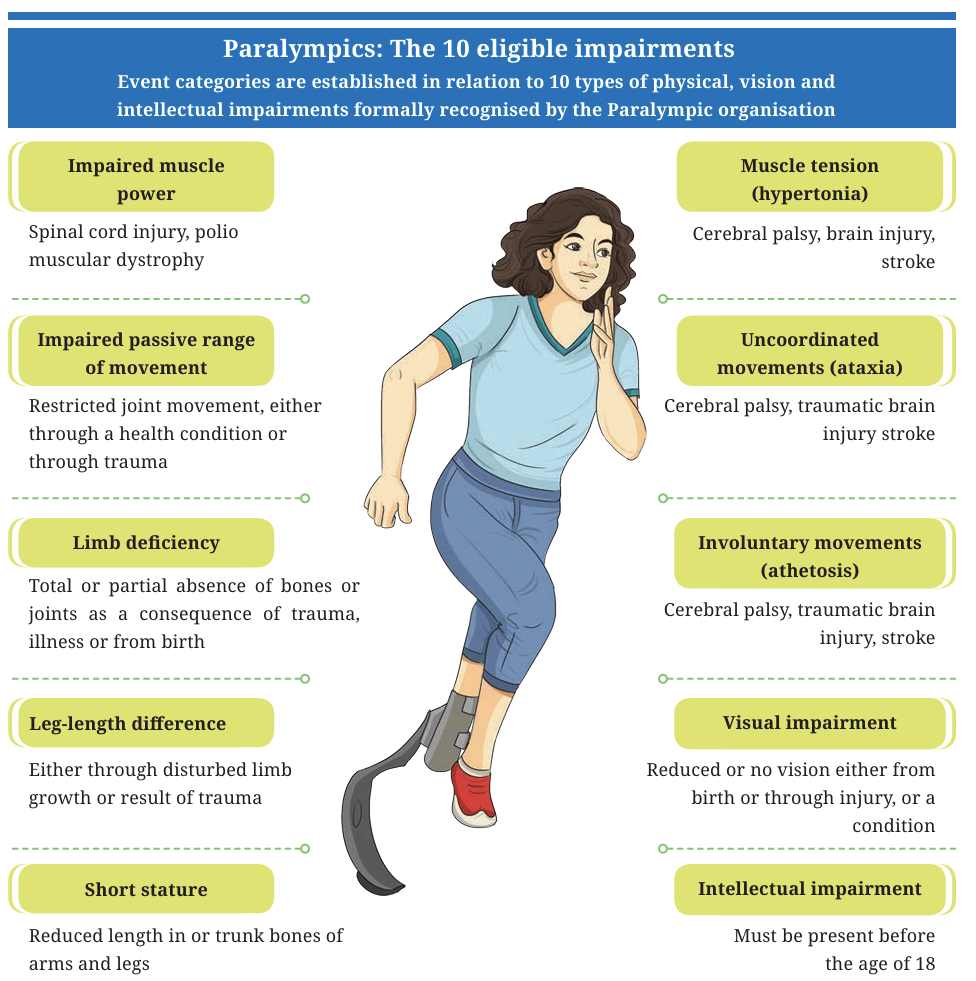
Eligible Impairment Types
Chapter 14
Disability Etiquettes: Respecting Everyone with Dignity
Rohan is in Grade 9 and very excited about the new school year. On the first day, a new student named Arjun joined their class. Arjun used a wheelchair because of a spinal injury. During lunch break, some students quickly ran off to the playground, but Arjun stayed behind because the path was uneven. Rohan noticed this but wasn’t sure what to do. Should he offer help? Should he ask Arjun questions? Or would that make him uncomfortable?
Later, in the classroom, Arjun struggled to reach a book on a high shelf. Some classmates watched silently, while others whispered. Rohan wanted to help, but he didn’t want Arjun to feel bad.
LET US REFLECT
• If you were in Rohan’s place, what would you do?
• How can we be helpful without making someone feel uncomfortable or different?
• What does this story teach us about respecting people with disabilities?
Now that we’ve thought about Rohan's situation, let’s understand the meaning of etiquette and how it applies to everyone. Etiquette means good manners and the right way of behaving with others. It helps us to be polite, respectful, and friendly in our daily life. General etiquette includes simple things like saying “thank you”, listening carefully when someone talks, and respecting other people’s space.
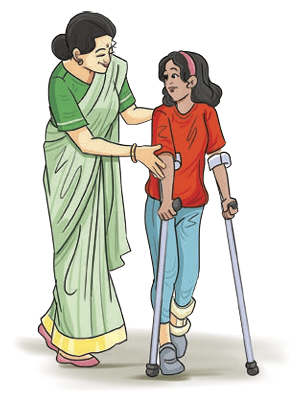
Disability etiquettes are about the correct ways of behaving with people who have disabilities. It teaches us to treat them with respect and kindness, without pity or overprotecting them. People with disabilities want to be seen as individuals first, not just for their disability. By following disability etiquette, we can make them feel included, confident, and equal in society.
What are General Etiquettes?
These are basic principles of respectful, courteous behaviour toward all individuals:
1. Be Respectful: Treat everyone with dignity and consideration.
2. Be Inclusive: Don’t assume people can or can’t do things based on appearance.
3. Ask Before Helping: Never assume someone needs help— always ask first.
4. Use First-Person (when preferred): One example would be “person with a disability” instead of “disabled person” (though some prefer identity-first, like “autistic person”—so follow individual preferences).
5. Don’t Stare, Point, or Make Jokes: Avoid drawing attention to someone’s disability or differences.
Disability Etiquettes
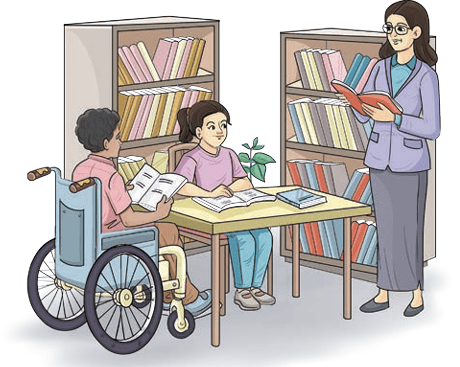
Respectful interaction with people who have disabilities includes awareness, sensitivity, and using appropriate language and behaviour.
When interacting with people who have different types of disabilities, here are some specific guidelines to follow:
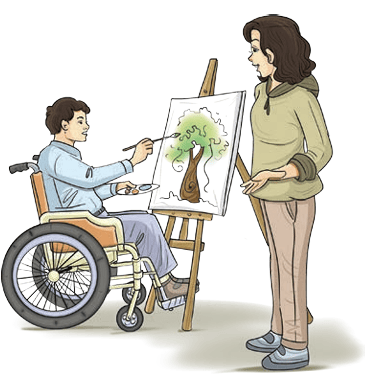
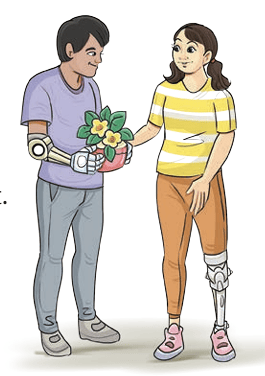
1. Wheelchair Users
• Don’t push someone’s wheelchair without permission.
• Speak directly to the person, not to someone with them.
2. People with Visual Impairments
• Identify yourself when approaching.
• Offer your arm for guidance—don’t grab them.
3. People with Hearing Loss
• Face the person and speak clearly—don’t shout.
• Use gestures, writing, or apps if needed.
4. People with Speech Difficulties
• Be patient—don’t finish their sentences.
• Ask them to repeat if you don’t understand.
5. People with Cognitive or Developmental Disabilities
• Use clear, simple language.
• Be patient and offer extra time if needed.
6. People with Invisible Disabilities
• Don’t judge or question whether a person's disability is real.
• Respect their need for accommodations even if you can’t “see” the disability.
General Dos and Don’ts
|
Dos |
Don’ts |
|
Use respectful language |
Use derogatory or outdated terms |
|
Speak directly to the person |
Speak through their companion |
|
Offer assistance (ask first) |
Assume help is needed |
|
Respect mobility aids |
Touch or move equipment without asking |
|
Be patient and listen |
Interrupt, guess or rush communication |
Step Model - For Inclusive Learning
Understanding etiquette is important, but how do we actually make our classrooms and activities inclusive? The STEP Model gives us a practical way to adapt any activity so everyone can participate.
The STEP Model is used to make activities inclusive and suitable for everyone, including persons with disabilities.
It focuses on changing four things: Space, Task, Equipment, and People.
S = Space
• Meaning: Adjust the environment or place where the activity is done.
• Examples
– Make the play area smaller for easier movement.
– Use a flat, safe surface instead of uneven ground.
– Reduce noise and distractions in the environment.
T = Task
• Meaning: Change the way the activity or task is done.
• Examples
– Simplify the rules of the game.
– Break a big activity into smaller steps.
– Allow extra time for completing the task.
E = Equipment
• Meaning: Use or modify equipment so everyone can take part.
• Examples
– Use bigger and softer balls.
– Use bright-coloured or sound-enabled objects for easy visibility/hearing.
– Provide lightweight equipment for easier handling
P = People
• Meaning: Change how people are grouped or paired in an activity.
• Examples
– Pair a strong student with one who needs more support.
– Make smaller groups so everyone gets a chance.
Importance of STEP Model (Single-Line Points)
1. Promotes Inclusion and Equality: It allows all students, with or without disabilities, to participate together.
2. Builds Confidence: Adapted activities help disabled students feel capable and proud.
3. Encourages Participation: It motivates students with disabilities to join games and classroom tasks.
4. Develops Empathy and Teamwork: It teaches students to support, respect, and work with each other.
5. Improves Learning Outcomes: Step-by-step tasks and adapted tools make learning easier and faster.
6. Makes Activities Safe and Accessible: Changes in space and equipment ensure safety for everyone.
7. Prepares for Inclusive Society: It helps students learn to live in harmony with people of all abilities.
Activity
STEP Worksheet (Classroom Task)
Objective: To practice applying the STEP Model to real activities. Method:
• Create a worksheet with four columns: Space, Task, Equipment, People.
• Choose an activity (for example, “Running Race” or “Class Quiz”).
• Think about a student who uses a wheelchair, or has a visual or hearing impairment.
• In each column, write how you would adapt that part of the activity to include everyone.
Example: If the activity is ‘Running Race,’ under ‘Space’ you might write: 'Use a flat, wide track that wheelchairs can use easily.
Exercises
1. List any four general principles of disability etiquette.
2. How does the STEP Model promote inclusion?
3. How can overprotecting someone make them feel uncomfortable?
Chapter 15
Young Athlete
Swami Vivekananda once said, “You will be nearer to heaven through football than through the study of the Gītā.”
By this, he did not mean that reading the Bhagavad Gītā was unimportant. He wanted to teach young people that physical strength and good health are just as important as spiritual learning. According to him, a strong body helps to build a strong mind, and only a healthy and active person can truly understand and follow spiritual teachings.
Vivekananda encouraged the youth to play games, exercise, and stay fit, because physical development is the first step toward becoming confident, disciplined, and spiritually aware.
Youth Participation and Health in Sports
Many children and teenagers today participate in different sports, and participation is growing every year. Young athletes often train throughout the year and may focus on one particular sport. By the time they reach adolescence, some may even compete at national or international levels.
Preteens often dedicate numerous hours weekly to sports such as tennis, gymnastics, hockey, or football. They sometimes travel with their teams to compete against peers of similar skill levels. Engaging in sports from a young age offers multiple health advantages, including enhanced fitness, teamwork, and confidence.
However, intense training and competition can sometimes lead to injuries or health problems. Conditions like asthma, heart defects, or Type 1 diabetes may appear or be diagnosed for the first time when a child starts regular sports training. Because young bodies are still growing, it is important to:
• monitor health carefully,
• ensure proper warm-up and rest,
• prevent and manage injuries, and
• encourage balanced nutrition and hydration.
With the right care and guidance, young athletes can enjoy sports safely, stay healthy, and perform at their best.
Activity
Choose a sport of your choice and design a healthy training regimen to prevent injuries or any other health-related concerns.
Growth, Performance, and Fair Play in Youth Sports
• Rapid Changes During Growth: During childhood and adolescence, the human body changes more than at any other time in life. As children grow, their height, weight, strength, and coordination develop at different speeds. These changes affect how well they perform in sports.
• Peak Performance and Maturity: Some famous athletes, like Simone Biles (gymnastics champion at 16) and Alina Zagitova (Olympic gold medalist at 15), reached great success in their teenage years. However, for most people, sports performance improves gradually through childhood and adolescence and reaches its peak in their early 20s.
In younger children (under 12), early and late physical maturity doesn’t make a big difference. But during adolescence, those who mature earlier often have an advantage in sports like football, hockey, and rugby, because they are usually stronger and faster than late-maturing players of the same age.
Aerobic and Anaerobic Capacity
• Aerobic Capacity means how well your heart and lungs work to supply oxygen during activity. It increases with growth and training.
• Anaerobic Capacity is the ability to use short bursts of power and energy, like sprinting or jumping. It also improves as the muscles grow stronger with age.
In boys and girls before puberty, strength levels are quite similar. During and after puberty, boys gain more muscle mass, which increases their overall strength and power.
Creating a Level Playing Field
Have you ever noticed that students of the same age can look very different in height, strength, and build? This is because everyone grows and develops at their own pace. In sports, this can sometimes create unequal competition. For example, one 13-year-old who matures early may be much taller and stronger than another 13-year old who is still growing. When such players compete against each other, it can be unfair and may even increase the risk of injury.
To make competitions safer and fairer, some sports organise players by weight categories rather than by age alone. This is common in games like rugby and combat sports. Grouping athletes this way helps ensure that participants compete against others of similar size and strength, giving everyone a fair chance to compete and enjoy the game.
DID YOU KNOW?
• Growth and maturity happen at different times for everyone.
• Athletes who mature early may perform better temporarily, but everyone catches up over time.
• Fair competition should consider both age and physical development.
• Training, rest, and balanced nutrition are essential for safe and healthy performance.
Activity
Think about your favourite sport. What rules or changes could make it fair for players who grow or mature at different speeds? Should players be grouped by skill level, weight, or experience instead of only age? Write your ideas in 3–4 sentences, explaining how your suggestions would make the game safer and more enjoyable for everyone.
Early Specialisation: Good or Bad?
The idea of early specialisation—when a child focuses on just one sport from a very young age—has been debated for many years. Some coaches and teams believe that the earlier a child starts training seriously in one sport, the better chance they have of becoming a star athlete, like Lionel Messi in football or LeBron James in basketball.
However, many experts warn that early specialisation can have serious drawbacks. Training too much at too early can lead to injuries, stress, and burnout. It can also take away the joy of playing and reduce time for free play, rest, and learning other skills.
Recommendations
• Play multiple sports: Children should be encouraged to try different sports before choosing the one that they enjoy the most.
• Include free play: Unstructured play, like running, climbing, or casual games, helps build coordination and motor skills naturally.
• Balance training: Young athletes should not train more hours per week than their age (for example, a 12-year-old shouldn’t train more than 12 hours a week).
• Avoid overtraining: Too much intense practice can cause injuries and mental exhaustion.
• Build strength safely: All young people can benefit from general fitness and strength-building exercises done under supervision.
• Stay safe: Coaches and parents must ensure young athletes are protected from any form of pressure, bullying, or abuse.
Risks if Early Specialisation
Early specialisation can lead to:
• Overuse injuries (because of repeating the same movements).
• Burnout or loss of interest.
• Social isolation and less time with friends.
• Overdependence on coaches or parents.
• Stunted growth or delayed development.
Children should enjoy multiple sports, explore different activities, and develop overall physical and mental strength before choosing to specialise in one sport. Exploring a variety of games helps develop balanced skills, confidence, and fitness. In fact, many top athletes did not specialise early; they focused on one sport only in their teenage years and often achieved better performance than those who specialised too soon.
Activity
Discuss in groups:
• Do you think focusing on one sport at a young age is helpful or harmful?
• What might be a healthy way to balance fun, training, and rest for young athletes?
Exercises
1. Why are weight categories used in some sports?
2. How does puberty affect strength and muscle development?
3. Do students of the same age differ in height and strength?
Chapter 16
Women in Sports
In the history of India, warriors like Rani Laxmi Bai, Jhalkari Bai, and Devi Ahilya Bai demonstrated courage and physical prowess as they fought to protect the country and uphold their ideals.
Women’s participation in sports has increased gradually and female athletes continue to break records, challenge stereotypes, and inspire future generations.
Over the years, India has seen a huge rise in women’s sports participation. Government programmes such as Khelo India and the National Sports Talent Search Scheme aim to encourage and support women athletes across the country.
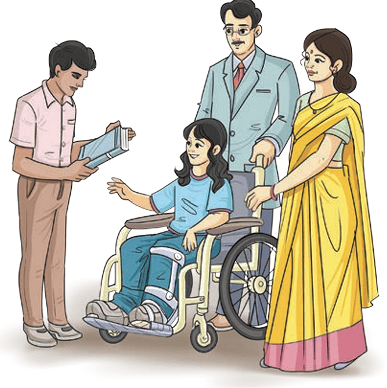
Gender Equality and Progress in Sports
The Constitution of India ensures gender equality and works to eliminate any form of discrimination, including in sports. Despite this progress, women still face challenges like unequal pay, less media coverage, and limited representation in sports administration and leadership roles.
However, India has achieved a significant milestone in this area. Both the Indian Olympic Association and the Indian Paralympic Committee are currently led by women.
To address this at a global level, the International Olympic Committee (IOC) has been actively working to promote equal participation of women in sports and related fields. In fact, the next Olympic Games are expected to have around 49 per cent women participants, marking a major step toward equality.
Physical Benefits of Sports for Women
Regular participation in sports and physical activity provides numerous health benefits for women, including:
Prevention of Lifestyle Diseases
Regular physical activity reduces the risk of diabetes, high blood pressure, and obesity, helping women maintain good health throughout life.
Stronger Bones and Muscles
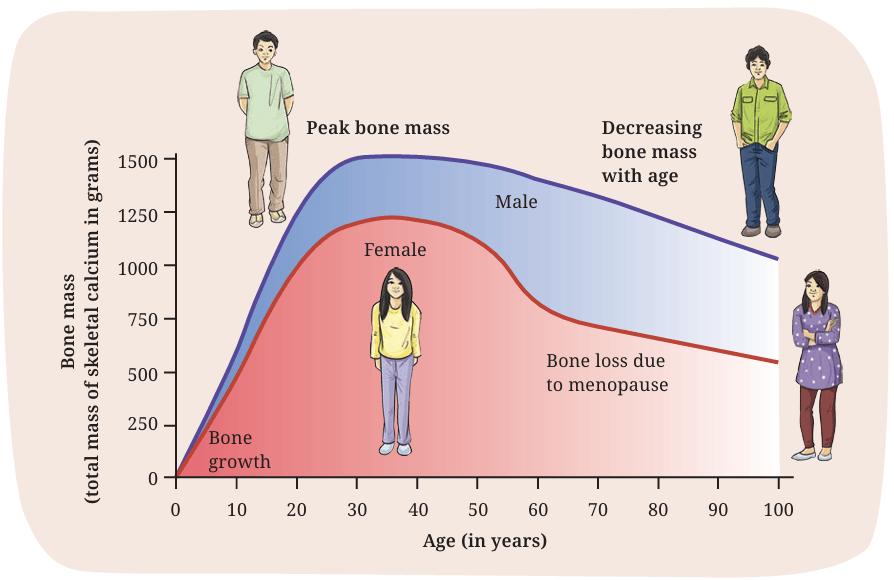
Women are more likely to suffer from osteoporosis (weak bones) than men. Sports and exercise help increase bone density and keep the skeleton strong.
Improved Muscle Tone
Regular training and sports participation strengthen muscles, improve flexibility, and help maintain proper posture.
Better Heart and Lung Health
Exercise improves blood circulation and oxygen supply to muscles. It strengthens the heart and allows women to perform physical activities for longer without fatigue.
Weight Control
Obesity is a major health concern, and women are more likely to be affected than men. Active participation in sports helps maintain a healthy weight and body shape.
Psychological Benefits of Sports for Women
Sports have a strong impact on mental and emotional well-being. They help women become more confident, focused, and positive in life.
Stress Management
Physical activity releases hormones like endorphins that reduce stress and improve mood. Active women handle pressure and emotional challenges better.
Emotional Control
Through training and competition, women learn how to stay calm and composed under pressure, improving their emotional balance.
Confidence and Self-esteem
Winning, improving performance, or even participating builds self-belief. Every achievement — big or small — boosts self-esteem and inspires women to aim higher.
Leadership Skills
Sports teach leadership by encouraging teamwork, responsibility, and decision-making — skills that help women succeed both on and off the field.
Social Benefits of Sports for Women
Sports not only improve health and confidence but also strengthen social relationships and community bonds.
Communication
Sports encourage players to express themselves clearly and communicate with teammates and coaches, improving social, and verbal skills.
Teamwork and Cooperation
Women learn to work together, respect others, and cooperate to achieve common goals — important qualities for both sports and life.
Coordination and Relationships
Team sports improve coordination and teach how to build healthy relationships with teammates, officials, and the community.
Social Inclusion
Sports bring women from different backgrounds together, promoting equality, understanding, and mutual respect.
Special Considerations in Women's Sports
While we work to encourage more women to participate in sports, it's also important to understand the unique physiological aspects of female health that can affect athletic performance and participation.
Menarche – The Beginning of Menstrual Cycle
Adolescence is a stage of life marked by rapid physical and biological changes that lead to sexual maturity. For girls, one of the most important phases of this stage is menarche, or the first menstrual period.
Menarche usually occurs between the ages of 8 and 15 years, though this can vary for every individual. It marks the time when a girl’s body becomes capable of reproduction. This process is a natural part of growth and is linked with the development of secondary sexual characteristics, such as breast growth and widening of pelvic girdle.
Many factors can affect the timing of menarche, including:
• Genetics (family history)
• Nutrition and health
• Physical activity and body weight
• Socio-economic and environmental conditions
Activity
• Let us plan a talk show in which our classmates will discuss how our schools should encourage girls to participate in sports and games.
• Let us organise an awareness programme in our neighbourhood to highlight the benefits of sports for women.
• Talk to our parents after dinner time about how our family has supported their daughters in pursuing athletic goals.
• Let's prepare a poster of those sports which are offering equal prize money to the winners regardless of gender, mention the amount and display it in an appropriate place.
Understanding Menstruation
Menstruation (often called a “period”) is the monthly shedding of the uterine lining through the vagina.
• Periods typically last 3 to 7 days, though more commonly 3 to 5 days.
• A normal menstrual cycle occurs every 21 to 35 days.
• Women typically have periods until the age of 45–55 years, after which they experience menopause, meaning the natural end of menstruation and fertility.
Menstrual health is an important part of overall well-being. Regular cycles are a sign of a healthy reproductive system.
Menstrual Dysfunction
Sometimes, women and young girls experience irregularities or problems in their menstrual cycle. These are called menstrual dysfunctions.
A normal menstrual cycle happens once every 21–35 days. If it occurs more often, less often, or causes extreme pain or bleeding, it may indicate a problem.
Common Causes
• Overweight or underweight
• Stress and anxiety
• Poor diet or eating disorders
• Sudden changes in physical activity or training schedules
• Hormonal imbalance or certain illnesses
Types of Menstrual Disorders
Pre-Menstrual Syndrome (PMS)
• Emotional and physical symptoms before periods such as mood swings, headaches, tiredness, and irritability.
• Can be managed through exercise, healthy diet, and enough rest.
Amenorrhea
• Primary Amenorrhea: When menstruation does not start by puberty.
• Secondary Amenorrhea: When a woman misses her periods for three months or more after they have started.
Dysmenorrhea
• Painful periods with cramps, backache, or fatigue.
Menorrhagia
• Very heavy or prolonged bleeding during periods.
Polymenorrhea
• Periods occurring too frequently (less than 21 days apart).
Oligomenorrhea
• Infrequent periods, more than 35 days apart.
Metrorrhagia
• Irregular bleeding between periods.
Postmenopausal Bleeding
• Bleeding that happens after menopause (after a woman has stopped menstruating).
The Female Athlete Triad
While sports bring many health benefits for girls and women, some athletes face health issues due to imbalanced diet and training.
One such condition is called the Female Athlete Triad, first described by the American College of Sports Medicine (ACSM) in 1992.
The triad includes three interrelated conditions:
1. Low Energy Availability (with or without eating disorder)
2. Menstrual Dysfunction (absence or irregularity of periods)
3. Low Bone Mineral Density (weak bones)
These three are connected and often occur together in athletes who train intensely but don’t eat enough to meet their body’s energy needs.
Low Energy Availability
This happens when athletes do not eat enough food to balance the energy they spend during exercise.
• It may occur due to dieting, fear of weight gain, or eating disorders such as:
– Anorexia Nervosa: An extreme fear of gaining weight, leading to eating very little or over-exercising.
– Bulimia Nervosa: Eating large amounts of food and then using unhealthy methods to remove calories, such as vomiting or using laxatives.
• Common symptoms include fatigue, weight loss, stress fractures, irregular periods, anxiety, and weakness.
Proper nutrition and professional guidance can prevent or correct this condition.
Low Bone Mineral Density (BMD)
Bone health depends on proper nutrition, hormones, and exercise. When women have low oestrogen levels or poor diet, bones become fragile and weak, a condition known as osteoporosis.
• This can cause stress fractures, pain, or deformity later in life.
• Bone growth and strengthening happen mainly during childhood and adolescence, so maintaining proper diet and physical activity during these years is vital.
Sports are not just about winning medals or breaking records. For women, they represent freedom, empowerment, and the opportunity to challenge stereotypes. Every girl who picks up a cricket bat, laces up running shoes, or steps onto a basketball court is making a statement about her capabilities and her right to participate fully in society.
Myths and Taboos
A common myth is that girls should not exercise during their period. But in truth, light exercise often helps reduce cramps and improve mood. Even Olympic champions compete during menstruation. What matters is comfort, hygiene, and listening to your own body.
As we grow, remember: body changes, emotions, and thoughts during adolescence are all natural. Respect traditions, but also question and understand them scientifically. Knowledge is what helps you grow confidently.
Chapter 17
Age is Just a Number
Fauja Singh was a British Sikh marathon runner of Indian origin and an inspiration for people of all ages. He was born on April 1, 1911, in Beas Pind village, Jalandhar, Punjab. During his childhood, he was weak and could not walk properly until the age of five. He worked as a farmer for most of his early life.
After the death of his wife and son, Fauja Singh moved to England and took up running to overcome his grief. At the age of 89, he started training seriously and completed his first marathon in 2000 at the London Marathon. He went on to run marathons in London, Toronto, and New York.
In 2011, at the age of 100, Fauja Singh became the first centenarian to complete a full marathon at the Toronto Waterfront Marathon. He also set multiple world age-group records in track events. Known as the “Turbaned Tornado”, he promoted fitness culture through sports.
Fauja Singh retired from competitive running at the age of 101. His life proves that age is not a barrier to physical fitness and that regular exercise promotes both physical and mental well-being.
Have you noticed that many people today stay active and energetic even as they grow older? In recent years, the average age of participants in endurance sports such as long-distance running, cycling, and swimming has increased. Many older athletes train regularly, follow healthy routines, and set personal goals to keep themselves motivated. Their example shows that with the right attitude and care, the human body can remain strong and active for decades. It reminds us that staying active keeps both the body strong and the mind fresh—age may bring changes, but it does not have to limit our abilities or dreams.
As people grow older, the body naturally changes. Muscle strength, balance, and energy levels may gradually decrease, and some people become less active. This can increase the risk of health problems such as heart disease, diabetes, obesity, and weak bones. However, regular physical activity can slow down these changes and help older adults live longer, healthier, and more independent lives. That is why exercise is often called “the best medicine for ageing”.
Staying active in later years does not always mean playing competitive sports. It can include simple and enjoyable activities like walking, swimming, yoga, cycling, gardening, or light exercises at home. The key is to keep moving regularly and choose activities that feel enjoyable and safe.
Healthy ageing means living an active, independent, and meaningful life as we grow older. It involves maintaining physical fitness, mental alertness, and emotional well-being so that people can continue doing the things they value — such as travelling, meeting friends, or playing with grandchildren. This depends not only on a person’s own health and habits but also on having a supportive environment that encourages activity and social connection.
Benefits of Physical Activities for Older Adults
People of all ages can gain from regular physical activity, and this is especially true for older adults — even small amounts of movement can make a meaningful difference. Here are some important benefits:
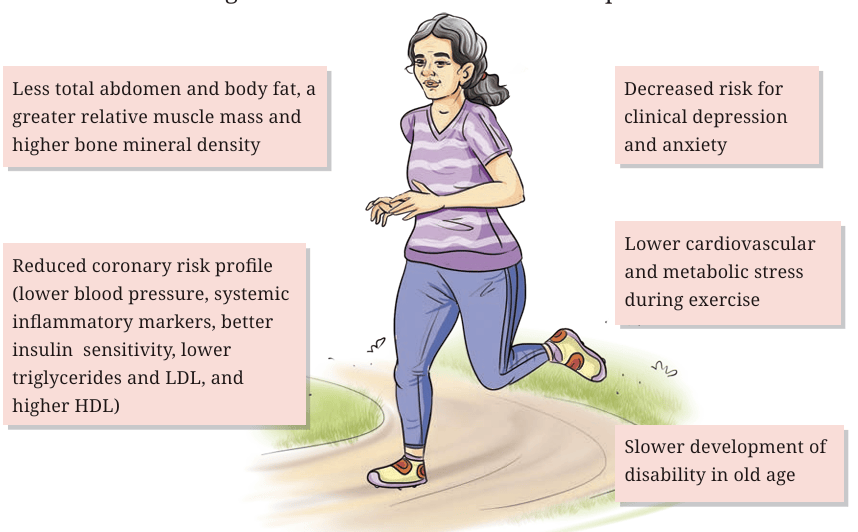
Stronger Heart and Better Circulation
• Exercise strengthens the heart and improves blood flow.
• It helps control blood pressure and cholesterol.
• Moderate aerobic or endurance activity can reduce the risk of stroke.
Healthy Lungs
• Regular physical activity improves lung strength and breathing capacity.
• It reduces the risk of chest infections and helps older people stay active longer.
Better Diabetes Control
• Physical activity helps control blood sugar levels and prevents type 2 diabetes.
• It makes the body use insulin more efficiently, reducing the need for medicines.
Stronger Joints and Bones
• Regular movement keeps the joints flexible and prevents stiffness.
• Exercise reduces the risk of arthritis and osteoporosis (weak bones).
• Activities like walking, yoga, and light resistance exercises strengthen the bones.
Prevention of Falls
• Balance and strength training exercises help prevent falls, which are common among older adults.
• Programmes like the Otago Exercise Programme include balance and walking exercises that keep seniors steady and confident.
Mental and Emotional Health
• Exercise boosts mood, reduces stress, and helps fight depression.
• It improves memory and brain function, lowering the risk of dementia and cognitive decline.
• Physical activity makes people feel more energetic and positive about life.
Activity
Talk to your grandparents, neighbours, or any older person you know and learn about the games or sports they used to play when they were young.
Find out:
1. Which games or sports did they enjoy most?
2. Why did they stop playing regularly?
3. Do they still play or stay active in some way today?
4. What did sports teach them about life?
Present their sporting journey to your class and discuss what you learned about sports, ageing, and staying active throughout life.
Safety and Precautions
Older adults should always consult a doctor before starting a new exercise programme, especially if they have heart or joint problems. Some safety tips include:
• Start slowly and increase the intensity and frequency of the activity gradually.
• Warm up and cool down properly.
• Stay hydrated and wear comfortable shoes.
• Avoid very heavy or high-impact exercises.
• Exercise regularly, not occasionally.
• Doing light activity consistently brings great benefits.
Sports and physical activity play a vital role in healthy ageing. Staying active helps older adults remain fit, happy, and independent. Regular exercise strengthens the body, sharpens the mind, and uplifts the spirit.
Age should never be seen as a barrier to movement. Whether young or old, everyone benefits from being active. Sports and exercise keep life meaningful, healthy, and joyful — at every age!
DID YOU KNOW?
Much of the physical decline often associated with ageing is actually caused by sedentary lifestyles and the development of medical conditions rather than ageing itself.
Activity
Learn a game that your grandparents, neighbours, or elders used to play when they were young. Ask them to explain the rules, equipment, and how it is played.
Teach this game to your classmates and play it together.
Then discuss amongst yourselves,
1. What did you enjoy about the game?
2. How is it different from the games you usually play?
3. What skills does it develop?
Exercises
1. List five benefits of regular physical activity for older adults.
2. How does exercise help in preventing heart disease and diabetes?
3. Exercise is called “the best medicine for ageing”. Justify your answer.
Check Your Progress
Answer in brief
1. Suggest three ways your school can promote inclusiveness in sports.
2. Design one inclusive game and explain how it ensures teamwork and fairness.
3. How do sports help persons with disabilities in building their confidence and independence?
4. What barriers commonly prevent persons with disabilities from participating in sports?
5. What changes in “Equipment” can help students with visual impairments participate in games?
6. How can pairing students (People component of STEP) encourage teamwork and empathy?
7. Do you agree or disagree with early specialisation in sports? Justify your answer.
8. Compare the benefits and risks of competitive sports for young athletes.
9. What lifestyle changes can help prevent menstrual disorders in young athletes?
10. Suggest a safe weekly exercise plan for a 65-year-old person, and what precautions should older adults follow while exercising?
11. How can families encourage older members to stay active?
Answer the following in detail
1. How is sports a tool for peace and equality? Explain.
2. Analyse how sports contribute to happiness, togetherness, and good health in society.
3. Compare the Olympic and Paralympic Games in terms of values and opportunities.
4. Which barrier do you think hinders participation the most—financial, infrastructural, or social? Justify your answer.
5. Compare general etiquette and disability etiquette. Are they different or interconnected?
6. Analyse how the STEP Model improves participation and learning outcomes.
7. Do you think awareness about disability etiquette should be compulsory in schools? Justify your answer.
8. Why is enjoyment and participation more important than early success?
9. Design a weekly fitness routine suitable for adolescent girls focusing on health and safety.
10. How can awareness about the Female Athlete Triad prevent long-term health problems?
11. Do you think age limits should exist in all sports? Justify your answer.
12. Compare the benefits of sports for young people and older adults.