
4
Telephone Conversation
The price seemed reasonable, location
Indifferent. The landlady swore she lived
Off premises. Nothing remained
But self-confession. ‘Madam,’ I warned,
‘I hate a wasted journey—I am African.’
Silence. Silenced transmission of
Pressurised good-breeding. Voice, when it came,
Lipstick coated, long gold-rolled
Cigarette-holder pipped. Caught I was, foully.
‘HOW DARK ?’... I had not misheard... ‘ARE YOU LIGHT
OR VERY DARK ?’ Button B. Button A. Stench
Of rancid breath of public hide-and-speak.
Red booth. Red pillar-box. Red double-tiered
Omnibus squelching tar. It was real! Shamed
By ill-mannered silence, surrender
Pushed dumbfounded to beg simplification.
Considerate she was, varying the emphasis—
‘ARE YOU DARK? OR VERY LIGHT?’ Revelation came.
‘You mean—like plain or milk chocolate?’
Her assent was clinical, crushing in its light
Impersonality. Rapidly, wave-length adjusted,
I chose. ‘West African sepia’—and as afterthought,
“down in my passport.” Silence for spectroscopic
Flight of fancy, till truthfulness changed her accent
Hard on the mouthpiece. ‘WHAT’S THAT?’ conceding
‘DON’T KNOW WHAT THAT IS.’ ‘Like brunette.’
‘THAT’S DARK, ISN’T IT?’ ‘Not altogether.
Facially, I am brunette, but madam, you should see
The rest of me. Palm of my hand, soles of my feet
Are a peroxide blonde. Friction, caused—
Foolishly madam—by sitting down, has turned
My bottom raven black—One moment madam!’—sensing
Her receiver rearing on the thunderclap
About my ears—‘Madam,’ I pleaded, ‘wouldn’t you rather
See for yourself ?’
About the Poet
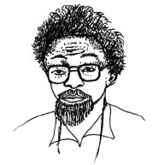
Wole Soyinka (born 1934), is a famous Nigerian poet and playwright. He was educated at the Government College in Ibadan, Nigeria and, later, at Leeds University, England, where he took a degree in English. He taught in the London schools and also worked in the Royal Court Theatre. He returned to Nigeria when he was about twenty-five.
He has been one of the leading figures in Nigerian theatre, writing a number of successful plays and also leading a theatrical company.
He is the first African to receive the Nobel Prize for literature (1986). His writings are known for their humour and satire.
Notice these expressions in the poem and guess their meaning from the context
rancid breath squelching tar
spectroscopic flight of fancy
rearing on the thunderclap brunette
peroxide blonde clinical assent
raven black
Understanding the Poem
1. State the central issue in the poem.
2. There are intervals of silence in the interaction between the landlady and the prospective tenant. What are the reasons for this?
3. How is colour highlighted in the poem and why? List all the words in the poem that suggest colour.
4. Which are the lines in the poem that impressed you the most and why?
5. You know what ‘hide-and-seek’ is. What would ‘hide-and-speak’ mean?
6. Certain words in the poem are in capital letters—why?
7. Why do you think that the poet has chosen the title ‘Telephone Conversation’? If you were to suggest another title for the poem, what would it be?
8. The power of poetry lies in suggestion and understatement. Discuss this with reference to the poem.
Try this Out
1. Enact the conversation bits with your partner.
2. Attempt a description of
a. the place from which the call was made
b. the lady at the other end
c. the speaker in the poem.
3. The poem evokes a mental picture of the scene. Draw a rough sketch to illustrate the episode.
4. The poem ends with ‘Wouldn’t you rather see for yourself?’. Imagine a personal encounter between the two people in the poem and write down the dialogue they might have had.
Suggested Reading
1. Idanre and other Poems (1967) by Wole Soyinka
2. Poems from Prison (1969) by Wole Soyinka.