vè;k; 4
vuqokn
Translation
- vuqokn dh Hkwfedk vkSj izklafxdrk
- vuqokn dh laHkkouk,¡
II. vuqokn osQ fofo/ :i
- vuqokn osQ vyx&vyx :iksa dk ,d laf{kIr ifjp;
I. Introducing Translation
- Role and Relevance of Translation
- Scope of Translation
II. Types of Translation
- Introduction to Different Types of Translation
vuqokn ls :&c&:
vuqokn djuk ,d l`tukRed izfØ;k gSA
1- Hkk"kk dks tkusa
- d{kk osQ rhu&pkj cPps viuh ekr`Hkk"kk] cksyh (fganh@vaxsz”kh osQ vfrfjDr) esa oqQN dgsaxsA
- d{kk osQ vU; cPps vuqeku ls crk,¡xs fd os D;k dg jgs gSaA
2- ckrphr dj tkusa
- vuqeku oSQls yxk;k\ (fdlh 'kCn ls@ gko&Hkko ls)
- vuqokn dh D;k vko';drk Fkh\
- dgk¡&dgk¡ vuqokn vfuok;Z gks tkrk gS\
3- ppkZ dhft,
- ^cgqHkkf"kdrk ,d lalk/u gS*A
dye #drh ugha ---
euq"; u'oj gSA fopkj Hkh {kf.kd gSaA ftl rjg fodkl osQ fy, ikS/s ¯lpkbZ ek¡xrs gSa] fopkj Hkh iSQyko ek¡xrs gSaA blds vHkko esa nksuksa gh eqj>kdj [kRe gks tk,¡axsA
& ckck lkgsc Hkhe jko vkacsMdj
(la?k"kZ thou vkSj O;fDrRo dh dlkSVh gSA ml dlkSVh ij [kjk mrjus okyk thou vkSj O;fDrRo ;fn uSfrdrk ls vkc¼ gks rks mldh ijkt; vlaHko gSA ;fn ijkt; gksxh Hkh rks {kf.kd ghA ,sls esa Mk- vkacsMdj (1891&1956) dk thou vkSj O;fDrRo gj dlkSVh osQ doZQ'k iRFkjksa ls gksdj xq”kjk gS vkSj og [kjk mrjdj vkSj Hkh fu[kjkA la?k"kZ gh buosQ thou dk i;kZ; cukA thou Hkj vU;k; rFkk vR;kpkjksa osQ fo#¼ la?k"kZ djrs jgsA os mu lHkh dh vkok”k cus tks de”kksj] vui<+] 'kksf"kr] mRihfM+r rFkk misf{kr FksA mudk eq[; y{; Fkk fd lHkh L=kh&iq#"kksa dks ekSfyd vkSj ekuoh; vfèkdkj feysa] D;ksafd lHkh lekurk] Lora=krk vkSj lkekftd U;k; osQ gdnkj gSaA os okLro esa vn~Hkqr ozQkafrdkjh] lPps ns'kHkDr vkSj mRo`Q"V ekuorkoknh FksA)
esjk lkjk ys[ku ckaXyk esa gS ij muosQ fganh vuqokn Nius osQ ckn gh eSa Hkkjrh; ysf[kdk cu ikbZA fganh esa fdrkcksa osQ Nirs gh eSa Hkkjr osQ dksus&dksus esa tkuh xbZA
&egk'osrk nsoh
izR;sd u;h Hkk"kk rqe esa u;h vkRek tksM+rh gSA
&psd dgkor
I. vuqokn – ,d laf{kIr ifjp;
'kk'or mRlqdrk] ftKklk ekuork dh lcls cM+h fo'ks"krk gSA nwljksa osQ ckjs esa tkuuk] mUgsa le>uk vkSj bl rjg nwljksa osQ ^nwljsiu* dks nwj dj nsukA ekuo bfrgkl yksxksa }kjk HkkSxksfyd] lkaLÑfrd lhekvksa dks yk¡?kus dh dgkfu;ksa ls Hkjk gSA O;kikjh] ;k=kh] rhFkZ;k=kh] fe'kujh] lSykuh ges'kk ,d txg ls nwljh txg tkrs jgs vkSj yksxksa ls laioZQ] laokn djrs jgsA vkSjksa dks tkuus vkSj laokn djus dk vFkZ gS – mudh Hkk"kk dks tkuuk] ml ekè;e dks tkuuk ftlesa os cksyrs] fy[krs vkSj viuh nqfu;k dh O;k[;k djrs gSaA vkSj ;gha vuqokn osQ lkSan;Z vkSj gekjs thou esas mlosQ egÙo dk vank”k yx tkrk gSA tSls gh ge nwljh Hkk"kk lh[krs gSa] nwljksa osQ lkFk fopkjksa & Hkkoukvksa dk vknku&iznku djrs gSa vkSj bu lkjs vuqHkoksa dks viuh Hkk"kk esa fy[krs gSa] O;Dr djrs gSa rHkh ,d l`tu'khy @ ldkjkRed izfØ;k dh 'kq#vkr gks tkrh gSA
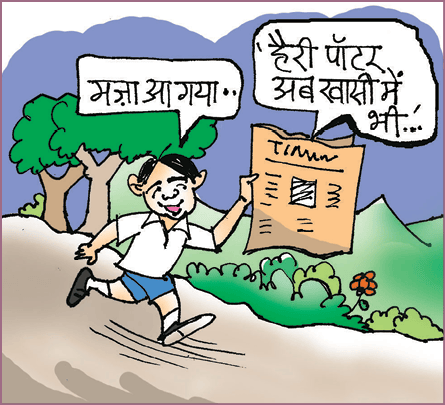
,d rjI+kQ gekjh nwfj;k¡ de gksus yxrh gSa] nwljh rjI+kQ gekjk nk;jk foLr`r gksus yxrk gSA vuqokn dh izfØ;k okLro esa gekjs nk;js dks c<+krh gS] ekuork dks laiUu djrh gS vkSj fofHkUu laLÑfr;ksa osQ chp laokn dk;e djrh gSA vuqokn dks gh bl ckr dk Js; tkrk gS fd vkt jktLFkku esa cSBk O;fDr lqczg~e.; Hkkjrh dks jktLFkkuh esa] fcgkj osQ ,d xk¡o dk fo|kFkhZ 'ksDlfi;j dks ¯gnh esa i<+rk gS] ,d izQkalhlh ;k teZu /eZ'kkL=k dk fo}ku @ nk'kZfud Hkkjrh; /eZ xzaFkksa dk vè;;u djrk gS ;k nksLrksOLdh] izQkat dkÝdk] dkyZ ekDlZ gekjs ?kjsyw ¯”knxh dk fgLlk cu tkrs gSaA D;k gksrk\ dYiuk dfj, fd vxj VkWyLVkW; flI+kZQ :l rd lhfer jg tkrs ;k johanzukFk BkoqQj flI+kZQ caxky rd! dgus dk eryc gS fd vuqokn dh lqanj ekuoh; izfØ;k osQ ”kfj;s ge vkSj Hkh laiUu] laosnu'khy vkSj l`tukRed cuus dh fn'kk esa vkxs c<+rs gSaA vuqokn osQ ”kfj;s ge ,d Hkk"kk dh ckr dks nwljh Hkk"kk esa mrkj nsrs gSa ;k ys tkrs gSaA ckr rks dekscs'k ogh jgrh gS] Hkk"kk cny tkrh gSA bl rjg vuqokn nks Hkk"kkvksasa dk [ksy gSA vuqokn djrs le; ge nks Hkk"kkvksasa dk iz;ksx ,d lkFk djrs gSaA
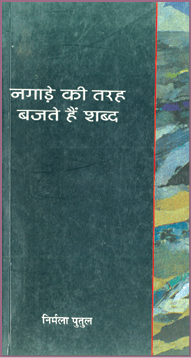
laFkkyh ls ¯gnh esa :ikarfjr o`Qfr
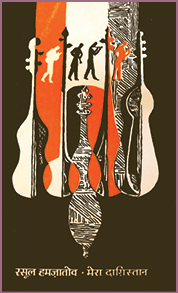
vuqokn okLro esa ^olqèkSo oqQVqacde~* dh Hkkouk dks pfjrkFkZ djrk gSA ;g gekjh Hkk"kk dk foLrkj djrk gS] Hkk"kk dh Hkafxek dks cnyrk gSA vkjafHkd dky ls vuqokn osQ ekè;e ls gh HkweaMyhdj.k dh izfozQ;k vkjaHk gqbZA NksVh ls NksVh Hkk"kk ;kuh tks Hkk"kk cgqr de yksxksa }kjk cksyh tkrh gS] ml Hkk"kk dh fdlh o`Qfr dk vuqokn tc nqfu;k dh vusd cM+h Hkk"kkvksasa esa gksrk gS ;kuh mu Hkk"kkvksa esa tks cM+h la[;k esa yksx cksyrs gSa rks LokHkkfod :i ls ekuo lekt dk turka=khdj.k gksrk gSA tSls cgqr de yksxksa }kjk cksyh tkus okyh vckj Hkk"kk dh o`Qfr esjk nkfxLrku] (jlwy ge”kkrkso) ftlosQ ikBd nqfu;k Hkj osQ yksx gSaA blh rjg Hkkjr esa laFkkyh Hkk"kk dh dksbZ o`Qfr tc iwjs ns'k esa vuwfnr gksrh gS rks blls cM+s Lrj ij turka=khdj.k gksrk gSA
vuqokn D;k gS
vuqokn dk vFkZ ,d Hkk"kk osQ dF; dks (fdlh Hkk"kk esa dfFkr ;k fyf[kr dks) fdlh nwljh Hkk"kk esa dguk ;k fy[kuk gksrk gSA igyh Hkk"kk dks ewy Hkk"kk vkSj nwljh dks y{; Hkk"kk dgrs gSaA ;s nksuksa 'kCn vaxzsth osQ Source Language vkSj Target Language osQ vuqokn gh gaSA vuqokn osQ fy, r”kqZek] :ikarj vkSj Hkk"kkarj 'kCn Hkh izpfyr gSaSA fdlh ,d Hkk"kk dh ewy jpuk dks osQoy vU; fyfi esa izLrqr dj nsus dks fyI;karj.k dgrs gSaA dUuM osQ lar dfo olos'oj dh iafDr;ksa dk fyI;karj.k vkSj mlosQ rhu Hkk"kkbZ vuqokn dks nsf[k, –
mG~Go: f'koky;o ekMqo#
ukusuq ekMqos\ cuouÕ;k
,sÂkdkysdEHk] nsgos nsxqy
flj gksUu dGloÕ;k
oqQMy laxenso] osQGÕ;k%
LFkkoj DdfGoqaMq
taxe DdfGfoYyk
(fyI;karj.k)

Make a list of 4-5 translated texts from your mother tongue that you have read or are familiar with. Compile these for your portfolio. Now share it with the class to make a comprehensive list.
/fudks cka/'ks f'koky;ksa]
gq 'kqa ca/koq\ xjhc ek.kl
ix ekjk LraHkks Ns]
nsg ek:¡ nsoG Ns]
ekFkqa eafnj uks DG'k Ns
oqQMy laxenso lkaHkGks_
LFkkojuks uk'k Fk'ks]
taxe rks v{k; jgs'ks
(xqtjkrh vuqokn)
(/uoku cuok,¡xs f'kokys
eSa D;k cuokm¡Q\ eSa Bgjk xjhc!
iSj esjs LraHk gSa]
vkSj nsg gS] esjh nsoy
flj eafnj dk dy'k gS
oqQMy laxenso lquks
gksxk LFkkoj dk {k;
vkSj taxe jgsxk v{k;A)
(¯gnh vuqokn)
The Rich
Will make temples of Shiva
What shall I
A poor man
do?
My legs are pillars,
The body the shrine,
The head a cupola
of Gold.
Listen,
O Lord of the meeting rivers,
things standing shall fall,
but the moving
ever shall stay.
(vaxzs”kh vuqokn)
–lkHkkj % nsoksa dh ?kkVh] HkksykHkkbZ iVsy
vuqokn dh Hkwfedk vkSj izklafxdrk
vkt dh nqfu;k esa vuqokn dh ek¡x vkSj ”k:jr nksuksa c<+ xbZ gSaA ;g ek¡x c<+h gS rks blhfy, fd nqfu;k osQ fofHkUu ns'k&izns'k m|ksx&O;kikj vkSj i;ZVu osQ ekeys esa cgqr djhc vk x, gSa vkSj ,d Hkk"kk ls nwljh Hkk"kk esa viuh ckr igq¡pkus dk ”kfj;k ^vuqokn dk;Z* gh rks gSA tc phuh&tkikuh ph”kksa dh fcØh fo'o&ck”kkj esa gksrh gS rks mu ph”kksa osQ jSilZ vkSj iSosQV~l ij vaxzs”kh vkSj nqfu;k dh vU; Hkk"kkvksasa esa mlh ph”k dk uke] ewY; vkSj mlosQ iSd djus dh frfFk vkfn fy[kh gksrh gSA blh rjg tc dksbZ phuh & tkikuh & brkyoh & teZu & izQkalhlh i;ZVd nqfu;k osQ fdlh ns'k osQ Hkze.k osQ fy, fudyrk gS rks cl vius lkFk ,d xkbMcqd j[krk gS tks mldh viuh Hkk"kk esa gksrh gSA og xkbMcqd igys fdlh ,d Hkk"kk esa fy[kh gksrh gSA eku yhft, vaxzs”kh esa] fiQj mlh xkbMcqd dk vuqokn teZu] izQkalhlh] Lisfu'k] phuh] tkikuh vkfn esa dj fy;k tkrk gSA ,d vkSj mnkgj.k ysa] tc dksbZ cM+h oaQiuh vkt vius czkaM dk foKkiu djrh gS] rks og foKkiu Hkh igys rks ,d gh Hkk"kk esa rS;kj fd;k tkrk gS] fiQj nwljh Hkk"kkvksasa esa mlh osQ vk/kj ij foKkiu rS;kj fd;k tkrk gS] ;g Hkh ,d izdkj dk vuqokn gh gSA Vh-oh- osQ ijns ij ;k v[kckj osQ iUuksa ij ge ,d gh foKkiu dks ¯gnh ls ckaXyk ;k ¯gnh ls rfey esa vuqokn fd;k gqvk ikrs gSaA vkSj ;g rks vkidks irk gh gS fd dksbZ fof'k"V ys[kd ;k i=kdkj vkt viuk dkWye (LraHk) fdlh ,d Hkk"kk esa fy[krk gS] eku yhft, vaxzs”kh esa gh] rks ogh dkWye Hkkjr dh dbZ Hkk"kkvksasa esa vuqokn osQ ”kfj;s Nirk gSA bls ¯lMhosQVsM dkWye (LraHk) dgrs gSaA bl izdkj] vuqokn dh ”k:jr dbZ :iksa esa dbZ izdkj ls gSA
ns[ksa xfrfof/@ Activity 28 i`"B 193
vuqokn vkSj vuqoknd
vuqokn djus osQ fy, ,d ls vf/d Hkk"kkvksasa esa leku Kku ”k:jh gSA de ls de nks Hkk"kk,¡ rks vPNh rjg ls vuqokn djus okys dks vkuh gh pkfg,A elyu] vxj dksbZ vuqoknd vaxzs”kh] ckaXyk vkSj ¯gnh ;s rhu Hkk"kk,¡ vPNh rjg tkurk gS] rks og ”k:jr iM+us ij rhuksa Hkk"kkvksasa ls vuqokn dj losQxk – vaxzs”kh ls ckaXyk esa vkSj vaxzs”kh ls ¯gnh esaA blh rjg og ckaXyk ls vaxzs”kh ;k ¯gnh esa vkSj ¯gnh ls ckaXyk vkSj vaxzs”kh esa vuqokn dj losQxkA ysfdu de ls de nks Hkk"kk,¡ rks vkuh gh pkfg,] rHkh vuqokn dk;Z gks losQxkA vxj fdlh dks ¯gnh vkSj vaxzs”kh vkrh gS rks og ¯gnh ls vaxzs”kh esa vkSj vaxzs”kh ls ¯gnh esa vuqokn dk dk;Z dj losQxkA ;gha ;g tku ysuk ”k:jh gS fd lzksr Hkk"kk osQ lkFk gh y{; Hkk"kk dk vPNk Kku vuqokn osQ fy, ”k:jh gksxkA lkFk gh Hkkjrh; Hkk"kkvksasa osQ lkFk&lkFk vaxzsth dh tkudkjh Hkh ennxkj gksxh D;ksafd fo'o&Hkj osQ ck”kkjksa esa fofHkUu czkaM okyh ph”kksa osQ uke vkt vaxzs”kh esa ;kuh ftls jkseu fyfi dgrs gaS mlesa vfuok;Z :i ls fy[ks jgrs gSaA ml czkaM ls lacaf/r ”k:jh tkudkjh Hkh vaxzs”kh esa gksrh gSA
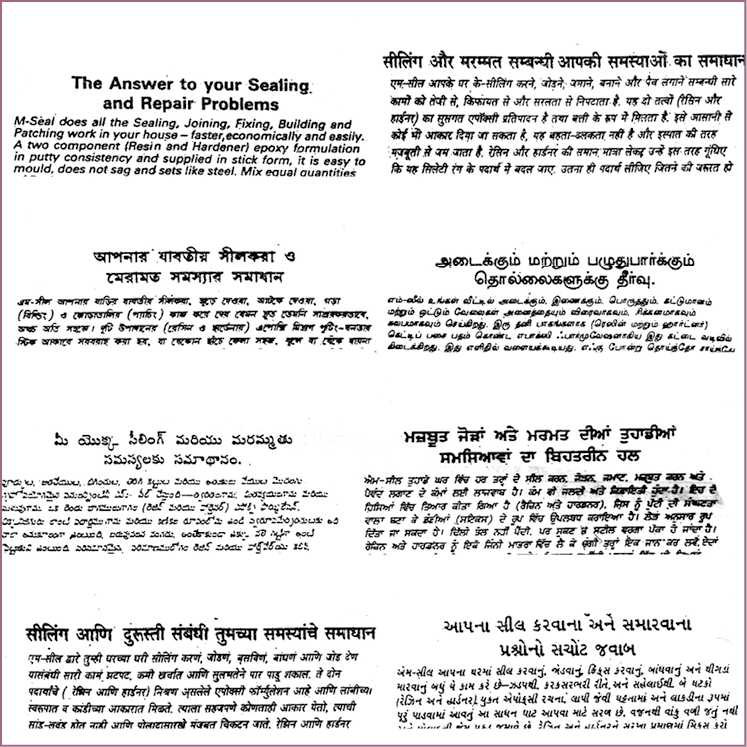
;gk¡ bl ckr dks le> ysuk csgrj jgsxk fd vuqokn ,d cgqr gh vklku lh izfØ;k Hkh ugha gSA ;g flI+kZQ ,d ;kaf=kd ;k rduhdh izfØ;k Hkh ughaA ;g ,d ,slh Hkk"kkbZ n{krk ek=k Hkh ugha ftlesa 'kCn&dks'kksa dh enn ls ,d Hkk"kk osQ 'kCnksa dks nwljh Hkk"kk esa ifj.kr dj nsuk gh dkI+kQh gksA nwljs 'kCnksa esa] vuqokn osQ fy, vfèkd ls vf/d laosnu'khyrk vkSj lekuqHkwfr dh vko';drk gksrh gSA ,d vPNk vuqokn okLro esa ,d vPNh vfHkO;fDr gSA vfr'k;ksfDr ugha gksxh vxj ge dgsa fd ftl O;fDr dh jpuk dk vuqokn fd;k tk jgk gS] okLro esa vuqoknd dk mlosQ lkFk ,d vkarfjd laca/ cu tkrk gSA vkt fnuksfnu bl leL;k osQ izfr ge laosnu'khy gksrs tk jgs gSa fd vuqokn djus osQ njE;ku D;k ge okLro esa vkarfjd laca/ @ laokn dj ldrs gSa ;k ugha vFkkZr~ nwljksa osQ thou osQ lw{e vuqHkoksa ;k lkaLÑfrd #fp;ksa ij izdk'k dj ikrs gSa ;k ughaA ;gk¡ dgus dk mís'; ;g gS fd gesa bl pqukSrh osQ izfr ltx jguk pkfg,A e”ks dh ckr ;g gS fd tc ge 'kq¼ :i ls foKku @ rduhdh fo"k;ksa @ O;kikj laca/h nLrkos”kksa dk vuqokn dj jgs gksrs gSa rks bldh vis{kk,¡ nwljh gksrh gSa ;kuh lkoèkkuh osQ lkFk rF;ksa dks y{; Hkk"kk esa igq¡pkukA ij lkfgR;] egkdkO; ;k n'kZu vkfn dk vuqokn djrs gq, mlls cgqr oqQN vyx vis{kk,¡ gksaxhA
nqHkkf"k;k vkSj vuqokn
vuqokn dk;Z dk ,d vkSj igyw gS – baVjizsV djus dkA vkius ns[kk gksxk fd fdlh lHkk esa dksbZ oDrk fdlh ,d Hkk"kk esa cksy jgk gksrk gS vkSj lkFk gh lkFk dksbZ nwljk O;fDr mldh ckrksa dk ^vuqokn* djrk pyrk gSA tks ;g vuqokn dj jgk gksrk gS mls nqHkkf"k;k (baVjizsVj) dgrs gSaA nqHkkf"k;k vuqokn dk og dke Hkh dj ldrk gS tks fyf[kr :i ls vuqokn dk gks ;kuh og cksydj vuqokn djus osQ lkFk] pkgus ij vkSj oSlh ;ksX;rk gksus ij] fdlh Hkk"kk ls nwljh Hkk"kk esa fdlh fdrkc] fVIi.kh] ys[k] Hkk"k.k] [kcj vkfn dk Hkh vuqokn dj ldrk gSA ij] ,sls nqHkkf"k, Hkh gksrs gSa tks osQoy cksydj gh vuqokn dj ikrs gSa vkSj fdlh fdrkc ;k ys[k osQ vuqokn dk dke gkFk esa ugha ysrs gSaA D;ksafd tks vuqokn Nirk gS ;k bZ&esy osQ ”kfj;s vU;=k Hkh Hkstk tkrk gS ;k iQksVksdkWih djkosQ forfjr fd;k tkrk gS] mldk fyf[kr :i rS;kj dj ikuk nksuksa Hkk"kkvksasa osQ vPNs Kku osQ fcuk laHko ugha gksrk gSA blhfy, vPNk vuqoknd mls gh ekuk tkrk gS tks nksuksa Hkk"kkvksasa osQ lekt esa vkSj lkfgR; esa tkus dk Hkh Kku j[krk gksA
,d ekewyh lk ¯gnh okD; gh ysa – eq>s ogk¡ tkus dh ”k:jr ugha gSA ge vaxzs”kh esa dgsaxs – vkbZ uhM ukWV xks nsvjA ij] pkgs ¯gnh ls vaxzs”kh esa vuqokn dj jgs gksa ;k vaxzs”kh ls ¯gnh esa] lanHkZ osQ fglkc ls ;kuh bl fglkc ls fd fdl ekSosQ ij ;g ckr dgh tk jgh gS] okD; dk 'kCn&Øe cnyk tk ldrk gSA eku yhft,] ;g okD; vaxzs”kh esa fy[ks gq, ukVd dk ,d ik=k laokn osQ :i esa dg jgk gS vkSj ftlls dg jgk gS mlls oqQN >q¡>ykgV ;k xqLls esa ;g ckr dg jgk gS] rks ;gh okD; oqQN bl izdkj dk Hkh gks ldrk gS – ”k:jr ugha gS eq>s ogk¡ tkus dhA vuqokn esa lanHkZ tkuus dh] volj tkuus dh cM+h ”k:jr gksrh gS vkSj ;g tkuus dh Hkh fd vuqokn esa dkSu&ls 'kCn vf/d LokHkkfod yxsaxsA eku yhft,] dksbZ vkbZ uhM ukWV xks nsvj (I need not go there) dk vuqokn bl izdkj djrk gS – eq>s ogk¡ tkus dh vko';drk ugha gS ;k ;g vko';d ugha gS fd eSa ogk¡ tkm¡Q] rks ;g xyr ugha gksxk] cfYd gks ldrk gS fdlh lanHkZ esa ;g vf/d Bhd yxsA elyu] vxj ,d laLÑr f'k{kd ;g laokn fdlh ukVd esa ;k vU;=k dj jgk gks] rks ogk¡ ;gh vfèkd LokHkkfod yxsxk fd og dgs fd eq>s ogk¡ tkus dh vko';drk ugha gSA ij dgha ij nks O;fDr vkil esa jks”kejkZ dh ckrsa dj jgs gksa] rks ;gh fy[kuk ”;knk Bhd jgsxk fd eq>s ogk¡ tkus dh ”k:jr ugha gSA ,sls gh <sjksa mnkgj.k ge Lo;a [kkst ldrs gSaA elyu ^iq"i* 'kCn dks ysaA ge tkurs gSa fd ^iq"i* iwQy dk i;kZ;okph gS ;k iq"i dk i;kZ;okph gS iwQyA oqQN vU; i;kZ;okph Hkh gSa blosQ] tSls ^oqQlqe*A ;fn gesa vaxsz”kh dk ,d okD; fdlh ukVd] dgkuh] O;k[;ku ;k Hkk"k.k ls vuqokn djus osQ fy, fn;k x;k gS vkSj og okD; ;g gS – gh ok”k fxosu v okeZ osYde ,aM ok”k izstasaVsM fon v cqosQ vkWiQ ÝykolZ (He was given a warm welcome and was presented with a bouquet of flowers)] rks ;g ns[kuk gksxk fd fdldk Lokxr fd;k x;k gS vkSj dcA rFkk ekSosQ osQ vuqlkj] vkt osQ lekt esa ^cqosQ vkWiQ ÝykolZ* osQ fy, D;k fy[kuk Bhd jgsxk\
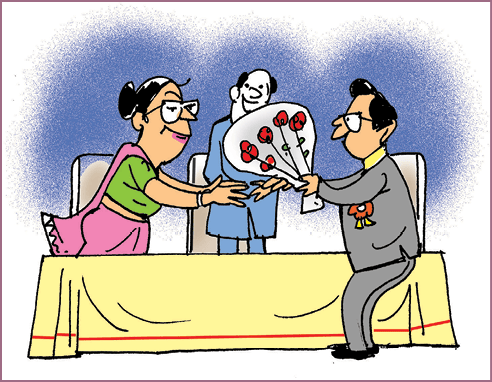
eku yhft, dksbZ fy[ks mudk ”kksjnkj Lokxr fd;k x;k vkSj mUgsa iq"i&xqPN ;k oqQlqe&xqPN HksaV fd;k x;k rks ;g vLokHkkfod yxsxk D;ksafd ;gk¡ ckr flI+kZQ ^Ýykoj* osQ vuqokn dh ugha gS ^cqosQ vkWiQ ÝykolZ* dh gS vkSj ;gk¡ ^ÝykolZ* dk vuqokn ^iq"i* ;k ^oqQlqe* u djosQ] ge ;gh fy[kuk pkgsaxs – mudk ”kksjnkj Lokxr fd;k x;k vkSj mUgsa iwQyksa dk ,d xqynLrk HksaV fd;k x;k ;k flI+kZZQ ;gh fd mUgsa iwQy HksaV fd, x,A bldk eryc ;g ugha fd ^iq"i* vkSj ^oqQlqe* dk mi;ksx ge dgha djsaxs gh ugha] og ge ”k:jr osQ vuqlkj djsaxsA elyu ^Ýykoj dEihVh'ku* dks ^iq"i&izfr;ksfxrk* fy[kuk Bhd jgsxk] ^iwQy&izfr;ksfxrk* ughaA ;gh ckr ge ^fpfM+;k*] ^i[ks:*] ^iaNh*] ^i{kh* vkfn 'kCnksa osQ lkFk Hkh ik,¡xsA vxj ^fpfM+;k* osQ ikuh esa rSjus dk lanHkZ gks rks ^iaNh* ;k ^i{kh* fy[kuk Bhd jgsxk] ^i[ks:* ughaA lanHkZ ;fn vkleku dk gks rks ge i[ks: Hkh fy[k ldrs gSa – nks i[ks: vkleku esa mM+ jgs FksA vuqokn djrs le; gh ge viuh Hkk"kk esa xgjs mrjrs gSa vkSj ekSosQ osQ vuqlkj dbZ 'kCnksa esa ls fdlh ,d 'kCn dks pqurs gSaA blfy, vuqokn ,d ”k:jh gh ugha] fnypLi dke Hkh gSA
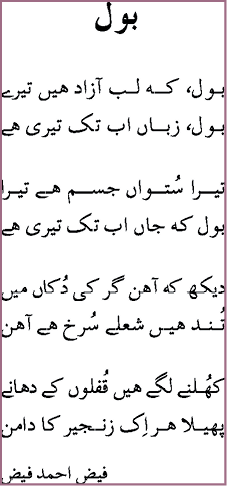
Speak, for your lips are free;
Speak, your tongue is still yours,
Your upright body is yours—
Speak, your life is still yours.
cksy osQ yc vk”kkn gSa rsjs_
cksy] ”kck¡ vc rd rsjh gS]
rsjk lqrok¡ ftLe gS rsjk –
cksy] osQ tk¡ vc rd rsjh gSA
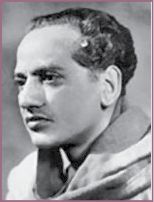
–I+kSQ”k vgen I+kSQ”k
gj jks”k vuqokn
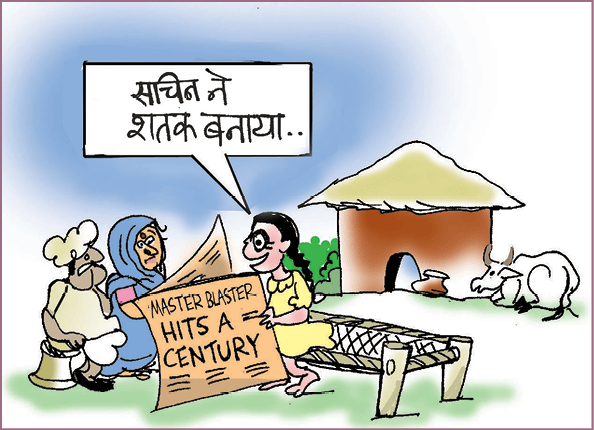
;g dke rc vkSj fnypLi gks mBrk gS tc ge ikrs gSa fd ge gj jks”k tkus&vutkus dbZ rjg osQ vuqokn djrs gSaA vxj ge è;ku nsa rks ik,¡xs fd jks”k&jks”k osQ bu vuqoknksa esa ge dbZ fnypLi iz;ksx djrs gSaA vuqokn osQ ”kfj;s fdlh ckr dks nwljs rd vPNh rjg igq¡pkuk pkgrs gSaA eku yhft,] vkius v[kckj esa i<+k gS ;k Vh-oh- LØhu ij ns[kk&lquk gS fd ekLVj CykLVj fgV~l v lsapqjh vkSj ftlus 'kk;n u rks v[kckj i<+k gS] u Vh-oh- ns[kk gS] og vkils iwNrk gS fd HkkbZ] eSp esa fdlus fdrus ju cuk, gSa\ lcls igys vki dgrs gSa – lfpu us lsapqjh cukbZA ;gk¡ vkidks irk gS fd ^ekLVj CykLVj* rks lfpu dks gh dgrs gSa ;k fiQj mls ^fyfVy ekLVj* dgrs gSaA rks tgk¡ fØosQV osQ lanHkZ esa ^ekLVj CykLVj* ;k ^fyfVy ekLVj* 'kCn vkrs gSa] mudh txg vki Lo;a ^lfpu rsanqydj* dk uke j[k nsrs gSaA
,d vkSj mnkgj.k ysa] tc ge fdlh IysViQkWeZ ij Vªsu dh izrh{kk dj jgs gksrs gSa vkSj ;g ,ukmalesaV lqurs gSa fd eqacbZ jkt/kuh b”k j¯ux ysV ckbZ Vw vkolZA rHkh dksbZ ,slk O;fDr ftlus ;k rks ,ukmalesaV dks Bhd ls lquk ugha gS ;k mls mruh vaxzs”kh ugha vkrh gS fd og ,ukmalesaV dk vk'k; Bhd ls le> losQ] vkils iwN cSBrk gS fd eqacbZ jktèkkuh dc vk,xh] rks vki dg mBrs gSa–eqacbZ jkt/kuh nks ?kaVk ysV gS ;k nks ?kaVs ckn vk,xhA ;g Hkh nsf[k, fd vktdy ge fdruh rjg ls vuqokn ns[krs&lqurs Hkh jgrs gSaA ¯gnh esa ;g lwpuk izlkfjr gks jgh gksxh fd eqacbZ jkt/kuh nks ?kaVs dh nsjh ls py jgh gSA fiQj vki blh dk vuqokn lqurs gSaA eqacbZ jkt/kuh b”k j¯ux ysV ckbZ Vw vkolZA dbZ LVs'kuksa ij rks ,ukmalesaV rhu Hkk"kkvksasa esa lqukbZ iM+rk gS_ tSls– gkoM+k esa ¯gnh] ckaXyk] vaxzs”kh esaA
dHkh tc vki pSuy cny jgs gksrs gSa] rks fdlh U;w”k pSuy ij vki vaxzs”kh esa gsMykbal ns[krs&lqurs gSa] fiQj mlh pSuy osQ ¯gnh U;w”k cqysfVu essa gsMykbal dk vuqokn ns[krs&lqurs gSaA nks Hkk"kkvksasa osQ chp ;g vkoktkgh vc vke ckr gSA vxj dksbZ vkils dgs fd n jksM b”k Dyks”M iQkWj fjis;j dk vuqokn dj nhft,] rks vki rRdky dj nsaxs fd lM+d ejEer osQ fy, can gS] D;ksafd vki nksuksa Hkk"kkvksasa esa ;g lwpuk dbZ ckj] dbZ txg i<+ pqosQ gksrs gSaA vkt ge ?kj&ck”kkj esa Hkh dbZ ckj] dbZ rjg ls vuqokn dj jgs gksrs gSaA eku yhft,] vki fdlh lqcg vius ?kj dh ikl okyh ekosZQV esa ,d cSuj ns[krs gSa feBkl – v LohV 'kkWi b”k 'kkWVZyh vksifuax bu ;qvj ,fj;kA rks ?kj vkdj vki ¯gnh esa crkrs gSa – vjs] tYnh gh gekjs bykosQ esa ^feBkl* uke dh ,d feBkbZ dh nqdku [kqyus okyh gSA ;g vuqokn vki ¯gnh esa blhfy, djrs gSa D;ksafd vki ?kj ij ¯gnh esa gh cksyrs gSaA vxj ml ekosZQV esa feBkbZ dh nqdku igys ls ekStwn gks rks vki ;g dgrs gSa – vjs] tYnh gh gekjs bykosQ esa ^feBkl* uke ls feBkbZ dh ,d vkSj nqdku [kqy jgh gSA ;gk¡ ^vkSj* 'kCn vkius blhfy, tksM+k gS fd vkidks vkSj ?kjokyksa dks igys ls gh ;g irk gS fd feBkbZ dh nqdku rks ck”kkj esa igys ls gh gS] vc ,d ^vkSj* [kqyus tk jgh gSA
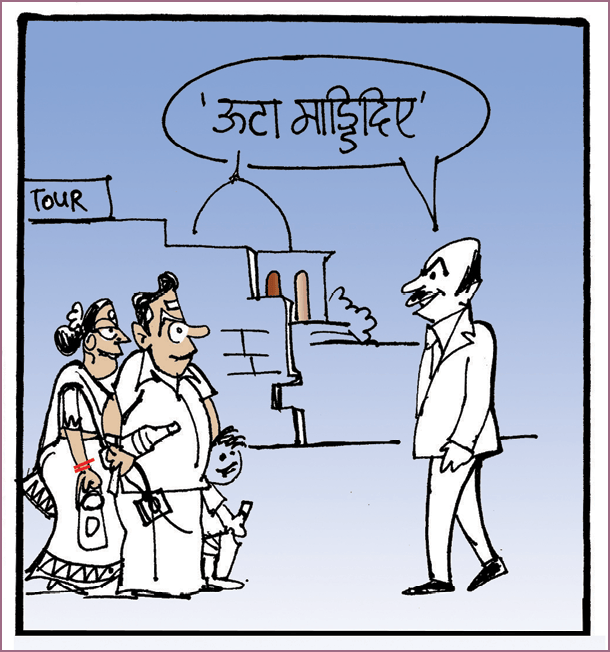
vki ftl d{kk esa gksaxs mlesa laHko gS ckaXyk] dUuM ;k ey;kye Hkk"kh Nk=k Hkh gkas vkSj muls dHkh&dHkkj e”ks&e”ks esa vki oqQN iwNrs gksa fd –HkbZ] veqd ckr dks dUuM esa oSQls dgsaxs\ eku yhft, blh ckr dks fd vkius Hkkstu dj fy;k gS] rks og dgsxk mQVk ekfafn,A vc vki tc pkgsaxs fdlh dUuM Hkk"kh ls ;g iwN losaQxs ^mQVk ekfafn,* vkSj vxj fdlh dUuM+ Hkk"kh ls ;g iwNuk gks fd vkidk uke D;k gS rks vki dgsaxs fuEek gsl: ,suA bl rjg vuqokn ls Hkh ge fdlh nwljh Hkk"kk osQ njok”ks vius fy, [kksy ikrs gSaA igys /hjs&/hjs vkSj fiQj rs”k xfr ls] tc og Hkk"kk geus Bhd ls lh[k yh gksrh gSA
(ns[ksa xfrfof/@ Activity 29 i`"B 195)
II. vuqokn osQ fofoèk :i
vc rd vki le> gh x, gksaxs fd vuqokn dbZ rjg dk gksrk gS ;k dgsa dbZ rjg ls fd;k tkrk gSA gj rjg dk vuqokn rS;kjh dh ek¡x djrk gSA
lkfgR;
elyu vxj fdlh Hkk"kk osQ lkfgR; ls vki vuqokn dj jgs gSa] tSls fdlh dfork] dgkuh] ys[k] miU;kl] ukVd vkfn dk] rks flI+kZQ og Hkk"kk tkuuk i;kZIr ugha gSA vkidks ml Hkk"kk osQ lkfgR; dh Hkh oqQN tkudkjh gksuh pkfg,] ugha rks vuqokn vPNk ugha gksxkA ckaXyk osQ nks cM+s dfo;ksa johanzukFk BkoqQj vkSj thoukuan nkl dks gh yhft,A nksuksa us ckaXyk esa Hkh fy[kk gSA ij ckaXyk esa nksuksa dk 'kCn&p;u] okD;&foU;kl vkfn fHkUu gSaA nksuksa osQ dkO;&fo"k; Hkh dbZ ckj cgqr vyx rjg osQ gSaA nksuksa dh dfork dk laxhr vkSj èofu;k¡ Hkh fHkUu gSaA gedks vxj bu nksuksa dh dfork dk vuqokn djuk gks ;k fdlh ,d dk Hkh] rks ckaXyk Hkk"kk osQ lkfgR; vkSj Hkk"kk osQ fofHkUu :iksa dk Kku gksuk ”k:jh gSA
Where the mind is without fear and the head is held high;
Where knowledge is free;
Where the world has not been broken up into fragments
by narrow domestic walls;
Where words come out from the depth of truth;
Where tireless striving stretches its arms
towards perfection;
Where the clear stream of reason has not lost its way
into the dreary desert sand of dead habit;
Where the mind is led forward by thee into ever widening
thought and action —
Into that heaven of freedom, my Father,
let my country awake.
– Gitanjali, Rabindranath Tagore
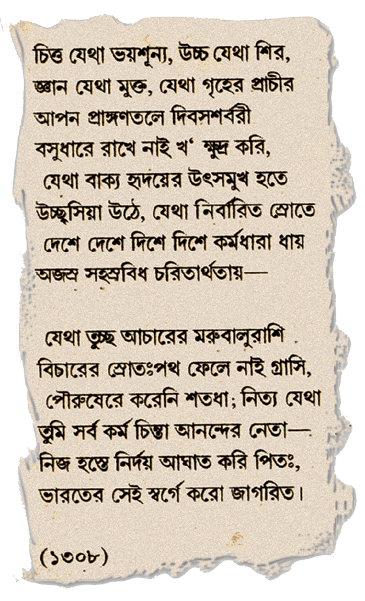
gks fpÙk tgk¡ Hk;'kwU;] ekFk gks mUur]
gks Kku tgk¡ ij eqDr] [kqyk ;g tx gks –
?kj dh nhokjsa cusa u dksbZ dkjk]
gks tgk¡ lR; gh lzksr lHkh 'kCnksa dk]
gks yxu Bhd ls gh lcoqQN djus dh]
gksa ugha :f<+;k¡ jprha dksbZ e#LFky –
ik, u lw[kus bl foosd dh èkkjkA
gks lnk fopkjksa&deks± dh xfr iQyrh]
ckrsa gksa lkjh lksph vkSj fopkjh]
gs firk! eqDr og LoxZ jpkvks geesa]
cl] mlh LoxZ esa tkxs ns'k gekjkA
(vuqoknd % iz;kx 'kqDy)
tgk¡ ân; Hk;jfgr gks vkSj eLrd xkSjo ls m¡Qpk mBk gqvk gksA
tgk¡ Kku dk ekxZ fuckZ/ gksA
tgk¡ x`gksa dh ladh.kZ nhokjksa }kjk lalkj VqdM+ksa esa foHkkftr u gksA
tgk¡ 'kCn lR; gh xgjkbZ ls fu%l`r gksrs gksaA
tgk¡ vFkd iz;kl iw.kZrk dh vksj ys tkrk gksA
tgk¡ foosd dh LoPN ty/kjk oqQlaLdkj ls 'kq"d e#LFky esa tkdj u lw[k xbZ gksA
tgk¡ eu rsjs ekxZn'kZu esa lrr fodklksUeq[k osQ 'kq"d e#LFky dh vksj vxzlj gksA
esjs izHkq! ,sls fnO; Lok/hu ls ifjiw.kZ okrkoj.k esa esjk ns'k tkxzr gks!
(vuqoknd % jek frokjh)
tgk¡ fpÙk Hk; 'kwU;] tgk¡ flj mUur
Kku eqDr_ izkphj x`gksa osQ] v{kr
olq/k dk tgk¡ u djosQ [kaM&foHkktu
fnu&jkr cukrs NksVs&NksVs vk¡xu_
izfr ân;&mRl ls okD; mPN~oflr gksrs
gksa tgk¡] tgk¡ fd vtlz deZ osQ lksrs
vO;kgr fn'kk&fn'kk] ns'k&ns'k cgrs
pfjrkFkZ lglzksa&fo/ gksrs jgrs_
/kjkiFk dks u fopkjksa osQ] xzl ysrh gks&
tgk¡ rqPN vkpkjksa dh e#&jsrh_
'kr/k u tgk¡ iq#"kkFkZ_ tgk¡ ij lrr~
lc deZ&Hkko vkuan] rqEgkjs vuqxr_
gs firk] mlh LoyksZd* esa djks tkxzr]
fut&dj funZ; Bksdj nsdj] ;g Hkkjr!
(vuqoknd % ;qxthr uoyiqjh)
rhuksa vuqoknksa dks è;ku ls if<+,A gks losQ rks ckaXyk dks Hkh nsf[k, vkSj vius caxkyh fe=kksa ls iwNdj mldk nsoukxjh esa fyI;karj.k dhft,A ;g Hkh nsf[k, fd ¯gnh vkSj vaxzs”kh esa dgk¡ rd Bhd <ax ls èofu] Hkk"kk vkSj dF; dh j{kk djrs gq, vuqokn gks ik;k gSA ik¡p&ik¡p osQ lewg esa d{kk esa ppkZ djsa fd dkSu&lk vuqokn vf/d le> esa vkrk gS vkSj D;ksa\
uhps ,d miU;kl&va'k fn;k tk jgk gS tgk¡ ckfj'k osQ ekSle esa xk¡o dh cnyh gqbZ gjdr djrh rlohj dks ys[kd us ckjhdh ls ns[kk gS–
It was raining when Rahel came back to Ayemenem. Slanting silver ropes slammed into loose earth, ploughing it up like gunfire. The old house on the hill wore its steep, gabled roof pulled over its ears like a low hat. The walls, streaked with moss, had grown soft, and bulged a little with dampness that seeped up from the ground. The wild, overgrown garden was full of the whisper and scurry of small lives. In the undergrowth, a rat snake rubbed itself against a glistening stone. Hopeful yellow bullfrogs cruised the scummy pond for mates. A drenched mongoose flashed across the leaf-strewn driveway.
—God of small things, Arundhati Roy
o"kkZZ gks jgh Fkh tc jkgsy vk;eue ykSVhA frjNh] #igyh jfLl;k¡ dPph fe^h dks xksfy;ksa dh ckSNkj dh rjg [kw¡nrh gqb± ml ij cjl jgh FkhaA igkM+h ij cus iqjkus ?kj us viuh <yok¡] frdksuh Nr fdlh uhph Vksih dh rjg dkuksa dks <¡drs gq, igu j[kh FkhA nhokjsa] ftu ij dkbZ dh /kfj;k¡ Fkha] uje gks xbZ Fkha vkSj ”kehu ls mQij dks p<+us okyh lhyu ls oqQN&oqQN iwQy vkbZ FkhaA taxy cuh csrjrhc cfx;k uUgs&uUgs thoksa dh [kqliqQl vkSj nkSM+&Hkkx ls Hkjh gqbZ FkhA >kfM+;ksa esa nqcdk ,d èkkeu viuh nsg ,d pedrs gq, iRFkj ls jxM+ jgk FkkA ihys] iz.k;kdka{kh esa<d dkbZ&Hkjs iks[kj esa lafx;ksa dh ryk'k djrs] rSjrs fiQj jgs FksA ,d Hkhxk usoyk edku dks tkus okys] iÙkksa ls vVs] jkLrs ij dkSaèkrk gqvk fudy x;kA
–ekewyh ph”kksa dk nsork] vuqoknd % uhykHk
(D;k vki crk ldrs gSa fd ¯gnh va'k esa ewy Hkk"kk dh jokuxh dgk¡ rd O;Dr gks ikbZ gS\)
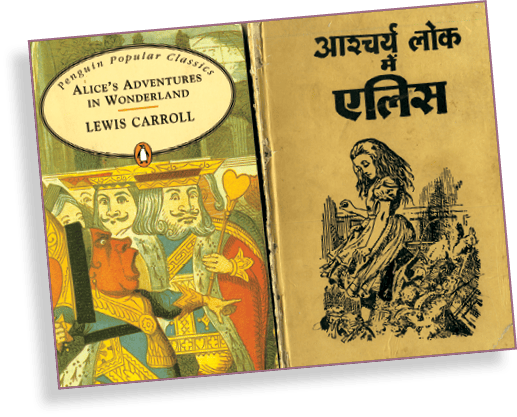
cgqpfpZr fdrkc ^,fyl bu oaMjySaM* dh tknqbZ nqfu;k dks jpus esa Hkk"kk dh tknwxjh dh cM+h Hkwfedk jgh gSA mnkgj.k osQ fy, –
Once more she found herself in a long hall, and close to the little glass table. “ Now I'll manage better this time,” she said to herself, and began by taking the little golden key, and unlocking the door that led into the garden. Then she set to work nibbling at the mushroom (she had kept a piece of it in her pocket) till she was about a foot high: then she walked down the little passage — then she found herself at last in a beautiful garden, among the bright flower-beds and the cool fountains.
,d ckj fiQj mlus vius vkidks ,d yacs&ls gkWy esa 'kh'ks dh ,d NksVh&lh es”k osQ ikl [kM+s ik;kA ¶vcdh ckj eSa dksbZ xyrh ugha d:¡xh]¸ mlus vius vki ls dgkA mlus lksus dh pkch mBkdj og njok”kk [kksy fn;k ftlesa ls xq”kjdj ckx rd igq¡pk tk ldrk FkkA rc mlus oqQoqQjeqÙks dks oqQrjuk 'kq: dj fn;k (mlus ,d VqdM+k viuh tsc esa cpk j[kk Fkk) vkSj tc mldk dn ,d iqQV gks x;k rks og ml NksVs&ls jkLrs ij pyrh gqbZ ml lqanj ckx esa igq¡p xbZ – jax&fcjaxs iwQyksa dh D;kfj;ksa vkSj BaMs iQOokjksa okys ckx esaA
–,fyl vtwcksa dh nqfu;k esa] vuqoknd – o`Q".k cynso oSn
ogk¡ mlus vius vkidks mlh gky osQ vanj ik;k tgk¡ 'kh'ks okyh es”k FkhA og mlus I+kQkSju igpku yhA og NksVk&lk njok”kk Hkh mlus ns[kk] ftlosQ ikj ogh yqHkkouk ckx Fkk] ftldks ns[kus osQ fy, ,fyl bruh ykykf;r FkhA
blosQ fy, dn dks NksVk djuk lcls igyh ”k:jr FkhA tsc ls oqQoqQjeqÙks osQ VqdM+s mlus fudkys] mUgsa [kkdj og fiQj uUgh&eqUgh&lh gks xbZA
vc og ckx esa FkhA ogk¡ mlus ns[kk] rjg&rjg osQ iwQy f[kys gq, gSa] jaxksa dh tSls uqekb'k gksA vkSj muosQ chp esa og iQkSokjk! ,fyl ekjs [kq'kh osQ ukp mBhA
–vk'p;Z yksd esa ,fyl] vuqoknd % 'ke'ksj cgknqj ¯lg
(nksuksa vuqoknksa esa dkSu&lk vuqokn -T;knk vPNk yx jgk gS vkSj D;ksa\ vius lkFkh osQ lkFk cSBdj igpku dhft, vkSj lewg esa cSBdj viuk vuqokn djus dk iz;kl dhft,A)
oSKkfud vkSj rduhdh vuqokn
blh rjg rduhdh vuqokn esa Hkh gesa rduhdh 'kCnkoyh dh tkudkjh gksuh pkfg,A elyu ge fdlh laLFkk osQ ^izsflMsaV* osQ fy, rks ^vè;{k* 'kCn dk iz;ksx dj ldrs gSa vkSj ^okbl iszflMsaV* osQ fy, ^mikè;{k* 'kCn dk] ij tc Hkkjr osQ ^iszflMsaV* ;k ^okbl izsflMsaV* dk f”kozQ gks rks gesa ^jk"Vªifr* vkSj ^mijk"Vªifr* gh fy[kuk gksxkA vkfFkZd ekeyksa ;k iz'kklfud ekeyksa esa Hkh rduhdh 'kCnkoyh dk Kku gksuk ”k:jh gSA blfy, gesa vuqokn djrs oDr ;g è;ku Hkh j[kuk gksrk gS fd ge ftl ph”k dk vuqokn dj jgs gSa] og fdl {ks=k dh gSA lkfgR; dk vuqokn djus okyk] gks ldrk gS fdlh esfMdy cqd dk vuqokn u dj ik,A vkSj vxj og djrk gS rks fiQj mls oqQN rS;kjh djuh iMs+xhA MkWDVjksa ls ysdj ml {ks=k osQ vU; fo'ks"kKksa ls mls ckr djuh iM+ ldrh gS vkSj tks 'kCnkoyh ekU; ;k izpfyr gS] mlh dk lgkjk mls ysuk gksxkA foKku osQ fo"k;ksa osQ fy, rks ,d oSKkfud 'kCnkoyh gh rS;kj dh xbZ gS tks miyC/ gks ldrh gSA
vdknfed vuqokn
vdknfed vuqokn dks djus osQ fy, vkidks mu fo"k;ksa dh tkudkjh j[kuh iM+sxhA vU; fo"k;ksa dh rjg lkekftd foKku tSls fo"k;ksa esa vuqokn iwjh nqfu;k osQ bfrgkl vkSj lekt dks tkuus dk cgqr cM+k tfj;k gSA vesfjdk esa cSBk O;fDr Hkkjrh; bfrgkl dh ;k fiQj g”kkjksa lky igys gM+Iik vkSj eksgutksnM+ksa osQ vo'ks"kksa dh /M+du lqu ldrk gSA mnkgj.k osQ fy, uhps fy, x, va'k dks nsf[k,–
uhps fn, x, nksuksa va'kksa (‘How artefacts are identified’ vkSj ‘iqjkoLrqvksa dh igpku oSQls dh tkrh gS’ )dks è;ku ls if<+,A rF;ksa vkSj lwpukvksa dks è;ku esa j[krs gq, vki bls viuh Hkk"kk esa :ikarfjr dhft,A
Read both the extracts given below (‘How artefacts are identified’ and ‘iqjkoLrqvksa dh igpku oSQls dh tkrh gS’ ) carefully. Based on the given facts and information, rewrite them in your own language.
How artefacts are identified
Processing of food required grinding, equipment as well as vessels for mixing, blending and cooking. These were made of stone, metal and terracotta. This is an excerpt from one of the earliest reports on excavations at Mohenjodaro, the best-known Harappan site:
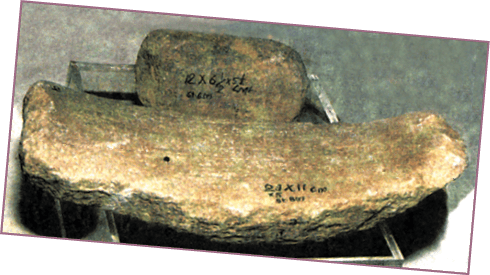
Saddle querns... are found in considerable numbers... and they seem to have been the only means in use for grinding cereals. As a rule, they were roughly made of hard, gritty, igneous rock or sandstone and mostly show signs of hard usage. As their bases are usually convex, they must have been set in the earth or in mud to prevent their rocking. Two main types have been found: those on which another smaller stone was pushed or rolled to and fro, and others with which a second stone was used as a pounder, eventually making a large cavity in the nether stone. Querns of the former type were probably used solely for grain; the second type possibly only for pounding herbs and spices for making curries. In fact, stones of this latter type are dubbed `curry stones' by our workmen and our cook asked for one from the museum for use in the kitchen.
(From Ernest Mackay, Further Excavations at Mohenjodaro, 1937)
iqjkoLrqvksa dh igpku oSQls dh tkrh gS
Hkkstu rS;kj djus dh izfozQ;k esa vukt ihlus osQ ;a=k rFkk mUgsa vkil esa feykus] feJ.k djus rFkk idkus osQ fy, cjruksa dh vko';drk FkhA bu lHkh dks iRFkj] èkkrq rFkk fe^h ls cuk;k tkrk FkkA ;gk¡ ,d egÙoiw.kZ gM+Iik LFky eksgutksnM+ks esa gq, mR[kuuksa ij lcls vkjafHkd fjiksVks± esa ls ,d fjiksVZ ls oqQN m¼j.k fn, tk jgs gSa–
vory pfDd;k¡--- cM+h la[;k esa feyh gSa--- vkSj ,slk izrhr gksrk gS fd vukt ihlus osQ fy, iz;qDr ;s ,dek=k lk/u FkhaA lk/kj.kr% ;s pfDd;k¡ LFkwyr% dBksj] oaQdjhys] vfXut vFkok cyqvk iRFkj ls fufeZr Fkha vkSj vkerkSj ij buls vR;fèkd iz;ksx osQ laosQr feyrs gSaA pw¡fd bu pfDd;ksa osQ ry lkekU;r;k mÙky gSa] fuf'pr :i ls bUgsa ”kehu esa vFkok fe^h esa tek dj j[kk tkrk gksxk ftlls bUgsa fgyus ls jksdk tk losQA nks eq[; izdkj dh pfDd;k¡ feyh gSaA ,d os gSa ftu ij ,d nwljk NksVk iRFkj vkxs&ihNs pyk;k tkrk Fkk ftlls fupyk iRFkj [kks[kyk gks x;k Fkk] rFkk nwljh os gSa ftudk iz;ksx laHkor% osQoy lkyu ;k rjh cukus osQ fy, tM+h&cwfV;ksa rFkk elkyksa dks owQVus osQ fy, fd;k tkrk FkkA bu nwljs izdkj osQ iRFkjksa dks gekjs Jfedksa }kjk ^lkyu iRFkj* dk uke fn;k x;k gS rFkk gekjs ckophZ us ,d ;gh iRFkj jlksbZ esa iz;ksx osQ fy, laxzgky; ls m/kj ek¡xk gSA
–vusZLV eSosQ] iQnZj ,DlosQos'kal ,V eksgutksnM+ks] 1937 ls m¼`r
,slk vuqokn dbZ ek;uksa esa vfèkd pqukSrhiw.kZ gksrk gSA blhfy, ;gk¡ vuqoknd dh l`tukRedrk budh j{kk djus esa gSA rF;ksa dh Bhd&Bhd tkudkjh dk gksuk ”k:jh gS vkSj ;g dksf'k'k Hkh gksuh pkfg, fd vuwfnr Hkk"kk esa ml Hkk"kk dh izo`Qfr osQ vuqlkj bldk vuqokn fd;k tk losQA blh rjg ,d vU; va'k dks nsf[k,A vxj dksbZ f'k{kk dh nqfu;k ls vifjfpr gksxk rks og bldh Bhd izLrqfr ugha dj ik,xkA
Educational theory has ample evidence to the contrary. It is in Class I that the child's basic attitude towards school as a social institution is formed. Indeed, the first few months spent at school have a decisive role in shaping the child's will to take the school seriously as a place, which means well. Systemic inability to distinguish little children from older ones, in terms of nature and requirements, is a major obstacle to Class I reforms. Trained teachers are usually able to regurgitate the common psychological characteristics of adolescents but very few have working knowledge of how a 5-year-old thinks and imagines. The syllabus of teacher training for the primary stage is usually so generalised that trainees end up getting no clear idea about this crucial stage of the school-going child's mind. They operate on the basis of a vague notion of stages of development.
ysfdu f'k{kk'kkL=k osQ fl¼kar blosQ Bhd foijhr ckr djrs gSaA muosQ vuqlkj igyh d{kk gh ,d lkekftd laLFkk osQ :i esa fo|ky; osQ izfr cPps osQ cqfu;knh joS;s dks vkdkj nsrh gSA LowQy esa chrus okys vkjafHkd eghus cPpksa osQ bl ladYi dks iDdk cukus esa fu.kkZ;d Hkwfedk fuHkkrs gSa fd os fo|ky; dks ,d lathnxh osQ lkFk] ,d vPNh txg osQ :i esa Lohdkj djsaxsA LoHkko vkSj euksoSKkfud vko';drkvksa dh n`f"V ls NksVs cPpksa vkSj cM+s Nk=kksa esa I+kQoZQ u dj ikuk ,d cM+h O;oLFkkxr de”kksjh gS tks igyh d{kk osQ lqèkkj osQ jkLrs esa ,d cM+h ckèkk dks is'k djrh gSA dbZ f'kf{kr vè;kid fd'kksj Nk=kksa dh lkekU; euksoSKkfud fo'ks"krkvksa dks ”kckuh lquk ldrs gSa] ysfdu bl ckr dk O;kogkfjd Kku cgqr de vè;kidksa esa feyrk gS fd ik¡p lky dk cPpk fdl rjg lksprk vkSj dYiuk djrk gSA izkFkfed Lrj osQ fy, vè;kid izf'k{k.k dh ikB~;p;kZ izk;% bruh likV gksrh gS fd izf'k{k.k iwjk dj ysus ij Hkh vè;kid dks LowQy esa izos'k ysus okys cPpksa dh dksey ekufld n'kk dk vank”k ugha gksrkA
–,u-lh-bZ-vkj-Vh- U;w”k ysVj] o`Q".k oqQekj
(fe=kksa ls ckrphr dj igpku djsa fd dkSu lk va'k vuqokn gSA)
ns[ksa xfrfof/@ Activity 30 i`"B 203
ehfM;k osQ fy, vuqokn
ehfM;k osQ fy, vuqokn esa djsaV visQ;lZ dh tkudkjh gksuk cgqr ykHknk;d gksrk gSA ns'k&nqfu;k dh lHkh rjg dh [kcjksa dks ysdj ltx jguk gksrk gS] rHkh vPNk vuqokn cu iM+rk gSA vxj ;g tkudkjh u gks fd fdl ns'k&izns'k esa pquko gks jgs gSa ;k dgk¡ fdl rjg dh lSU; xfrfof/ gS] varjkZ"Vªh; jktuhfr esa fdl rjg dh gypy gS] rks vpkud fdlh [kcj] ys[k ;k o`Ùkkar dk vuqokn djuk oqQN dfBu gh gksxkA oSls rks ,d vuqoknd dks ftrus {ks=kksa dh tkudkjh gks mruk gh vPNk jgrk gS] rHkh mldk 'kCn HkaMkj Hkh c<+rk gS vkSj og viuh Hkk"kk dks jpukRed cuk ikrk gSA u, iz;ksx dj ikrk gSA ”k:jr osQ eqrkfcd oqQN 'kCn Hkh x<+ ikrk gSA blesa lcls ”k:jh gS rF;ksa rFkk oLrqvksa dk gw&c&gw :ikarj.kA oqQN Hkh u rks NwVs] u tksM+k tk,A
lekpkjksa dk vuqokn djrs gq, vDlj lcls cM+h xM+cM+h ;g gksrh gS fd vuwfnr lekpkj dks vaxzs”kh osQ okD;&foU;kl vkSj 'kSyh esa fy[kus dh dksf'k'k dh tkrh gSA blls okD; lajpuk vkSj 'kSyh cgqr vViVh vkSj dfBu gks tkrh gSA okD;ksa dk vksj&Nksj myV&iqyV tkrk gSA blls gj gkyr esa cpus dh dksf'k'k djuh pkfg,A
vuqokn dk lcls egÙoiw.kZ lw=k ;g gS fd vki ftl lekpkj dk vuqokn djus tk jgs gSa] mls è;ku ls if<+,A ;g le>us dh dksf'k'k dhft, fd bl lekpkj esa D;k dgk x;k gS\ dYiuk dhft, fd vxj ml lekpkj dks vius ?kj osQ fdlh lnL; ;k LowQy osQ fdlh lkFkh dks crkuk gks rks vki oSQls crk,¡xs\ vuqokn dk lcls vPNk rjhdk ;gh gS fd vuqokn osQ ckn og vuwfnr Hkk"kk dk ewy lekpkj yxs u fd vuwfnr lekpkjA ”kkfgj gS fd blosQ fy, vuqokn djrs gq, ;g lqfuf'pr djuk gksxk fd vuwfnr lekpkj ml Hkk"kk osQ fe”kkt] 'kSyh] okD;&foU;kl vkSj eqgkojksa esa gksA
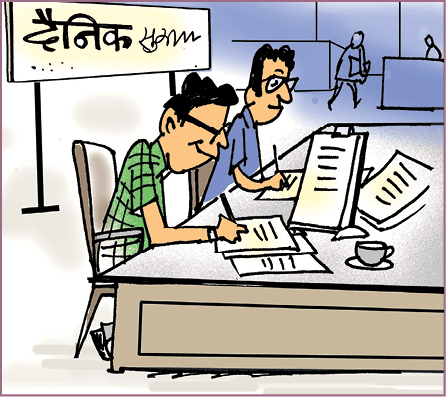
lekpkjksa dk vuqokn djrs gq, 'kCn'k% ;k eD[kh ij eD[kh cSBkus ls gj lwjr esa cpuk pkfg,A vuqokn osQ ckn ml lekpkj dks mlh Hkk"kk esa fy[kk gqvk lekpkj yxuk pkfg,A ml Hkk"kk dh LokHkkfodrk vkSj izokg dks cuk, j[kk tkuk pkfg,A 'kCn&dks'k dh enn yhft,] ysfdu bl ckr dk è;ku ”k:j jf[k, fd mlosQ fy, lcls mi;qDRk vkSj vuwfnr Hkk"kk esa izpfyr 'kCn dkSu lk gSA vU;Fkk vDlj ,slk gksrk gS fd 'kCn&dks'k dh enn ls ,sls 'kCnksa dk iz;ksx fd;k tkrk gS tks u flI+kZQ ogk¡ mi;qDRk ugha gksrs gSa cfYd ftUgsa le>uk vaxzs”kh ftruk gh dfBu gksrk gSA
dbZ ckj oqQN rduhdh vkSj ikfjHkkf"kd 'kCnksa osQ fy, mi;qDr 'kCn ugha feyrs ;k laLo`Qrfu"B gksus osQ dkj.k mrus gh dfBu gksrs gSa] ml fLFkfr esa vuqoknd dh f”kEesnkjh vkSj c<+ tkrh gSA mls u flI+kZQ mi;qDr vkSj izpfyr rduhdh vkSj ikfjHkkf"kd 'kCn [kkstus dh dksf'k'k djuh pkfg, cfYd ”k:jr gks rks dks"Bd esa ewy vaxzs”kh 'kCn osQ lkFk&lkFk vyx ls ,d okD; esa mldk vFkZ Li"V djus dh dksf'k'k djuh pkfg,A
oqQN mnkgj.k
vaxzs”kh vkSj ¯gnh dh okD; lajpukvksa esa I+kQoZQ gksrk gSA vuqokn djrs gq, bldk è;ku u j[kus ij okD; oqQN bl rjg dk cu ldrk gS –
eq[;ea=kh tks foÙk ea=kh Hkh gSa] us o"kZ 2005&06 dk okf"kZd ctV is'k fd;kA os vktdy foÙk ea=kh dk dkedkt Hkh l¡Hkky jgs gSaA
blh rjg ¯gnh dh okD; lajpuk dk è;ku u j[kdj vuqokn djus ij fdruh eqf'dy gks ldrh gS] bldk ,d mnkgj.k izLrqr gSA
ewy vaxzs”kh –
Japanese sailor Kenichi Horie, who has sailed non-stop around the world and crossed the Pacific in a solar-powered boat made of recycled aluminum, is off on his next solo adventure at sea.
de”kksj vuqokn – tkikuh ukfod osQusph gksjh] ftUgksaus fcuk #osQ nqfu;k dk pDdj yxk;k gS vkSj csdkj vY;qehfu;e dks fiQj ls <kydj cuh ukSdk ls iz'kkar egklkxj dks ikj fd;k gS] vkt viuh vxyh leqnzh ;k=kk ij fudy iM+sA
bldh rqyuk esa csgrj vuqokn dk mnkgj.k – tkikuh ukfod osQusph gksjh vkt vius vxys lkgfld leqnzh vfHk;ku ij fudy iM+sA mUgksaus blls igys fcuk #osQ leqnzh jkLrs ls nqfu;k dk pDdj yxk;k gSA mudh ukSdk csdkj vY;qehfu;e dks fiQj ls <kydj cukbZ xbZ gSA os blls igys iz'kkar egklkxj dks ikj dj pqosQ gSaA
vuqokn esa vFkZ dk vuFkZ gksus osQ oqQN mnkgj.k
- ^iqfyl jkr Hkj jsyos LVs'ku osQ vanj vkSj ckgj isVªksy fNM+drh jgh*A (Police patrolling was intensified in and around the railway station during the night) tc fd bldk lgh vuqokn gksuk pkfg, – ^jsyos LVs'ku osQ vanj vkSj vklikl jkr esa iqfyl x'r c<+k nh xbZ gS*A
- ^ns'k dk lcls cM+k bLikr dk ikS/k (Steel Plant) vka/z izns'k esa fo'kk[kkiÙkue esa yxk;k tk jgk gSA* ”kkfgj gS fd ;g ^bLikr dk ikS/k* u gksdj ^bLikr la;a=k* ;k ^dkj[kkuk* gksuk pkfg,A blh rjg ,d vkSj vuwfnr lekpkj nsf[k, –
- ^ukSoha ;kstuk esa ns'k esa 9000 xkscj xSl osQ ikS/s (Gobar gas plant) yxk, tk,¡xs*A ;gk¡ ,d ckj fiQj ^xkscj xSl la;a=k* gksuk pkfg, u fd ^xkscj xSl osQ ikS/s*A
- ^vejhdk us if'pe ,f'k;k esa 'kkafr LFkkiuk osQ fy, lM+d dk uD'kk (Road map to peace ) cuk;k gS*A bl okD; esa ;g ^lM+d dk uD'kk* u gksdj ^'kkafr LFkkiuk dh jkg osQ fy, ;kstuk* rS;kj dj yh gSA
vuqokn esa Hkk"kk dh ljyrk osQ lkFk&lkFk mldh xfjek dks Hkh cuk, j[kuk ”k:jh gSA ;kn jf[k, vPNs vuqokn dh lcls cM+h dlkSVh ;g gS fd mls i<+us osQ ckn ikBd dks ;g fcyoqQy u yxs fd og vuqokn gSA
vuqokn osQ ckn vki ewy dkWih osQ lkFk&lkFk vuwfnr dkWih dks nksckjk ”k:j i<+saA dgha dksbZ ”k:jh rF; rks ugha NwV x;k gSA dgha vFkZ dk vuFkZ rks ugha gks jgk gSA vuqokn ls Hkze rks ugha gks jgk gSA okD;&foU;kl nq:g rks ugha gSA bls nksckjk fy[ksa rkfd xyfr;ksa dks nwj fd;k tk losQA
,d vU; mnkgj.k nsf[k, –
vaxzs”kh dk okD;
Ten killed in a road accident.
¯gnh vuqokn
lM+d nq?kZVuk esa nl ejs @ lM+d nq?kZVuk esa nl ekjs x, @ lM+d nq?kZVuk esa nl LoxZ flèkkjs @ lM+d nq?kZVuk esa nl Hkxoku dks I;kjsA
;gk¡ vU; dh rqyuk esa ^lM+d nq?kZVuk esa nl ekjs x,* vaxzs”kh okyh [kcj osQ lcls fudV vFkZ nsrk gSA ,sls nl vU; mnkgj.k pqudj fy[ksa vkSj ;g Hkh crk,¡ fd dkSu lk vFkZ lcls mi;qDr gSA
Notice that ^lM+d nq?kZVuk esa nl ekjs x,* is the most appropriate translation of the English sentence. Write ten similar examples and identify which translation is the closest.
ckS¼ èkeZ vkSj Hkkjrh; xf.kr n'keyo i¼fr osQ izpkj&izlkj esa vuqokn dh cM+h Hkwfedk jgh gSA Hkxor xhrk osQ vuqokn us Hkh HkfDr vkanksyu esa cM+h Hkwfedk fuHkkbZA lar Kkus'oj us Kkus'ojh uke ls bldk vuqokn fd;k FkkA
Understanding Translation Translation is a creative process. Group Activity
Group Discussion
Debate
|
And the pen writes on... Translation is not a matter of words only: it is a matter of making intelligible a whole culture. – Anthony Burgess You will recollect my having carried on correspondence with you whilst I was temporarily in London. As a humble follower of yours, I send you herewith a booklet which I have written. It is my own translation of a Gujarati writing… I am most anxious not to worry you, but, if your health permits it and if you can find the time to go through the booklet, needless to day I shall value very highly your criticism of the writing. I am also sending a few copies of your letter … which you authorised me to publish. It has been translated in one of the Indian languages also. – excerpts from a letter from Gandhiji to Leo Tosltoy in 1910 |
A great age of literature is perhaps always a great age of translations.
– Ezra Pound
I. Introducing Translation
India, as one of the oldest knowledge bases, has a cherished tradition of translation. In a sense the people of our country are natural translators since most people here are at least bilingual. If we speak, for instance, Marathi or Punjabi at home as our mother tongue, we inevitably pick up another language, Gujarati or Tamil or any other language, spoken generally in the region we live in. And then at school, we learn at least three languages. By the time we are adults, we are often familiar with more than two languages, and we develop the skill to shift from one language to another naturally. You can see how newsreaders of some of the popular television channels in India use this faculty so effectively. In order to translate we need to become aware of other languages and then consciously hone and develop our skills in translation.


Lines in Bangla and their English translation, both by Rabindranath Tagore
The following extract from Rabindranath Tagore’s Kabuliwala has been translated from the Bangla into Hindi and English.
Ask any of your friends who can read Bangla to read the passage aloud.
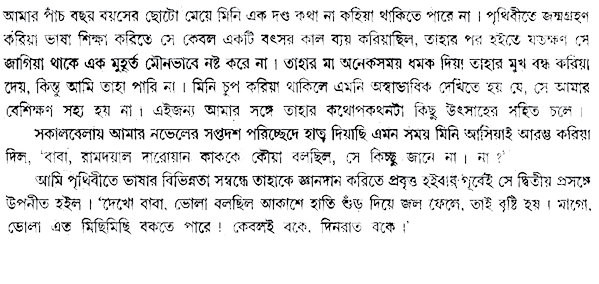
Read the following Hindi and English translations of the extract from Kabuliwala.
esjh ik¡p cjl dh NksVh csVh feuh fcuk cksys iy&Hkj Hkh ugha jg ldrhA lalkj esa tUe ysus osQ ckn Hkk"kk lh[kus esa mlus osQoy ,d o"kZ dk le; [kpZ fd;k FkkA mlosQ ckn ls tc rd og tkxrh jgrh gS] ,d iy Hkh ekSu jgdj u"V ugha djrhA mldh ek¡ cgqr ckj Mk¡Vdj mldk eq¡g can dj nsrh gS] fdarq eSa ,slk ugha dj ikrkA pqipki cSBh feuh ns[kus esa bruh vthc yxrh gS fd eq>s cgqr nsj rd lgu ugha gksrkA blfy, esjs lkFk mldh ckrphr oqQN mRlkg osQ lkFk pyrh gSA
lqcg eSaus vius miU;kl osQ l=kgosa ifjPNsn esa gkFk yxk;k gh Fkk fd feuh us vkrs gh ckr NsM+ nh] ¶firkth] jken;ky njcku dkd dks dkSvk dgrk FkkA og oqQN ugha tkurkA gS u\¸
lalkj dh Hkk"kkvksaa dh fofHkUurk osQ ckjs esa oqQN crkus ls igys gh og nwljs izlax ij pyh xbZ] ¶ns[kks firkth] Hkksyk dg jgk Fkk fd vkdk'k esa gkFkh lw¡M ls ikuh Mkyrk gS] mlh ls o"kkZ gksrh gSA eS;k jh! Hkksyk oSQlh csdkj dh ckrsa djrk jgrk gS! [kkyh cd&cd djrk jgrk gS] fnu&jkr cd&cd yxk, jgrk gSA¸
My five-year-old daughter, Mini, can’t stop talking for even a minute. It only took her a year after coming into the world to learn to speak, and ever since she has not wasted a minute of her waking hours by keeping silent. Her mother often scolds her and makes her shut up, but I am unable to do that. When Mini is quiet, it is so unnatural that I cannot bear it. So her chattering gets quite a lot of encouragement from me.
One morning, as I was starting the seventeenth chapter of my novel, Mini came up to me and said, “Father, Ramdoyal the gatekeeper calls a crow a kauva instead of kak. He doesn’t know anything, does he?”
Before I had a chance to enlighten her about the multiplicity of languages in the world, she brought up another subject, “Guess what, Father, Bhola says it rains when an elephant in the sky squirts water through its trunk. What nonsense he talks! He teases me, he teases me all day long.”
See xfrfof/ / Activity 25 on Page 166
A pooling and sharing of knowledge is indeed possible only when special efforts are made to cross language boundaries. The best tool employed for this purpose is translation which deserves special attention in our multilingual context.
In many Indian languages, we have a great legacy of translations from various classical languages such as Persian, Arabic, Sanskrit on the one hand and from foreign modern languages such as Russian, German, French, on the other. Also, translations amongst Indian languages themselves have made the significant works of one language available in other languages as well. Thanks to translations we have been able to access and read such great writers as Rabindranath Tagore, Prem Chand and Subramaniam Bharati in our own languages. Sometimes these translations have happened through link languages such as English and Hindi. For example, Kalidasa’s Abhigyanashakuntalam is read the world over. This has been made possible because of its translation into many languages. Given below is an excerpt from Abhigyanashakuntalam (Act IV) and its translations in Hindi and English.
'koqQUryk–(xfrHkÄõ :if;Rok) dks .kq D[kq
,lks f.kol.ks es eTtbA (dks uq [kYos"k
fuolus es lTtrsA) (bfr ijkorZrsA)
d.o%–oRls!
;L; Ro;k oz.kfojksi.kfeM-~xqnhuka
rSya U;f"kP;r eq[ks oqQ'klwfpfo¼sA
';kekdeqf"Vifjo£?krdks tgkfr
lks¿;a u iq=ko`Qrd% inoha e`xLrsAA14AA
'koqQUryk& (pyus esa #dkoV dk vuqHko djrh gqbZ&lh) vjs! ;g dkSu esjk
vapy idM+dj [khaps tk jgk gS\ (ihNs ?kwedj ns[krh gS)
d.o–oRls! oqQ'kk osQ dk¡Vs ls fNns gq, ftlosQ eq¡g dks vPNk djus osQ fy, rw ml ij fgaxksV dk rsy yxk;k djrh Fkh oghs rsjs gkFk osQ fn, gq, eqV~Bh Hkj lk¡os osQ nkuksa ls iyk gqvk rsjk iq=k osQ leku I;kjk gfj.k ekxZ jksosQ [kM+k gSA AA14AA
Shakuntala (stumbling): Oh, oh! Who is it that keeps pulling at my dress, as if to hinder me? (she turns around to see).
Kanva: It is the fawn whose lip, when torn by kusha-grass, you soothed with oil; the fawn who gladly nibbled corn held in your hand; with loving toil you have adopted him, and he would never leave you willingly.
(Translated by Arthur W. Ryder)
It may be pointed out here how Kalidasa’s well-known play, Abhigyanashakuntalam, demonstrates the coexistence of many language groups in the same geographical area. This play was written in Sanskrit and also uses Saurasheni, Maharastri and Magadhi, clearly showing how multilinguality was a given fact portrayed realistically in a literary text.
Here is an extract from Premchand’s Shatranj ke Khiladi (The Chess Players) from a collection of his short stories which have been translated from the Hindi to English. Read the extract and its translation carefully and identify the sentences/words that convey the meaning but are not literal translations. Discuss in class.
izkr%dky nksuksa fe=k uk'rk djosQ fclkr fcNkdj cSB tkrs] eqgjs lt tkrs] vkSj yM+kbZ osQ nk¡oisap gksus yxrsA fiQj [kcj u gksrh Fkh fd dc nksigj gqbZ] dc rhljk igj] dc 'kke! ?kj osQ Hkhrj ls ckj&ckj cqykok vkrk fd [kkuk rS;kj gSA ;gk¡ ls tokc feyrk&pyks] vkrs gSa] nLrj[kku fcNkvksA ;gk¡ rd fd ckojph foo'k gksdj dejs gh esa [kkuk j[k tkrk Fkk] vkSj nksuksa fe=k nksuksa dke lkFk&lkFk djrs FksA
Early morning it begins. The two cronies finish breakfast, spread open the chessboard, arrange the chessmen, and the war manoeuvres start. And that’s it — time stops — no noon, no afternoon, no evening. Summons after summons from inside the house — “Your meal’s ready.” To which they reply, “All right, coming, spread the tablecloth.” And, of course, it always ends up with the cook depositing the food in the room, and the two friends simultaneously messing and chessing.
(Translated by Nandini Nopany and P Lal)
Translation is a faculty that brings us closer to alien cultures and societies not only through their literatures but also their films and other electronic media — through subtitling and dubbing. A lot of news that we get through newspapers, radio and television, too, is translated from various languages for it to be comprehensive.
Translation also opens a window to the world as we get to know the works of great writers, critics, scientists and other intellectuals from various regions and countries. The following extracts are examples of translations of writings from different parts of the world.
It once occurred to a certain king, that if he always knew the right time to begin everything; if he knew who were the right people to listen to, and whom to avoid, and, above all, if he always knew what was the most important thing to do, he would never fail in anything he might undertake.
And this thought having occurred to him, he had it proclaimed throughout his kingdom that he would give a great reward to any one who would teach him what was the right time for every action, and who were the most necessary people, and how he might know what was the most important thing to do.
– an extract from 'Three Questions' by Leo Tolstoy
(translated from the Russian)
The following is a Hindi translation of the preceding passage.
^rhu iz'u* ls---
,d le; ,d jktk dks fopkj vk;k fd vxj mls ;g ekywe gks tk, fd fdlh dke dks 'kq: djus dk Bhd le; dkSu lk gS_ ;fn mls ekywe gks fd fdu yksxksa dh ckr lquuh pkfg, vkSj fdudh ugha_ vkSj lcls egRoiw.kZ ;fn mls ges'kk ekywe gks tk, fd lcls ”k:jh dk;Z dkSu lk gS] og fdlh Hkh dk;Z esa vliQy ugha gksxkA
vkSj bl fopkj ds vkrs gh mlus vius jkT; esa ,syku djok fn;k fd tks dksbZ mls dke djus dk lgh le;] vkSj lcls ”k:jh yksx dkSu gSa] vkSj dkSu lk dk;Z lcls egÙoiw.kZ gS crk,xk] mls cgqr buke fn;k tk,xkA
Haiku
An old pond! A frog jumps in — The sound of water. – Matsuo Basho ,d iqjkuk rkykc! ,d esa<d mlesa owQnk — ikuh dh vkok”kA
 |
 Right at my feet— and when did you get here, Snail? – Issa esjs iSjksa osQ ,dne ikl– vkSj dc rqe ;gk¡ igq¡ps] ?kksa?kk\ (Translated from the Japanese) |
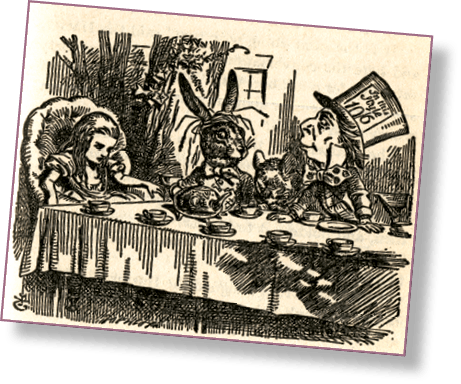
Here is a passage from Alice in Wonderland by Lewis Carroll followed by the Hindi translation.
“Take some more tea,” the March Hare said to Alice , very earnestly.
“I’ve had nothing yet,” Alice replied in an offended tone, “so I can’t take more.”
“You mean, you can’t take less,” said the Hatter: “it’s very easy to take more than nothing.”
“Nobody asked your opinion,” said Alice.
“Who’s making personal remarks now?” the Hatter asked triumphantly.
Alice did not quite know what to say to this; so she helped herself to some tea and bread-and-butter, and then turned to the Dormouse, and repeated her question. “Why did they live at the bottom of a well?”
The Dormouse again took a minute or two to think about it, and then said, “It was a treacle-well.”
“There’s no such thing!” Alice was beginning very angrily, but the Hatter and the March Hare went “sh!sh!” and the Dormouse sulkily remarked, “If you can’t be civil, you’d better finish the story for yourself.”
¶vkSj pk; yksxh\¸ ekpZ [kjxks'k us rikd ls ,sfyl ls iwNkA
¶tc eSaus vHkh rd ih gh ugha]¸ ,sfyl ukjk”k gksdj cksyh] ¶rks vkSj oSQls ys ldrh gw¡A¸
¶rqEgkjk eryc gS fd rqe de ugha ys ldrha]¸ Vksiokys us mls le>k;k] ¶vkSj ysuk rks vklku gS] [kklrkSj ij tc rqeus oqQN Hkh ugha fy;k gks rksA¸
¶vkidh jk; eq>s ugha pkfg,A¸ ,sfyl us dgkA
¶rqe rks tkrh geyksa osQ f[kykI+kQ FkhaA¸ Vksiokyk fot;h vkok”k esa cksykA
,sfyl dks dksbZ tokc ugha lw>k rks mlus oqQN pk; vkSj eD[ku VksLV ys fy;k vkSj pwgs dh rjI+kQ #[k djosQ mlus fiQj iwNk] ¶os oqQ,¡ esa D;ksa jgrh Fkha\¸
pwgs us ,d&nks fefuV dh lksp osQ ckn dgk] ¶og xqM+ dk oqQvk¡ FkkA¸
¶eSa ugha ekurhA¸ ,sfyl us xqLls esa dguk 'kq: fd;k gh Fkk fd Vksiokys vkSj ekpZ [kjxks'k us ^'k'k&'k'k* ls mls pqi djok fn;k] vkSj pwgs us dgk] ¶vxj rqe Vksdus ls ckt ugha vk ldrha rks [kqn gh [kRe dj yks bl dgkuh dksA¸
(vuqokn – o`Q".kcynso oSn)
With the explosion of information and the ever-expanding information technology in contemporary times, the big question that looms over us is how to access diverse knowledge and how to convey in the target language the human sensitivities of the original. Indeed, in a country such as India where there are multiple languages, each language is a rich storehouse of knowledge and literary traditions.
What is Translation?
Translation essentially implies transference of material from one language to another. Since each language carries within itself its own culture and temper, the process of translation demands that the translator be adequately equipped with (i) knowledge of what is called the source language as well as the target language, and (ii) knowledge of the culture of each of the languages to be able to comprehend the source language and then find appropriate equivalent words/phrases in the target language. A literal translation, word for word, can be ‘faithful’ but not beautiful; in fact, at times, a literal translation may even distort the meaning. For example, while a person can be as wise as an ‘owl’ in English, in Hindi, an owl (ullu) is considered to be stupid!
What I like best is when I do my own poems into English. I find the task gripping to the point of intoxication. In the act of translating into an alien language, I seem to find a new flavour in what I had written originally in Bengali. It is almost like a bride’s reception at her husband’s home — after the wedding is over…The bride must meet and must make friends with the community to which she must belong henceforth.
— Rabindranath Tagore
The translator has to understand the context and the culture within which certain words are used and then work out a way to translate them in a suitable manner. This may require not just lexical meanings from dictionaries but also research into the cultures of the source and the target languages. Metaphors, proverbs, symbols, idioms, on the one hand, and, on the other, abuses, kinship terms etc. are all markers of culture. They pose a big challenge to the translator since their meaning is embedded in specific cultures.
Here are some examples of metaphors and phrasal verbs in Hindi and English.
dkyk cktkj – black market
dkSfM+;ksa osQ eksy – as cheap as dirt
j¡xs gkFkksa idM+s tkuk – to get caught red-handed
Fkddj pwj gksuk – dead tired
'khr ;q¼ – cold war
Hkkx tkuk – to abscond
la{ksi esa – in short
ykyu&ikyu – to bring up
dh gSfl;r ls – by virtue of
Choose any two phrases from this list and find their equivalents in your mother tongue. Share them with your class.
Humour and even colours can be culture specific. What is celebratory in one culture can be mournful in another. An English bride, for example, dresses in white, while white may be perceived as the colour of mourning in some cultures. It is the translator’s job to know such cultural differences and render the translation accordingly.
One thing common amongst different kinds of translation is its main function, that is, to build bridges and create a dialogue between different languages, different cultures. In Arabic, the word for translation is tarjuman — the process of mediation between languages. Translation, then, expands the knowledge sphere for humanity and makes room for diversity of cultures through understanding, caring and accommodation of diversity of cultures. Here is an extract from a text originally written in Urdu. (Ask any of your friends who can read Urdu to read the passage aloud.) The writer, Ismat Chugtai, is widely read in many languages today.
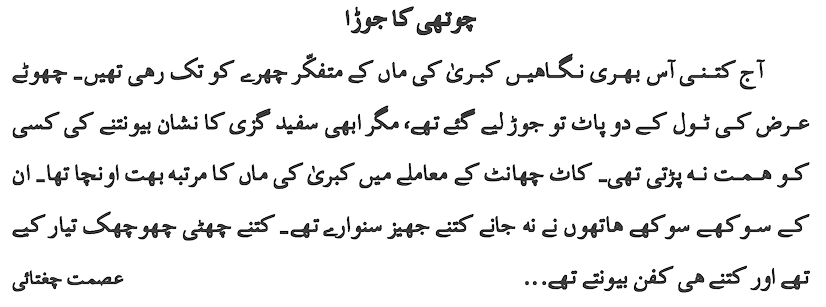
pkSFkh dk tksM+k ls ---
vkt fdruh vkl&Hkjh fuxkgsa oqQcjk dh ek¡ osQ eqr-iQfD dj psgjs dks rd jgh FkhaA NksVs v”kZ dh Vwy osQ nks ikV rks tksM+ fy, x,] exj vHkh l-isQn x-Tkh dk fu'kku C;ksarus dh fdlh dks fgEer u iM+rh FkhA dkV&Nk¡V osQ ekeys esa oqQcjk dh ek¡ dk ejrck cgqr m¡Qpk FkkA muosQ lw[ks&lw[ks gkFkksa us u tkus fdrus ngs” k l¡okjs Fks] fdrus NBh&NwNd rS;kj fd, Fks vkSj fdrus gh d-iQu C;ksars FksA-----
–bLer pqxrkbZ
That day many expectant eyes were riveted on the thoughful face of Kubra’s mother. The two short pieces of cloth had been strung together, but no one would dare to apply the scissors at this point. As far as cutting and measuring cloth was concerned, Kubra’s mother’s skill was usdisputed. No one knew how many dowries she had prepared with her shrunken hands, how many suits she had stitched for new mothers and their babies, and how many shrouds she had measured and ripped.
– an extract from ‘The Wedding Suit’ by Ismat Chugtai
(Translated from the Urdu by M. Asaduddin)
Translation — Its Role and Relevance
Thanks to the vibrant linguistic plurality around us, most of us are at least bilingual. As a result we are actually natural translators, shifting easily from one language to another. We may dream in one language, converse in another and write in yet another language. But, indeed, with globalisation and the world shrinking, one or two languages may just become too dominating to allow others to survive. If we make concerted efforts to understand the different cultures/language groups, there may be hope for their survival through the respect accorded to each for its rich literary and cultural traditions that have evolved over centuries. One of the most effective ways of building such cross-cultural bridges has been translation, i.e. making the rich storehouse of knowledge of one language accessible to the other.
Jawaharlal Nehru in his book Discovery of India (Hindustan ki Kahani) has written about the importance of languages. An extract from the text with its translation in Hindi is given below.
A language is something infinitely greater than grammar and philology. It is the poetic testament of the genius of a race and a culture, and the living embodiment of the thoughts and fancies that have moulded them. Words change their meanings from age to age and old ideas transform themselves into new, often keeping their old attire. It is difficult to capture the meaning, much less the spirit, of an old word or phrase. Some kind of a romantic and poetical approach is necessary if we are to have a glimpse into that old meaning and into the minds of those who used the language in former days.
O;kdj.k vkSj Hkk"kk&'kkL=k osQ eqdkcys esa Hkk"kk [kqn dgha cM+h ph”k gSA ;g ,d tkfr vkSj laLo`Qfr dh izfrHkk dh dfoRoe; fojklr gS vkSj ftu fopkjksa vkSj dYiukvksa us mUgsa <kyk gS] mudk thrk&tkxrk :i gSA 'kCn ;qx&;qx esa vius vFkZ cnyrs jgrs gSa vkSj iqjkus fopkj u, fopkjksa esa rcnhy gks tkrs gSa] vxjps vdlj os viuk iqjkuk Hksl dk;e j[krs gSa] fdlh iqjkus yÝ+T+k ;k eqgkojs osQ ekuh idM+uk eqf'dy gks tkrk gS vkSj ml Hkko osQ ckjs esa rks dgk gh D;k tk,! vxj ge ml iqjkus ekuh dh >yd ysuk pkgrs gSa vkSj mu yksxksa osQ fnekx esa iSBuk pkgrs gSa] ftUgksaus ml Hkk"kk dks xq”kjs fnuksa esa bLrseky fd;k Fkk] rks gesa Hkkoqd vkSj dfoRoe; fuxkg j[kuk ”k:jh gSA
lzksr–lLrk lkfgR; eaMy
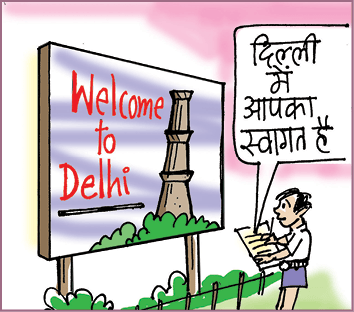
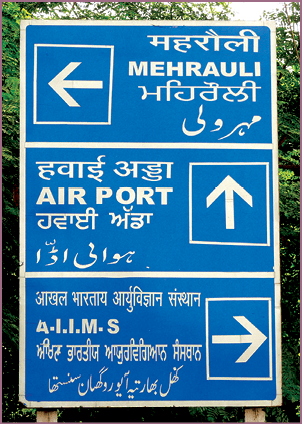
jkLrs esa yxs oqQN ekxZn'kZu cksMZ] lwpuk cksMZ] foKkiu cksMZ vkfn dk fganh ls vaxzs”kh vkSj vaxzs”kh ls fganh esa vuqokn dhft, vkSj vius lkFkh osQ lkFk cSBdj ,d&nwljs osQ vuqokn dks feydj Bhd dhft,A
Translate the text from a few signboards, road maps or hoardings that you come across, from Hindi to English and from English to Hindi. In pairs discuss your translations and improve upon them.
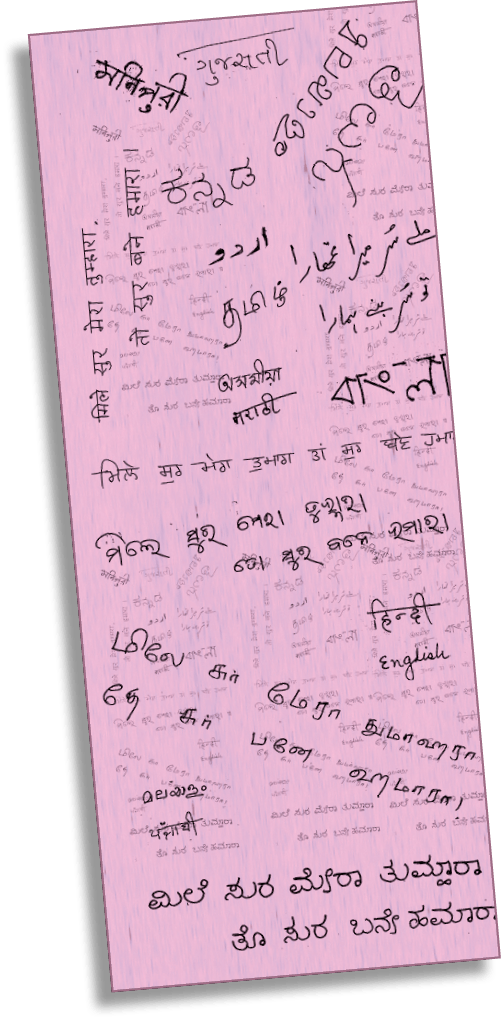
For a meaningful exchange of ideas and an effective sustenance of cross-cultural dialoguing, honing translation skills is the most natural device. An example of the ‘dialoguing’ between Sanskrit and Persian is demonstrated in Dara Shikoh’s masterpiece translation of the Upanishads from Sanskrit into Persian, Sirr-e-Akbar (The Great Secret), completed in 1657 with the help of several pundits from Varanasi. Not only is this translation an evidence of the ‘interaction’ between two classical languages, it also shows how two cultures were engaged in understanding each other through the translation of seminal texts into each other’s languages. Translations of this kind contributed significantly towards building a composite culture in the Indian subcontinent.
While it is important for the translator to have adequate language competence to be able to translate effectively, it is important to note that the process of translation in itself leads to language learning.
The process of translation brings one into a very intimate relationship with at least two languages. The role of translation in language learning is immense. Language conservation and then linguistic proficiency, as we discussed earlier, are surely the crux of all translation activities.
As linguists tell us, thanks to extensive translation in some languages, linguistic changes result from the influence of one language on the other. Sometimes this influence is so pronounced that even the structure of these languages may change due to constant translations from one into the other. Also, if some terms are so culture specific that translation is not possible, the scope of the target language expands through the introduction of new words transferred from the source language as new words and phrases may also get created within the target language to translate such terms. For example, words such as pucca, sahib etc. have become part of the English language.
In business transactions too, cross-cultural dialoguing plays a vital role. Unless one has mastered the art of communication with the help of interpretation and translation, it may not be possible to build business relationships with other cultures. Whether for entertainment or even advertising or commerce, it is through translation and cultural understanding that the process of reaching out can be achieved. To be competent in this field, one has to equip oneself with linguistic and translation skills.
Understanding Translation
At the outset, let us understand the literal meaning of the word ‘translation’ as it is used in some languages. Different cultures, no doubt, may conceptualise translation differently at different times. For instance, the word ‘translation’ in English comes from the Latin word ‘transferee’ which means ‘carrying something across’. This is indicative of the linguistic and cultural borders which need to be crossed for something to be taken from one side to the other.
In Sanskrit a translator is a bhasantarakari, meaning ‘other language maker’. Clearly this recognises, in the process of translation, the ‘difference’ of language (which is the carrier of culture), along with the idea of making something anew by the translator. But there are other words for translation in Sanskrit. Chayanuharanam suggests that translation is ‘reflection’, thus emphasising similarity between the two texts; and then there is also the word, anuvadahmeaning ‘saying after’. Derived from Sanskrit, the word used for translation in Hindi too isanuvad, suggesting both, the primacy of the source text and also the recreation of another.
In Hungarian, Finnish and some other languages the word for translation points towards the ‘difference’ between the source and the target text. The Finnish word kaannos, used for translation, literally means ‘a turn or a turning’ which shows how the translated text is thought to be taking a turn from the basic text. It is very interesting that the slang connotation of the Finnish verb kaantaa is ‘to steal’. Does this imply that translation is to be seen as a theft of some substance from some source? To add to this perspective, let us remember that the classical god of translators was Hermes who was also the god of thieves!
This brings us to a very significant juncture in our study of what is translation. When someone said that translation can be seen as stealing something from the ‘original’, a very important question throws itself up: Is the process of translation creative or just a replication or a copy?
Creativity and Translation
To translate, inevitably means a reconstruction of the text. Translation, therefore, calls for a lot of creativity to first decode an existent text for its comprehension and internalisation, and then recode it into a new text in another language. The new text is a re-creation that has to stand in total autonomy, free of the ‘original’ text and complete in itself. Walter Benjamin has said that translation is “afterlife”.

viuh ilan dh fdlh dgkuh dks vius <ax ls fdlh vU; Hkk"kk esa fy[ksaA
Choose a story that you like. Now translate it into another language.
Linguistic transformation, we must remember, implies to a large extent a cultural transformation too. This is similar to saying that a lot can be lost in translation and a lot can also be gained in translation. Each language bears within itself its own cultural baggage. That is why when the source text is translated into another language, it is necessary that the culture of the target language be negotiated. With adequate sensitivity and knowledge of the cultures of both the languages, the translator becomes a mediator who creates the scope and means to transfer the meaning and experience of the ‘original’ text into another language. Translation, said someone, is a cross-cultural transmission skill, a creative endeavour to build another linguistic structure to accommodate and contain what is otherwise quite foreign to it.
Since translation is filtered through the consciousness of the translator, it does indeed acquire the translator’s vision as well and gets transformed into something new, broadening the scope of the original and offering at times another view of the same thing. Literary translation is not merely a technical skill, but also an art form, not subservient to the original. The translator, thus, has to be equipped with adequate preparation and creativity along with the linguistic skills to be able to transcreate a text.
Read the following excerpt and its translation from Themes in Indian History — Part III for class XII. Do you think the translator has been able to translate the nuances of the researcher's record? Underline the words/phrases that you feel would have been difficult to translate.
“I am simply returning my father’s karz, his debt”
During my visits to the History Department Library of Punjab University, Lahore, in the winter of 1992, the librarian, Abdul Latif, a pious middle-aged man, would help me a lot. He would go out of his way, well beyond the call of duty, to provide me with relevant material, meticulously keeping photocopies requested by me ready before my arrival the following morning. I found his attitude to my work so extraordinary that one day I could not help asking him, “Latif Sahib, why do you go out of your way to help me so much?” Latif Sahib glanced at his watch, grabbed his namazi topi and said, “I must go for namaz right now but I will answer your question on my return.” Stepping into his office half an hour later, he continued...
¶eSa rks flI+kZQ vius vCck ij p<+k gqvk d”kZ pqdk jgk gw¡¸
eSa 1992 dh lfnZ;ksa esa iatkc ;wfuoflZVh] ykgkSj osQ bfrgkl foHkkx osQ iqLrdky; esa tk;k djrk FkkA ogk¡ vCnqy yrh-iQ uked ,d /eZfu"B v/sM+ lTtu esjh cgqr enn fd;k djrs FksA ftruk muosQ fy, djuk ”k:jh Fkk] mlls Hkh vkxs tkdj os eq>s vko';d lkexzh eqgÕ;k djk nsrs Fks vkSj esjh vuqjks/ dh gqbZ -iQksVksdkWfi;k¡ vxyh lqcg esjs igq¡pus osQ igys gh cM+s dk;ns ls rS;kj j[krs FksA esjs dke osQ izfr mudk ;g joS;k eq>s bruk vuks[kk yxrk Fkk fd ,d fnu eSa vius dks jksd ugha ik;k vkSj iwN gh cSBk] ¶yrh-iQ lkgc] vki ”k:jr ls ”;knk vkxs c<+&c<+dj esjh bruh enn D;ksa djrs gSa\¸ viuh ?kM+h ij u”kj Mkydj mUgksaus yiddj viuh uek”kh Vksih mBkbZ vkSj dgk] ¶vHkh rks eq>s rqjar uek”k osQ fy, tkuk gSA ij ykSVdj eSa vkiosQ loky dk tokc ”k:j nw¡xkA¸ vkèks ?kaVs ckn vius n-Ýrj esa ykSVrs gh mUgksaus ckr vkxs c<+kbZ---
Creativity and the Question of Faithfulness in Translation
Translation should seek maximum readability. The translated text should remain within the confines of faithful rendering. What has to be ideally achieved in the translated text is the perfect compromise between accuracy and a ‘creative’ reproduction of the same. When a classical text gets translated into a modern language, this can be considered to be its renewal, in that it becomes comprehensible to contemporary readers by getting charged with idioms and metaphors that are accessible. Though the reference point for such texts is the original old text, there is no doubt that without a severance from the original, the new text does not yield adequate joy of reading. The new translated texts come out of the aesthetics of translation and offer pleasure and a sense of beauty.
Does the passion for creativity make the translator a traitor who refuses to be ‘faithful’ to the original? Does such a translator run away with her/his own creativity? This translator may re-create a text that bears no resemblance with the source text. The interpretations, interpolations and assumptions used by the translator in the reconstructed text can lead it to a completely altered state, thus fitting in with the Italian saying, traduttori traditori meaning that the translator is a traitor!
When the translator is engaged in the process of a creative translation, there is indeed a possibility of her/him using a huge range of imaginative and cultural resources available for the reconstitution of the text. But a thorough research into the original resources for a full understanding of the source text should indeed be a priori. Some liberties, however, may be taken by the translator to make the translation more readable. For the target text to become a rich experience for the reader, the translator’s own linguistic skills and imaginative power are of great use. This kind of a translation is truly an experience in tight-rope walking!
Read the poem in English given below and compare its two translations in Hindustani and Hindi given after the poem.
Voyaging at Ten
Between awesome expanses of deep blue oceans and the greying sky I stood a speck in God’s creation leaning on the rails of the deck sailing from Mombasa to Bombay... a journey with a beginning and an end and no middle |
A storm a swarm of sharks or whales failure of the engines of Amra or a mere giving way of the railing Blue death; Anything, a trivial something or a grave lapse I cannot swim The shores are not in sight... — Sukrita |
,d vkch dcz
csdkj.k uhyk leqanj
duiVh ls lI+ksQn gksrs vkleku osQ njE;ku
eSa [kM+h Fkh
,d uqDrs dh rjg
csiukg bl dk;ukr esa
dksgfu;k¡ VsosQ gq,
jsfyax is eSa
cgrh eksEcklk ls cksEcs
dh rjI+kQ
bd lI+kQj ij
ftldk ,d vk;k”k Fkk
vkSj vkf[kj Hkh
ysfdu njE;ku oqQN Hkh ugha
,d rqiQku
>qaM dksbZ 'kkoZQl dk
;k OgsYl dk
isQy gks tk, tks
batu vkejk dk
;k ;s jsfyax gh
pVd tk, vxj
,d vkch dcz&cl
oqQN rks gks
oqQN Hkh lgh
dksbZ ekewyh ;k
dksbZ xSj&ekewyh lk oqQN
rSj Hkh ldrh ugha eSa
vkSj lkfgy
oks u”kj vkrk ugha
(vuqokn – xqy”kkj)
nl o"kZ dh ;k=kk
xgjs uhys leqanj osQ fo'e;dkjh foLrkj
vkSj Hkwjs vkleku osQ chp
eSa [kM+h Fkh
bZ'oj dh l`f"V esa ,d d.k
Msd dh jsfyax ij >qdh gqbZ
tks eksEcklk ls cksEcs osQ fy,
[kqyh Fkh
,d ;k=kk ftldk vkjaHk vkSj var rks Fkk
exj dksbZ eè;k ugha
,d rqiQku
'kkoZQ vkSj Ogsy eNfy;ksa dk ,d >qaM
vkejk dh batu dk isQy gksuk
;k flI+kZQ jsfyax dk VwVuk
uhyh e`R;q
oqQN Hkh
ekewyh&lk oqQN
;k fiQj ,d xaHkhj pwd
eSa rSj ugha ldrh
vkSj fdukjs dgha fn[krs ugha
(vuqokn – lfork flag)
Compare the language of both the translations and discuss the question of ‘correctness’, ‘faithfulness’ and ‘creativity’ in relation to the above two versions. Give examples to substantiate your points. Try to translate this poem in your own way.
The Question of ‘Originality’
While we discuss the creativity and autonomy of the ‘recreated’ texts, we must also remind ourselves why Indian literary history does not lay undue stress on ‘originality’. This gets illustrated by the fact that we see multiple creative translations/adaptations over time and space of the same texts in new avatars over and over again in Indian culture. The best examples lie in what is evidenced as different renderings of the two great epics from India, the Mahabharata and the Ramayana: Tulsidas in Hindi, Ezhuthacchan in Malayalam, Krittivas in Bengali, Kambar in Tamil, and Pampa in Kannada have rendered the Ramayana in their own way, and their versions have been accepted by the reading public in their respective language areas, in spite of variations, omissions, additions, interpolations etc. Either in totality or in portions and episodes, these texts are transmitted and recreated in different Indian languages, orally as well as in the written form, through interpretative, adaptive and transformative translations. This has been done in different literary genres and styles at different times. Some of the renderings become more original than what may be called the ‘original’ i.e. the source text! And, in one of the oral traditions of storytelling, called the Pandavani tradition of Chhattisgarh, the well-known tribal artist Teejan Bai musically narrates and enacts through dance the story of the Pandavas from theMahabharata, constantly innovating and interpreting in accordance with the need of her audience.
A linguistic transformation can lead, at times, to a total cultural conversion. For example, when Godavarish Mishra translated Charles Dicken’s A Tale of Two Cities (1859) into Oriya, he took a lot of liberty with the original text and created an adaptation called Athara sa Satara (1817). Instead of the French Revolution of 1789, the context of the novel was converted into that of the uprising organised in Orissa against the British in 1817.
The borders between ‘translation’ and ‘creative writing’ blur easily! For example, Agha Hashr Kashmiri adapted the text of King Lear and wrote Safed Khoon. This eminent Urdu playwright of the Parsi theatre was given the title of ‘Shakespeare of India.’ He wrote several original plays and translated many from the English. Extracts of Safed Khoon (adapted version of King Lear) and its transliteration are given below. You have already read the original extract from King Learin Unit II and can refer to it once again.
[kkdku % ejgck] ,s esjh uwjnhnk! rw esjh mEehnksa ls Hkh c<+dj lvknrean vkSj -iQjekcjnkj gSA (”kkjk dh rjI+kQ b'kkjk djosQ) gk¡] cksy ,s xqapk&,&vkjT+kwA vc rsjh xqy v-iQ'kkuh dk bars”kkj gS cksy osQ yc vk”kkn gSa rsjsA
”kkjk % vCck tku! eSa D;k v”kZ d:¡A
vrkvr eq> ls dgrh gS osQ rw pqi jg ugha ldrhA exj esjk ;s dguk gS osQ eSa oqQN dg ugha ldrhA
[kkdku % D;ksa ckr djus esa D;k cqjkbZ gSA vkf[kj [kqnk us ”kcku fdl fy, vrk -iQjekbZ gS\
”kkjk % mldh [kqnkbZ vkSj ;drkbZ dk bdjkj djus osQ fy, vkSj ”k:jr osQ oDr viuh ”k:fj;kr dk b”kgkj djus osQ fy,A
”kekus dh jkgr vxj pkfg,A
rks ckrsa djuh lkspdj pkfg,A
dgs ,d lqu ys tc balku nksA
osQ gd us ”kcku ,d nh dku nksA
(fyI;arj.k – vuhl vk”keh)
Khaqan : Marhaba ae meri noordeeda! Tu meri ummeedon se bhi badhkar saadatmand aur farmabardar hai. (Zara ki taraf ishara kar ke) Han, bol ae ghuncha-e-arzoo. Ab teri gulafshani ka intizar hai bol ke lab aazad hain tere.
Zara : Abbajan, main kya arz karoon.
ata-at mujh se kehti hai ki tu chup rah nahin sakti.
magar mera yeh kahna hai ki main kuchh kah nahin sakti.
Khaqan : Kyon baat karne mein kya buraee hai.
Akhir khuda ne zuban kis liye ata farmai hai?
Zara : Uski khudaee aur yaktai ka iqrar karne ke liye
aur zarurat ke wqat apni zaroriat ka izhaar karne ke liye.
Zamane ki rahat agar chahiye.
To batein karni soch kar chahiye.
Kahe ek sun le jab insaan do.
Ki haq ne zuban ek di kaan do.
In which language do you think it has been adapted from the English text? Discuss in class. What makes you think so?
Translation and Transliteration
Translation produces a written or spoken text in a different language while retaining the original meaning. Transliteration transcribes something into another alphabet to represent letters and words written in one alphabet using the corresponding letters of another.
Following is the poem, Achchamillai, by Subramania Bharati in Tamil along with its translation and transliteration.
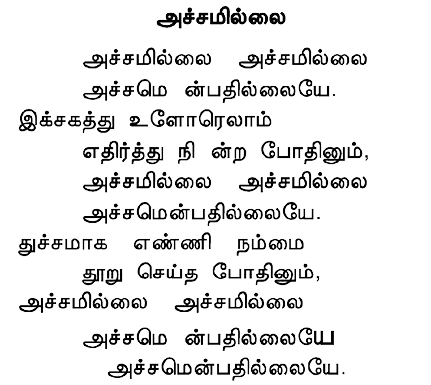
Translation
No Fears
No fears, no fears, no fears!
Even if the whole world
stands against us.
No fears, no fears, no fears!
Even if we are scorned
and reviled,
No fears, no fears, no fears!
Transliteration
Creative Writing in English and Translation
“Oh! Is it a translation? I thought it was an original!”
The above exclamation can perhaps be reversed in the case of the following passage: “Oh! Is it an original? I thought it was a translation!”
“But Moorthy will not come tonight. Vasudev has finished his meal, and has washed his hands, and as he comes out Gangadhar is there with his son and his brother-in-law, and they all look towards the valley, where there is nothing but a well-like silence and the scattered whiffs of fireflies. From behind the Bebbur jungle comes the mournful cry of jackals, and from somewhere beyond the Puppur mountains comes the grunt of a cheetah or tiger, and the carts are already seen to pull up the Mena Ghats. Everybody goes from this side to that, and Rachanna swears he has seen the light and Madanna says he has seen it, too, and they all rise up…”
Read the above passage carefully. Do you think it is a translation? Or is it an original piece of writing in English? Notice that it sounds like a translation because the use of English language here clearly demonstrates how the idiom, the rhythm, the style as well as the mode of this writing belongs to a culture somewhat alien to the ‘English sensibility’ that is usually seen in original writing in English. This is because the English language here has ‘accommodated’ Kannada language and its culture and tone. This passage is from Raja Rao’s novel Kanthapurawritten originally in English in 1937 when the author said in the Preface to his novel: “We cannot write like the English. We should not. We can write only as Indians. We have grown to look at the large world as part of us… The tempo of Indian life must be infused into our English expression…” In such an act of writing, inevitably, translation gets infused into the process of creative writing in English in India. Clearly, there is a blurring of lines between ‘creative writing’ and ‘translation’ in such cases.
This writing, then, may be perceived as yet another type of translation! The process of translation combines with the act of writing in the very ‘original’ making of a novel, a short story, a poem etc.
II. Types of Translation
There are different registers of language and vocabulary for translation in different areas such as law, science, technology, medicine etc. One needs to be conversant with the nuances and the culture of the target language for literary translation. For legal, technical, medical translation one needs to know the terms and vocabulary specific to the field. Also, translation of news is a constant feature, both in the print as well as in the electronic media. Translation is an important faculty used by interpreters who mediate between two individuals who do not know each other’s language.
Translation in Print and Electronic Media
For the translation of news from different regions/states and countries, a large number of translators are employed by newspapers, radio, television etc. This kind of translation is generally a very ‘free’ translation, since the purpose is to communicate the news rather than look at the aesthetics of expression. Here, faithfulness to the content is considered more important. The authenticity of the news is verified and then transferred in another language for another community or society.
It is not easy to get authentic reports or facts unless one is able to use the locally specific information which is found usually in indigenous tongues and, many a time, one discovers howlers in newspapers in reports of news picked up from the local language. Due to bad translation, the story may get distorted and misrepresented. A news reporter, therefore, has to first of all select news from as wide a range of languages as possible and then a proper translation of the same must be done to convey the same appropriately to the readers.
For the overall development of the modern society, mass communication plays a vital role — through quick dissemination of information pertaining to different aspects of life to a wider public. In this respect, the different media such as newspapers, magazines, radio and television aim at collecting information and news from as many countries/states/regions and societies as possible, to attempt to inform, educate and persuade people towards certain action or change.
See xfrfof/ / Activity 27 on Page 182
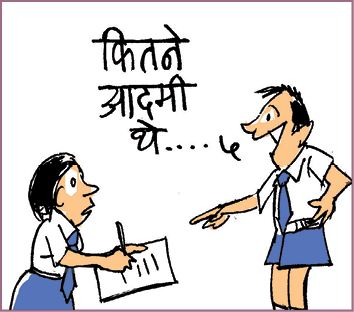
oqQN fI+kQYeksa osQ viuh ilan osQ fdUgha ik¡p MkW;ykWx dk vuqokn djsaA fiQj ik¡p&ik¡p osQ lewg esa vius vuqokn ij ckrphr dhft, ;g ns[krs gq, fd laoknksa dh laizs"k.kh;rk dgk¡ rd vuwfnr Hkk"kk esa vk ikbZ gSA
Translate any five dialogues from films of your choice. In groups of five share your translations and discuss how far the translations have been able to communicate the original meaning.
For dubbing, sub-titling as well as for voice-overs in films and television, sensitive and good translation faculties are essential. For effective dubbing, the translated dialogue is synchronised with the lip movements and gestures of the actor in the film. The aim is to make the audience feel as if they are listening to actors actually speaking in the target language. Recent technology, interestingly, has developed a method of digital alteration of lip movement as well. As for sub-titling, translation of the source language dialogue into the target language is supplied in the form of synchronised captions, usually at the bottom of the screen. This has to be done carefully so that there is minimum disturbance to the source text. This kind of translation remains as close to the original as possible. Have you watched any film/song sequence dubbed in a different language? How was the experience? Was there any line that you would have translated differently?
For lack of competent and good quality translation skills, messages can get completely distorted and, at times, clumsy. It has been seen how a highly serious, even tragic, content can sometimes turn comic due to a bad representation of the same in translation! Thus, for the electronic media, it is crucial that more and more competent translators become available.
Translators as Interpreters
In our country, in some institutions, members from different language groups work together. To facilitate communication and useful discussions, a large number of interpreters and translators are employed there. On-the-spot, spontaneous translation is imperative for them.
An interpreter has to be necessarily a strong bilingual/multilingual person who has the skill to instantly translate for conversations to proceed. Political, cultural and any other kind of exchange between ambassadors, leaders and representatives of different countries in different departments thus depends on interpreters to be able to negotiate, converse and understand each other.

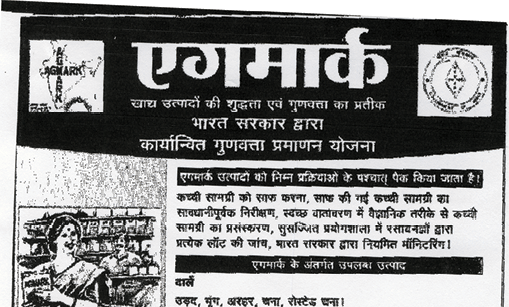
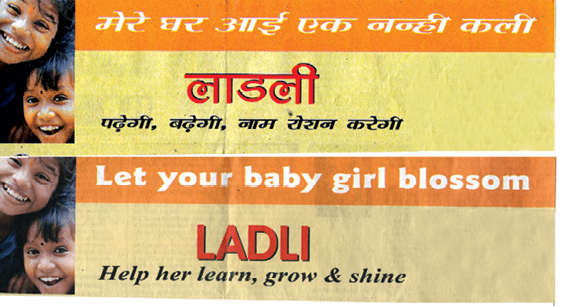
Parts of advertisements in Hindi and English to spread awareness
Advertising and Translation
For the world of commerce and marketing, advertising is an essential component as a form of mass communication. It is a powerful tool for the flow of information from the seller to the buyer as it influences and persuades people to act or believe. There are many special and specific reasons for using advertising in its several forms. Announcing a new product or service, expanding the market to include new buyers, announcing a modification or a price change, educating customers, challenging competition, recruitment of staff and attracting investors are a few such reasons. In the process of creating advertisements for all these reasons, choice of expression and language are of crucial importance. An advertisement created in one language for a particular region may not be effective in another region due to both, a difference of language as well as culture. It would have to be translated accordingly, for the purpose of communication to be served.
Governments too, at times, have to issue the same announcements in different languages to promote tourism or serve public interests and create awareness amongst people on various issues. Advertising gives the public the right to choose between many options, many brands. Again, for these options to become real options, people need to understand the message of the advertisement effectively. For this the right language and cultural communication has to be established by the advertiser. The language, to be properly understood, may have to be a dialect. Television, radio, the internet etc. have evolved as very popular means of advertising and have an impact on both the literate as well as the illiterate population of the country.
The use of advertising for the transmission of information dates back to ancient Greece and Rome, when criers and signs were used to carry information for advertising goods and services. This practice was continued even during the middle ages.
Scientific and Technical Translation
With the rapid advancement of science and technology, new words for new concepts, inventions and techniques have come into existence. Even dictionaries are not able to keep pace with the growth of vocabulary. There are serious problems of translating scientific and technical literature due to the lack of appropriate equivalents in different languages. Coining, borrowing and transliteration of words and terms is being adhered to in translation of such work. To remain up-to-date with knowledge production in these fields, and to carry on with scientific research more meaningfully, a lot of translation activity is encouraged. Scientific and technical translation is also a prerequisite for acquisition of technology as well as for the knowledge of its operation.
In science and technical translation, the language of translation has to be direct, precise and clear. Also, there has to be a standardisation of terms and concepts. The style must be impersonal and simple. The register used should be scientific with neither any rhyme scheme or deviation of meaning as in literary translation. The translator must have good command of both the subject matter and the language to be able to translate well.
Medical Translation
If you take a bottle of one of your prescribed medicines, you will see various types of information on it — the dosage, frequency of use, storage instructions, side effects, warnings etc. — often in more than one language. Translation is required for distribution of medicines and medical devices in different regions and countries. In many countries, where the medicines have to be sold, translation of all information listed above is mandatory. The translators of such materials must be highly aware of the source and target languages and cultures as well as the subject they will translate. Such translations have to meet all local as well as international regulatory guidelines.
Pharmaceutical and medical translation requires complete attention to detail and indepth subject-matter expertise because poor translation can lead to misinterpretation and great risk to peoples’ health.
Academic Translation
For academic translation you have to be well-versed in the subject. Keen observation and attention to detail is a must. Following is an example from Themes in Indian History, Part II, forclass XII. The information recorded by Ibn Battuta in Arabic has become widely available for readers from different disciplines and cultures because of translation. This is true of academic exercises in general.
On horse and on foot
This is how Ibn Battuta describes the postal system:
In India the postal system is of two kinds. The horse post, called uluq, is run by royal horses stationed at a distance of every four miles. The foot-post has three stations per mile; it is calleddawa, that is one-third of a mile... Now, at every third of a mile there is a well-populated village, outside which are three pavilions in which sit men with girded loins ready to start. Each of them carries a rod, two cubits in length, with copper bells at the top. When the courier starts from the city he holds the letter in one hand and the rod with its bells on the other; and he runs as fast as he can. When the men in the pavilion hear the ringing of the bell they get ready. As soon as the courier reaches them, one of them takes the letter from his hand and runs at top speed shaking the rod all the while until he reaches the next dawa. And the same process continues till the letter reaches its destination. This foot-post is quicker than the horse-post; and often it is used to transport the fruits of Khurasan which are much desired in India.
?kksM+s ij vkSj iSny
Mkd O;oLFkk dk o.kZu bCu crwrk bl izdkj djrk gS –
Hkkjr esa nks izdkj dh Mkd O;oLFkk gSA v'o Mkd O;oLFkk ftls myqd dgk tkrk gS] gj pkj ehy dh nwjh ij LFkkfir jktdh; ?kksM+ksa }kjk pkfyr gksrh gSA iSny Mkd O;oLFkk osQ izfr ehy rhu voLFkku gksrs gSa_ bls nkok dgk tkrk gS] vkSj ;g ,d ehy dk ,d&frgkbZ gksrk gS--- vc] gj rhu ehy ij ?kuh vkcknh okyk ,d xk¡o gksrk gS ftlosQ ckgj rhu eaMi gksrs gSa ftuesa yksx dk;Z vkjaHk osQ fy, rS;kj cSBs jgrs gSaA muesa ls izR;sd osQ ikl nks gkFk yach ,d NM+ gksrh gS ftlosQ mQij rk¡cs dh ?kafV;k¡ yxh gksrh gSaA tc lans'kokgd 'kgj ls ;k=kk vkjaHk djrk gS rks ,d gkFk esa i=k rFkk nwljs esa ?kafV;ksa lfgr NM+ fy, og {kerkuqlkj rs”k Hkkxrk gSA tc eaMi esa cSBs yksx ?kafV;ksa dh vkok”k lqurs gSa rks os rS;kj gks tkrs gSaA tSls gh lans'kokgd muosQ ikl igq¡prk gS] muesa ls ,d mlls i=k ysrk gS vkSj og NM+ fgykrs gq, iwjh rkdr ls nkSM+rk gS] tc rd og vxys nkok rd ugha igq¡p tkrkA i=k osQ vius xarO; LFkku rd igq¡pus rd ;gh izfozQ;k pyrh jgrh gSA ;g iSny Mkd O;oLFkk v'o Mkd O;oLFkk ls vf/d&rhoz gksrh gS_ vkSj bldk iz;ksx vdlj [kqjklku osQ iQyksa osQ ifjogu osQ fy, gksrk gS] ftUgsa Hkkjr esa cgqr ilan fd;k tkrk gSA
Legal Translation
Prohibition of employment of children in factories, etc. — No child below the age of fourteen years shall be employed to work in any factory or mine or engaged in any other hazardous employment.
For legal translation, the translator has to have a thorough knowledge of legal terms and be aware of the specificity of legal language because certain terms have specific connotations. For example, in a classroom an assignment means a task allotted to the students whereas in legal terms it refers to transfer of ownership. The assignment of copyright by an author or composer to a third party would mean that this party now has control and ownership over the copyright i.e. sale or reproduction of the artist’s work. Find two terms that you use commonly that have different meanings in different contexts.
| Prohibition of employment of
children in factories, etc. — No child
below the age of fourteen years shall
be employed to work in any factory
or mine or engaged in any other
hazardous employment. |
dkj[kkuksa vkfn esa ckydksa osQ fu;kstu dk izfr"ks/ & pkSng o"kZ ls de vk;q osQ fdlh ckyd dks fdlh dkj[kkus ;k [kku esa dke djus ds fy, fu;ksftr ugha fd;k tk,xk ;k fdlh vU; ifjladVe; fu;kstu esa ugha yxk;k tk,xkA |
Article 24 of the Constitution of India. It is an example of an exact translation from the English to Hindi.
Machine Translation
In today’s context, at the global level too, machine translation has become a flourshing industry. There is a great demand for a large number of expert translators, and technology is required to assist in translating enormous volumes of documents, though, of course, machine translation cannot be a substitute for human input.
Rapid and large volumes of translation are now becoming possible with the advent of new technologies. With adequate human resources and technological development, machine translation can facilitate massive translations. Once equipped with such necessary digital tools as bilingual dictionaries, thesaurus, software for ‘translation memory’ etc., machine translation will offer easy opportunities for exchange and transmission of knowledge. The machine can take on the intra-lingual translation of large bodies of knowledge available in many languages for a much faster overall progress and development of humanity.
Literary Translation
Literary translation presents its own challenges, some of which we have discussed earlier in this chapter. The translator translates a poem, a short story or any other form of literature because she/he is ‘moved’ and ‘touched’ by it in the original language and wishes to carry it to another language, to recreate that experience for others alien to the original language of the text.
I do not hesitate to read ... all good books in translation. What is really best in any book is translatable — any real insight or broad human sentiment.
— Ralph Waldo Emerson
To do this, a mere transference of ‘content’, theme or ‘meaning’ of the original will not suffice. An effective translation attempts carrying across to the other language the very flavour, the tone, mood, emotional content and the thought pattern of the source text. This process demands a sensitive and very close reading of the original text, comprehension of the use of metaphor, idiom and its cultural content and then the transference of that material through a creative use of the target language and its resources.
Kamleshwar’s Partitions is a novel that fictionalises mythologies and histories. All along, it underscores the unnatural division of people and land.
In his author’s note, Kamleshwar writes “this novel was born out of a constant ferment within my mind...” Here is an excerpt from the novel Kitne Pakistan originally written in Hindi.
mldk iwjk dLck] mlosQ dLcs dk viuk eksgYyk] eksgYys dh dbZ f[kM+fd;k¡ Hkh mls ekSu gljr ls ns[krh fn[kkbZ nh FkhaA dHkh&dHkh cjlkr osQ fnuksa esa ykSVrs gq, ik¡oksa osQ fu'kku fn[kkbZ iM+ tkrs FksA ”;knk ckfj'k gqbZ rks fu'kku igys rks Hkjh vk¡[k dh rjg McMckrs Fks] fiQj ns[krs&ns[krs feV tkrs FksA okil x, iSj fiQj u”kj ugha vkrs FksA oqQN vk¡[ksa Fkha] tks dguk rks cgqr oqQN pkgrh Fkha] ij mUgksaus dHkh oqQN dgk ugha FkkA dgha dksbZ dkty yxh vk¡[k my>h FkhA fdlh f[kM+dh esa gYdh&lh dksbZ ijNkb±A fdlh esa b'kkjk djrh dksbZ m¡xyhA dgha 'kjek osQ ykSVrs gq, v/wjs vjeku vkSj dgha fdlh etcwjh dh dksbZ nkLrku---
vthc fnu FksA
uhe osQ >jrs gq, iwQyksa osQ fnuA
dusj esa vkrh ihyh dfy;ksa osQ fnuA
u chrusokyh nksigfj;ksa osQ fnuA
vkSj fiQj ,d osQ ckn ,d] yxkrkj chrrs gq, fn'kkghu fnu---
Given below is its translation in English.
It seemed almost as if his entire kasbah with its many windows gazed at him in silent supplication. Sometimes, the impressions of retraced steps could be made out in the dust after a light shower; heavy rains filled up these little depressions with water as though they were tear-laden eyes that would dry up with time and disappear forever. Some eyes longed to say so much; but not a word did they utter. Here, a kajal-rimmed eye beckoned; there, a silhouette stood framed by a window; a gesturing finger or shamefaced yearnings, homeward-bound, driven by a tale born of despair...
Those were strange times.
Days passed like neem flowers drifting to the ground.
Days that resembled yellow kaner blossoms.
Days that seemed like endless afternoons.
And then came days bereft of any direction...
– an extract from Partitions
(Translated by Ameena Kazi Ansari)
No translation is a mundane task but literary translation is particularly creative. It is a creative and challenging endeavour that yields nearly the same pleasure of creation as that of creative writing. That is why many creative writers have also been great translators.
In the re-creation of the original, in fact, another ‘original’ is born because the new text has to stand on its own with its own appeal. Only then will it acquire a special attraction. To strike a blend of beauty, readability and ‘fidelity’ is what the translator has to strive for. Sometimes the translator only focuses on the shell and not the kernel of the original and, what is achieved then is a literal and word-for-word translation but not literary translation that tries to capture varied nuances present in the language of the original text. A translation may end up being an adaptation due to the difficulty of the task. Ayappa Panikkar, the great Malayalam poet, rightly emphasised on total ‘interiorisation’ of the original text before attempting its translation.
Each type of translation has its own register to follow. While literary translation may use figurative language and words with unbridled connotations of meaning, scientific translation attempts to use words which are precise and free from alternative meanings. There is no emotion in scientific translation. Medical and legal translation too demand simple and accurate transmission of information and not a play of language and meaning. While all kinds of translations are challenging, it is literary translation that accords the translator the maximum range of creativity to totally transform the ‘original’ into becoming a powerful experience in yet another language.
laokn / Exercises
1- vuqokn gekjh Hkk"kk dk foLrkj djrk gS] oSQls\
How does translation enrich our language?
2- fdlh vaxsz”kh lekpkj dks ¯gnh esa vius 'kCnksa esa fyf[k,A
Rewrite in English any news story given in Hindi.
3- vkidks dc vkSj D;ksa vuqokn dh vko';drk eglwl gksrh gS\
When and why do you feel the need for translation?
4- cgqHkk"kh gksuk vkiosQ thou esa fdl izdkj lqfo/k iznku djrk gS\
How does being multilingual prove useful to you?
5- fuEufyf[kr okD;ksa dks è;ku ls if<+, –
- jks'kukbZ iQhdh gSA
- psgjk iQhdk gSA
- pk; iQhdh gSA
- ekSle iQhdk gSA
pkjksa okD;ksa esa ^iQhdk* vyx&vyx vFkks± esa vk;k gSA budk vaxzs”kh esa vuqokn djsaA
Read the following sentences.
-This train runs from Delhi to Guwahati.
-Water runs from tap to tub.
-He runs in the fi eld.
-She runs a dance school in the evening.
The word ‘runs’ has been used in different contexts. Translate these sentences into Hindi.
6- 'Flying planes can be dangerous' — bl okD; osQ fdrus vFkZ fudy ldrs gSa\
7- [ksyksa ls tqM+s chl 'kCn pqfu, vkSj fyf[k,A viuh ekr`Hkk"kk ;k vaxzs”kh esa vuqokn dhft,A
Write twenty words from the field of sports — now translate these into your mother tongue or Hindi.
8- vki lkeku [kjhnrs gSa] db;ksa dh iSfoaQx esa oqQN lwpuk,¡ nh gqbZ gksrh gSa] os dbZ Hkk"kkvksa esa gksrh gSa] ,slk djus osQ D;k iQk;ns gSa\
On most of the items that we purchase the instructions are given in many languages. How does this help us?
9- vuqokn nqfu;k dks le>us dh ,d f[kM+dh gSA vius fopkj fyf[k,A
Translation has opened a window to the world. Give your views.
10- vuqeku ls crk,¡ fd bl fp=k esa vkneh D;k dg jgk gS\
What is your interpretation of the following picture? What is the man saying? Write in Hindi or in English.
The Knowledge Commission of the Government of India has recommended the setting up of a National Translation Mission. This is in recognition of the value of translation towards building bridges amongst the multiple communities flourishing within their own language and cultural worlds. This is also to facilitate exchange of literature and knowledge between them and the world outside.
अपनी बात
In my words