2 Media Writing
मीडिया लेखन

2. मीडिया लेखन
I. फीचर लिखना
II. लेख लिखना
III. स्क्रिप्ट (रेडियो , टेलीविज़न )
IV. नए माध्यमों के लिए लिखना
2. Media Writing
I. Feature Writing
II. Article Writing
III. Script (Radio, Television)
IV. Writing for New Media
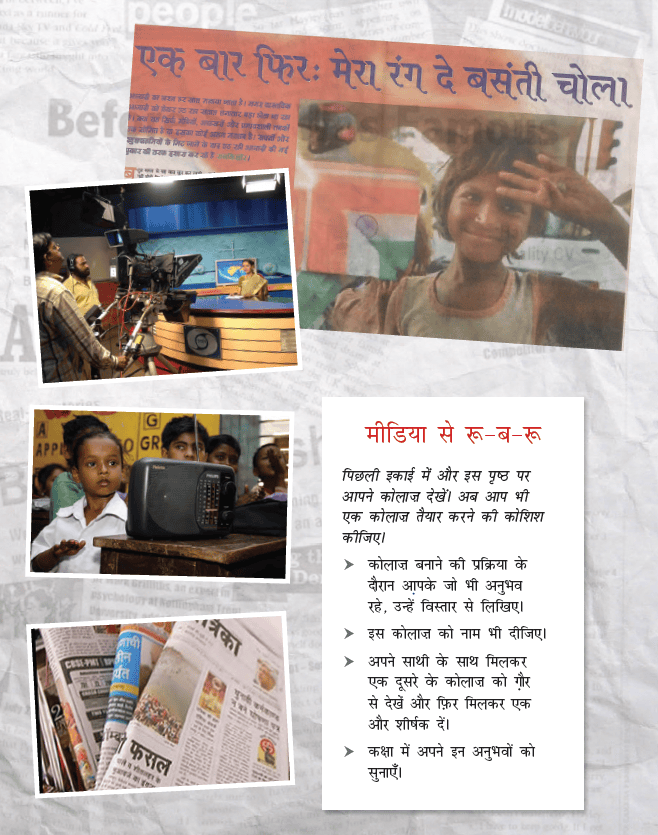
मीडिया से रू - ब - रू
पिछली इकाई में और इस पृष्ठ पर
आपने कोलाज़ देखें। अब आप भी
एक कोलाज़ तैयार करने की कोशिश कीजिए।
कोलाज़ बनाने की प्रक्रिया के

दौरान आपके जो भी अनुभव ।
रहे, उन्हें विस्तार से लिखिए। ।
इस कोलाज़ को नाम भी दीजिए।
अपने साथी के साथ मिलकर
एक दूसरे के कोलाज्ञ को गौर
से देखें और फ़िर मिलकर एक
और शीर्षक दें।
कक्षा में अपने इन अनुभवों को
सुनाएँ।
1 फ़ीचर लिखना
समाचारपत्रों और पत्रिकाओं में आपको सबसे अधिक क्या भाता है? निश्चय ही, आप में से अधिकांश लोगों का उत्तर होगा, रिपोर्ट और आलेख, जिनमें न सिर्फ़ सूचनाएँ और जानकारियाँ होती हैं बल्कि मनोरंजक भी होते हैं। इन रिपोर्टो और आलेखों की लेखन शैली और भाषा, समाचारों और लेखों की भाषा और शैली से अलग रूपात्मक, रंजक और मन को छूने वाली होती है। इन रिपोर्टो और आलेखों को पसंद किए जाने की सबसे बड़ी वजह यह है कि ये सीधे पाठकों के अंतर्मन को छूती हैं। उन्हें गुदगुदाती, रुलाती, उदास या उत्साहित करती हैं। समाचार रिपोर्टो की एकरस, खास ढरें वाली और कभी-कभी उबाऊ शैली के बीच अपने नएपन और सृजनात्मक शैली के कारण ताज़ा हवा के झोंके की तरह महसूस होती हैं।
समाचारपत्रों और पत्रिकाओं में इन मनोरंजक लेकिन सूचना और शिक्षाप्रद रिपोटों और आलेखों को फ़ीचर (रूपक) कहा जाता है।
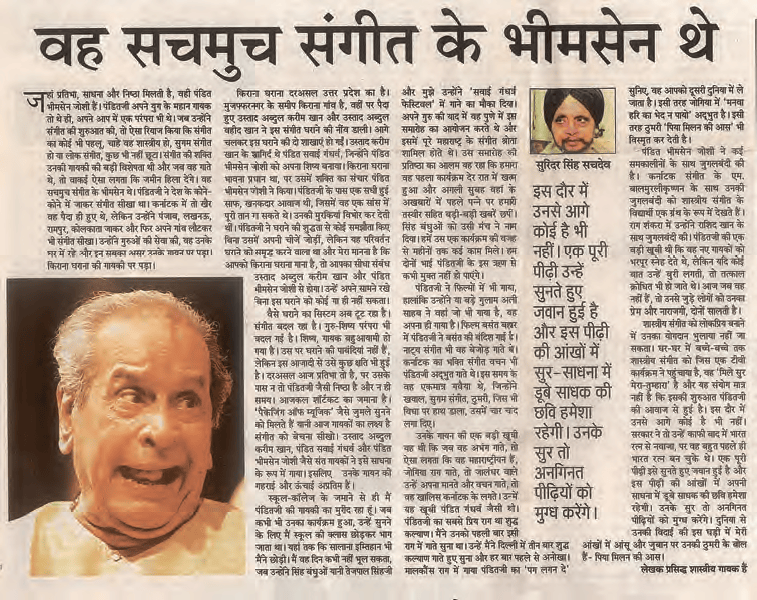
फीचर का एक नमूना
(जनसत्ता से साभार )
हालाँकि समाचारपत्रों और पत्रिकाओं का मुख्य कार्य अपने पाठकों को तात्कालिक घटनाओं, समस्याओं और मुद्दों के बारे में सूचनाएँ यानी समाचार देना हे लेकिन इसके साथ ही उनका एक और महत्वपूर्ण काम अपने पाठकों का मनोरंजन करना भी हे। इस तरह की सामग्री यानी फ़ीचर की सबसे बड़ी खासियत यह होती हे कि यह समाचार लेखन के एक निश्चित ढाँचे से अलग हटकर लेखन में कुछ नया और प्रयोग करने की आज्ञादी और अवसर देता है।
क्या नहीं है फ़ीचर?
याद रखिए एक अच्छा फ़ीचर किसी बैठक या सभा का विवरण नहीं है। फ़ीचर बड़ी घटनाओं, कार्यक्रमों और समारोहों का निर्जीव ब्यौरा नहीं है। फ़ीचर गंभीर ओर सूखी शोध रिपोर्ट थी नहीं है। फ़ीचर किसी घटना, मुद्दे, समस्या और विषय का बोझिल सारांश भी नहीं है। फ़ीचर समाचार नहीं है और ना ही समाचार की तरह लिखा जाता है। - फ़ीचर संपादकीय या अग्रलेख की तरह किसी घटना, मुद्दे या समस्या का गंभीर विश्लेषण भी नहीं है।
क्या है फ़ीचर?
एक अच्छा फ़ीचर वास्तव में एक तथ्यात्मक कहानी है, जिसमें सृजनात्मक ऊर्जा भरी होती है। इसका मुख्य उद्देश्य पाठकों का मनोरंजन होता है और भाषा-शैली सजीव, सरस और मन को छूने वाली होती है। समाचार लेखन की तुलना में फ़ीचर लेखन कम वस्तुनिष्ठ होता है क्योंकि इसके लेखक को अपने विचार या व्यक्तिगत दृष्टि रखने के साथ-साथ म्रोतों के चयन, लेखन शैली और प्रस्तुति में पर्याप्त आज़ादी होती है।
इस मायने में फ़ीचर एक सृजनात्मक लेखन है। 'फ़ीचर किसी भी विषय या मुद्दे पर लिखा जा सकता है। वह गंभीर भी हो सकता है और हल्का-फुल्का भी लेकिन उसकी सबसे बड़ी खूबी यह होती है कि उसमें मानवीय रुचियों और संवेदनाओं का पूरा- ध्यान रखा जाता है। समाचारों के विपरीत उसमें कल्पनाशीलता और अपने मनोभावों को ज़ाहिर करने की जगह होती है। फीचर में लेखक को शब्दों के ज़रिए चित्र खींचने और रूपक गढ़ने की आज्ञादी होती है। अपनी इन्हीं खूबियों के कारण फ़ीचर को पाठक बहुत पसंद करते हैं। फ़ीचर की इस बढ़ती लोकप्रियता के कारण ही समाचारपत्रों और पत्रिकाओं में फ़ीचर को अधिक-से-अधिक जगह मिल रही है। अधिकांश समाचारपत्रों और पत्रिकाओं में फ़ीचर सामग्री के लिए न सिर्फ़ अलग पृष्ठ निर्धारित हैं बल्कि फ़ीचर आधारित परिशिष्ट भी नियमित रूप से प्रकाशित हो रहे हें।
'फ़ीचर की प्रमुख विशेषताएँ
एक अच्छे और प्रभावशाली फ़ीचर लेखन के लिए ज़रूरी है कि पहले एक अच्छे और आकर्षक फ़ीचर की विशेषताओं को समझा जाए वास्तव में एक अच्छा और प्रभावपूर्ण फ़ीचर कई तत्त्वों से मिलकर बना एक ऐसा पैकेज है, जिसमें भाषा और शेली के स्तर पर कई रंग शामिल हैं।
एक अच्छे फ़ीचर में निम्नलिखित बातों का होना ज़रूरी हे-
1 . सृजनात्मक ऊर्जा
एक अच्छे फ़ीचर में सृजनात्मक ऊर्जा का होना बहुत ज़रूरी है। यह ऊर्जा भाषा, शैली और प्रस्तुति के बीच बेहतर तालमेल से पैदा होती है। फ़ीचर लेखन में विषय के अनुरूप शब्दों के चयन, छोटे और सरल वाक्यों, प्रभावशाली अवलोकन और दिलचस्प विवरणों, उदाहरणों, वृत्तांतों के ज़रिए यह सृजनात्यक ऊर्जा पैदा कौ जा सकती है।
2. पाठकों को आकृष्ट करने वाल़ा
एक अच्छे फीचर की सबसे बड़ी खूबी यह होती है कि बह स्रीधे पाठकों को छूने बाला होना चाहिए। विषय के चयन और प्रस्तुति के ज़रिए फ़ौचर को पाठकों के लिए प्रासंगिक और उपयोगी बनाकर उनके दिल और दिमाग को छुआ जा सकता है।
3. तथ्यों और व्यक्तियों को महत्त्व
कोई भी फ़ीचर तथ्यों यानी सूचनाओं और जानकारियों के बिना बेमानी है। इसी तरह कोई भी सूचना या जानकारी अगर व्यक्तियों के ज़रिए दी जाए तो पाठक उसे आसानी से समझ पाते हैं और उसके साथ जुड़ाव महसूस कर पाते हैं। असल में फ़ौचर एक ऐसी तथ्यात्मक कहानी है जो व्यक्तियों यानी कथा के पात्रों के बिना निर्जीव, उबाऊ और बोझिल हो जाती है।
4. कोण (एंगल)
हर विषय के कई कोण होते हैं। ऐसे में जिस भी विषय पर फ़ौचर लिखना हो, उसका एक आकर्षक और प्रासंगिक कोण तलाशना बहुत ज़रूरी है। यह कोण हो किसौ फ़ौचर को सबसे अलग और दिलचस्प बनाता है। फ़ोौचर का कोण सामयिक, नया, दिलचस्प और उपयोगी होना चाहिए।
5. गतिविधि
फ़ीचर को सजीव बनाने के लिए उसमें गतिविधि को जगह देनीं चाहिए। कोई भी कहानी तभी रोचक बनती है जब उसमें गतिविधि हो।
6. भाषा
फ़ीचर एक तरह का रूपात्मक लेखन है। इसके लिए ज़रूरी है कि फ़ौंचर की भाषा जीवंत, दिलचस्प और आकर्षक हो।६ इसके अलाबा भी फ़ौचर की कई विशेषताएँ हैं जिनमें प्रमुख हैं-फ़ौचर के साथ दिए जाने वाले छायाचित्र (फ़ोयेग्राफ़्स), रेखांकन और ग्राफ़िक्स आदि। एक अच्छे फ़ीचर की तस्वीरों या रेखांकन/ ग्राफ़िक्स के बिना कल्पना नहीं कौ जा सकती है। इनसे फ़ीचर न सिर्फ़ और अधिक दिलचस्प और पठनीय हो जाता है बल्कि प्रस्तुति के स्तर पर और भी प्रभावी बन जाता है।
फ़ीचर लेखन से पूर्व की तैयारी
'फ़ीचर की प्रमुख विशेषताओं से परिचित होने के बाद उसे लिखने की कला सीखने की बारी आती है। लेकिन फ़ीचर लिखने की कला सीखने से पहले यह जानना ज़रूरी हे कि लेखन से पहले क्या और कैसी तैयारी की जानी चाहिए? इससे फ़ीचर लेखन न सिर्फ़ आसान हो जाता हे बल्कि फ़ीचर दिलचस्प और बेहतर बन जाता है। फ़ीचर लेखन की शुरुआत से पहले तैयारी ज़रूरी हे
1. विषय का चयन
एक फ़ीचर लेखक के सामने सबसे पहली और बड़ी चुनौती सामयिक, उपयोगी, दिलचस्प और प्रासंगिक विषय के चुनाव को लेकर होती हे। अधिकांश नए लेखकों को सबसे अधिक समस्या विषय के चुनाव की होती है और उसके सबसे दिलचस्प और सामयिक कोण की खोज में ही करनी पड़ती है। समाचारपत्रों और पत्रिकाओं में फ़ीचर लेखन के लिए विषय का चयन कई बार लेखक भी करता है और कई बार फ़ीचर संपादक भी अपनी ज़रूरत के अनुसार विषय सुझाते हैं।
2. शोध
विषय के चुनाव के बाद उसके बारे में सामग्री इकट्ठा करने के लिए शोध करना पड़ता है। शोध के तहत फ़ीचर के विषय से जुड़े विभिन्न पहलुओं के बारे में पुस्तकालय और इंटरनेट से सामग्री जुटाई जाती है। दस्तावेज़ों, रिपोर्टों, पुस्तकों, पत्रिकाओं और समाचारपत्रों की 'फाइलों को खंगालने पर उस विषय के बारे में काफ़ी जानकारी मिल जाती हे। इसी तरह इंटरनेट जानकारियों और सूचनाओं का एक महासागर है। लेकिन इंटरनेट के इस्तेमाल में सावधानी बरतनी ज़रूरी है क्योंकि वहाँ सामग्री इतनी अधिक होती है कि उसकी विश्वसनीयता की जाँच और छंटाई बहुत मुश्किल हो जाती है।
3. साक्षात्कार और भ्रमण
एक अच्छे और दिलचस्प फ़ीचर के लिए सामग्री जुटाने के वास्ते उस विषय से जुड़े लोगों, विशेषज्ञों ओर जानकारों से मिलना, उनका साक्षात्कार लेना और उन स्थानों की यात्रा ज़रूरी है। इससे फ़ीचर जीवंत और दिलचस्प हो जाता है।
4. फ़ोटो, रेखांकन और ग्राफ़िक्स
आप जिस विषय पर भी फ़ीचर लिख रहे हों, उससे जुड़े फ़ोटेग्राफ़्स, रेखांकन या ग्राफ़िक्स के बारे में भी पहले से योजना बनाकर उन्हें इकट्ठा करना शुरू कर देना चाहिए। एक अच्छे फ़ीचर के लिए आलेख पर जितनी मेहनत की जाती है, उससे कम मेहनत फ़ोटो, रेखांकन और ग्राफ़िक्स पर नहीं होनी चाहिए। इनका इतना अधिक महत्त्व है कि आलेख के बराबर या उससे अधिक जगह फ़ोटो, रेखांकन और ग्राफ़िक्स को दी जाती है।
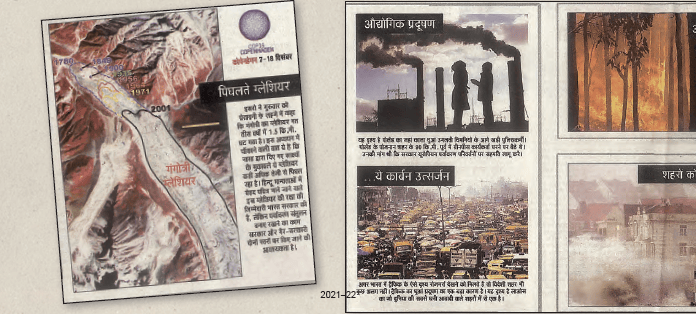
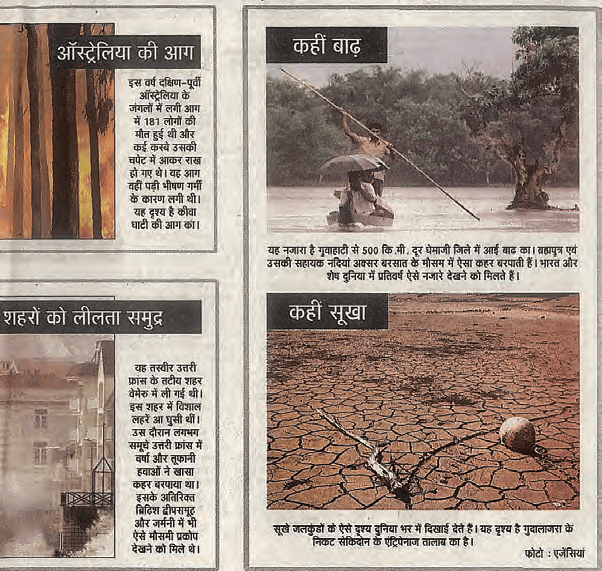
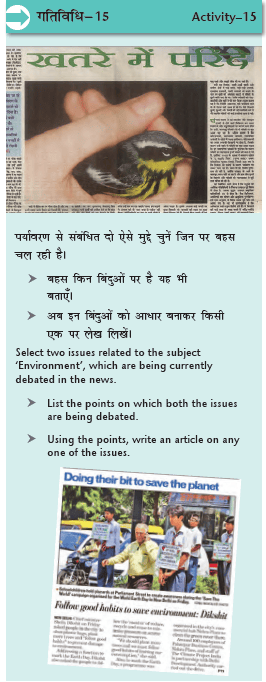
पर्यावरण पर आधारित इस फ़ोटो फ़ीचर को देखिए और एक अच्छा विषय चुनकर एक फ़ीचर लिखिए

फ़ीचर लेखन की प्रक्रिया
'फ़ीचर के लिए ज़रूरी सामग्री इकट्ठा करने के बाद उसके लेखन की बारी आती है। लेखन की शुरुआत करने से पहले कुछ खास बातों का ध्यान रखना ज़रूरी है
- 'फ़ीचर के आकार यानी उसकी शब्द संख्या और उसे मिलने वाली जगह (स्पेस) के बारे में स्पष्टता और अनुशासन का ध्यान रखना ज़रूरी हे।
- फ़ीचर के संभावित पाठक वर्ग की रुचियों, ज़रूरतों और अपेक्षाओं को हमेशा अपने ज़ेहन में रखना चाहिए। विषय के चयन से लेकर उसके लिए सामग्री इकट्ठा करते हुए और फ़िर लिखते हुए यह हमेशा याद रखिए कि उसका पाठक कौन है और वह क्या चाहता हे?
- 'फ़ीचर जिस समाचारपत्र या पत्रिका के लिए लिखा जा रहा है, उसकी प्रकृति, उसके पाठक वर्ग और उसकी भाषा और शैली का ध्यान रखिए। इससे 'फ़ीचर संपादक को संपादन में सहूलियत होती हे।
- इसके साथ ही फ़ीचर लिखते हुए संपादक के निर्देशों का पालन करना भी ज़रूरी है। जैसे अगर संपादक ने 500 शब्दों में फ़ीचर लिखने के लिए कहा है और उसका एंगल भी बताया है तो उस निर्देश का पालन अवश्य किया जाना चाहिए।
फ़ीचर लिखते हुए किसी भी नए लेखक को सबसे अधिक परेशानी यह होती है कि फ़ीचर की शुरुआत कैसे करें, उसको आगे कैसे बढ़ाएँ और उसका अंत कैसे करें? असल में, फ़ीचर लिखने का कोई फॉर्मूला नहीं है। समाचार लेखन की तरह उसकी शुरुआत और उसके ढाँचे का भी कोई नियम नहीं हे। 'फ़ीचर की शुरुआत कहीं से भी हो सकती हे। शर्त सिर्फ़ यह है कि शुरुआत दिलचस्प और पाठक को तुरंत बांध लेने वाली होनी चाहिए। वैसे फ़ीचर की
Activity 11/गतिविधि 11
अपने शहर/इलाके के किसी नदी/झील/तालाब पर 400 शब्दों में एक फ़ीचर लिखिए। इस फ़ीचर में इन सभी पहलुओं का समावेश ज़रूर कीजिए--
नदी/झील/तालाब के बारे में तथ्यात्मक जानकारियाँ, उससे स्थानीय समुदाय को लाभ और उनकी अन्य खूबियाँ
नदी/झील/तालाब के बारे में नगरपालिका/ 'जलकल/प्रदूषण नियंत्रण विभाग के अधिकारी, उसके किनारे रहने वाले और वहाँ घूमने आने वाले दो-तीन व्यक्तियों और किसी वैज्ञानिक या अपने विद्यालय में विज्ञान के शिक्षक से उसकी खूबियों, समस्याओं और महत्त्व पर साक्षात्कार
नदी/झील/तालाब घूमने जाइए और उसकी खूबियों पर नोट्स लीजिए। उनकी कुछ तस्वीरें भी लीजिए जिससे नदी/झील/तालाब की खूबसूरती उभरकर सामने आ सके। इन तस्वीरों को फ़ीचर में शामिल कीजिए-
Write a feature in about 400 words on a river/lake/pond in your locality/town. Include the following while writing the feature—
Factual information about the river/lake/pond. Its usefulness to the locals and other features.
Interview officials from municipal corporation/ water works department pollution control department. Also interview two/ three people living near that area or visitors and any scientist or science teacher of your school about its features, problems and importance.
Visit that river/lake/pond and take notes based on your observation. Take a few photographs highlighting the beauty of that place. Include these in the feature.
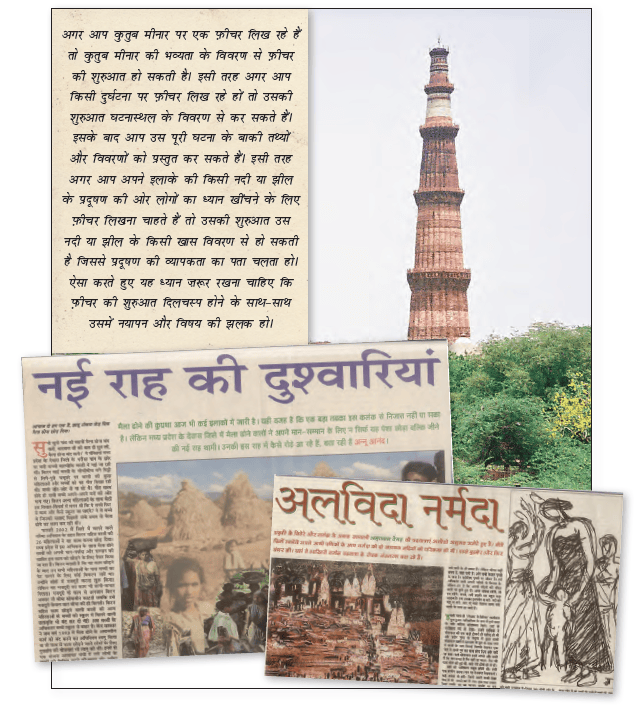
शुरुआत करने के कुछ तरीके भी हैं। सबसे पहला तरीका तो यह है कि आप फ़ीचर को एक वृत्त की तरह सोचें। इस तरह आप फ़ीचर उस वृत्त के जिस भी बिन्दु से शुरू करें, वह कहानी वृत्त का पूरा चक्कर लगाते हुए अंततः उसी बिन्दु पर समाप्त होनी चाहिए, जहाँ से उसकी शुरुआत हुई थी। इसलिए 'फ़ीचर की शुरुआत का कोई सही या गलत तरीका नहीं होता। आमतौर पर फ़ीचर की शुरुआत दो तरह से हो सकती है। पहला यह कि आप जिस विषय पर फ़ीचर लिख रहे हों, उसके किसी खास पहलू के दृश्यात्मक विवरण से फ़ीचर की शुरुआत हो सकती हे।
कैसे खोजें विषय?
फ़ीचर के लिए दिलचस्प विषय या आइडिया की खोज किसी भी नए फ़ीचर लेखक के लिए सबसे बड़ी चुनौती होती है। यह आप भी महसूस करते होंगे। आप किसी समाचारपत्र, पत्रिका या स्कूल की पत्रिका के लिए फ़ीचर लिखना चाहते हैं लेकिन समझ में नहीं आ रहा है कि किस विषय पर लिखें या फ़ीचर के लिए दिलचस्प आइडिया कहाँ से ले आएँ? ज़ाहिर है कि विषय या आइडिया ढूँढ़ने का कोई फॉर्मूला नहीं है लेकिन यकीन मानिए, विषय या आइडिया की खोज इतनी मुश्किल भी नहीं है। अगर आप ये उपाय आज़माएँ तो आपके पास विषय की कमी नहीं होगी-
- आप मानें या न मानें लेकिन सच यही है कि हमारे इर्द-गिर्द विषयों की भरमार रहती है। ज़रूरत है तो सिर्फ़ उसे पहचानने की। इसके लिए ज़रूरी है--अवलोकन क्षमता, कल्पनाशक्ति और विश्लेषण क्षमता। यह क्षमता अपने आस- पास की चीज़ों, समाज, उसके वातावरण और पारस्परिक संबंधों पर बारीक निगाह रखकर और हर अच्छे-बुरे बदलाव को पहचानकर विकसित की जा सकती है। गौर से देखिए तो हमारे आस-पास कितना कुछ बदलता, बनता-टूटता और नया होता रहता है, वह सब हमारे 'फ़ीचर के लिए दिलचस्प विषय हो सकते हें।
- विषय और आइडिया का एक और प्रमुख स्रोत खुद अखबार, पत्रिकाएँ और पुस्तकें हें। समाचारपत्रों, पत्रिकाओं की खबरों, रिपोर्टो, फ़ीचर, साक्षात्कारों, लेखों यहाँ तक कि उनके विज्ञापनों में कई आइडिया छिपे होते हें। उदाहरण के लिए-उस समाचार को लीजिए जिसके मुताबिक मानव संसाधन विकास मंत्री ने घोषणा की हे कि दसवीं में बोर्ड परीक्षाएँ नहीं होंगी। इस खबर के आधार पर आप अपने स्कूल के नवीं और दसवीं के छात्रों, शिक्षकों और अभिभावकों से इस फैसले के विभिन्न पक्षों पर बातचीत करके 'फ़ीचर तैयार कर सकते हैं।
- इसी तरह टीवी, रेडियो और इंटरनेट से भी आपको 'फ़ीचर के कई आइडिया मिल सकते हैं।
- इसके अलावा अपने शिक्षकों, मित्रों, परिजनों, पड़ोसियों और परिचितों से बातचीत में भी आपको कई विषय और आइडिया मिल सकते हें।
- आइडिया को सहेज कर रखना भी उतना ही ज़रूरी है। इसके लिए विषयों की एक अलग से फ़ाइल तैयार करिए। यह फ़ाइल गाहे-बगाहे आपकी मदद करेगी।
'फ़ीचर की शुरुआत यानी इंट्रोडक्शन के बाद उसके मध्य भाग को लिखते हुए कुछ खास बातों का ध्यान रखना जरूरी है। अच्छा तो यह होगा अगर आप फ़ीचर की शुरुआत करते हुए ही उसके अगले हिस्सों के बारे में भली-भाँति विचार कर लें। तात्पर्य यह कि अगर आपने फ़ीचर की दिशा और कथानक के बारे में पहले से सोच रखा है तो आपको शुरुआत के बाद बहुत मुश्किल नहीं होगी। इसका एक बेहतर तरीका यह हो सकता है कि आप पहले सोच लें कि इस फीचर में क्या- क्या ज़रूरी है, जो देना ही है। वे सभी जानकारियाँ एक उचित क्रम में और किसके हवाले से आ यह स्पष्ट होने पर फ़ीचर का विस्तार आसान हो जायेगा।इसके बाद आप एक सहज प्रवाह के साथ हर पैराग्राफ़ में एक महत्वपूर्ण जानकारी/तथ्य देते हुए फ़ीचर को आगे बढ़ा सकते हैं।
'फ़ीचर की शरुआत करने का दूसरा तरीका यह हे कि फ़ौचर की शुरुआत में ही प्रमुख पात्र का परिचय देते हुए उसके ज़रिए उस विषय या समस्या या मुद्दे कथा को उठाया जाए। इसके बाद उस विषय या समस्या के अन्य पहलुओं और जानकारियों को प्रस्तुत किया जाए। असल में फ़ीचर की शुरुआत बहुत हद तक इस बात पर निर्भर करती है कि आपने फ़ीचर के लिए तैयारी करते हुए अपने शोध, साक्षात्कारों और प्रत्यक्ष अनुभव के ज़रिए क्या कुछ खोजा है। आपके पास जितनी अधिक जानकारी और अच्छे साक्षात्कार होंगे आप उतना ही अच्छा फ़ीचर लिख सकेंगे। उदाहरण के लिए, इन्ही विशेषताओं से भरपूर नीचे एक फ़ीचर दिया जा रहा हे-
महान क्यों हैं सचिन
महानता के कई घटकों में से दीर्घता को सबसे पहले अलग रख दें क्योंकि पारखी लोग गरिमा, खूबसूरती ओर नफ़ासत की बात करेंगे; प्रशंशधक आँकड़ों, टेस्ट रन, मेजर्स, ग्रेंड स्लैय, ओलंपिक पदक की बात करेंगे; लेखक जीते गए यादगार मुकाबलों की बात करेंगे; तो रोमांटिक लोग बहादुरी भरे प्रयासों का ज़िक्र करेंगे लेकिन दीर्घता? यह तो मशीनों की होती है, निश्चित ही आप यह नहीं कह सकते कि सचिन तेंडुलकर इसलिए महान हैं क्योंकि वे 20 वर्ष खेल चुके हैं। क्या ऐसा कह सकते हैं? है न बेकार की बात? इसके बावजूद यही मेरा शोध हे। दीर्घता में वे सारे गुण हैं जो सबको प्रिय हैं। अगर आप 20 साल तक खेलते रहते हैं तो निश्चित ही आपमें एक खिलाड़ी के सभी गुण विद्यमान हैं। आप॑ सचिन की महान पारियों पर नज़र डाल सकते हैं, आप अपने दिमाग में संजोकर रखे सभी दृश्यों को याद कर सकते हैं; आप उनके आकड़ों पर गौर कर सकते हैं लेकिन यह तथ्य कि उन्होंने अपना शरीर और दिमाग एकदम स्वस्थ बनाए रखा ओर 20 वर्षों के लंबे दोर तक खेलते रहे हैं; सभी को चकरा देता है। इसका अर्थ यह है कि वे अलग-अलग दौर में दुनिया के सर्वश्रेष्ठ गेंदबाजों के खिलाफ़ खेल चुके हैं; वे अत्यंत तेज़ पिचों पर, घुमावदार पिचों पर खेल चुके हैं; वे ठंडे और बादलों से भरे दिनों और तपते मौसम में खेल चुके हैं; वे परिवारजनों और प्रशंसकों से भरे घरेलू मेदानों और दूर देश में अकेलेपन में खेल चुके हैं। दर्द और थकान के बावजूद उनका शरीर दिमाग के सभी आदेशों का पालन करता रहा है। ओर उन्होंने यह सब किसी तरह झेलकर नहीं किया हे बल्कि हर अवसर पर वे अपनी छाप छोड़ते रहे हैं। यह एक शानदार उपलब्धि है। इंग्लैंड के अपने पहले दौरे पर उन्होंने एडी हेमिग्स के खिलाफ़ बल्लेबाजी की थी जिन्होंने अपने प्रथम श्रेणी के मैचों की शुरुआत, सचिन के पैदा होने से सात साल पहले की थी। और अब वे उन लड़कों के साथ ड्रेसिग रूम में बैठते हैं, जो उनको पहला शतक लगाने के वक्त पैदा ही हुए थे।
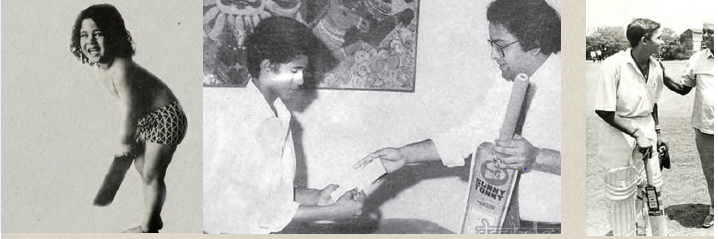
अपने अब तक के सफ़र में उन्हें लोगों की भारी व अतर्कपूर्ण उम्मीदों के बीच खेलना पड़ा है-ऐसे लोग जो उनमें कोर्ई भी कमी नहीं देखते, तो ऐसे थी लोग जो खुर्दबीन लेकर उनमें खामियाँ तलाशते रहते हैं। वे दर्शकों के भारी शोणयुल के बीच मैदान पर उतर चुके हैं और तब भी उन आवाज़ों को अनसुना करना पड़ा है। लोग उन्हें दुनिया की हर चीज़, दौलत, सम्मान,
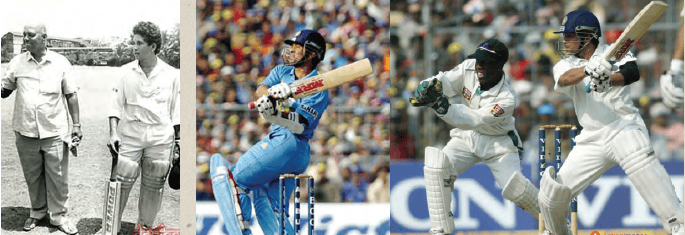
कृतज्ञता देने को तैयार रहे हैं लेकिन उनकी तो बस एक ही इच्छा रही हे-क्रिकेट खेलना, एक सिर्फ़ क्रिकेट खेलना ही उनका लक्ष्य हैं। इस मामले में वे सर गैरी सोबर्स की तरह हैं, एकमात्र दूसरा खिलाड़ी जिसने 20 वर्ष तक अंतर्राष्ट्रीय क्रिकेट खेला। सोबर्स ने भी क्रिकेट रोमांच के लिए खेला था। तो क्या दीर्घता का राज़ यही है? खेल का आनंद लेना? हर सुबह? बच्चों जैसे उत्साह के साथ ही उनमें एक ऐसा गंभीर शख्स भी है जो अपने खेल को किसी भी दूसरे व्यक्ति से ज़्यादा समझता है। सचिन क्रिकेट के बारे में पूरी गहराई से सोचते हैं, उनका दिमाग इसके दांव-पेचों को आश्चर्यजनक रूप से इतना सरल बना देता है कि वे एकदम शांत होकर बल्लेबाज़ी के लिए मैदान पर उतर जाते हैं। वे न तो गेंदबाज को देखते हें ओर न ही वहाँ की स्थितियों को, वे तो बस अपनी ओर आती गेंद पर नज़र रखते हैं। सचिन अपनी सहजदवृत्ति जाते हैं। वे इस अंक में अपनी बातचीत में कहते हैं, “यह ध्यान की वह अवस्था है जब आप सब कुछ भूल जाते हैं।” वे कहते हैं, “एक ही स्थिति में और एक ही रफ़्तार पर एक ही गेंदबाज के खिलाफ़ खेलते हुए जब आपका दिमाग मुक्त होता है तो आपके पास शॉट खेलने के लिए समय होता है; लेकिन जब आपके दिमाग में बहुत सारे विचार भरे होते हैं तो आप शॉट खेलने में देर कर देते हैं।” ध्यान केंद्रित करने का उनका यही गुण उन्हें दूसरों से अलग करता है। शायद इसी वजह से वे क्रिकेट के मैदान पर कभी अपना आपा नहीं खोते। उन्होंने निराशा तो व्यक्त की है लेकिन शायद ही कभी नाराज़गी दिखाई हो। अत्यंत उकसाने पर भी शांत रहने की उनकी काबिलियत पर मुझे अक्सर अचभा हुआ है, शायद यही गुण उनकी योग्यता ओर दीर्घता का राज़ हे। एक शांत दिमाग वाला क्रिकेट खिलाड़ी बदले और गुस्से की भावना से भरे से खेलने वाले खिलाड़ी हैं लेकिन यह वह सहजकृत्ति हे जो कड़ी तैयारी से धारदार हुई है। और जब उनका दिमाग शांत और सभी तरह के विचारों से मुक्त होता है, वे ध्यान की ऐसी अवस्था में पहुँच जाते हैं जिसे दुनिया भर के गेंदबाज़ तुरंत पहचान खिलाड़ी के मुकाबले ज़्यादा खतरनाक होता हैं।
शायद यही बात उन्हें 'ब्रायन लारा” से अलग करती है, जो अपने दौर के एक महान खिलाड़ी रहे हैं। लारा आश्चर्यजनक रूप से प्रतिभावान खिलाड़ी हें, और सचिन की तरह गेंदबाज़ों का शानदार ढंग से मुकाबला करते रहे। लेकिन कभी-कभी लारा का दिमाग एक खतरनाक अवस्था में चला जाता था ओर वे खुद अपने ही दुश्मन बन जाते थे। बल्लेबाजी की कला के मामले में दोनों बराबर हैं। लेकिन सचिन के शांत रहने के गुण ने उनके खेल को ज़्यादा टिकाऊ बनाया। जबसे में उन्हें जानता हूँ: सिर्फ़ एक बार ही उन्हें विचलित या क्रिकेट की दुनिया से बाहर कुछ और सोचते हुए देखा है। एक के बाद एक चोटों के बाद भी वे आइपीएल में खेलना चाहते थे लेकिन चोट के कारण वे नहीं खेल सके। चोट दुःखद थी लेकिन उससे भी ज़्यादा दुःखद था वहाँ मौजूद होते हुए खेल न पाना। लगातार चोट का मतलब था कि दिमाग और शरीर साथ-साथ नहीं चल रहे थे। इस तरह वे दो मोर्चो पर लड़ रहे थे। उन्होंने अचानक घोषणा की, “में इस स्वास्थ्य लाभ से तंग आ चुका हूँ।” और तब लोगों ने उन्हों पहली बार परेशान होते हुए देखा। लेकिन वे चोट से उबरे, और जब ठीक होकर लोटे तो एक नए ऑटोमोबाइल की तरह थे। जब मैं उनसे मिला तो उन्होंने कहा, “आखिरकार मैं चोट से मुक्त हूँ।” वे एक मोर्चे पर लड़ने के लिए, वे शॉट खेलने के लिए फ़िर मौजूद थे जो सिर्फ़ वे ही खेल सकते हैं। सचमुच, ये उनके स्ट्रोक ही हैं जो भारतीय क्रिकेटरों की दो पीढ़ियों के बीच पुल का काम करते हैं। एक वह पीढ़ी जो स्वाभाविक इच्छा को दबाकर समय के अनुसार परंपरागत क्रिकेट खेलती थी। और दूसरी वह, जो इस तरह बल्लेबाजी करती है जैसे कल होने वाला ही न हो।
इस बीच भारत के लिए कुछ शानदार बात हुई। आर्थिक तंगी से उबरने के बाद हम एक गौरवशाली देश में बदल गए जिसने अपने पैरों पर खड़ा होना सीखा और जिसने निराशा की छाया को दूर भगा दिया। सचिन ऐसे नायक हें जो इस परिवर्तन के प्रतीक हैं। वह देश जिसकी जड़ों में अहिसा हे, उसने समय की माँग पर एक हमलावर क्रिकेटर को जन्म दिया है। वे कप्तान भी रहे, एक नहीं बल्कि दो बार। तीसरी बार भी चाहते तो बन सकते थे। लेकिन यह हीरों से भरे उनके ताज में एक पत्थर की तरह है। खेल के हर पक्ष, यहाँ तक कि लेग ब्रेक गेंदबाज़ी में भी दक्ष होने के बावजूद कप्तानी उनके लिए कभी उपयुक्त नहीं रही। शायद इसकी वजह नियत्रण की कमी थी या फिर सब कुछ अपने हाथ में न होने के कारण स्थितियों से तालमेल बेठाने की अयोग्यता। शायद वे उन लोगों को समझ न पाए हों जिन्होंने पूरी कोशिश की लेकिन जिनमें असुरक्षा की भावना थी। शायद यह कि वे क्रिकेटरों के मुकाबले क्रिकेट को ज़्यादा समझते थे। ऐसा हे तो वे पहले नहीं थे, न ही आखिरी होंगे। फिर भी वे अपने समय के सर्वश्रेष्ठ क्रिकेटर हैं। बुलनाएँ सिर्फ़ किताबी होती हैं और निरर्थक भी। एक दिन ऐसा भी आएगा जब वे क्रिकेट को अलविदा कह देंगे। क्या तब वे बच्चों, भोजन और कारों की दुनिया तक सीमित हो जाएंगे? क्या वे दुनिया की सैर करते हुए अपने रेस्तरां के लिए रसोइयों से व्यंजनों के नुस्खे लेंगे? क्या उनके पास अपनी फ़ेरारी चलाने के लिए समय होगा? मैं नहीं जानता। और दुनिया में उनके बाकी प्रशंशकों की तरह, यह जानना भी नहीं चाहता।
-हर्ष भोगले, इंडिया टुडे से साभार
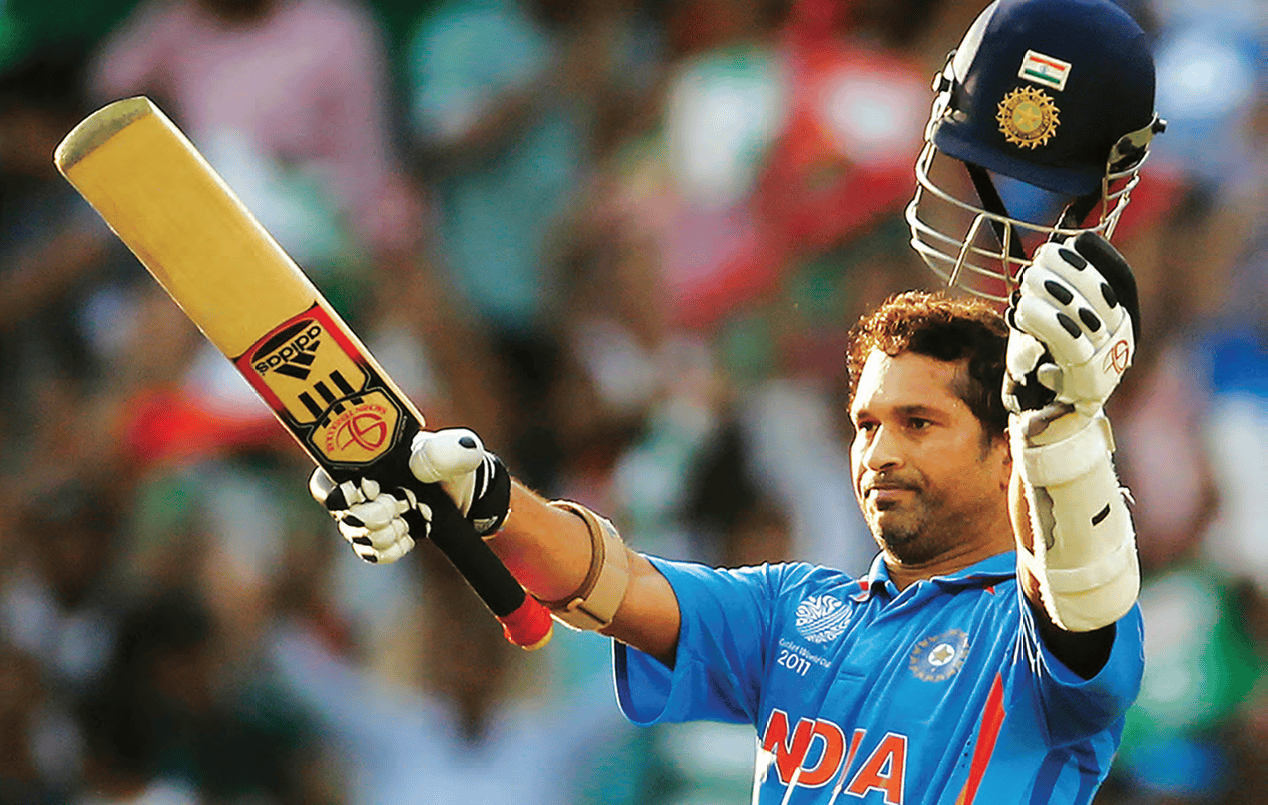
इस फ़ीचर को ध्यान से पढ़िए और देखिए कौन से बिंदु हैं, जो इसे एक बेहतर फ़ीचर बनाने में सहायक रहे। फ़ीचर लिखते समय उन बातों पर ध्यान दें। यह भी याद रहे एक ही पैराग्राफ़ में एक साथ कई जानकारियों या तथ्यों को डाल देने से पाठक भ्रमित हो सकता है, इसलिए हर पैराग्राफ़ में एक या दो महत्वपूर्ण जानकारी या तथ्य से अधिक कुछ नहीं लिखना चाहिए। यही नहीं, एक पैराग्राफ़ से दूसरे पैराग्राफ़ को बाँधना भी ज़रूरी है, जैसे सीढ़ियाँ होती हैं जहाँ एक से दूसरी सीढ़ी जुड़ी होती है ताकि चढ़ने या उतरने वाले को कोई झटका नहीं लगे, उसी तरह से पैराग्राफ़ भी होने चाहिए। एक पैराग्राफ़ से दूसरे पैराग्राफ़ में पहुँचने पर पाठक को झटका नहीं लगना चाहिए। एक फ़ीचर में अनुच्छेदों को फूलों की माला की तरह एक धागे से गुंथा हुआ होना चाहिए। यह धागा वह कथाक्रम है, जिसमें फ़ीचर के फूल यानी अनुच्छेद एक-दूसरे से गुंथे हुए होते हैं। एक अनुच्छेद को दूसरे से जोड़ने के लिए ऐसे कई औज्ञार हैं जिनका इस्तेमाल किया जाना चाहिए। ऐसे कई शब्द हें जिनसे अगर अगले पैराग्राफ़ की शुरुआत की जाए तो पाठक तुंरत पिछले अनुच्छेद से खुद को जोड़ लेता है, जैसे- लेकिन, दूसरी ओर, इससे पहले, इस बीच, अब, इसी तरह, ध्यान रहे, जाहिर है, इसके बावजूद आदि। एक अच्छा फ़ीचर लेखक बनने के लिए इस कला में माहिर होना बहुत ज़रूरी हे। उदाहरण के लिए यह अंश देखें- शायद इसी वजह से वे क्रिकेट के मैदान पर कभी अपना आपा नहीं खोते। उन्होंने निराशा तो व्यक्त की है लेकिन शायद ही कभी नाराजगी दिखाई हो। अत्यंत उकसाने पर भी शांत रहने की उनकी काबिलियत पर मुझे अक्सर अचभा हुआ है, शायद यही गुण उनकी योग्यता और दीर्घता का राज़ है। एक शांत दिमाग वाला क्रिकेट खिलाड़ी बदले और गुस्से की भावना से भरे खिलाड़ी के मुकाबले ज़्यादा खतरनाक होता है।
एक फ़ीचर को आकर्षक और प्रभावी बनाने के लिए और कई बातों का ध्यान रखना ज़रूरी है। 'फ़ीचर को रोचक बनाने के लिए उसमें कुछ प्रत्यक्ष उदाहरण ज़रूर डाले जाने चाहिए। इससे फ़ीचर की गति में विविधता आती है और वह जीवंत हो उठता हे। लेकिन फ़ीचर के लिए प्रत्यक्ष उदाहरण का इस्तेमाल सावधानी से करना चाहिए। वही उदाहरण इस्तेमाल किए जाने चाहिए जो दिलचस्प, कुछ अलग हटकर और मन को छूने वाले हों। ऐसे उदाहरण साक्षात्कार के दौरान मिल जाते हैं जब किसी ने तथ्यात्मक या सपाट जानकारी के बजाय कुछ बहुत ही अलग, दिलचस्प, रोचक, भावुक, दुःखद या असामान्य बात कह दी हो। ऐसे उद्धरण, जो फ़ीचर के विषय से जुड़े और ज़रूरी हों, को प्रत्यक्ष उदाहरण के तौर पर लिया जा सकता है। इसी तरह फ़ीचर में अगर जीवन की कुछ-कुछ दिलचस्प और सबक देने वाली झाँकियाँ भी डाल दी जाएँ तो वह जीवंत हो उठता है। ये ऐसे प्रसंग होते हैं जो किसी व्यक्ति के जीवन पर गहरा असर डालते हैं। उससे पाठकों को भी प्रेरणा मिलती है। जैसे-अगर आप अपने विद्यालय के किसी छात्र के राज्यस्तरीय खेलों में स्वर्णपपदक जीतने पर फ़ौचर लिख रहे हों तो उसमें आप उस छात्र से साक्षात्कार के आधार पर उसकी वह छोटी-सी कहानी उसके ही शब्दों में दे सकते हैं जिसमें उसने बताया था कि कैसे उसने जब हिम्मत छोड़ दी थी तो उसकी मुलाकात एक सफ़ल खिलाड़ी से हुई थी जिसने उसे अपना हस्ताक्षर देते हुए उसकी कॉपी में लिख दिया था कि “हिम्मत मत हारना, मंजिल तुम्हारे सामने है।” उस घटना ने उसका जीवन बदल दिया और वह और
गतिविधि 13 / Activity 13
अपने शहर/इलाके के किसी महत्वपूर्ण ऐतिहासिक स्थल पर लगभग 400 शब्दों में एक फ़ीचर लिखिए। इस फीचर में इन सभी पहलुओं का समावेश ज़रूर कीजिए-.
ऐतिहासिक स्थल के बारे में प्रमुख ऐतिहासिक तथ्य, उसकी खासियतें और उसके प्रमुख आकर्षक पहलू
ऐतिहासिक स्थल की देखभाल करने वाले अधिकारी / कर्मचारी, कम-से-कम दो या तीन दर्शकों और किसी इतिहासकार या अपने विद्यालय में इतिहास के शिक्षक से उसकी खूबियों, दिलचस्प जानकारियों और महत्त्व के बारे में साक्षात्कार
ऐतिहासिक स्थल का दौरा कीजिए और उसकी खूबियों और आकर्षक बिंदुओं के साथ-साथ उसकी देखभाल की स्थिति पर नोट्स लीजिए। ऐतिहासिक स्थल की कुछ ऐसी तस्वीरें/ 'फ़ोटोग्राफ़्स लीजिए. जिससे उसकी खासियतें उभरकर सामने आएँ। इन तस्वीरों को फ़ीचर में शामिल कौजिए।
Write a feature of about 400 words on any important historical monument. Include the following while writing the feature.
Give historical facts about the monument, its importance and main attractions.
Interview at least two or three officials/personnel who take care of the monument, visitors, a historian or your history teacher about its importance, qualities and interesting anecdotes.
Visit the historical monument and make notes about its attractions, qualities and conservation. Take a few photographs highlighting the monument’s beauty. Include these photographs in your feature.
उत्साह से अभ्यास करने लगा। जिसका नतीजा हे यह स्वर्णपदक! इस घटना का एक पैराग्राफ़ में उस खिलाड़ी के शब्दों में ही उल्लेख फ़ीचर को एक नया रंग भर देगा।
'फ़ीचर का अंत भी दिलचस्प होना चाहिए। अगर वह उस विषय या समस्या या व्यक्ति के बारे में कोई भविष्योन्मुखी इशारा कर सके या उनकी आगे की योजनाओं की जानकारी दे सके या फिर उन चुनौतियों का उल्लेख कर सके जो सामने आने वाली हें तो वह एक प्रभावी अंत हो सकता है। फ़ीचर लेखन के बारे में कोई भी बात बिना भाषा और उसकी शेली पर चर्चा किए खत्म नहीं हो सकती है। फ़ीचर की भाषा सरल, वाक्य छोटे और सहज होने चाहिए। फ़ीचर की भाषा आम बोलचाल की भाषा होनी चाहिए लेकिन उसमें सपाटपन नहीं होना चाहिए। भाषा थोड़ी लालित्यपूर्ण, नरम, मन को छूने वाली और आकर्षक होनी चाहिए।
पीछे दिए गए फ़ीचर की उन पंक्तियों में भाषा की रवानी देखिए -
इसका अर्थ यह है कि वे अलग-अलग दौर में दुनिया के सर्वश्रेष्ठ गेंदबाजों को खिलाफ़ खेल चुके हैं; वे अत्यंत तेज़ पिचों पर, घुमावदार पिचों पर खेल चुके हैं; वे ठंडे और बादलों से भरे दिनों और तपते मौसम में खेल चुके हैं; वे परिवारजनों और प्रशंसकों से भरे घरेलू मेदानों और दूर देश में अकेलेपन में खेल चुके हैं। दर्द और थकान के बावजूद उनका शरीर-दिमाग के सभी आदेशों का पालन करता रहा हे।
पर्यावरण से संबंधित दो ऐसे मुद्दे चुनें जिन पर आजकल बहस चल रही हे।
2 लेख लिखना
समाचारपत्र में संपादकीय पृष्ठ पर विभिन्न समसामयिक विषयों पर लेख छापे जाते हैं। इन लेखों की खासियत यह होती है कि वह उन विषयों का गहराई से विश्लेषण करते हें। लेख में तथ्य, विश्लेषण और विचार तीनों ही होते हैं। वास्तव में लेख उस विषय पर लेखक के अपने विचार होते हैं, जिन्हें वह उपयुक्त तथ्यों और तकों के ज़रिए प्रस्तुत करता है। असल में किसी भी विषय या मुद्दे के कई पहलू हो सकते हैं और इसी कारण उसे देखने के भी कई नज़रिए हो सकते हें। लेख से लेखक के नज़रिए का पता चलता है।
विषय संबंधी शोध
समाचारपत्रों में आमतौर पर विभिन्न विषयों पर उनके जानकार या विशेषज्ञ लेख लिखते हैं। इन लेखों से उसके पाठक अपना नज़रिया बनाते हैं। इसलिए लेखों का समाज में जनमत बनाने में अपना एक महत्त्व हे। लेकिन इसका अर्थ यह नहीं है कि अगर आप किसी विषय के विशेषज्ञ नहीं हें तो लेख नहीं लिख सकते हैं। लेख आप भी लिख सकते हैं लेकिन इसके लिए थोड़ी व्यापक तैयारी और अध्ययन की ज़रूरत पड़ती है। आप जिस विषय पर लेख लिखना चाहते हैं, उसके लिए. आवश्यक सामग्री जुटाने के वास्ते आपको न सिर्फ़ पर्याप्त शोध करना चाहिए. बल्कि उस विषय पर अन्य जाने-माने विशेषज्ञ क्या लिख रहे हैं, उसे अवश्य पढ़ना चाहिए।
लेख की रूपरेखा
लेख लिखने के लिए आवश्यक सामग्री जुटाने के बाद सबसे पहले उसकी रूपरेखा तैयार करनी चाहिए। इसके तहत लेख की भूमिका, उसके विभिन्न पक्षों, उनसे जुड़े तथ्यों, उनके बीच के अंतर्सबंधों की व्याख्या और विश्लेषण और उनसे निकलने वाले निष्कर्षो को रखा जाना चाहिए। इस रूपरेखा को तैयार करने के बाद लेख लिखना आसान हो जाता है। असल में लेख लिखने के पहले जितनी तैयारी की जाती है, लेख लिखना उतना ही आसान हो जाता है।
भारत में स्कूली शिक्षा की समस्या
एक उदाहरण-अगर आप भारत में स्कूली शिक्षा की समस्याओं और चुनौतियों पर एक लेख लिखना चाहते हैं तो इसकी तैयारी के लिए आपको देश में स्कूली शिक्षा की मौजूदा स्थिति से जुड़ी जानकारियाँ इकट्ठा करनी चाहिए। इसके लिए आपको मानव संसाधन विकास मंत्रालय की सालाना रिपोर्ट, अन्य जानी-मानी शैक्षणिक और प्रतिष्ठित संस्थाओं की स्कूली शिक्षा की दशा और दिशा पर तैयार रिपोर्टो का अध्ययन करना चाहिए। इन रिपोर्टो से अपने लेख के लिए ज़रूरी तथ्य और जानकारियाँ अपने नोटबुक में लिख लेनी चाहिए। इसके साथ ही यह भी जानने की कोशिश करनी चाहिए कि इस विषय पर देश के जाने-माने शिक्षाविदों के क्या विचार हैं? इसके लिए आपको उनकी पुस्तकों और लेखों का अध्ययन करना पड़ेगा। स्कूली शिक्षा से जुड़े गैर-सरकारी संगठनों की रिपोर्टो पर नज़र डाल लेना भी अच्छा रहेगा। इसके अलावा आप अपने आस-पड़ोस के कुछ स्कूलों का भ्रमण करके वहाँ के छात्रों ओर अध्यापकों से भी इस विषय पर उनकी राय पूछ सकते हैं। इस तरह आपके पास स्कूली शिक्षा की मौजूदा स्थिति और उसकी चुनौतियों पर काफ़ी सामग्री इकट्ठा हो जाएगी। लेकिन लेख लिखते हुए इस संपूर्ण सामग्री का इस्तेमाल करना ज़रूरी नहीं है। इसमें जो सबसे महत्वपूर्ण और आपके तरकों और विश्लेषण के लिए ज़रूरी सामग्री है, उसी का इस्तेमाल करना चाहिए।
जहाँ ज़रूरी हो, वहाँ उन रिपोर्टों और विशेषज्ञों को अवश्य उद्धत करना चाहिए। लेख की भाषा फ़ीचर की तुलना में गंभीर और विचारपरक होती है। लेकिन इसका अर्थ यह नहीं है कि लेख को बोझिल और अपठनीय बना दिया जाए। एक अच्छे लेख में विचारों कौ स्पष्टता बहुत ज़रूरी है। यह स्पष्टता तभी आ सकती है जब आप खुद अपने विचारों में स्पष्ट हों। लेख लिखते हुए आपको पता होना चाहिए कि आप क्या कहना चाहते हैं? कई बार लेख इसलिए जटिल, बोझिल और दिशाहीन हो जाते हैं क्योंकि लेखक खुद अपने विचारों में अस्पष्ट होता है। विचारों में स्पष्टता रखने के लिए ज़रूरी है कि आप सौधी और साफ़ बात करें। इसके अलावा लेख में गैर ज़रूरी तथ्य और आँकड़े भरने से बचना चाहिए। लेख में बहुत ज़्यादा उदाहरण देने से भी बचना चाहिए।
3 स्क्रिप्ट (रेडियो, टेलीविज्ञन)
रेडियो के लिए लेखन
रेडियो एक श्रव्य यानी कानों से सुने जाने वाला माध्यम है। इसका अर्थ यह हुआ कि रेडियो बोले हुए शब्दों यानी ध्वनियों का माध्यम है। इस कारण रेडियो के लिए लिखते हुए लेखक को हमेशा यह ध्यान रखना पड़ता है कि इसे कोई पढ़ेगा या बोलेगा। बोले और सुने जाने वाले माध्यम के बतौर रेडियो की अपनी कुछ शक्तियाँ और कुछ सीमाएँ भी हें। रेडियो की ताकत यह है कि वह देश के हर हिस्से में उपलब्ध है। उसकी पहुँच निरक्षर व्यक्ति से लेकर पढ़े लिखे लोगों तक है। वह गाँव से लेकर शहर तक और अमीर से लेकर गरीब तक सबकी ज़रूरतें पूरी करता है। उसकी एक और बड़ी विशेषता यह है कि अन्य माध्यमों के विपरीत आप कुछ और काम करते हुए भी रेडियो सुन सकते हैं। इसी कारण उसे “ऑडियो वॉलपेपर” भी कहा जाता है।
जहाँ ज़रूरी हो, वहाँ उन रिपोर्टों और विशेषज्ञों को अवश्य उद्धत करना चाहिए। लेख की भाषा फ़ीचर की तुलना में गंभीर और विचारपरक होती है। लेकिन इसका अर्थ यह नहीं है कि लेख को बोझिल और अपठनीय बना दिया जाए। एक अच्छे लेख में विचारों कौ स्पष्टता बहुत ज़रूरी है। यह स्पष्टता तभी आ सकती है जब आप खुद अपने विचारों में स्पष्ट हों। लेख लिखते हुए आपको पता होना चाहिए कि आप क्या कहना चाहते हैं? कई बार लेख इसलिए जटिल, बोझिल और दिशाहीन हो जाते हैं क्योंकि लेखक खुद अपने विचारों में अस्पष्ट होता है। विचारों में स्पष्टता रखने के लिए ज़रूरी है कि आप सौधी और साफ़ बात करें। इसके अलावा लेख में गैर ज़रूरी तथ्य और आँकड़े भरने से बचना चाहिए। लेख में बहुत ज़्यादा उदाहरण देने से भी बचना चाहिए।
इस कारण रेडियो के लिए चाहे समाचार लेखन हो या फ़ीचर लेखन या फिर रेडियो वार्ता या डॉक्यूमेंट्री या नाटक, लेखक के सामने माध्यम की इस सीमा में रहते हुए लेखन की चुनौती होती है। चूँकि रेडियो सुनते हुए श्रोता के पास किसी कठिन शब्द या तकनीकी शब्दावली का अर्थ शब्दकोश से खोजने की सुविधा नहीं होती है, इसलिए उसके लेखक को कभी भी कठिन, तकनीकी और पारिभाषिक शब्दों का इस्तेमाल नहीं करना चाहिए, रेडियो लेखन में लंबे और जटिल वाक््यों के लिए भी कोई जगह नहीं होती है। रेडियो के लिए लिखने वाले लेखक को यह भी ध्यान रखना होता हे कि उसे कोई पढ़ेगा। इसलिए वाक्य संरचना ऐसी होनी चाहिए जो बोलचाल की शैली में हो। जिसे पढ़ते हुए वाचक/वाचिका लड़खड़ाए नहीं और श्रोता सुनते हुए यह महसूस करे कि उससे कोई बात कर रहा हे। यही कारण है कि रेडियो को बातचीत या बोलचाल का माध्यम भी कहा जाता है।
रेडियो के लिए लिखते हुए समय सीमा का भी ध्यान रखना चाहिए। आमतौर पर यह माना जाता है कि एक सेकेंड में लगभग दो से ढाई शब्द पढ़े जा सकते हें, इसलिए एक मिनट के किसी प्रसारण के लिए अधिकतम 20 से 30 शब्दों की स्क्रिप्ट लिखी जानी चाहिए। चूँकि रेडियो में अखबार की तरह डेटलाइन यानी स्थान और तिथि का अलग से उल्लेख करने की जगह नहीं होती है, इसलिए रेडियो की कॉपी में ही स्थान और समय का उल्लेख करना पड़ता हे। इसी तरह रेडियो एक तात्कालिक माध्यम है यानी वह अखबार की तरह 24 घंटे बाद नहीं आता। रेडियो पर हर घंटे समाचारों का प्रसारण होता रहता है। इसलिए रेडियो के लिए लिखते हुए यह तात्कालिकता कॉपी में दिखनी चाहिए। उदाहरण के लिए रेडियो के लिए लिखे गए इस आलेख को देखें-
मध्यप्रदेश में दूसरा अंतर्राष्ट्रीय नदी उत्ततव आज होशंगाबाद जिले में बाद्राभान में नर्मदा और तवी नदियों के संगम पर शुरू हुआ। दूसरा अंतर्राष्ट्रीय नदी महोत्सव हमारे भविष्य के लिए हमारी नवियाँ और हमारे वर्नों को बचाने के आह्वान के साथ शुरू हुआ। विभिन क्षेत्रों से ताल्लुक रखने वाले करीब सात सौ प्रतिनिधि, जिनमें कई विदेशी मेहमान शामिल हैं, महोत्सव में भाग ले रहे हैं। वे नदियों में प्रदूषण के कारणों और महोत्सव की केंद्रीय थीम-नदियाँ ओर प्रदूषण के विभिन्न पहलुओं पर चर्चा कर रहे हैं। महोत्सव के दौरान नदियों के सरेक्षण पर आधारित सास्कृतिक कार्यक्रम भी पेश किए जाएंगे। वहीं महोत्सव स्थल पर प्रसिद्ध कलाकार सुदर्शन पटनायक द्वारा बनाई गई रेत की आकृतियाँ थी आकर्षण का केंद्र बनी हुई हैं।
ज़रूरी बातें
1. इसका तरीका यह हे कि आप रेडियो की कॉपी हमेशा वर्तमान काल में लिखें।
2. रेडियो में तिथि के बजाय आज सुबह, आज दोपहर, आज शाम या रात या फिर मंगलवार की सुबह या अगले सप्ताह या महीने लिखा जाता है। आपने गौर किया होगा कि जब हम आपस में बातें करते हें तो तिथियों के बजाय दिनों और समय का उल्लेख करते हैं। बोलचाल का माध्यम होने के कारण रेडियो की कॉपी में भी इसी का पालन किया जाता है।
3. जैसे रेडियो में यह लिखा जाएगा कि “प्रधानमंत्री आज दोपहर रूस रवाना हो रहे हैं। कल सुबह मॉस्को में वे रूसी प्रधानमंत्री से मुलाकात करेंगे।”
रेडियो में अंकों के इस्तेमाल में भी सावधानी बरती जाती है। चूँकि रेडियो श्रव्य माध्यम है इसलिए श्रोता बड़ी संख्याओं को याद नहीं रख सकता है। ऐसी स्थिति में अंकों का प्रयोग करते हुए यह ध्यान रखा जाता है कि उसे पूरा बताने के बजाय एक निश्चित संख्या के करीब बताया जाए। जैसे 98,35,636 रुपये। लेकिन सभी अंकों को लगभग या निश्चित अंक के करीब नहीं लिखा जाता है। जेसे अगर सचिन तेंदुलकर 98 रन पर आउट हो जाएँ तो यह नहीं लिखा जाएगा कि उन्होंने लगभग 00 रन बनाए। इसी तरह मुद्रास्फ़ीति के आँकड़े भी लगभग में नहीं बल्कि ज्यों-के-त्यों लिखे जाते हैं। 5.35 प्रतिशत को लगभग साढ़े पाँच नहीं बल्कि पाँच दशमलव तीन पाँच प्रतिशत लिखा जाएगा।
टेलीविज्ञन के लिए लेखन
टेलीविज्ञन मूलतः एक दृश्य माध्यम है। हालाँकि टेलीविज्ञन में दृश्य और श्रव्य दोनों मौजूद होते हैं। लेकिन उसमें दृश्यों की सबसे अधिक महत्ता होती है। टेलीविजन भी रेडियो की तरह एकरेखीय माध्यम हे। इन दोनों ही कारणों के आधार पर टेलीविजन के लिए लेखन की प्रकृति और स्वरूप निर्धारित होते हैं। टेलीविजन के लिए लेखन करते हुए सबसे अधिक महत्त्व दृश्यों को दिया जाता है। टेलीविजन के लिए स्क्रिप्ट लिखने का सबसे बेहतरीन तरीका यह माना जाता है कि दृश्यों के अनुसार लिखा जाए। कहा जाता है कि टेलीविज़न में स्क्रिप्ट की इमारत में दृश्य ईटों की तरह हैं, जबकि शब्दों की भूमिका सीमेंट की तरह है जो सिर्फ़ ईटों को जोड़ने के लिए इस्तेमाल की जाती है।
इस कारण टेलीविज्ञन में शब्दों की किफ़ायत बरतना बहुत ज़रूरी हे। यहाँ कम-से-कम शब्दों में अपनी बात कहने की कला आनी चाहिए। दरअसल टेलीविज़न में दृश्य खुद ही कहानी बयान कर देते हैं, इसलिए लेखन की भूमिका उन तथ्यों और जानकारियों को सहेज कर सामने लाने तक सीमित होती हे जो दृश्यों में नहीं बयाँ हो पाते हैं। यहाँ तक कि जब दृश्य बहुत ही प्रभावशाली और आकर्षक हों तो यह कहा जाता है कि उस समय उस पर कोई स्क्रिप्ट की ज़रूरत नहीं होती है। यानी जब ऐसे दृश्य टेलीविज्ञन के पर्दे पर दिख रहे हों तो उसके पीछे से बोलने (वॉयस ओवर) की ज़रूरत नहीं रह जाती है। वहाँ दृश्य खुद बोलते हैं। आपने खुद यह महसूस किया होगा कि जब टीवी के पर्दे पर बहुत ही प्रभावी दृश्य चल रहे हों तो उस समय पीछे चल रहा वॉयस ओवर आपको सुनाई नहीं पड़ता क्योंकि आप दृश्यों में खोए होते हें और दिमाग शब्दों को सही तरीके से नहीं सुन पाता है।
इस कारण टेलीविज्ञन में शब्दों की किफ़ायत बरतना बहुत ज़रूरी हे। यहाँ कम-से-कम शब्दों में अपनी बात कहने की कला आनी चाहिए। दरअसल टेलीविज़न में दृश्य खुद ही कहानी बयान कर देते हैं, इसलिए लेखन की भूमिका उन तथ्यों और जानकारियों को सहेज कर सामने लाने तक सीमित होती हे जो दृश्यों में नहीं बयाँ हो पाते हैं। यहाँ तक कि जब दृश्य बहुत ही प्रभावशाली और आकर्षक हों तो यह कहा जाता है कि उस समय उस पर कोई स्क्रिप्ट की ज़रूरत नहीं होती है। यानी जब ऐसे दृश्य टेलीविज्ञन के पर्दे पर दिख रहे हों तो उसके पीछे से बोलने (वॉयस ओवर) की ज़रूरत नहीं रह जाती है। वहाँ दृश्य खुद बोलते हैं। आपने खुद यह महसूस किया होगा कि जब टीवी के पर्दे पर बहुत ही प्रभावी दृश्य चल रहे हों तो उस समय पीछे चल रहा वॉयस ओवर आपको सुनाई नहीं पड़ता क्योंकि आप दृश्यों में खोए होते हें और दिमाग शब्दों को सही तरीके से नहीं सुन पाता है।
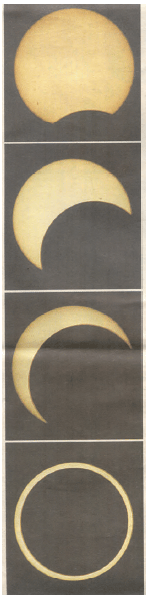
चँँद्ग्रहण के इन दृश्यों के लिए एक टेलीविज्ञन स्क्रिप्ट लिखिए
होने पर तालियों के साथ उठने वाला शोर भी कैमरे में आ जाएगा। आप जब इस मैच की टेलीविज्ञन के लिए, रिपोर्ट तैयार करेंगे तो उसकी स्क्रिप्ट लिखते हुए जब गोल का दृश्य दिखाएंगे तो उस समय वॉयस ओवर के बजाय दृश्य के साथ आने वाले नैट साउंड को जगह देना ही उचित होगा। इससे उस रिपोर्ट को देखने वाले दर्शकों को वही उत्तेजना और आनंद महसूस होगा। जो मैदान में मौजूद दर्शकों ने किया होगा। इसी तरह अगर आप किसी जंगल या पार्क या नदी पर कोई टी.वी. रिपोर्ट तैयार कर रहे हों और उसमें चिडियों की चहचहाहट, पानी के कलकल बहने और पार्क में बच्चों का शोर न सुनाएँ तो वह रिपोर्ट जीवंत नहीं बन पाएगी। आखिर जंगल, नदी और पार्क जेसी जगहों की पहचान इन्हीं प्राकृतिक ध्वनियों से होती है। इन ध्वनियों के बिना कोई भी रिपोर्ट अधूरी होगी। एक अच्छी टी.वी. रिपोर्ट वही होती है जिसमें दृश्य और ध्वनियाँ ज़्यादा बोलें और रिपोर्ट को कम बोलना पड़े ।
टी.वी. रिपोर्ट की स्क्रिप्ट में इन ध्वनियों के लिए जो अंतराल छोड़ा जाता है, उसे टी.वी. की भाषा में ब्रीद यानी साँस लेना कहते हें। टी.वी. स्क्रिप्ट में इसका होना बहुत ज़रूरी है। इससे दर्शक को दृश्यों और ध्वनियों के साथ सामंजस्य बिठाने में मदद मिलती है। टी.वी. की बेहतरीन रिपोर्टों, डॉक्यूमेंट्री 'फ़ीचर और ड्रामा को इस नैट साउंड के बिना नहीं बनाया जा सकता है। टी.वी. की फ़ीचर रिपोर्टों की तो सबसे बड़ी खासियत यही नेट साउंड होती है। टी.वी. समाचार के लिए स्क्रिप्ट लेखन करते हुए कुछ और बातों का ध्यान रखना ज़रूरी है। इसमें साउंड बाइट्स का भी बहुत महत्त्व होता है। साउंड बाइट्स से आशय यह है कि उस समाचार रिपोर्ट के लिए जिन लोगों से बात की गई है, उनके साक्षात्कार के वे टुकड़े जिन्हें आप अपनी रिपोर्ट में इस्तेमाल करते हैं।
साउंड बाइट का इस्तेमाल करते हुए यह ध्यान रखना चाहिए कि एक से डेढ़ मिनट की टी.वी. रिपोर्ट में बाइट 0 सेकेंड से छोटी ना हो और औसतन 20 सेकेंड से बड़ी ना हो। इसी तरह यह भी ध्यान रखना ज़रूरी है कि जो बात स्क्रिप्ट में कही गई है बाइट में उसी बात का दोहराव न हो बल्कि वह उसमें कोई नयी बात जोड़ती हो या उससे जुड़ी कोई बात कहती हो। आमतौर पर एक से डेढ़ मिनट की टी.वी. रिपोर्ट में दो से ज़्यादा बाइट नहीं ली जाती है। लेकिन अगर रिपोर्ट उससे बड़ी हो तो उसी अनुपात में बाइट की संख्या बढ़ सकती है।
इस तरह एक अच्छी टी.वी. रिपोर्ट, जिसे पैकेज भी कहते हैं, का ढाँचा कुछ इस प्रकार होता है-एंकर लिंक-किसी भी टी.वी. रिपोर्ट को दर्शकों के सामने प्रस्तुत करने के लिए टी.वी. एंकर जो बोलता है उसे एंकर लिंक कहते हैं। आमतौर पर यह दो या तीन वाक्यों का होता है। यह 5 से 7 सेकेंड का होता है। इसमें समाचार की सबसे महत्वपूर्ण बात लिखी जाती है। इसके बाद रिपोर्ट की शुरुआत होती है और एंकर पर्दे से हट जाता हे। रिपोर्ट-रिपोर्ट की शुरुआत पहले वॉयस ओवर से होती है। वॉयस ओवर का अर्थ लिखित स्क्रिप्ट को पढ़ना होता है। आमतौर पर पहले वॉयस ओवर के बाद पहली साउंड बाइट आती है और फिर दूसरा वॉयस ओवर रिपोर्ट को आगे बढ़ाता है। इसके बाद दूसरी सांउड बाइट आती है। आखिर में रिपोर्टर खुद अपनी आवाज़ और उपस्थिति के साथ रिपोर्ट को समाप्त करता है। इसे टी.वी. की भाषा में “पीस टू' कैमरा कहते हें।
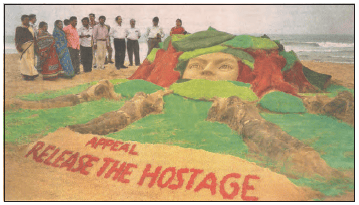
विरोध का सृजन, सुदर्शन पटनायक की कलाकृति - यह अखबार का एक फ़ोटो कोना है। इसे टेलीविजन स्क्रिप्ट में बदलें।
टी.वी. की समाचार रिपोर्ट भी उल्टा पिरामिड शैली में ही लिखी जाती है। यानी सबसे महत्वपूर्ण बात सबसे पहले आती है। लेकिन टी.वी. के लिए समाचार लेखन का फ़ॉर्मेट अखबार और रेडियो की तुलना में काफ़ी अलग होता है। इसकी वजह यह है कि यहाँ दृश्य और ध्वनि दोनों का महत्त्व होता है और इस कारण उसमें तकनीक की भी महत्वपूर्ण भूमिका हो जाती है।
4 नए माध्यमों के लिए लिखना
जनसंचार के नए माध्यमों में वे डिजिटल माध्यम आते हैं, जिनकी सबसे बड़ी खासियत उनका अंतरक्रियात्मक (इंटरएक्टिव) होना है। इंटरनेट से आप सभी परिचित होंगे। इंटरनेट नए माध्यमों में सबसे महत्वपूर्ण और उपयोगी माध्यम के रूप में उभर कर सामने आया हे। इंटरनेट ने ऐसे कई मंच उपलब्ध कराए हैं, जहाँ आप अपने विचारों और अनुभवों को एक दूसरे से साझा कर सकते हैं। वास्तव में इंटरनेट ने हर व्यक्ति को अपनी अभिव्यक्ति का शानदार अवसर उपलब्ध कराया हे।
गतिविधि -19/Activity - 19
- अखबार या पत्रिका से कुछ आकर्षक चित्र इकट्ठा करें और अपने पोर्टफ़ोलियों में लगाएँ।
- इन चित्रों को जोड़ते हुए टेलीविजन के लिए एक स्क्रिप्ट तैयार कीजिए।
- कक्षा में इसको प्रस्तुत करें।
- Collect a few attractive pictures from newspapers/ magazines and put these in your portfolio.
- Write a script for television connecting these pictures.
- Make a presentation in the class.
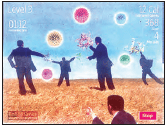
ब्लॉग
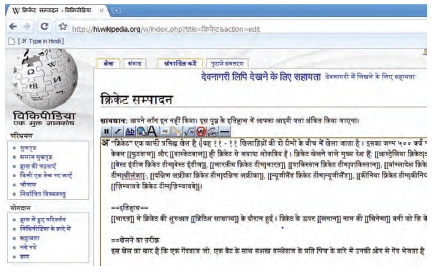
आपने ब्लॉग के बारे में ज़रूर सुना होगा। ब्लॉग एक तरह कौ व्यक्तिगत डायरी है जिसमें आप अपने व्यक्तिगत अनुभवों, विचारों और अभिव्यक्तियों को प्रस्तुत करते हैं। लेकिन इसकी खूबी यह है कि यह सबके लिए उपलब्ध है। यानी आपकी इस डायरी को कोई भी पढ़ सकता है और उस पर अपनी प्रतिक्रिया भी दर्ज़ करा सकता है। इस तरह यह आपसी संबाद और चर्चा का एक महत्वपूर्ण माध्यम बनता जा रहा है। अपने ब्लौग की शुरूआत करना बहुत आसान है। इसके लिए आपको अलग से कोई खर्च नहीं करना पड़ता। अपने ब्लॉग की शुरुआत करने के लिए आप कई वेबसाइट्स पर जा सकते हैं जहां निःशुल्क ब्लॉग शुरू करने कौ सुविधा उपलब्ध है। उदाहरण के लिए-गृगल की वेबसाइट पर जाकर आप उसकी सर्विसेज्ञ में ब्लागर पर क्लिक करें तो वहाँ तीन आसान चरणों में ब्लॉग शुरू करने का निर्देश का पालन करते हुए आप अपना ब्लौग शुरू कर सकते हैं
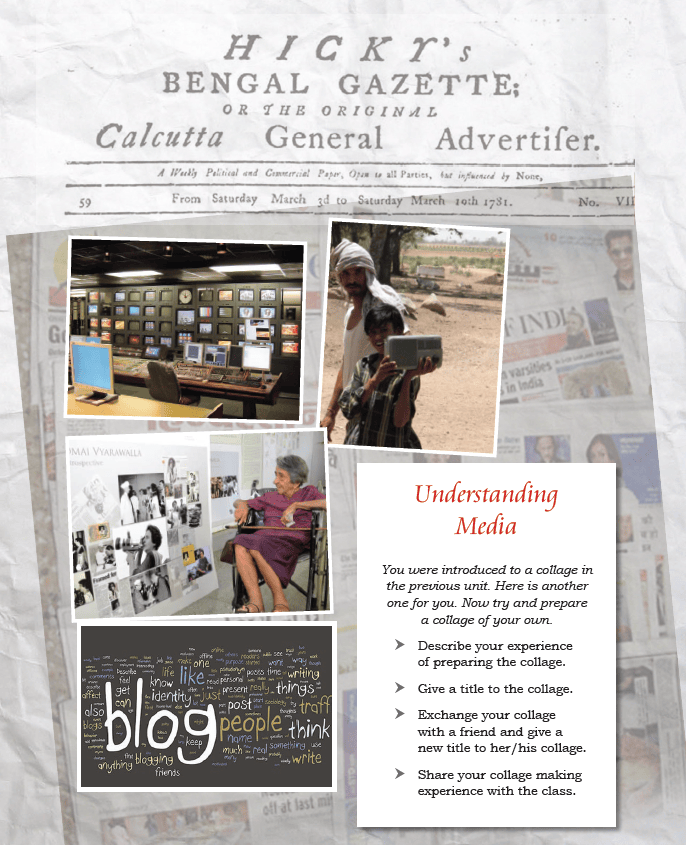
Understanding Media
You were introduced to a collage in the previous unit. Here is another one for you. Now try and prepare a collage of your own.
- Describe your experience of preparing the collage.
- Give a title to the collage.
- Exchange your collage with a friend and give a new title to her/his collage.
- Share your collage making experience with the class.
I. Feature Writing
The main purpose of any newspaper is to give news about topical events, issues and problems; but some stories or events are also covered for entertainment. You must have observed that a newspaper offers a variety of items written in different styles. These are news stories, articles, features, editorials etc. While we all have different choices but articles or features attract one’s attention the most because these are interesting, entertaining and informative. Their presentation style is more creative and imaginative as compared to a news item. A feature or an article is written in such a manner that it touches the feelings/emotions of the reader. Often, features comprise leisurely reading after all the other short news items have been quickly glanced through.
Understanding Features
The human-interest story is also referred to as a ‘Feature Story’. These feature stories have elements of emotion and variety. They are well presented and are interesting. Their success and readability rests on originality. The beginning of a feature may not be in a usual lead form but it aims to stress the story’s timeliness. The feature writer’s aim is not persuading but illuminating. Features inform and entertain us. The middle and the end should be as compelling as the beginning but the most important part is devising a lead that will capture the reader’s interest and also serve as a framework for the rest of the story. The feature differs from the short story in that it is factual, not fictional. As a feature writer you may, however, use the devices of the short story, especially in a narrative feature so that your feature reads like a short story. The body of the human-interest story usually follows the rules of simple narrative. The artistic quality of the writer draws the reader into the climax. It can have a surprise ending too. Feature writing can be a creative experience for reporters. Features can be written on profiles,
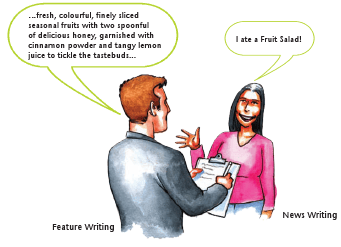
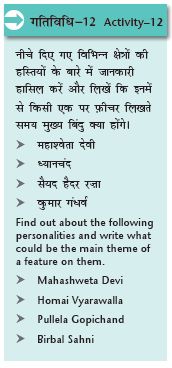
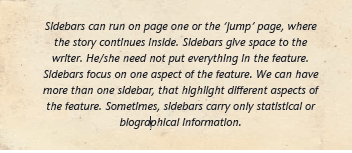
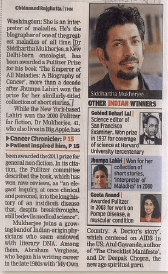
personalities, travel, life and style, trend, food, sports, automobiles, entertainment etc. It can focus on the lighter, the tragic, the interesting or the ironic side of life. It entertains readers or fills them with wonder, sadness or happiness. Above all, it is built around human interest. They can be plain fun-to-read or can make the readers reflect on life. Features should touch people’s emotions and provide food for thought. Features can also be short. Some editors use short features to brighten a page. Feature stories can be lavishly illustrated with pictures, drawings, and can also have sidebars.
Characteristics of a Feature
To be able to write a good and impressive feature we need to understand the main characteristics of a feature. Elements such as style, language and presentation help in writing a good feature. A good feature should have the following:
■ Creative Synergy
A good feature has creative synergy between language, style and presentation. Choice of appropriate words, simple and short sentences, keen observation coupled with interesting examples, descriptions and narration make a feature creative.
■ Captivating
A good feature has creative synergy between language, style and presentation. Choice of appropriate words, simple and short sentences, keen observation coupled with interesting examples, descriptions and narration make a feature creative.
■ People and facts
Features connect with the lives of the people. People should be able to identify themselves with what is being narrated, this catches the attentions of the readers.
■ Angle
Each topic has various viewpoints. A good feature focuses on the most relevant angle. It should be topical, interesting and useful.
■ Language
Language of the feature should be simple so as to retain the attention of the reader. It is important to use language that is appropriate; wherever there is a scope to introduce humour, the writers incorporate that.
■ Illustrations
Language of the feature should be simple so as to retain the attention of the reader. It is important to use language that is appropriate; wherever there is a scope to introduce humour, the writers incorporate that.
Types of Features
News Features
A news feature is mostly about current events but is presented in a different manner. It gives detailed information about the background or the implications of the news being discussed. News features are mostly about social, economic, political and environmental issues. These ongoing issues are not always breaking news but have topical interest and value. To write a news feature collect facts, make sure they are authentic. Ask questions or take interviews or talk to people about what you don’t see on the surface. Use quotes as they have an impact on the reader. Given below is a feature on Ladakh, which highlights some contemporary issues.
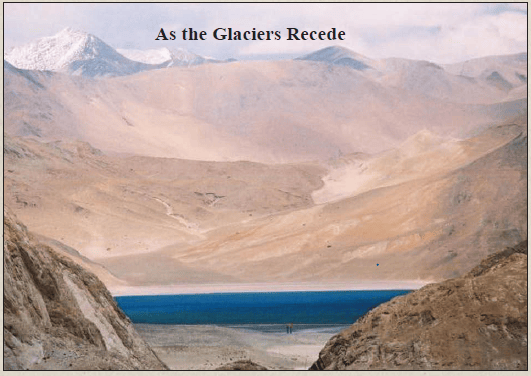
Ladakh has an unwelcome visitor: Climate change. Retreating glaciers, water scarcity and changes in traditional agricultural patterns are having an adverse impact on this fragile ecology.
—Meena Menon
There’s an old saying in Ladakh that only a dear friend or a serious enemy will reach here; the passes are so high and the land so harsh. Climate change falls in the latter category and is an unwelcome visitor to this remote region, which tourists have happily discovered in the last few years or so. Water, or the lack of it, is the main worry for this generation and the next. While the world debates the effects of global warming, Ladakhis who are most vulnerable to the vagaries of nature, are living through it already.
The many small glaciers in Ladakh have retreated, natural springs are reducing as also the water flow in the rivers. While there are no scientific studies yet to bear this out, it is the people who are living witnesses to this change. In the village of Stakmo, near Leh, villagers testify to the receding glacier nearby, making agriculture very difficult. Over 80 per cent of the farmers in Ladakh depend on snow-melt for their needs and any slight change in temperature is a catastrophe. High altitude wetlands are vulnerable to rising temperatures. The impact of climate change on three major lakes in Ladakh, the Tso Moriri, Tso Kar and Pangong Tso. The lakes offer the only breeding grounds for the Black-necked Crane in India. The other key species found in the region include the Snow Leopard, Tibetan Gazelle, Tibetan Antelope, Musk Deer and Hangul. Highly endangered medicinal plants used in the Tibetan system of medicine also grow in the area.
The existing threat of climate change is exacerbated by tourism, which coincides with the breeding season of migratory birds, posing a major threat. For the first time, a regular uninterrupted survey on the status of the Black-necked Crane was conducted and during the survey, six, new nesting sites were discovered. To boost the local income, homestays for national and international tourists have become popular.
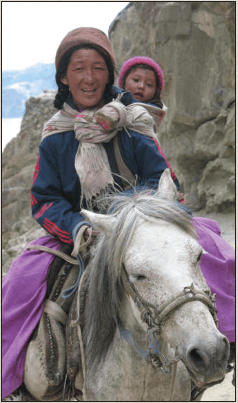
Widespread changes as a result of the rise in temperatures and the subsequent snow-melt in Ladakh have been mainly oral histories. Eyewitnesses have spoken of glaciers like Siachen, Khardung and Stok in Ladakh, which have either receded or almost disappeared in about a decade. Along with this comes a change in migration routes of nomadic tribes and an increase in the frequency and intensity of pest attacks, particularly the locust, due to rising temperatures. In the Changthang region, where there are 22 wetlands, people of the nomadic tribe, the Changpas, acutely feel the climate change. They are dependent on livestock and rear the famous Pashmina Sheep for their wool. Since about six years, the migration routes of the Changpas have changed due to decrease in pasture land. Untimely snowfall has led to a loss of livestock as well. In the Tso Moriri and Tso Kar lakes, migratory birds are coming earlier than expected and one pair of Blacknecked Cranes have not migrated.
The wild rose blooms now in May instead of June. The Changpas used to extract salt from the brackish lakes but since the water level has risen over the years, this too has stopped. In the Tso Kar area there are 60 Changpa families which have to frequently migrate, while in Tso Moriri, 22 families have settled down there. The summers are getting warmer and winters too, and pests like the coddling moth are now found everywhere. Rain and snowfall are showing a decreasing trend, according to a baseline survey in 20 villages in Leh and Kargil areas. In Kargil, water shortage has hit farmers and two villages were relocated in the Zanskar as a result. The cultivation of wheat is now possible due to the warmer climate and the sowing of barley is now pushed to May instead of June.
Urgent Concern
Water shortage has led to hotels in Leh digging borewells, some 100-feet deep, and in the Karzu area in Leh, this has led to the drying up of natural streams. Concern about water is topmost in the minds of every Ladakhi. The Women’s Alliance of Ladakh, which spearheaded the successful campaign banning plastic bags in Ladakh, is one of the groups which has members in every village in Ladakh. Fifty-seven-year-old Kunzes Dolma, Vice-President of the Alliance formed 23 years ago, has been addressing local environmental concerns.
Lifestyle Changes
Kunzes recalls colder winters when she was a child. “Now the winters are warmer,” she says. The quality of food was tastier then and now vegetables like capsicum, brinjal and cucumber are being grown. There is increased use of pesticides and the Alliance is campaigning against this as well. There is a huge concern about the melting glaciers, and lack of water and even livestock rearing is reducing now with more and more people preferring to look for jobs. The traditional “goncha” a warm woolen dress is not much preferred now.
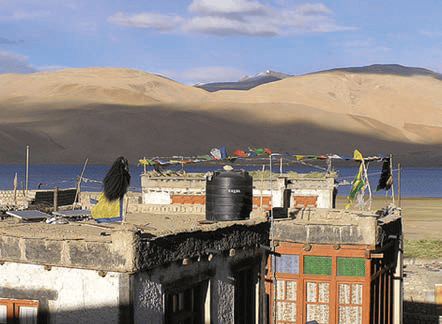
Traditional homes in Ladakh have been designed using ecological and climatic wisdom. However, those mud houses are being replaced by cement structures. Clearly, there is also a cultural aspect to the climate change here. “Our aim is to promote nature conservation and our culture. The modern generation is dropping all our old ways of life and the explosion of cars is damaging the environment,” says Ms Dolma. Local and global links need to be forged to address climate change if regions like Ladakh are to be rescued from their vulnerability.
Personality Features
A creative and imaginative writer weaves a picture through words to make a personality profile come alive. Readers are curious to know about prominent people. However, one mustn’t think that personal features are written about great personalities only. The profile of a vendor, potter, rickshaw-puller, painter, or a person who has dedicated his life for a social cause would be of great interest to readers as well. The essence of the profile is not what the person does; his/ her occupation plays a secondary role. It is the individual who must stand out in the story. Profiles use diverse formats. One format is the face-to-face interview, during which the person may talk about facts of his/her life that are not known to the public. Every detail of the interview with the subject should be given in the story. The person’s home or the place of work can also be described since it is linked to the subject’s personality. You may also include the backdrop against which the interview takes place. While writing, take care of grammar, spelling and punctuation.
Lifestyle Features
Lifestyle features tend to give useful information to help people. These can be about furnishings, handicrafts, shopping malls, sales, celebration, parenting, trends, prices, availability, methods etc.
Travel Features
To capture the attention of the reader, a travel feature needs to be innovative in its presentation and style. Details such as accessibility, transportation, accommodation, food, locales, entertainment, approximate expenditure etc., provide an overall description of the place and give an insight into a holiday the reader is looking for. This type of feature allows one to assimilate our five senses, i.e., touch, smell, sight, sound and taste while describing. The creative use of language adds flavour to such a feature.
Investigative Features
As the name suggests, the investigative feature delves deep into the news story and may reveal certain things that may not be apparent to the public or it may give a different insight or perspective to the news story. An investigation by a newspaper might lead to evidences in support of the victims. Many such cases are reported in the newspaper. To write an investigative feature, one should verify the facts, talk to people, interview eyewitnesses, assess information and data and then write the story. Remember, there is a difference between fact and opinion. Your aim should be to produce a fair, unbiased and informative feature.
Illustrative or Photo Features
The impact of pictures and illustrations is undisputed. Photographs and images often help in shaping public opinion. The pictures of earthquake and Tsunami (March 2010) moved the hearts of millions of people and motivated them to come forward and extend help in whatever way they could. Similarly, photo features on topics of general interest such as sports, cookery, gardening, travel etc., are an integral part of print media. A photo feature can also be built around a powerful single photo that describes or defines themes.
If you like the world of photographs then look out for the work of these Indian Photo essayists on the Internet— Kanu Gandhi, Raghu Rai, T.S. Satyen, Prashant Panjiar.
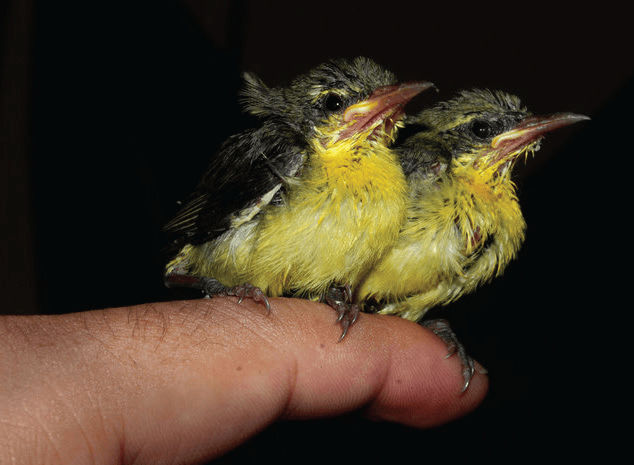
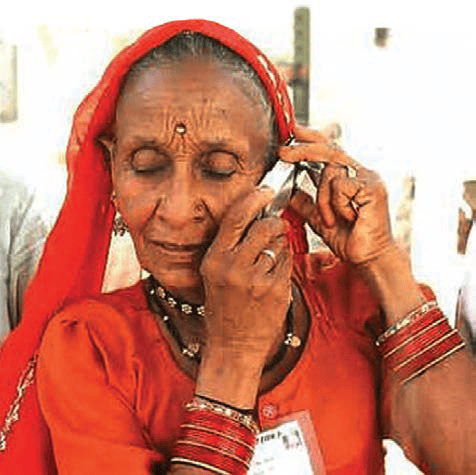
Photographs are poetry through images
The Process of Feature Writing
Before you start writing a feature, you must keep the following in mind:
Selecting a Topic
To begin writing one must have a topic. Look around, you will find that there is an abundance of topics, you need to recognise the issue/topic that interests you. A feature can be written on a place, person, product, incident, instruction, lifestyle etc. Your observation, creativity, imagination and analysis will help you select a topic. You may also get ideas when you read books, magazines, newspapers, advertisements, visit a place or observe something happening. Any important issue related to public can also become a topic for feature writing. Select a topic that interests you and then focus on any one angle of the topic to write the feature. You can write a feature on your school. The joy of feature writing lies in its variety. This variety demands creativity, versatility and requires special attention. Feature writing has become an important craft. For newspapers and magazines, sometimes the writers choose the topic themselves, but sometimes the editor selects it according to the need of the paper or magazine
Research
Feature writing also requires research about facts and related issues on the topic. The information can be gathered from libraries, Internet or other related documents. It may also require interviewing experts; visiting places or talking to people related to the event; and also collecting photographs etc. A good feature does not mean increasing the length of any news story. Feature writing, therefore, has a lot of scope for creativity, in terms of its plan, presentation and print.
The Process
■ To instantly capture the attention of the reader, the beginning or introduction of a feature needs to be creative as well as effective. To do so, you could use a variety of language techniques such as beginning with a quotation from an authentic source; giving your personal observation about place, person or event; opening with a question; or giving facts or figures that would make the reader wonder about what their background is.
■ The main body of the feature should elaborate in detail the background, facts, data discussions, descriptions and quotations etc., in a logical and coherent manner.
■ Paragraphs can be written chronologically or in order of importance.
■ Connect paragraphs with transitional words, paraphrases, and direct quotations. Transition is particularly important in a long feature examining several people or events because it is the tool writers use to move subtly from one person or topic to the next. Some transitions are—while, even, as, and, but, etc. Trace the rest of the transition words used in order to ensure continuity for the reader.
■ The concluding paragraph should sum up the entire piece with a reminder of the central point of the piece. It can have an open-ended closure that encourages further debate and hypothesis; end on a strong quotation; end with a message; surprising anecdote; or summarise the main points etc. Whatever method is used to end the feature, it should gel with the content, style and purpose of the whole feature.
■ The characteristics of a feature in terms of its lead and style, should be maintained throughout the article. Feature writing is not fiction writing. Facts remain an integral part of any feature but you need not pack the five w’s—who, what, when, where, and why into the lead. Feature leads can be in a narrative or story-telling style. They can be amusing, anecdotal or interrogatory.
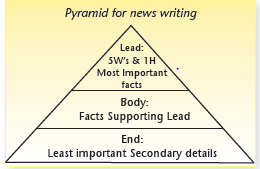
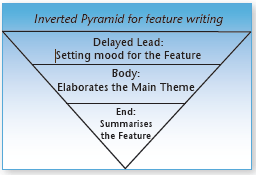
Steps to Write a Feature
Feature writers seldom use the invertedpyramid form used for news stories. Instead, they may write a chronology that builds up to a climax at the end of the narrative, a first-person piece about one of their own experiences or a combination of these.
A feature lead invites the reader into the story. In fact, a delayed lead is preferred. Rather than putting the news elements of the story in the lead, the feature writer uses the first paragraph to set the mood, get the attention of the readers and invites them inside the story. A summary lead, like the one used for straight news stories, may not be the best way to start a feature. For example look at the lead in the feature story given below. It is setting the scene for the story to unfold. Is the lead different in style? Discuss.
Art, Imagination and the everyday
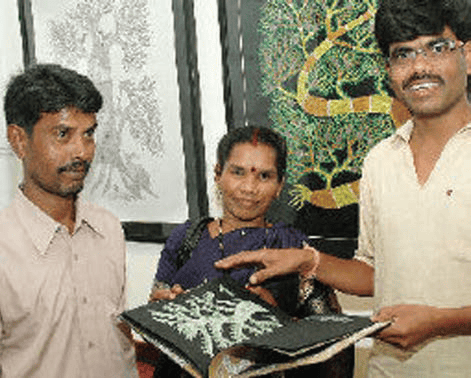
Shalini Umachandran
Chennai: In a classroom in Chennai’s Olcott Memorial High School, a boy bashfully holds up a sketch of a coconut tree and says, “I drew it because it’s a tree I like. No other reason.” But Gond artist Bhajju Shyam sees much more: “In the south you use coconut in food, they’re essential for puja, these trees are in your homes,” he tells the boy. “By drawing this tree, you’ve unconsciously depicted something that’s important to you, something of your culture.” He goes on to explain that the Gonds, a tribe from Madhya Pradesh known for their exquisite art, use such everyday symbols in their paintings. “We create paintings with stories from what we see around us. We all draw from what is part of our everyday lives.”
(Courtesy: The Hindu, October 14, 2007)
Points to Remember
■ To begin with, think of a topic, propose a plan and then start your work, which includes research or interview.
■ While writing you may begin with a quotation or an anecdote.
■ Finally, give your analysis or opinion.
■ Make sure that you develop the ideas in a logical and coherent manner and there is a link between all the paragraphs.
■ Each paragraph should begin with a topic sentence.
■ You can also give additional input in the form of tables, boxes, figures, bullet-points, illustrations and pictures.
■ Before you start writing think about the topic, related questions and issues carefully. It may require rethinking, redoing or reshaping the structure if you want the feature to be relevant, appealing and original. A well thoughtout plan would give direction and shape to your feature. For interviews, go prepared with a list of relevant questions.
■ Finally read your own feature. Revisit it, read it from the point of view of the reader. Cross-check that nothing is wrong or ambiguous. Write crisp and short sentences. Read and re-read not once or twice, but every time you pause or take a break.
Overcoming Writer’s Block
Getting started is the most difficult part of writing. Did you know that before writing—
Ernest Hemingway sharpened 20 pencils.
Some writers glance through a favourite book or story.
Some take a slow walk in the park.
Jotting down a few sentences that highlight the event helps focus the mind and helps one start writing. Start with anything that you think will be a part of the story.
This is like warming up the engine!
II. Article Writing
An article is a non-fictional prose composition that appears in magazines, newspapers, online magazines or any other type of publication. Articles are the larger umbrella under which features and editorials are placed. Through these articles, writers present their views. Article writing is a serious rendering of your thoughts, facts, analyses and the inter-relationship among these, leading to a conclusion. To write an article you don’t have to be an expert in that area, though it does require good preparation and in depth study of the topic. Once you have chosen the topic you need to research that topic and go through related or similar articles also. You can then develop an outline of the article keeping all the aspects and related issues in mind. This would facilitate in writing the final article. While it is not necessary to use all the material collected but it will certainly help you analyse your views and present them in a logical manner. An article is normally of a serious nature and more thought-provoking as compared to a feature.
Read the article that follows–
Tree, Most Majestic
Shantha Bhushan
The memory of the trek to Sonanadi (river of gold) sanctuary in Uttaranchal is still fresh. I had finished my standard V exams and was thrilled to know that I was going on a 10-day trek with my friends. It was a trek, which was both difficult and rewarding. On the third day, we had just crossed a stream and at the turning of the path, spotted a glorious green magpie. We stopped in our tracks to look at the bird through our binoculars and some of us made appreciative sounds, which of course irritated the serious bird watchers. By the fourth day, the entire group was hooked to bird watching and, all of a sudden, Salim Ali’s Pictorial Guide on Indian Birds became a very important book.
Old Friend
Our last stop was a guest house, built more than 80 years ago, by the British. Right next to the guest house was a beautiful, majestic fig tree and I was immediately fascinated by it. The tree seemed to call out to me like an old friend. I decided to stay back and spend time with it while others went for a long walk in the forest. The sun had started to set and I sat watching birds of different colours and sizes come to eat the fruits. There was the hornbill with its huge beak and there were the tiny sunbirds, all coming there to partake of the fruit. Hours passed and all the birds went about business as usual, ignoring my presence. Being with the fig tree changed my life. I realised what a “giving” tree this was! It provided food to so many different birds without asking anything in return.
Home for All
That night, I lay restless, trying to understand what I had seen and felt. I spent the next few days in recollection of how the fig tree actually supported life. I returned home, transformed, and decided that one of the ways of helping the birds in the city was to plant and protect fig trees. This is how our “Fig tree club” was born. Gradually, my friends in other schools heard about this and also joined in. Together we did our little bit to save the tree and learnt so much with it.
Source: Kalpavriksh.org & The Hindu Young World (a supplement for children from The Hindu newspaper).
Article writing also demands indepth study and research like a feature. Its presentation should also be logical and coherent keeping in mind the beginning, the middle and the end.
The Lead
The writer here is describing a personal experience.
How will you write the lead for an article on an adventure trip you took? Read the lead of this piece again and think of an innovative way to begin your article.
The Body
What was the most exciting aspect of your trip? Develop the body of the article by describing it in detail. You can also support your article with reasons as to why the experience was so memorable.
The End
How does this piece end? Can you find another creative way to end the above article? Now write another end for your own travel piece.Remember, the title of the article shouldalso be attractive.
III. Script (Radio, Television)
Electronic media has found its way into all parts of modern life. Radio and television are the key mediums for electronic broadcasting. Today, satellite receivers have reached some of the most remote and inaccessible regions of the world. Therefore, electronic media hold a significant place in our lives. Characteristics of Radio — In radio we paint our own pictures. Unlike television, whereas shows everything through a combination of Visuals and sound, radio allows us to conjure our own images. Often known as the blind medium, it stimulates our imagination. For a radio listener, it is easy to climb Mount Everest or make a spaceship and land on the Moon! Radio is an enormously flexible medium. Even a basic unit of one person with just a microphone and a recorder can broadcast for a radio programme. It is truly a medium of the masses. It has an expansive geographical reach, is inexpensive and portable, and unlike a newspaper, caters to the literate and the illiterate alike. This also makes it easier for non-professionals to take part in radio broadcasting, thereby creating a greater possibility of access to the medium.
3. Script (Radio, Television)
Electronic media has found its way into all parts of modern life. Radio and television are the key mediums for electronic broadcasting. Today, satellite receivers have reached some of the most remote and inaccessible regions of the world. Therefore, electronic media hold a significant place in our lives.
Characteristics of Radio — In radio we paint our own pictures. Unlike television, whereas shows everything through a combination of Visuals and sound, radio allows us to conjure our own images. Often known as the blind medium, it stimulates our imagination. For a radio listener, it is easy to climb Mount Everest or make a spaceship and land on the Moon!
Radio is an enormously flexible medium. Even a basic unit of one person with just a microphone and a recorder can broadcast for a radio programme. It is truly a medium of the masses. It has an expansive geographical reach, is inexpensive and portable, and unlike a newspaper, caters to the literate and the illiterate alike. This also makes it easier for non-professionals to take part in radio broadcasting, thereby creating a greater possibility of access to the medium.

Read the following dialogues to understand radio’s dramatic power
The dialogues between the teacher, Kanika and Savita comes alive through voice modulation
Sound—(Ambience of a classroom as a class is about to begin. Desks and chairs moving,
Teacher: Kanika, why don’t you listen to the Radio?
Savita: ... Its so boring! There is nothing ... no pictures like TV!.
Teacher: How is it? Just yesterday I saw
visuals ...? Are you sure? Is your radio
working ...?
Kanika: (Giggles) Yes, ma’am. I believe you. We can surely watch sound!—tell me also. Have you switched on the visual button on your radio ...?
Savita-(Serious now)—Really, which radio is this? I think I have an old one ma’am ...
Teacher (smiles again): Sit here. Now close your eyes. Relax and watch your first radio show. general chatter of students, a bell ringing.)
Teacher: Good Morning! (Chirpily).
(Silence)
The class in chorus “Good Morning ma’am ...” Teacher: Please sit.
Sound effect – As students sit, the desk and chairs make noise again.
General Ambience—Sound of the teacher teaching math.
The voice of teacher continues in the background ...
Radha (whispers to Savita)—Savita, shush shhhu ... See Savita my new watch.
Savita—Wait, I can really visualise a classroom.
Radha—Really?
Radio is a powerful medium which can connect people from far and near. Radio is a medium of sound. It paints pictures through music, voices and sound effects. With radio, the listener is a co-author. Radio is like a book, it allows your imagination to soar. You can listen to radio while doing any work, therefore, it is also referred as ‘audio wallpaper.’
Writing for Radio
Since the radio is a medium of sound. But the manner in which various voices, sound effects and music are used predominantly depends on the form of radio writing one chooses to do. Writing for radio is predominantly done in threeforms—Radio News, Radio Feature and Radio Drama.
Writing for Radio News
Radio news is written for the ear and not the eye. Radio scripts use everyday words and an informal conversation style. Radio news writing is often described as a headline service. A half-hour news cast may have as many as 20 news items. An average sentence in a radio news copy will have 13 to 14 words. So the radio writer will first give the headline and will then briefly elaborate the news event in short sentences. The simple SVO (Subject- Verb-Object) style of writing forms the basis of radio news writing. Remember, all the news in a half-hour newscast on radio will not fit in the front page of a newspaper.
Points to Ponder
- Radio’s greatest strength is its immediacy. Simple sentences with active verbs form the basis of effective writing for radio. Use the present tense, which gives the impression that something is happening now.
- A frequent error in radio writing is the use of pronouns without any reference to identify the pronouns. For example—He was awarded yesterday, but he refused to receive the award. Who is “he”? Who conferred the award? So one should use the appropriate pronouns repeatedly in radio so that even listeners who join-in late can follow.
- Keep the timeline in mind.
- Use simple language that is close to day-to-day use. Avoid jargon.
- Do not repeat, this will unnecessarily use airtime.
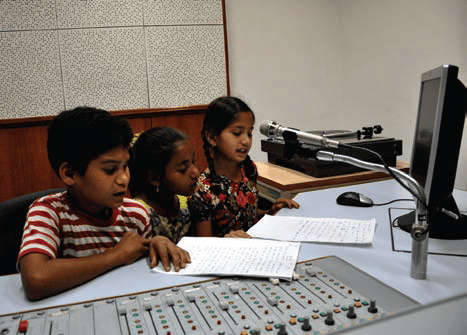
Young radio jockeys
Writing Numbers for Radio
Keeping track of numbers is a difficult task even for the most attentive listeners. In Broadcast style, ages are given as adjectival phrases preceding the name or other identifying feature, such as “the 45-year-old First Lady, 40 years old Sachin”. Also spell out numbers if more than two figures. If necessary round-off a large number. For Example: Instead of saying 2999 students joined the Peace March, you may write—nearly three thousand students participated in the Peace March. Similarly, the descriptive words “half” and “quarter” are generally preferable to “point five” and “point two five”.

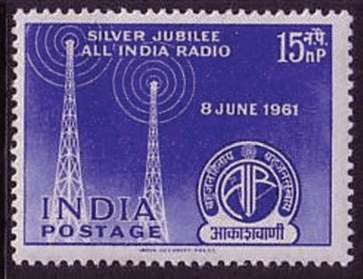
formation of a private radio service in
Madras (presently Chennai) in 1924.
In the very same year, the British
government approved a license to a
private company, the Indian Broadcasting
Company, to inaugurate Radio stations in
Bombay presently Mumbai and Kolkata.
This later became the Indian State
Broadcasting Corporation. In 1936,
this very Corporation was renamed
All India Radio (AIR).
When India became independent AIR was
made a separate department under the
Ministry of Information and Broadcasting.
In 1957, All India Radio was renamed
Akashvani. AIR today has a network
of 229 broadcasting centres.
The coverage is 91.79% of the area,
serving 99.14% of the people in the
largest democracy of the world.
Writing Numbers for Radio
Keeping track of numbers is a difficult task even for the most attentive listeners. In Broadcast style, ages are given as adjectival phrases preceding the name or other identifying feature, such as “the 45-year-old First Lady, 40 years old Sachin”. Also spell out numbers if more than two figures. If necessary round-off a large number. For Example: Instead of saying 2999 students joined the Peace March, you may write—nearly three thousand students participated in the Peace March. Similarly, the descriptive words “half” and “quarter” are generally preferable to “point five” and “point two five”.
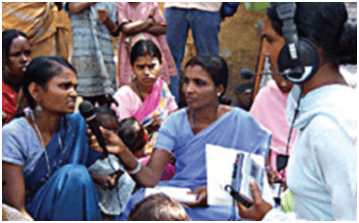
Giving people a voice: Community Radio
Reading Radio News
Listen to yourself as you read your news story aloud. Look for the following:
Pronunciation - Check the pro-nunciation of all difficult words or names you don’t know. Every Radio news organisation also has a pronunciation guide/style book.
Marking a Copy - Most Broadcasters mark a news copy to help them remember when to pause in order to emphasise certain words. One should mark the copy as you read it aloud. A pause is used to get attention when you want to emphasise something you just said. Many broadcasters mark their scripts so that they are reminded of the pause as they broadcast. Some use slashes (/), other’s use brackets ( ) or ellipses (…) For example:
What happens ...(Short Pause) when galaxies collide ...? (Pause) Our Space telescope ...(Short Pause) reveals that two galaxies have collided.
Writing a Radio Feature or a Documentary
Like feature writing for print, a radio feature or documentary covers a particular topic in some depth, usually with a mix of commentary and sound pictures. Both can be creative in terms of aesthetic choices depending on the subject at hand. They may include folk songs, poetry or drama to help illustrate the theme. Today, many mixed forms also exist like—the feature documentary and the documentary drama.
A feature programme can innovate freely with the choice of subjects and ways of presentation. The distinction between a feature and a documentary is often not concrete, the key distinction that still remains is the length. A documentary is often longer than the feature.
Writing a Radio Feature: The main elements of a radio feature or documentary are—interviews, voice over (also known as the commentary), sound effects and music. A radio script writer has to creatively employ the various tools in a narrative structure.
One can choose to make an unknown omniscient voice, do the voice-over or think of a persona for the narrator. The radio feature or documentary can also introduce the theme through a bouquet of short interviews on the topic, also known as ‘voxpops’.
Radio Drama: Radio drama is a form of audio storytelling broadcast on radio. With no visual component, radio drama depends on dialogue, music and sound effects to help the listener imagine the story. Since the end result occurs purely within the imagination, there are few limitations of size, reality, place, mood, time or speed of transition.
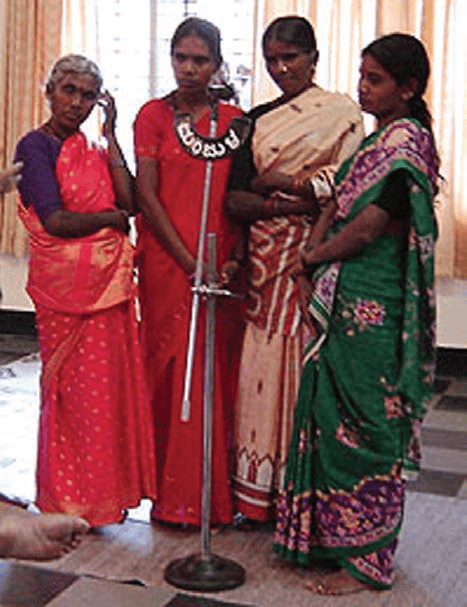
Radio: Of, for and by women
Radio drama achieved widespread popularity within a decade of its initial development in the 1920s. By the 1940s, it was a leading international popular entertainment. With the advent of tele-vision in the 1950s, however, radio drama lost some of its popularity, and in some countries, has never regained large audiences.
A Broadcast Interview — We have already discussed the basics of inter-viewing earlier. The only difference is that in a radio interview we are recording on a digital recorder and for television the same interview would be shot on a camera. But, the technique of interviewing and the types of interviews remain the same that you have read about in ‘Srijan I’.
Remember that natural sound will give credibility to a radio interview like visuals of the location help a television interview. For example, interview of a railway porter with appropriate sound will help in creating the ambience of the railway station.
Creative Use of Some Sound Effects
Radio is about creating pictures through sound.
How can YOU create complex sounds simply for Radio:
1. CAR DRIVES OFF
Electric car driving toy.
2. CRAWLING IN UNDERBRUSH
Crinkle large plastic bag.
3. FACE BEING SLAPPED
Slapping hands together
4. HORSES GALLOPING, TROTTING,
Use coconut shells in a box with gravel.
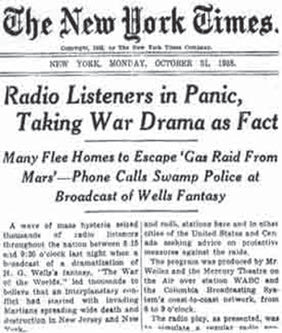
The single bestknown episode of radio drama is
probably the Orson Welles—directed adaptation of The
War of the Worlds (1938), which some listeners believed
to be real news broadcast about an invasion from Mars.
The Indian Radio Drama has had a literary origin.
Its genesis can be easily associated with much
acclaimed writers and authors in various Indian
languages. Urdu authors Saadat Hasan Manto and
Upendra Nath Ashk, the Gujarati dramatists
C. C. Mehta and Shiv Kumar Joshi, and the Bengali
popular writer Birendrakrishna Bhadra are some
of the names that find easy mention.
Tinka Tinka Sukh
The Radio Soap Opera
PCI-Media Impact’s Indian radio programme Tinka
Tinka Sukh (Little Steps to a Better Life)—the show
aired in 1996μ98 and quickly gained such great
popularity that thousands of audience letters
poured into the broadcaster, All India Radio. The
music-based style helped make this drama popular.
The issues covered were—
gender, women’s empowerment and health,
HIV/AIDS, family size, conservation. The radio
drama reached about 40 million listeners on
27 local radio stations covering 7 Hindi-speaking
states, probably the largest listenership for
any radio drama worldwide.
Source: http://www.comminit.com/en/node/1690/
The Communication Initiative Network.
What is Community Radio?
In India, the campaign to legitimise
community radio began in the mid-1990s,
soon after the Supreme Court of India ruled
in its judgement of February 1995 that
“airwaves are public property”
Community Radio is radio of the people,
by the people and for the people.
In community radio, members of the
listening community finance and/or
participate in the operations such as
‘Women Speak to Women’
Deccan Development Society
Community FM Radio Service.
In most countries as also in India,
Community Radio is considered noncommercial
broadcasting, and only
non-profit organisations and educational
institutions are given-licenses. Anna FM
was India’s first campus ‘community’ radio,
launched in 2004, it is run by Education
and Multimedia Research Centre (EMRC),
and all programmes are produced by the
students of Media Sciences at
Anna University.
Have you heard of any of the following?
■ Radio Bundelkhand
■ Apna Radio—AR 1Jamia FM
Search the internet and find out about other Campus/Community radio initiatives.
Writing for Television
How many hours of television do you watch in a day?
What are the various genres of programmes one can watch on any typical television evening?
Which television news channel is your favourite? Why do you like it?
Today we have found ways to describe almost everything in the visual language. Can you count the number of visuals you see in a day? Perhaps your answer would be—infinite. In short, we are surrounded by visuals. From billboards on roads to 24-hour-television channels; from virtual advertising to the architectural marvels; from the back of trucks to posters on the walls of our city—visuals entertain us, inform us, inspire us and educate us constantly. Television is one of the most omniscient visual mass medium.
Writing a Television News Script
Writing for television adheres to almost the same set of rules as radio, with one exception. The writer should always remember that unlike radio and print, in television, visual is the most important element. Television writers structure and build scripts around the visual. They combine words with pictures. They do not tell viewers what they are seeing. Instead support the visual by saying what the visuals do not or cannot reveal. Words fill in the factual details that pictures lack. One needs to keep in mind to avoid cramming the visuals with voice-over or narration. But do remember that a picture is worth a thousand words thus let your visuals talk when necessary. Like radio, a television writer uses everyday words— short, simple and easy to understand. The average acceptable number of words per sentence in a TV copy is 13 to 14. The element of immediacy is one of the biggest assets of the TV medium in reporting news. Thus the present tense needs to be used more often. For example, Police was searching for clues will not do, instead the more appropriate way to write will be, “Police is searching for clues.” The present perfect is less dated than the past tense and is used in situations in which the past tense is unacceptable. ‘Like radio’ it is important to keep the action in the verb even in television writing. So, writing in the active voice is more suitable.
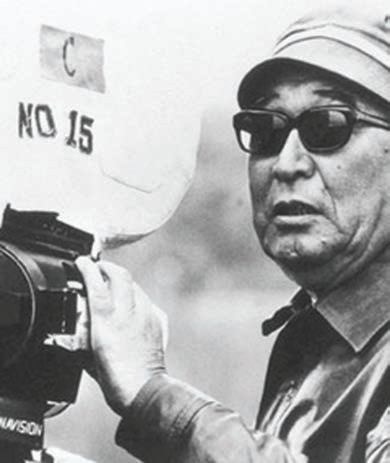
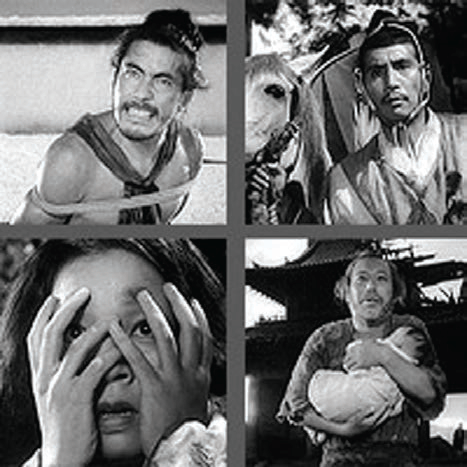
It is very important to be objective while writing for Media.
Let’s understand this with the help of a film Rashomon.
Rashomon is an acclaimed masterpiece by the Japanese film director
Akira Kurosawa.
On the surface, the film is straightforward. An incident, the murder of a Samurai, an assault on his wife occurs in a forest; all allegedly carried out by the bandit, Tajomaru. Three people are involved; a bandit, the Samurai husband, and his wife. The film narrates the incident from each protagonist’s perspective and an eyewitness account of the woodcutter. The film never shows us the incident as it happened. It only shows us the incident in multiple flashbacks as narrated by each of the protagonists and the eyewitness. Each version of the incident as narrated by a protagonist has a different take on what happened in the forest. The viewer is then left with the question—what “really” happened in the forest? In other words meanings are something that we create, meanings do not exist independently of us. These meanings arise as a result of the social world we inhabit. Rashomon puts forth this viewpoint brilliantly in its form; the flashbacks reinforce the point that each of the characters interprets the incident in his or her own way. Kurosawa prods us to ask—Can there be an objective account of the world? Aren’t all our accounts of the world stories we interpret?
Elements of TV News Script
Anchors Lead–in and Lead–out: Today a Television news reader is known as an Anchor. An anchor strings the whole bulletin together with lead-ins and leadouts. A short introduction to the news story is called the ‘Lead-in’. A ‘Lead-out’ is a connection between two stories or could be a comment on the last story as we move to introduce the next story. The most skeletal news story is a ‘reader’ or a ‘liner’. This is a story read on camera by one of the news anchors with no visual appearing on the screen. Stories with no visuals are carried in situations of immediacy when visuals are unavailable. Sound Bytes: The words of news makers are key to telling a good TV news story. A TV news writer weaves their copy between and around sound bytes, eyewitness reports, experts or subjective comments. Generally, a sound byte runs for about 10 to 20 seconds in length. Piece to Camera: When a reporter appears on camera from the scene of the news event it is called a piece to camera. A piece to camera is read straight into the camera. They are about 20 seconds in length. The location for the news story usually is chosen as the background. It has other advantages also. It establishes the reporter’s presence on the spot; it is simple to execute. For example, if the story is on the Peace March then the Piece to Camera’s backdrop can be the people who are walking in the March. Piece to camera can be done in the beginning of a story when one needs to find a follow-up on the latest in the story or they can be done as bridges in the middle of the story by the reporter or in the end to summarise and conclude the story.
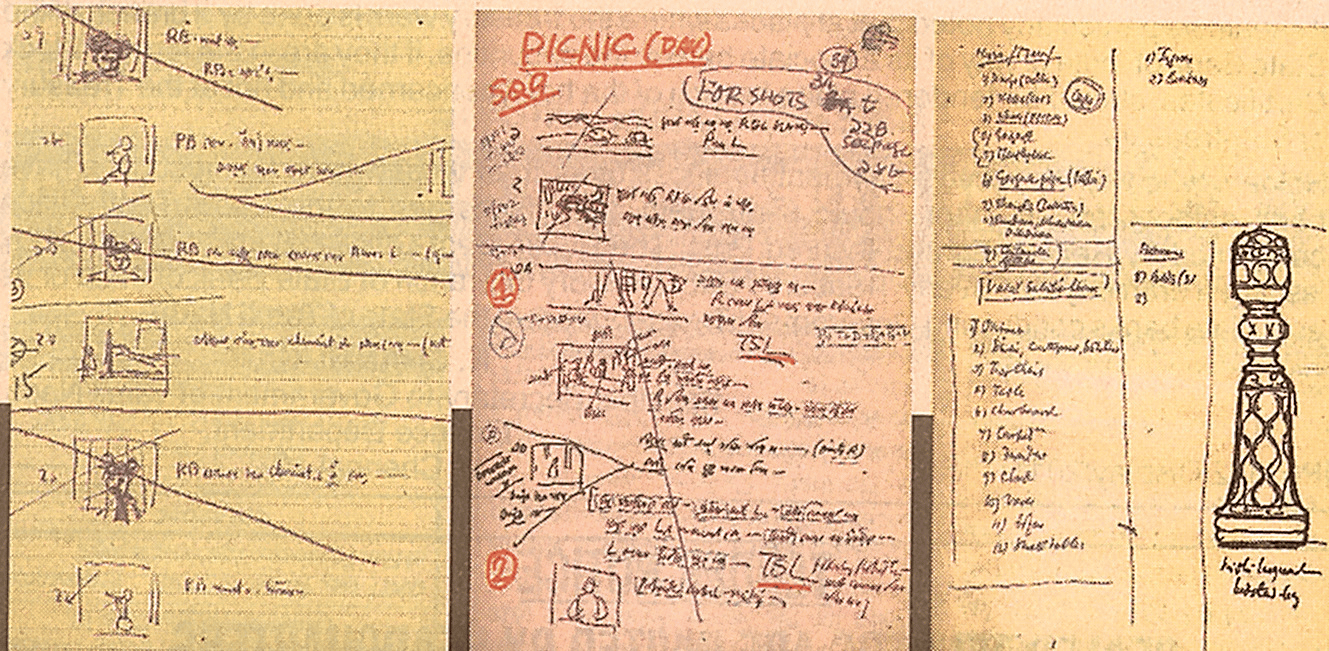
(From left to right): Pages from the manuscripts of Shakha Proshakha (Reunion)
and Shatranj ke Khiladi (Chess Players). The pages reflect the mind of a master
film maker Satyajit Ray through various phases of his illustrious life
Courtesy: The Economic Times, 9 April 2011
An Example of a TV Script
VIDEO
(MS) Anchor Lead-in
Story: Cue
(MCU) Lakshmi on the green slide down swing.
(MS) Lakshmi running in the playground with other kids of
her age ...
(MCU) Lakshmi painting a tree.
AUDIO
And now is the special campaign story for the week. The story of
Lakshmi ...a story which can teach all of us some big and small
lessons on life ...
Voice Over: Lakshmi loves the green swing.
It is her favourite…. She also enjoys painting and singing
(MS) Lakshmi standing in a group of children and singing
Sound bite 1:
(MS) Ms Nanda in her office
GFX: Ms Neelima Nanda
In-charge, Anand Niwas
General Long shots- Children running around in the corridor.
Laughing, eating together in the mess.
Sound bite Lakshmi: MCU of Lakshmi sitting on her green
swing.
MS─She slides down from the swing and smiles looking in
the camera ...
Anchor Lead Out: MS Anchor Audio─ “Machali Jal ki
rani hai ...”
Sound bite 1:
MS of Ms Nanda in her office.
Lakshmi is a blessed child. She has already won so many awards
for her painting and singing. She is a child wizard of sorts.
We are lucky to have her at our home.
Sound bite:
Anand Niwas is a home for HIV + Orphans. There are
60 children of different age groups living happily here.
Sound bite (Lakshmi) ─ I want to be a big singer when I grow
up ...want to sing on TV ...(She smiles ...)
Audio:
Song ...Lakshmi’s Voices sings a popular song ...
Perhaps in 10 odd years we will see her on television singing ...
and now lets see the weather ...
Types of Compositions
Mid Close Up (MCU)
Distance between the camera and subject is comparatively greater. As the distance increases, the connection or the intimacy is also reduced. Eg: Face and neck.
Mid Shot (MS)
The camera frames subjects waist up wards and is often used to highlight action, including fight scenes. Eg: Face, neck, torso.
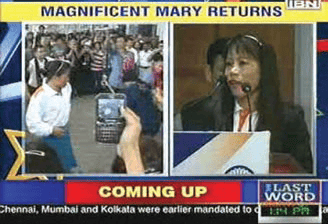
GFX Stands for graphics. These may be in the form of text, numbers, logos etc.

IV. Writing for the New Media
New media is a generic term for the many different forms of electronic communication that are made possible through the use of computer technology. The term is in relation to “old” media forms, such as print newspapers, that are static representations of text and graphics. New media includes―websites, streaming audio and video, chatrooms, e-mail, online communities, Web news and advertising, DVD and CD-ROM media, integration of digital data with the telephone, such as Internet telephony, digital cameras, mobile computing etc.
Writing for the Web: Like radio and television, the Web is “24/7,” and Web writers for news websites often emphasise the ‘up to the minute’ aspect of stories. Not only can they update stories, they can write using the present and present perfect tense to emphasise the “happening right now” angle, just like broadcast news. Most rules for web writing are similar to old “print journalism” advice; use the active voice, strong verbs, summary leads, inverted pyramid structure, tight writing and punchy headlines. Distill longer documents down to their most important facts by creating a summary. Many news sites, offer readers collections of background stories on recurring topics in the news. Such pages assemble ‘evergreen’ links to stories and other information. They provide information, but they also provide navigation. They invite the reader to ‘click through’ to a full story or to investigate additional chunks of a multi-part story. These are known as hypertext links.
Blog
Do you write a blog? Let’s start a blog together. You can start a blog on any of the following platforms―Wordpress.org, blogger.com, Live Journal, Movable Type etc.
What will you call your blog? Think of a pseudonym or a writing Id? What is your first post on your blog? Ask your friends to read it. Give feedback on each other’s blog.
Points to Ponder
■ A blog is like a personal diary.
■ It is a medium through which one can express oneself.
■ Blogging tools on New Media enables asynchronous interactivity and exchange of ideas.
■ New Media is about convergence of mediums. You can take a photograph from your mobile phone and post it on your blog. Think of other mediums that can be brought together on New Media.
■ Blogging also known as the ‘Sixth Estate’ has the potential to be a toolfor collective activism and citizen journalism.
You already know that the press is known as the Fourth Estate. New media is also referred to as the Sixth Estate. The Sixth Estate—blogging, texting etc., is like an observe, critic and counterweight to the Fourth Estate because it offers an opportunity to everybody to critique or present one’s viewpoints. The Fifth Estate is the broadcast media. This (now acceptable as a critic of the Fourth Estate), tries to bring solid stories, evidence and diverse perspectives on important issues.
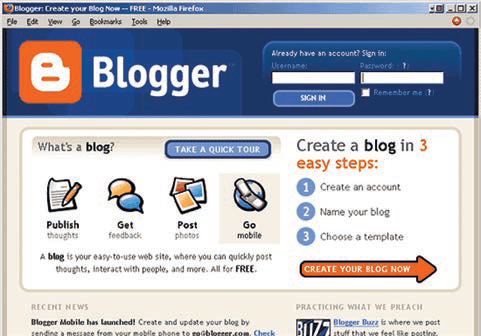
Blogging and Citizen Journalism
Blogging has enabled people to become a part of the process of news-making. The frequently updated websites called “blogs” use many writing styles and can address any topic. Informality generally rules on personal weblogs. You could practice creative writing, news writing or share photographs and short films through your blog.
Technology has changed the face of journalism forever. Today, any aware citizen can become a journalist. Everyday as you come out of your house, to go to school or to the nearby market you are a silent witness to many news stories waiting to be reported, for example, the weather update, the phenomena of laughing clubs, yoga classes in parks, people who commute by car-pools to save energy, all these are potential news stories. So, if you are aware, you observe and are ready to research your observations then you are already a ‘citizen journalist’.
Also, there are many blogs that adopt a journalistic tone. A few consciously try to fill gaps in local news coverage. Today’s fast Internet connections allow web writing to take greater advantage of multimedia, from video blogs to You Tube.

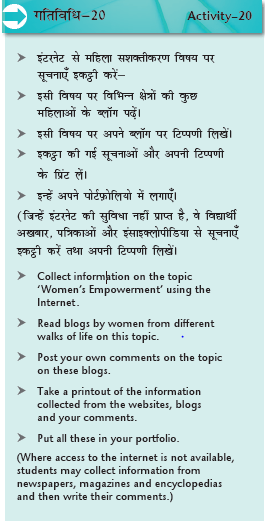
संवाद/Exercise
1. अखबार के लिए एक अच्छा फीचर लिखने से पहले आप क्या-क्या तैयारियां करेंगे। किसी
एक विषय को ध्यान में रखते हुए लिखिए।
What factors should you keep in consider before attempting a good feature for print
media? Keeping these in mind write a feature on any topic of your choice.
2. हाल में टेलीविजन पर देखे हुए किसी समाचार फीचर की उन विशेषताओं को लिखें जो
आपको ज्यादा अच्छी लगीं।
List the qualities of a TV news feature that appealed to you the most recently.
3. निम्नलिखित में से किसी एक पर फीचर लिखिए-
(क) गाँव/मोहल्ला
(ख) विद्यालय
(ग) अपने क्षेत्र की कोई लोक कला
(ग) अपने क्षेत्र के किसी महत्वपूर्ण व्यक्ति (जैसे-साहित्यकार, खिलाड़ी, समाज सेवक या पन्नकार)
Write a feature on any one of the following:
(a) village /neighbourhood
(b) school
(c) any art / craft from your locality
(d) any important personality from your locality e.g. litterateur, sports
person, social worker or journalist)
4. 'दो महत्वपूर्ण बदलाव जो मेरे स्कूल को बेहतर बना सकते हैं'-इस विषय पर लेख लिखें।
“Two important changes that will make my school better” — write an article on
this topic.
5. क्रिकेट के अलावा अन्य खेलों को महत्व क्यों नहीं मिलता'? कक्षा में चर्चा करें और लिखें।
Why are other games given less importance than cricket? Discuss in class
and write your views.